Leave Your Message
Today’s electrical infrastructure is advancing at a lightning pace, and honestly, safety along with performance really can’t be overlooked. One key player in making sure everything runs smoothly is the Suspension String Insulator. These little guys do more than just hold up overhead power lines—they also help prevent electrical leaks or discharges, which means more reliable power supply overall. As utility companies and industries aim to boost their standards, it’s super important to get a good handle on what makes Suspension String Insulators so vital.
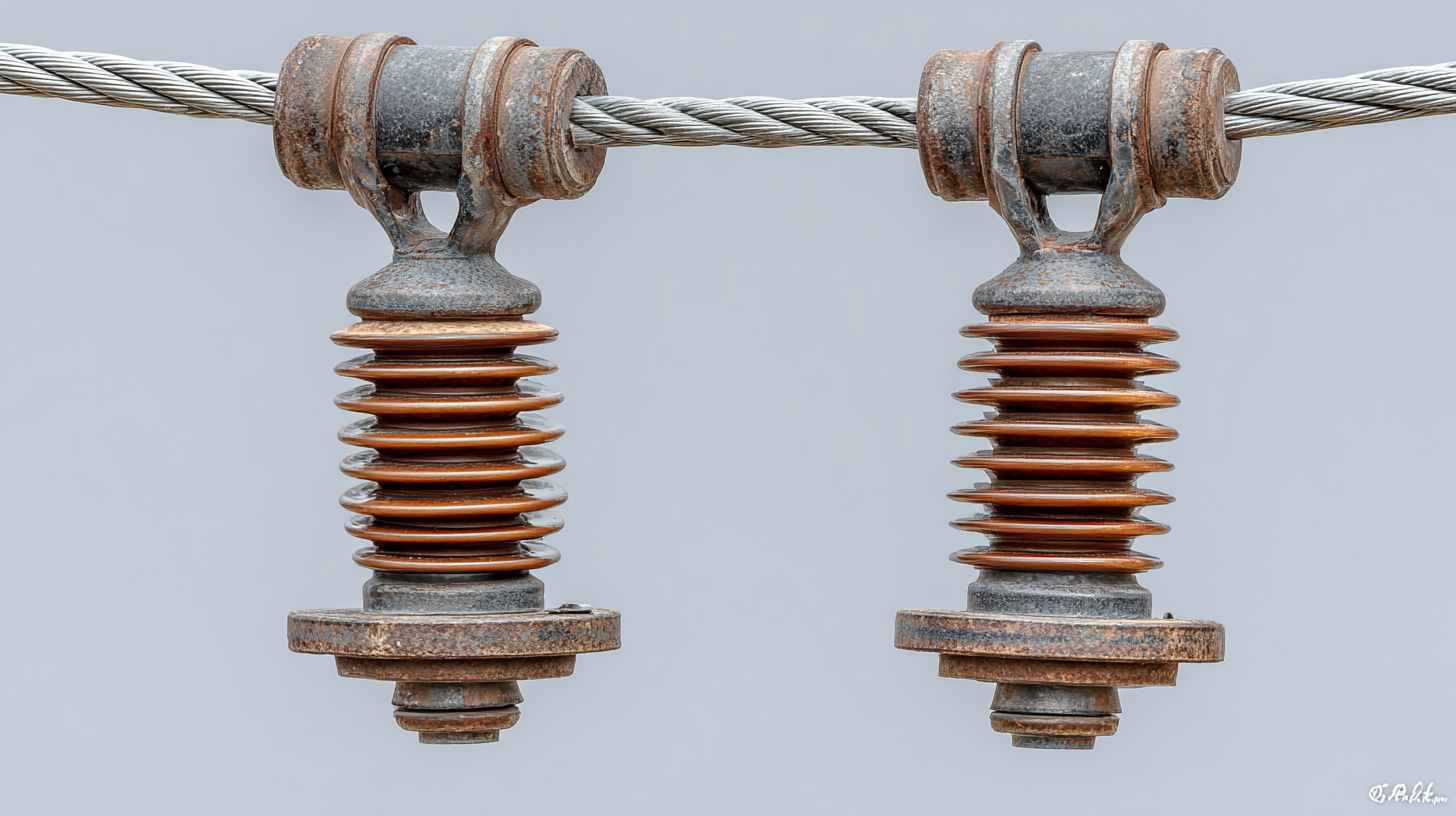
In this article, I want to share seven essential facts about these insulators—stuff that shows how they contribute to keeping our electrical systems safe and efficient. We’ll look at everything from their design and what materials they’re made of, to how they’re installed and maintained. And I’ll also point out how companies like ABC Insulation Solutions are really pushing the envelope, coming up with new innovations to make our power grids stronger and more efficient. By the time you finish reading, you’ll have a solid understanding of why Suspension String Insulators are absolutely crucial in modern electrical engineering—and, honestly, why you should care about them.
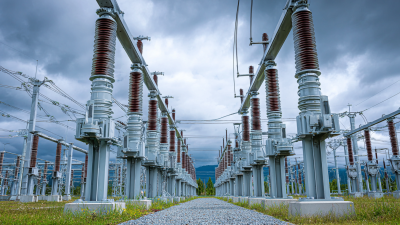
Suspension string insulators play a crucial role in electrical transmission systems, primarily acting as a barrier between conductive wires and the supporting structures. Their primary function is to prevent the electrical current from unintentionally flowing to the ground, ensuring safety and operational efficiency. These insulators are designed to withstand environmental challenges, maintaining performance under varying weather conditions, such as rain, snow, and extreme temperatures.
Beyond just safety, suspension string insulators contribute significantly to the overall efficiency of power transmission. By minimizing energy losses due to leakage currents, they help maintain a stable voltage level throughout the transmission lines. Furthermore, their design allows for easy installation and maintenance, making them an essential component in modern electrical infrastructure. This not only enhances the reliability of power delivery but also supports the growing demand for sustainable and efficient energy systems.
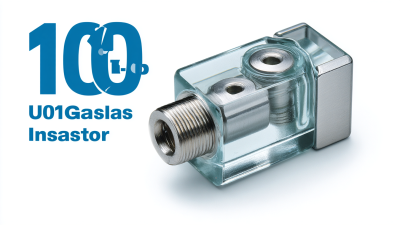
The U70C Ground-wires Type Suspension Glass Insulator is a vital component in electrical transmission systems, renowned for its reliability and resilience in harsh environmental conditions. According to market analysis by Research and Markets, the global insulators market was valued at approximately USD 14.2 billion in 2020, with projections to expand significantly over the next decade. This growth is fueled by the increasing demand for efficient power transmission and the shift towards renewable energy sources. As utility companies invest in upgrading their infrastructure, the need for durable insulators, such as the U70C model, becomes paramount.
Moreover, the U70C suspension insulators are increasingly adopted in high-voltage applications due to their exceptional mechanical strength and electrical performance. A report by MarketsandMarkets highlights that the adoption of glass insulators over ceramic types is gaining traction, primarily due to their lightweight nature and superior resistance to pollution and degradation. As industries move towards more sustainable practices, the durability of glass insulators ensures lower maintenance costs and longer service life, thus adding value to power utilities.
The future projections indicate that the U70C Ground-wires Type Suspension Glass Insulator will find innovative applications beyond traditional power grids, including smart grid technologies and renewable energy projects. With the global shift towards electrification and sustainable infrastructure, the insulator market is expected to continue flourishing, reinforcing the significance of products like the U70C in shaping the future of energy transmission.
: Commonly used materials include porcelain, glass, and composite materials.
Porcelain insulators are known for their robustness and resistance to environmental conditions.
Glass insulators provide excellent visibility for damage inspection.
Composite insulators are lightweight and resistant to pollutants, making them popular in modern applications.
High-quality materials ensure that insulators can withstand extreme weather, mechanical stress, and electrical stresses over time.
They help maintain the integrity of overhead transmission lines, preventing energy losses and minimizing electrical faults.
Their design allows for effective management of mechanical stress, which is vital in areas with severe weather conditions.
Improved insulation reduces the chances of power outages and voltage drops, leading to lower maintenance costs.
They are essential for achieving a reliable and efficient energy transmission system.
It can enhance the longevity of these insulators, leading to improved electrical safety and performance.
Suspension String Insulators play a crucial role in enhancing the safety and performance of electrical transmission systems. These insulators are designed to function effectively under varying conditions, utilizing advanced materials that significantly impact their durability. With the ability to withstand extreme weather, Suspension String Insulators not only safeguard the infrastructure but also ensure operational efficiency, ultimately contributing to the overall performance of the electrical network.
Moreover, proper maintenance practices are essential for maximizing the longevity of Suspension String Insulators. Companies like Jiangxi QOCI Electric Co. Ltd., with their expertise in glass insulators and commitment to research and development, are well-positioned to provide high-quality solutions that enhance both safety and efficiency in electrical systems.