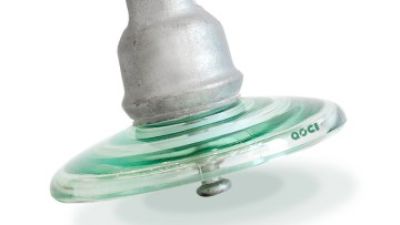
The glass Insulator 160b really marks a big step forward in the world of utilities. It combines toughness with top-notch performance, which is pretty impressive. I recently read a report from the International Electrotechnical Commission that says sales of glass insulators like the 160b have gone up by over 25% in the last few years. Honestly, that surge makes a lot of sense—these insulators are super resistant to tough environmental conditions and electrical tracking. It’s no surprise that the industry’s leaning more toward sustainable and reliable energy solutions these days.
Dr. Emily Harris, who’s pretty much an authority when it comes to insulator tech, mentioned, “The Glass Insulator 160b offers a unique combo of mechanical strength and electrical insulation—making it a solid pick for high-voltage setups.” Her insights really spot on highlight how important smart, advanced insulator designs are for keeping electrical systems safe and reliable all over the world.
As companies continue to push for better infrastructure, the Glass Insulator 160b not only checks all the industry standards but also helps cut down overall lifecycle costs. This guide is kind of like your go-to resource, diving into what makes the Glass Insulator 160b special, its benefits, and how it’s used across different areas. All in all, it’s clear that this little guy plays a key role in the future of electrical tech, ensuring things run smoothly and safely.
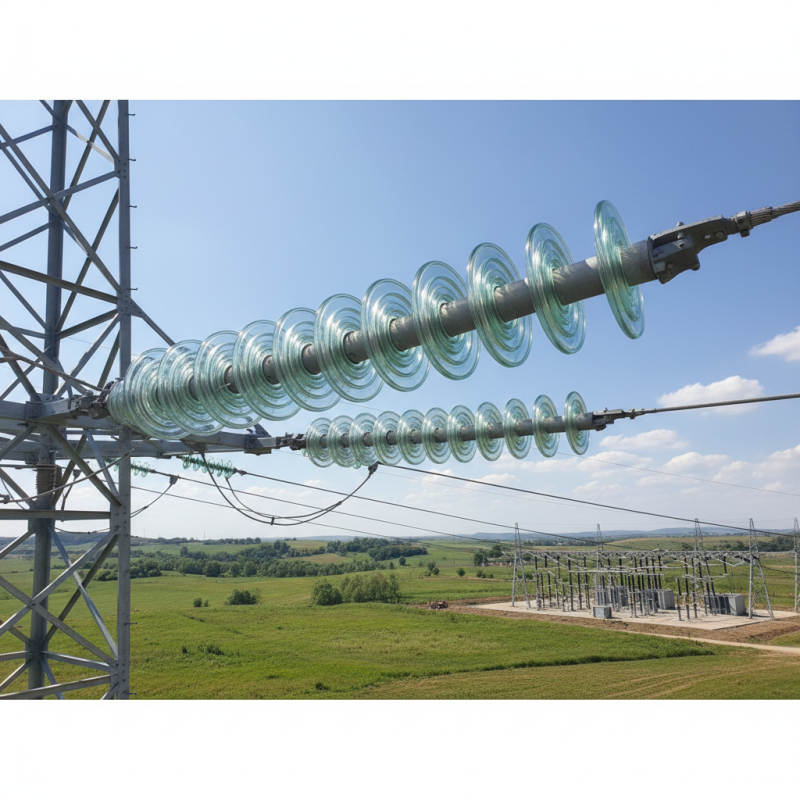
Overview of Glass Insulator 160b
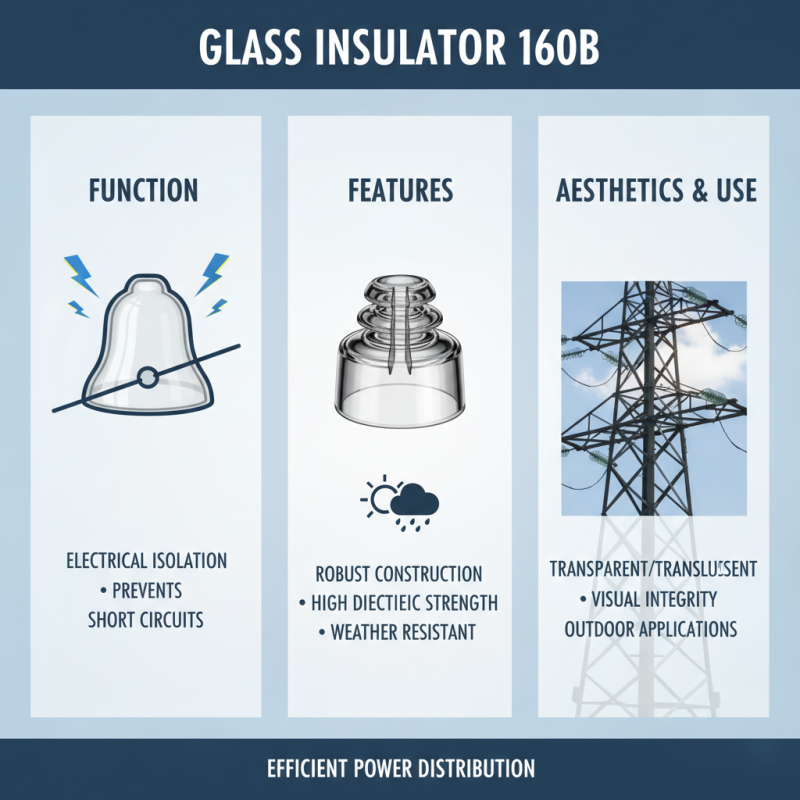
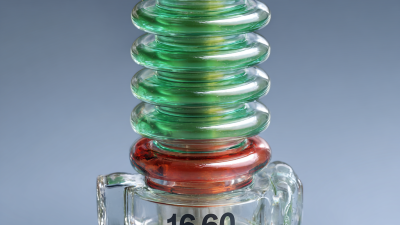
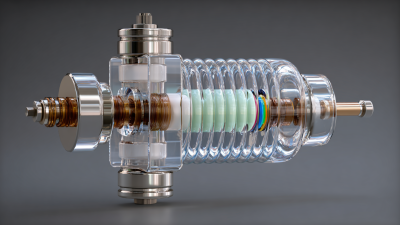
Glass insulator 160b is a specialized component widely used in electrical transmission systems. This specific type of insulator is designed to maintain electrical isolation between conductive elements, ensuring efficient power distribution while preventing short circuits or electrical failures. With its robust construction and high dielectric strength, the glass insulator 160b withstands extreme weather conditions, making it ideal for outdoor use. The transparent or translucent nature of glass enhances aesthetic appeal, allowing for application in various settings without compromising visual integrity.
In addition to its primary function of insulation, the glass insulator 160b offers several benefits that contribute to its popularity among utility providers. Its longevity and resistance to aging mean that it requires minimal maintenance, translating into cost savings for power companies. Furthermore, glass insulators are less prone to damage from environmental factors compared to their ceramic counterparts. The inherent chemical stability of glass makes it resistant to corrosion, ensuring reliable performance over time. Overall, the glass insulator 160b serves as a crucial element in safeguarding electrical systems while providing practical benefits to infrastructure longevity and operational efficiency.
Key Features of Glass Insulator 160b
The Glass Insulator 160b is designed with a range of key features that enhance its functionality in electrical systems. One of the most prominent characteristics is its robust design, which allows it to withstand harsh environmental conditions, including extreme temperatures and exposure to moisture. This durability ensures longevity and reliability in various applications, from utility poles to telecommunications infrastructures. The 160b also exhibits excellent electrical insulating properties, effectively preventing current leakage and maintaining system efficiency.
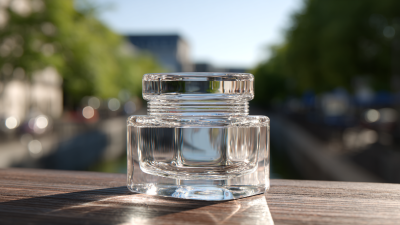
Another notable feature of the Glass Insulator 160b is its transparency and aesthetic appeal, which differentiates it from traditional ceramic insulators. This transparency not only adds to its visual appeal but also allows for easy inspection and maintenance. Additionally, the insulator's design promotes effective water shedding, reducing the accumulation of conductive materials that could compromise performance. These attributes make the 160b an ideal choice for both modern and historical installations, catering to the needs of different electrical engineering projects while ensuring optimal safety and performance.
Benefits of Using Glass Insulator 160b
Glass Insulator 160b has gained popularity in various applications due to its unique benefits. One of the primary advantages of using the Glass Insulator 160b is its exceptional durability. Unlike plastic insulators, glass insulators can withstand extreme weather conditions, including high winds, intense heat, and freezing temperatures. This resilience ensures that they remain functional over a long period, reducing the need for frequent replacements and maintenance, which can save both time and money.
Another significant benefit is the eco-friendliness of glass insulators. Made from recyclable materials, they pose less of an environmental threat when disposed of compared to their plastic counterparts. Additionally, the transparency of glass allows for a natural aesthetic, making them suitable for decorative uses in architectural designs, not just for electrical applications.
**Tips:** When choosing glass insulators for your project, consider the environmental conditions they will face to ensure their longevity. Additionally, maintaining the cleanliness of the insulators can enhance their performance, as dirt and grime can affect their insulating properties. Finally, always consult installation guidelines to optimize usage and efficiency in your specific application.
Common Applications of Glass Insulator 160b
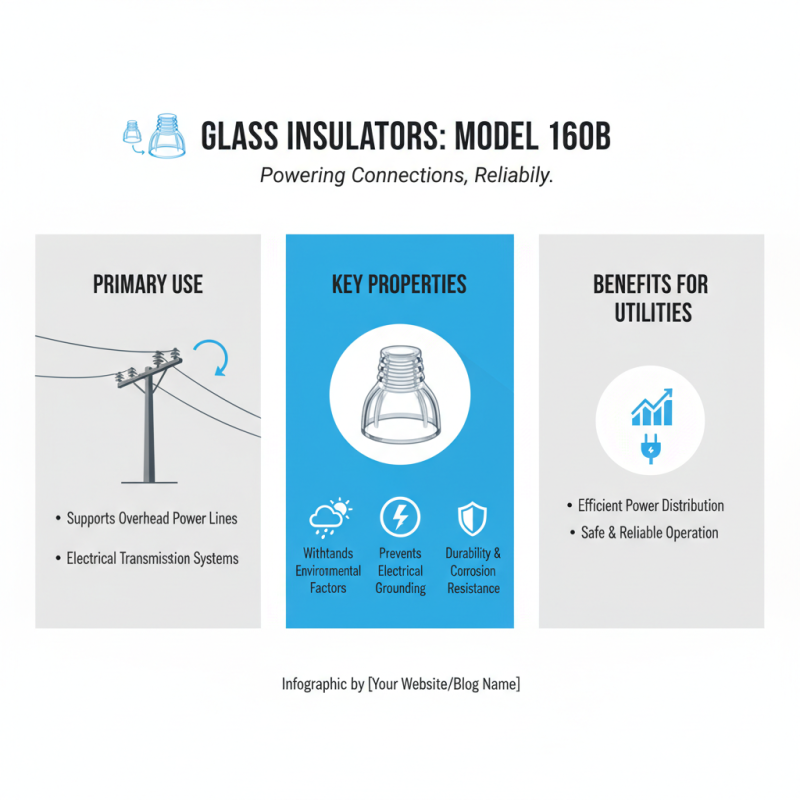
Glass insulators, particularly the 160b model, play a crucial role in various applications due to their unique properties. One of the most common uses is in electrical transmission systems, where they are employed to support overhead power lines. These insulators not only prevent electrical currents from grounding but also withstand various environmental factors such as humidity, temperature fluctuations, and severe weather conditions. Their durability and resistance to corrosion make them an ideal choice for utility companies aiming to maintain efficient and safe power distribution.
In addition to electrical transmission, glass insulators are widely used in telecommunications. These insulators protect communication lines from electrical interference and are instrumental in ensuring signal clarity. They can be found on telephone poles and in similar applications where reliable communication systems are essential. Furthermore, the aesthetic appeal of glass insulators allows them to be integrated into decorative installations, such as art projects and vintage-inspired landscapes, showcasing their versatility beyond traditional industrial uses. Overall, the Glass Insulator 160b serves multiple purposes across different sectors, highlighting its significance in both practical and creative domains.
Installation Guidelines for Glass Insulator 160b
When installing the Glass Insulator 160b, it is crucial to follow specific guidelines to ensure optimal performance and safety. Begin by selecting a suitable installation site, ensuring that it is free from environmental factors that could compromise the insulator's integrity. Clear any debris and obstructions to create a stable foundation. Always wear appropriate safety gear, including gloves and goggles, to protect yourself during the installation process.
Next, carefully position the Glass Insulator 160b on the mounting structure. Ensure that it is level and securely fastened using the recommended hardware. It is important to check that the insulator is adequately spaced from conductors and other equipment to prevent any electrical interference. After installation, perform a thorough inspection to confirm that all connections are tight and that the insulator is properly aligned. Regular maintenance checks should follow to ensure long-term reliability and effectiveness in its application.
Maintenance Tips for Glass Insulator 160b
When it comes to maintaining the Glass Insulator 160b, regular care and cleaning are essential for optimal performance and longevity. Begin by inspecting the insulator for any visible signs of wear or damage. Frequent checks can prevent small issues from escalating into significant problems. Ensure that the insulator is free from dirt, dust, and other debris, as these can affect its efficiency. Use a soft cloth or sponge with a mild soap solution and rinse thoroughly with water. Avoid abrasive materials that might scratch the glass surface.
Another crucial aspect of maintenance is ensuring that the insulator is securely mounted and that all fittings are tight. Loose insulators can lead to operational failures and safety hazards. If the insulator has components exposed to weather elements, consider applying a protective sealant that can enhance its resistance to environmental damage. Additionally, periodic professional inspections can help identify any underlying issues that might not be visible to the naked eye. By following these maintenance tips, users can ensure that their Glass Insulator 160b continues to function effectively for years to come.
Comparative Analysis with Other Insulator Types
When considering different types of insulators, the Glass Insulator 160b exhibits unique features and benefits that stand out when compared to more commonly used materials such as porcelain and polymer insulators. According to industry studies, glass insulators showcase superior mechanical strength, which can handle adverse weather conditions better than their counterparts. Reports highlight that glass insulators have a longer lifespan, lasting up to 50 years or more without significant degradation in performance. Their ability to resist aging allows utility companies to reduce maintenance costs and improve operational efficiency.
In contrast, porcelain insulators, while also durable, may suffer from brittle fractures and can be heavy, affecting installation processes. Polymer insulators, although lightweight and resistant to vandalism, typically have a shorter lifespan and can be susceptible to environmental factors like UV degradation. A comparative analysis shows that the leakage resistance of glass insulators typically surpasses that of both porcelain and polymer, making them a reliable choice for harsh environments.
Tips: When selecting insulators for your projects, consider the specific environmental conditions and operational requirements. Ensure that the insulator type you choose aligns with your maintenance capabilities and budget. Additionally, always check the latest industry reports for updated performance metrics and comparisons among various insulator materials.
Understanding the U40BL/175/127/190 IEC Standard Profile 40kN Suspension Insulator for Global Applications
The U40BL/175/127/190 IEC Standard Profile 40kN suspension insulator serves as a critical component in high voltage power systems, particularly for global applications. These insulators are designed to withstand significant mechanical loads while providing reliable electrical insulation in demanding environments. The U40B insulator, with a 40kN rating, is notable for its use in both transmission and distribution networks, ensuring that power lines can maintain their integrity over long distances and through varying weather conditions.
Recent industry reports indicate a growing demand for high voltage glass suspension insulators, reflecting advancements in material sciences that result in tougher, more durable products. The use of toughened glass insulators, such as the U40B series, has shown a marked improvement in performance, with extensive testing demonstrating their resilience to environmental factors and mechanical stress. The availability of models like the U40B, U70BS, and U70BL provides utilities with a range of options tailored to specific load requirements and operational conditions, enhancing the overall reliability of power transmission systems.
Furthermore, the competitive pricing structure of these insulators supports widespread adoption, enabling utility companies to invest in infrastructure that meets international standards without exorbitant costs. With stock readily available, the market is well-positioned to support ongoing electrification efforts globally, pushing for advancements that not only improve operational efficiency but also contribute to sustainable energy solutions. The ongoing focus on IEC standards reinforces the industry's commitment to safety and performance, ensuring that high voltage insulators continue to play a pivotal role in the future of electricity supply.
FAQS
: The Glass Insulator 160b offers exceptional durability, able to withstand extreme weather conditions. It is also eco-friendly, made from recyclable materials, and has a natural aesthetic that can be utilized in decorative applications.
Regular inspections for wear or damage, cleaning with a soft cloth and mild soap solution, ensuring secure mounting, and applying protective sealants can enhance the performance and longevity of the insulator.
Glass Insulator 160b has a longer lifespan, often lasting 50 years or more without significant performance degradation, which is superior to both porcelain and polymer insulators.
Abrasive materials that can scratch the glass surface should be avoided; instead, use soft cloths or sponges for cleaning.
Dirt, dust, and debris can affect the insulating properties of glass insulators, so maintaining cleanliness is crucial for optimal performance.
Inspect for any visible signs of wear or damage, ensure the insulator is free from dirt and debris, and check that all fittings are tight to prevent operational failures.
Glass insulators exhibit superior mechanical strength, allowing them to handle adverse weather conditions better than porcelain and polymer insulators.
Consider factors such as extreme temperatures, exposure to UV light, and local weather patterns to ensure the selected insulator's longevity and performance.
Yes, the transparency of glass insulators allows for a natural aesthetic, making them suitable for decorative applications in architectural designs in addition to electrical use.
Applying a protective sealant can enhance resistance to environmental damage, ensuring the insulator remains effective over time.
Conclusion
The "Essential Guide to Glass Insulator 160b" provides a comprehensive overview of this specific type of insulator, highlighting its key features, benefits, and common applications. The Glass Insulator 160b is known for its durability, electrical insulation properties, and resistance to environmental factors, making it a preferred choice in various electrical applications. Additionally, the article discusses the installation guidelines and maintenance tips to ensure optimal performance and longevity of the insulator.
Furthermore, a comparative analysis with other insulator types is included, demonstrating the advantages of using Glass Insulator 160b in terms of efficiency and reliability. This guide serves as a valuable resource for professionals seeking to understand the functionalities of the Glass Insulator 160b, promoting informed decision-making in its usage across different settings.