In today’s fast-paced industrial scene, picking the right components is super important for keeping everything running smoothly and safely. Take the glass isolator U100bl, for example; it’s really known for being reliable and performing well in high-voltage settings. And you know what? Recent industry reports show that the demand for top-notch Insulators is on the rise, thanks to all the improvements in electrical infrastructure and the growing interest in renewable energy sources.
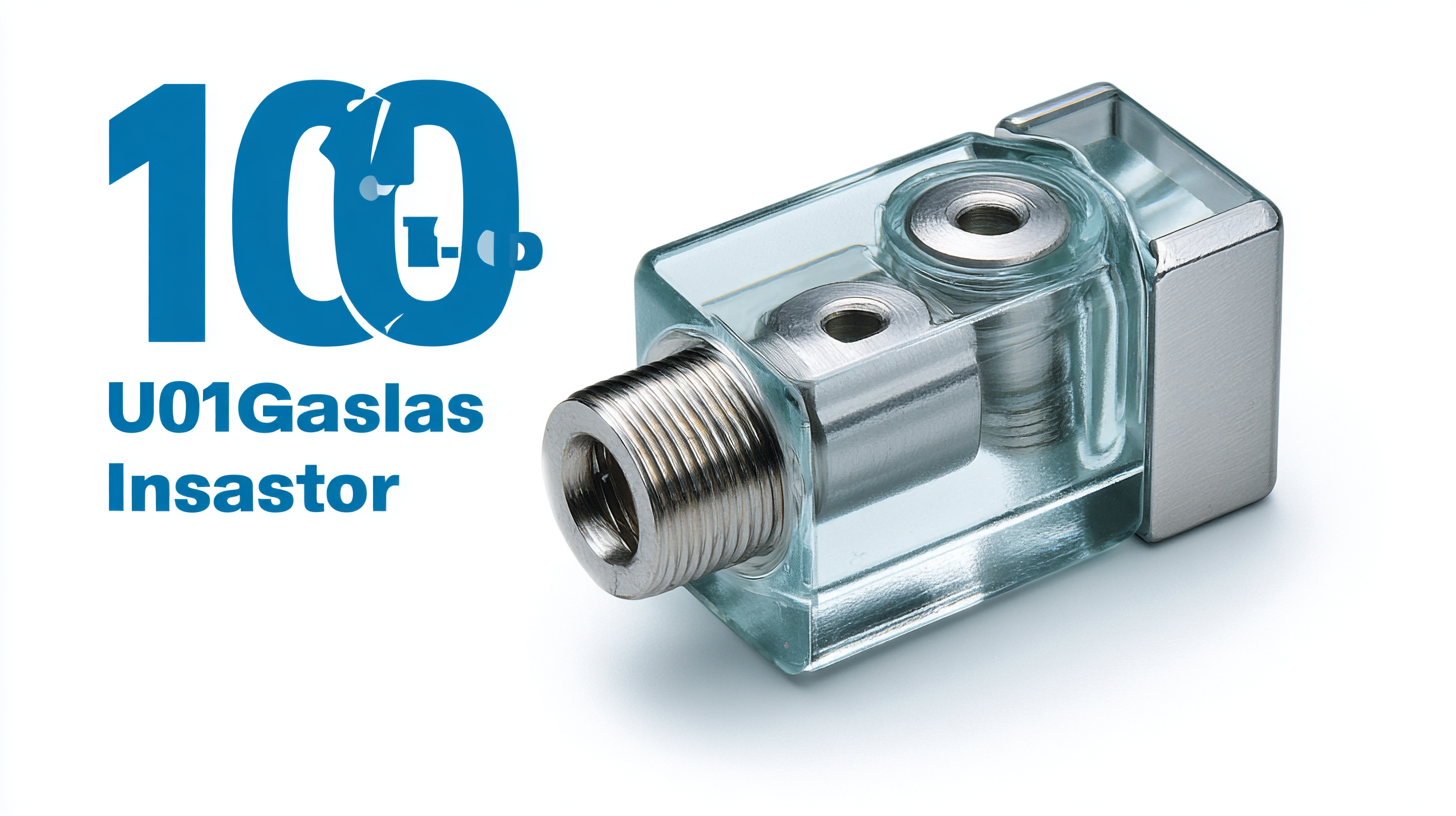
Jiangxi QOCI Electric Co. Ltd., which got its start back in December 2002, has really stepped up as a key player in this arena. Their advanced production technology and solid R&D efforts in glass insulators are impressive. Plus, with a strong focus on innovation, QOCI's Glass Isolator U100bl delivers performance that's pretty hard to beat. If businesses are on the lookout for the best electrical solutions, they definitely need to consider this one!
You know, glass isolators are like the unsung heroes in a bunch of industries, especially when it comes to keeping things super clean and sterile, like in pharmaceuticals and biotechnology. I came across this report from Grand View Research saying that by 2027, the global lab glassware market is set to hit a whopping USD 5.25 billion! That really shows how much we need reliable tools like glass isolators these days. These gadgets are absolutely vital for keeping sensitive materials safe from all those pesky environmental contaminants, all while making sure the workspace stays sterile. It's a big boost for the quality assurance game.
Now, let’s not underestimate the importance of picking the right glass isolator. According to a fresh study by MarketsandMarkets, more than 20% of product failures in controlled environments can actually be traced back to crummy isolation systems. That’s pretty eye-opening! It highlights why businesses really need to pay attention to things like structural integrity, whether the materials are compatible, and, oh, how easy they are to use when they’re on the lookout for their glass isolators. And trust me, making sure the equipment ticks all the right boxes for industry standards and regulatory requirements can really make a difference. It’ll have a positive ripple effect on operational efficiency and product safety, which ultimately means better outcomes for the business. Isn’t that something to think about?
So, you're thinking about the U100BL glass isolator for your business? Great choice! But before you dive in, it’s super important to know its key features to make sure it performs reliably. First up, let’s talk about containment efficiency—that's a biggie. A recent report from the International Society for Pharmaceutical Engineering (ISPE) shows that these high-efficiency isolators can achieve containment levels as low as 0.1 micrograms per cubic meter or even better. That’s no small feat, especially when it comes to keeping your products safe and protecting your team in the pharmaceutical world.
Now, another thing you really want to think about is how the airflow system is designed in the U100BL. Research has found that isolators that use laminar airflow can create a way more sterile environment by keeping particle contamination at bay. In fact, a study in the Journal of Pharmaceutical Sciences pointed out that proper airflow can slash contamination rates by a huge 70% compared to isolators that don’t have it. Plus, let’s not forget about how easy it is to maintain and clean the thing. Regular upkeep is essential to keep things running smoothly and staying in line with industry regulations. Models that are designed with accessibility in mind typically help cut down on downtime and boost operational efficiency, which is a big win for busy labs!
This chart displays the key features of the U100bl Glass Isolator based on essential ratings. The features evaluated include Efficiency, Cost-effectiveness, Durability, User-Friendliness, Maintenance, and Size Compatibility. Each feature has been rated on a scale from 1 to 10, providing a visual guide to help in making informed decisions for your business.
So, when you're looking to choose the right glass isolator U100bl for your business, the quality is super important—like, you really can't overlook it. The materials and how these glass isolators are made can seriously affect how well they perform and how long they'll last. Generally speaking, the best quality ones are made from borosilicate glass, which is great because it handles heat like a champ and stands up to chemical corrosion. I’ve come across some industry reports that say using advanced manufacturing techniques can actually bring the defect rates of glass insulators down to under 2%. That’s definitely a win, making sure your investment is solid and your operations keep running smoothly without a hitch.
Oh, and here’s a handy tip: always double-check that the isolators meet international standards like IEC or ASTM. This gives you peace of mind knowing they’ve gone through some tough testing for safety and reliability. It’s also a good idea to buy from manufacturers that have a solid reputation—like Jiangxi QOCI Electric Co. Ltd. They’ve been around since 2002, so they have pretty mature production tech and a big focus on R&D when it comes to functional glass and circuit insulators. That means their products are likely meeting the top industry standards.
And don’t forget to think about how these isolators are built! Look for robust sealing techniques and good electrical insulation. There are reports out there that show isolators with multiple layers of insulation can really cut down on electrical discharge, which is a big deal for protecting your infrastructure. Working with a trusted supplier not only gets you a product that meets those high standards, but also comes with all the support and expertise you might need to make informed decisions for your operations.
| Feature | Description | Importance |
|---|---|---|
| Material Quality | Opt for borosilicate glass for durability and chemical resistance. | High |
| Sealing Mechanism | Ensure the isolator has airtight seals to prevent contamination. | Critical |
| Size and Dimensions | Select a size that fits your equipment and workflow efficiently. | Moderate |
| Cleanability | Look for designs that allow easy cleaning and maintenance. | High |
| Port Types | Choose models with multiple ports for flexibility in use. | Moderate |
| User Interface | Evaluate the ease of use of the control panel for operation. | Moderate |
| Thermal Stability | Ensure it can withstand high temperatures without compromising integrity. | High |
| Warranty and Support | Check for a good warranty period and responsive customer support. | High |
When you're picking out a glass isolator like the U100BL for your business, getting the right size and considering the space is super important. You really want to start by checking out the area where you’re planning to put the isolator. Grab a tape measure and find out how much room you’ve got; you don’t want it getting in the way of your workflows or making it tough to reach other equipment. And hey, while it’s gotta fit your processes, don’t forget about leaving some room for maintenance and making sure you’re following all the safety rules.
Now, beyond just how big it is, think about what kind of materials you’ll be processing in there. You’ll need to figure out how much internal space you really need to keep up with your production demands. Also, keep in mind any future plans for growth – if you’re looking to expand down the line, it might be a smart move to go for a slightly bigger unit. This way, you won't end up shelling out cash for a replacement later. All in all, taking the time to carefully plan the size and use of your glass isolator can totally make your operations run smoother and boost productivity in your business.
When you’re looking at investing in glass isolators like the U100bl, you really gotta weigh the cost against the value they bring to the table. Sure, that high price might raise some eyebrows, but don’t forget to think about the long-term perks that a solid isolator can deliver. We’re talking about better product safety, improved environmental control, and a boost in operational efficiency. By going for a dependable glass isolator, you can dodge those costly breakdowns, keep maintenance costs in check, and keep everything in line with regulations, which can ultimately lead to better returns on your investment.
And hey, while you’re checking out different options, it’s super important to dig deep into what each glass isolator model has to offer. Don’t just fixate on the sticker price! Look into things like durability, design, and how easy they are to use. A well-constructed glass isolator might hit your wallet a little harder upfront, but it can save you a ton in the long haul thanks to its top-notch performance and reliability. Investing in something that fits your specific needs won’t just give you immediate gains in your operations—it’ll also help your business grow and stay sustainable in the future.
So, when you're picking out a glass isolator like the U100BL for your business, it's super important to think about maintenance and support. Trust me, keeping up with regular maintenance can really boost both the performance and lifespan of your isolator. I mean, studies have shown that getting things serviced on time can ramp up equipment efficiency by as much as 30%! That’s huge, especially in places where keeping sterile products intact is a big deal – if the isolator isn’t performing well, it can totally mess with production safety and quality.
Plus, with all the new tech out there, maintaining isolators is way simpler now. There are fancy monitoring systems that can keep tabs on performance metrics and send you a heads up if something’s off before it turns into a bigger problem. This way, your glass isolator stays in tip-top shape. And let’s not forget about predictive maintenance. Thanks to IoT devices, businesses can tackle wear and tear before it really becomes an issue, which could slash maintenance costs by up to 25%. As technology keeps moving forward, it's really important to stay in the loop about the latest tools and strategies that can help extend the life of your isolator, leading to smoother and more efficient operations overall.
The U300BD High Voltage Anti-Fog Glass Isolator is an essential component for modern electrical infrastructure, providing high-performance insulation that is both durable and reliable. When working with high voltage lines, safety and efficiency are paramount, and the U300BD's 300kN rating makes it an ideal choice for stringent IEC Standard applications. Its double-shed design not only enhances insulation under extreme weather conditions but also effectively manages fogging, ensuring that visibility and performance remain intact even in challenging environments.
One of the standout features of the U300BD is its toughened glass construction, which provides superior resistance to environmental stressors. This high-voltage cap and pin type isolator minimizes the risk of electrical discharge and maintains stability in transmission lines. Furthermore, the incorporation of two-winged glass suspension insulators enhances the overall performance, allowing for smoother installation and improved durability. The U300BD anti-fog glass isolator is not just an investment in equipment; it represents a commitment to ensuring long-lasting and efficient power transmission with minimal maintenance.
: You should assess the operational area where the isolator will be installed, measure the dimensions of the space, and ensure it doesn’t obstruct workflows or access to other equipment.
Calculate the volume and type of materials that will be processed within the isolator to ensure it can handle your production needs.
Yes, it is essential to factor in expansion possibilities. Selecting a slightly larger unit can prevent the need for a costly replacement in the future if operations scale up.
Long-term benefits include enhanced product safety, improved environmental control, increased operational efficiency, and avoiding costly breakdowns and maintenance expenses.
No, it is important to consider other factors such as durability, design, and user-friendliness, as these can affect long-term performance and reliability.
A reliable glass isolator can improve operational efficiency and compliance with regulatory standards, leading to greater returns on investment and promoting overall business growth.