Hey there! In the ever-changing world of electrical infrastructure, choosing the right components really matters when it comes to keeping things reliable and safe. Take 11kv Insulators, for example. They play a super important role in overhead power distribution systems, and everyone knows they're key to stopping electrical mishaps and keeping operations running smoothly. Recent industry reports suggest that the global market for high-voltage insulators is set to hit a whopping $X billion by 2025. There's a big push for 11kV insulators since utilities around the globe are working to upgrade their older systems.
At Jiangxi QOCI Electric Co. LTD., which we kicked off back in December 2002 in Jiangxi Province, China, we’re all about makingtop-notch glass insulators. We’ve got this strong production know-how and a solid R&D team to tackle different market needs. So, in this blog, we’ll dive into seven key tips for sourcing the best 11kV insulators worldwide. We’ll break down the unique features and uses of various products to help professionals in the industry make smart choices!
Understanding the Importance of 11kV Insulators in Electrical Distribution Networks
You know, 11kV insulators are super important for our electrical distribution networks. They really help keep the electricity flowing safely and reliably. These insulators aren't just about handling electrical stress; they’ve got to put up with a bunch of other stuff, too, like pollution, changing temperatures, and even some mechanical forces. Did you know that, according to a report from the International Energy Agency, power losses in electrical grids can climb as high as 8% each year? That just goes to show how crucial it is to have top-notch insulators that can cut down on those inefficiencies and boost the overall reliability of our systems?
When you're looking at sourcing 11kV insulators, you've really got to pay attention to the materials and design used. A solid tip is to check for insulators made from advanced composite materials; they tend to have way better electrical performance and durability than the older porcelain or glass ones. And let's not forget—make sure the manufacturer meets international standards, like IEC 60273. That one's all about outlining the testing procedures and performance criteria for insulation materials.
Another thing to think about is where you’re sourcing these insulators from. Partnering with suppliers in places that have a solid manufacturing background and good quality control can really pay off. It not only helps guarantee a steady supply of high-quality insulators but also makes logistics a whole lot smoother, which can save you some bucks in the long run. So yeah, with a bit of thought and a strategic approach to sourcing, you can strike the right balance between quality and cost for your electrical distribution networks.
Key Factors Influencing the Selection of 11kV Insulators for Reliability and Longevity
So, when it comes to picking out 11kV insulators, the main thing you really want to think about is reliability and how long they'll last, right? One of the big things to keep in mind is what materials are used to make these insulators. You know, insulators made from top-notch glass not only have fantastic dielectric properties but also pack a serious punch in terms of mechanical strength. This basically means they can handle some pretty rough weather conditions without breaking a sweat. 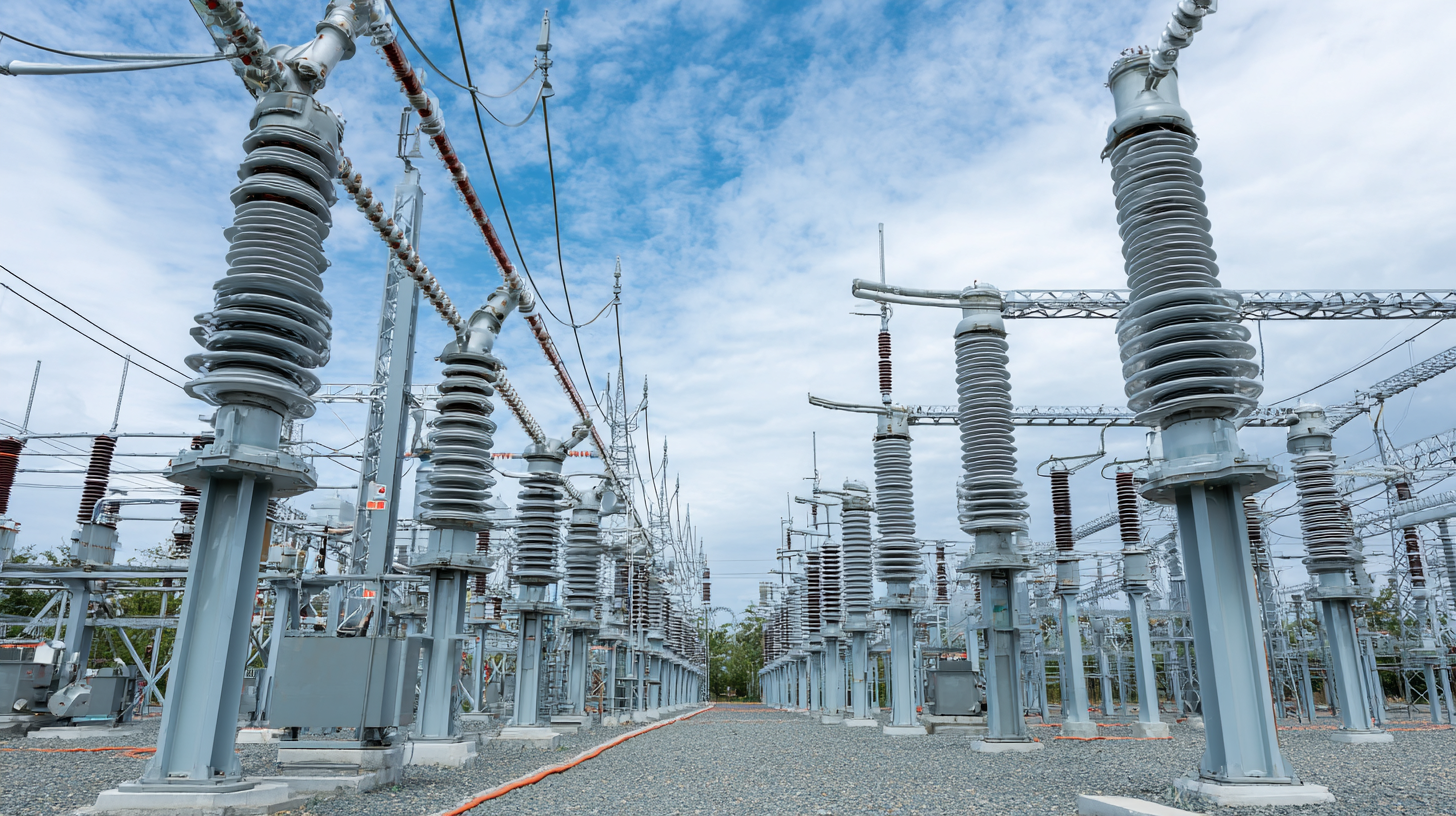 Companies like Jiangxi QOCI Electric Co. Ltd. really know their stuff—they use advanced production tech for their glass insulators, and that means their products check all the boxes for tough international standards. This is key for ensuring these insulators are both reliable and long-lasting.
Another big consideration when choosing insulators is how they're designed and engineered. You’d be surprised how creative designs can boost performance by cutting down on flashovers and beefing up pollution resistance. It’s really important for companies to pick suppliers who are all-in on R&D because that’s how you keep pushing the envelope on insulator performance. Jiangxi QOCI definitely stands out in that area—they’re all about innovating functional glass and circuit insulators, committed to not just meeting today’s needs but also staying ahead of the curve for future demands. So, if you're in the market for 11kV insulators, they've proven to be a solid choice worldwide.
Evaluating Material Options: Ceramic, Composite, and Polymer Insulators
So, when you're on the hunt for the best 11kV insulators, it’s really important to look closely at the different material options out there. You've got some solid choices like ceramic, composite, and polymer insulators, each offering their own unique benefits tailored for various high-voltage applications. Ceramic insulators, for instance, are famous for their incredible mechanical strength and their ability to withstand tough weather conditions. This makes them a go-to option for high-voltage transmission lines. Plus, they have a reputation for durability and reliable performance in all sorts of climates, which definitely gives them an advantage in traditional setups.
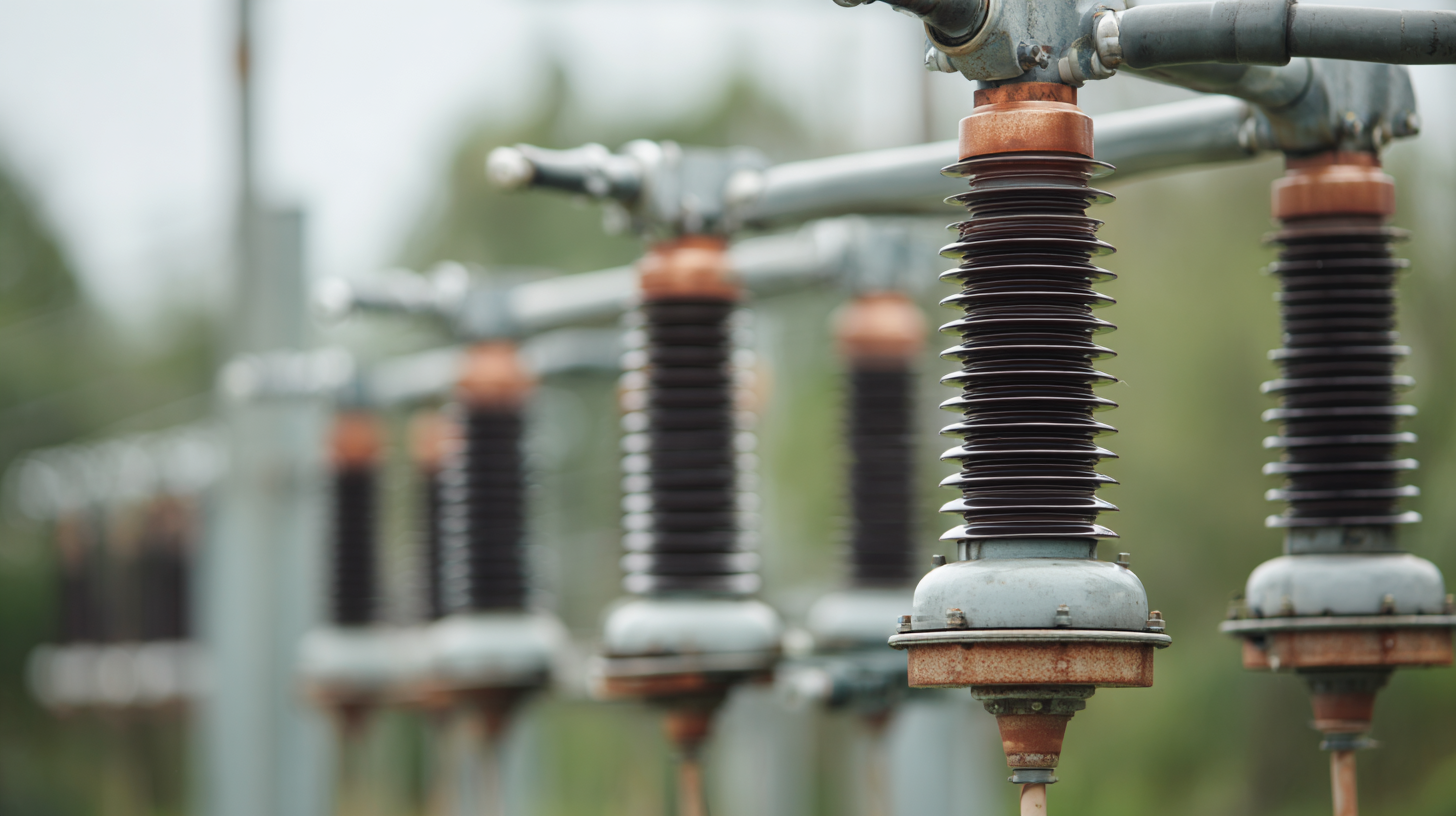
Now, on the flip side, composite materials, especially those with fiber reinforcement, are really making a name for themselves because they are so lightweight and provide fantastic electrical insulation. Take silicone rubber composites, for example. They’ve shown some amazing capabilities in high-voltage situations, striking that perfect balance between flexibility and durability. And let’s not forget about those polymer-based dielectric composites built from sustainable agricultural waste—they’re an eco-friendly alternative that's really keeping up with today’s energy demands.
When you dig into these materials, it’s not just about their insulating properties, but also about how they stack up in terms of sustainability, including the environmental impact of how they’re made. With the increasing demand for reliable and eco-conscious electrical components, getting a grip on the pros and cons of each type of material is super important for making smart sourcing choices in the electrical industry.
Global Market Trends: Sourcing 11kV Insulators from Leading Manufacturers
You know, there's been a pretty interesting shift happening in the world of 11kV insulators. A recent report from MarketsandMarkets hints that the global insulator market is on track to hit a whopping USD 17.1 billion by 2025! That’s a lot of money, right? What's super exciting is the growing demand for composite and silicone insulators. They’re not just performing better; they’re also a lot friendlier to the environment. It seems like the top manufacturers are really stepping up their game, adapting their production technologies and branching out their product lines to cater to what consumers are looking for.
Now, if you’re on the hunt for 11kV insulators, it’s super important to check out the reputation of your suppliers. **Here's a tip:** Jump online and browse through industry forums for some honest feedback on how dependable different manufacturers are and how good their products really are. Trust me, doing a little homework can save you a ton of trouble down the road and help avoid those pesky costs!
Another thing to keep in mind is the whole cost versus quality debate. **Another tip:** Take some time to compare the specs of different insulator types, like porcelain, glass, and polymer. This way, you can pin down which one suits your specific needs best. I know it might seem tempting to go for the cheaper option initially, but investing in quality materials usually pays off in the long run when it comes to maintenance and durability.
These insights are key for companies trying to navigate the tricky waters of sourcing 11kV insulators in such a competitive market. It’s all about staying ahead of the tech curve while also keeping sustainability top of mind.
7 Essential Tips for Sourcing the Best 11kv Insulators Worldwide - Global Market Trends: Sourcing 11kV Insulators from Leading Manufacturers
| Country | Key Manufacturers | Market Insights | Average Price (USD) | Market Growth Rate (%) |
| China | Leading local manufacturers | High production capacity, competitive pricing | 150 - 200 | 10% |
| Germany | Innovative technologies | High-quality standards, premium pricing | 250 - 300 | 5% |
| USA | Diverse supplier base | Focus on reliability and compliance | 200 - 250 | 7% |
| India | Emerging market presence | Expanding manufacturing capabilities | 120 - 180 | 12% |
| Brazil | Developing industry | Increasing demand for infrastructure | 140 - 170 | 8% |
Regulatory Standards and Compliance in 11kV Insulator Procurement
So, when you're looking to buy those 11kV insulators, getting a grip on the regulatory standards and compliance is super important. It’s all about keeping things safe and reliable in our electrical setups. I came across this report from the International Electrotechnical Commission (IEC) that really drives home the point: following international standards doesn’t just help reduce risks of electrical failures; it can seriously boost the lifespan of those insulators. Take the IEC 60287 standard, for example—it’s all about the thermal effects and how well electrical insulating materials perform. This standard helps both manufacturers and buyers make sure they’re getting products that meet certain performance criteria, no matter the conditions they’re up against.
But don’t forget, you also need to keep local regulations in mind. The National Electrical Manufacturers Association (NEMA) points out that sticking to local rules can really help foreign manufacturers break into new markets while giving buyers confidence in the products. Like, in countries such as India or Brazil, there are some pretty tough quality checks and certifications that will definitely sway procurement decisions. A report from the Global Insulation Tracking Institute mentioned that making sure you comply with these regulations could bump up your procurement costs by about 15%. But honestly, those long-term gains in durability and performance totally make it worth it. By focusing on regulatory compliance, you’ll end up securing top-notch 11kV insulators that not only meet industry standards but also improve your operations.
11kV Insulator Compliance by Region
This chart illustrates the compliance percentage of 11kV insulators based on regulatory standards across various regions worldwide in 2023.
Cost-Benefit Analysis: Making Informed Choices for Insulator Investment
So, when you’re on the hunt for the best 11kV insulators, doing a solid cost-benefit analysis is super important. Seriously, it helps organizations make choices that really fit with their financial and operational goals. A recent report from the International Energy Agency even mentioned that the global demand for high-voltage insulators is set to rise by around 5.2% each year until 2030. This just really shows why it's smart to invest wisely in this area.
One key piece of advice when sourcing insulators is to take a good look at the materials involved. You've got options like porcelain, glass, and composite insulators, and each of these comes with its own cost and performance quirks. For example, porcelain might be easier on the wallet upfront, but those composite ones can stand up to environmental stress a lot better, which could save you cash on maintenance in the long run. So, it’s all about balancing that initial spend against what you could save later on.
Another big tip is to check out the suppliers’ backgrounds and their warranties. A study from Market Research Future found that suppliers who offer solid warranty programs often provide insulators that don't just meet but can actually exceed industry standards. By focusing on reputable manufacturers, you can lower your risks and ensure you’re making a smart financial call when you’re sourcing those top-notch 11kV insulators from around the globe.
Enhancing High Voltage Safety: The 120kN U120BD Double-Shed Glass Insulators for IEC Compliance
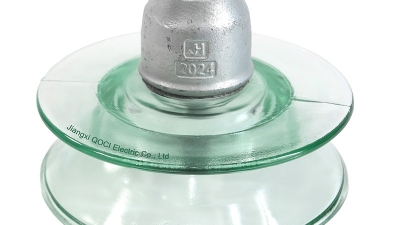
In the realm of high voltage safety, the importance of reliable insulation cannot be overstated. The latest innovation in this field is encapsulated in the 120kN U120BD double-shed glass insulators, engineered to meet IEC compliance standards. These insulators are designed to withstand harsh environmental conditions while providing exceptional performance in electrical applications. The double-shed design enhances the insulator's resistance to contamination and minimizes the risk of electrical flashover, ensuring safer operations for high voltage power lines.
Complementing the U120BD insulators, the 120kN IEC Standard Electrical Glass Insulator U120BLD and the two-winged glass suspension insulators PSD-120 B Type also contribute significantly to enhancing safety in high voltage systems. The U120 high voltage cap and pin type anti-fog glass insulator features a toughened double shed construction, further reinforcing its durability and effectiveness. Together, these products represent a significant advancement in electrical insulation technology, providing utility companies and infrastructure projects with the assurance of reliable high voltage safety. Investing in these insulators is a proactive step towards ensuring the integrity and safety of electrical infrastructure.
FAQS
: The key factors include the material used in production, design and engineering of the insulators, and the supplier's commitment to research and development.
Common materials include ceramic, composite, and polymer insulators. Each material has unique properties suited for different high-voltage applications.
Glass insulators are preferred due to their superior dielectric properties, excellent mechanical strength, and ability to withstand harsh environmental conditions.
Innovative designs can enhance performance by reducing the risk of flashover and improving pollution resistance, leading to more reliable insulator functionality.
Composite insulators are lightweight, have excellent electrical insulation performance, and demonstrate remarkable capabilities in high-voltage applications, combining flexibility with durability.
Evaluating the sustainability aspects, such as the environmental impact of production processes, is crucial as the demand for eco-friendly electrical components increases.
R&D is essential for continuous improvement of insulator functionality, ensuring that products can adapt to current and future operational needs.
Ceramic insulators are known for their robust mechanical strength, resistance to harsh environmental conditions, and long-term durability, making them ideal for high-voltage transmission lines.
Polymer-based dielectric composites, especially those made from sustainable agricultural waste, present an eco-friendly alternative that meets modern energy solution demands.
Suppliers that invest in R&D are likely to offer insulators with improved functionality and performance, ensuring reliability and longevity in various applications.