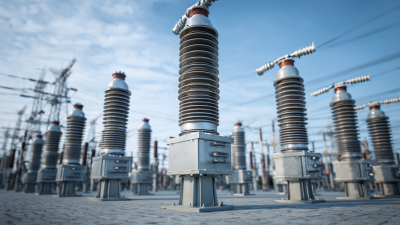
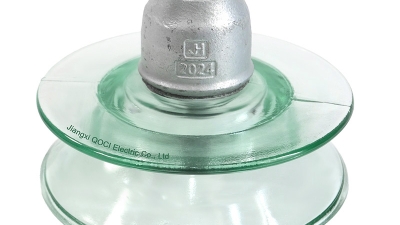
You know, in the constantly changing world of the power industry, 11kV insulators are more important than ever. As new materials and tech keep coming out, these little guys really make a big difference in keeping electrical systems reliable and running smoothly. I recently read a report from the International Energy Agency that says the global market for insulators could hit around $2.8 billion by 2025 — which just shows how much demand there is for sturdy, effective insulation solutions. Jiangxi QOCl Electric Co. LTD., started back in December 2002, has been leading the charge in this space. They've got solid production methods and a deep focus on R&D, especially when it comes to functional glass and circuit insulators. As the power sector moves toward a greener and more resilient future, all these innovations around 11kV insulators are really set to push things forward, making sure our electrical grid can handle whatever the future throws at it.
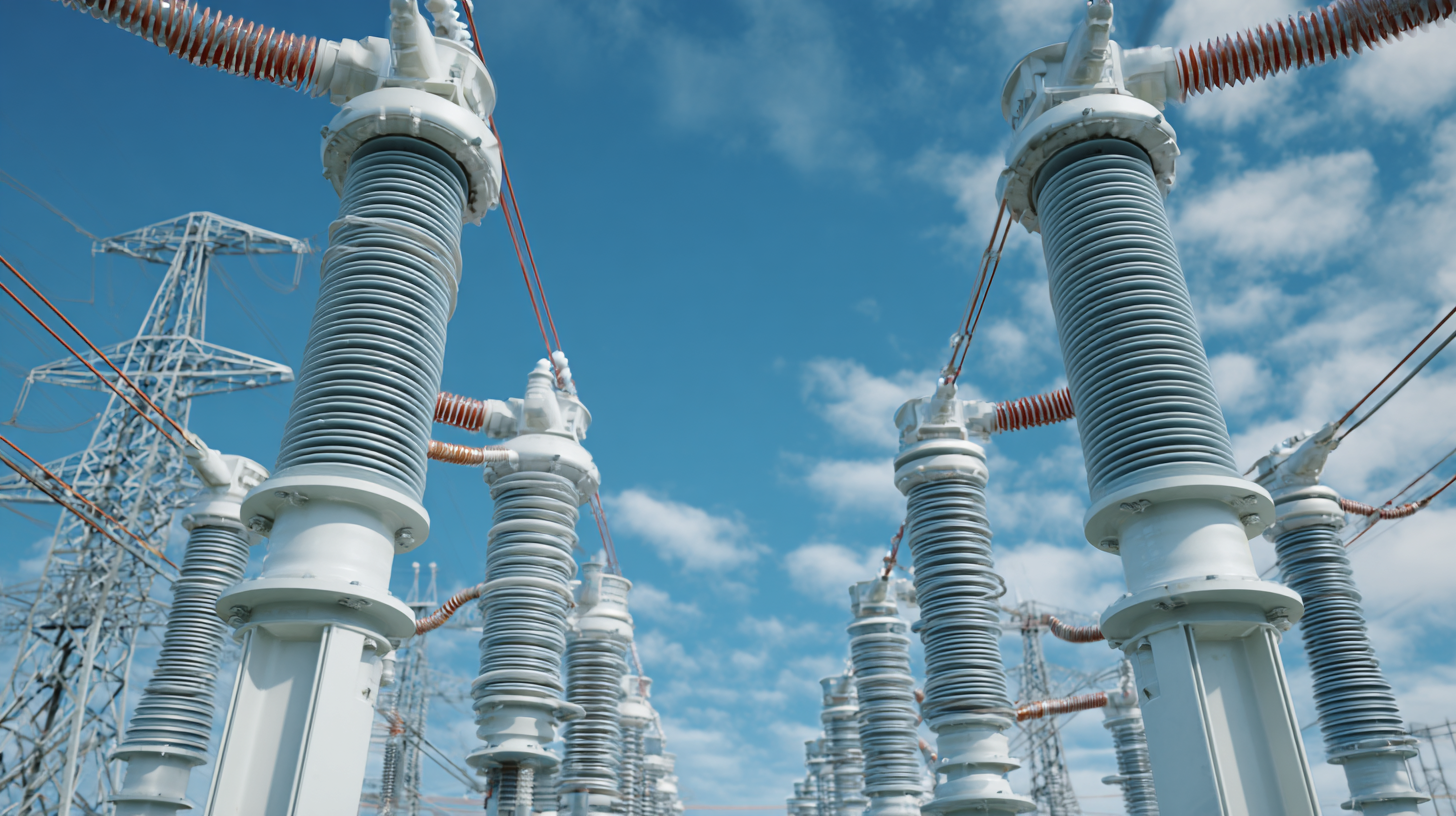
Future Trends in 11kV Insulators: An Overview of Current Innovations
The power industry is really going through a big change these days, especially when it comes to 11kv Insulators. As everyone’s looking for more efficient and reliable ways to distribute electricity, new innovations are making things better — more durable and sustainable. For example, recent advancements in materials, like using composite insulators, are pretty exciting. They’re lighter but still tough enough to handle different weather conditions, which means they last longer and cut down on maintenance costs.
And it’s not just the materials — smart tech is starting to play a big role too. More and more, insulators are fitted with monitoring systems that can give instant updates on their health. This means maintenance can be done before problems even pop up, reducing the chances of unexpected failures. This shift isn’t just about making things work smoother — it’s part of a bigger move towards smarter grids that make our power networks more reliable overall. All these innovations give us a pretty optimistic outlook for 11kV insulators, supporting a future where energy is cleaner, smarter, and more efficient.
Understanding the Role of Materials Science in Enhancing Insulator Performance
When it comes to boosting the performance of 11kV insulators, materials science plays a super important role, especially as the energy industry pushes for better efficiency and reliability. Lately, we've seen some exciting breakthroughs with polymer and ceramic materials—these are really key in helping insulators handle tough environmental conditions while also cutting down on upkeep costs. According to the latest report from IEEE, switching to advanced materials can actually boost how long insulators last by up to 40%. That means they can better resist things like pollution, extreme weather, and other harsh factors.
If you're on the hunt for good insulator materials, one tip is to go for those with high electrical resistance and thermal stability. These qualities make a big difference in how long your insulators will stay in good shape.
On top of that, recent research highlights how nanomaterials—think carbon nanotubes—bring some pretty incredible perks. They can seriously improve an insulator’s strength and electrical performance. Evidence from the Journal of Materials Science shows that insulators using nanotech tend to have higher breakdown voltages and better hydrophobic properties, meaning water is less likely to cause issues.
So, yeah—keeping an eye on the latest in nanomaterials and new innovations is definitely worth it, especially if you want power systems that perform well and last longer in today’s demanding environment.
Data-Driven Insights: Analyzing the Failure Rates of Traditional Insulators
You know, the reliability of electrical insulators really plays a huge role in keeping our power systems running smoothly, especially with electricity demand skyrocketing these days. While traditional insulators have done their job pretty well over the years, we've seen enough failures to realize that we need some fresh, innovative solutions. Luckily, with all the recent data we’ve collected, engineers are starting to spot the patterns behind these failures—kind of like clues—helping them pinpoint weak spots in design and materials. By diving into real-world data, companies can jump in early to fix problems before things break down unexpectedly or cost a fortune in repairs. That’s a big step forward in making our power grid more reliable, don’t you think?
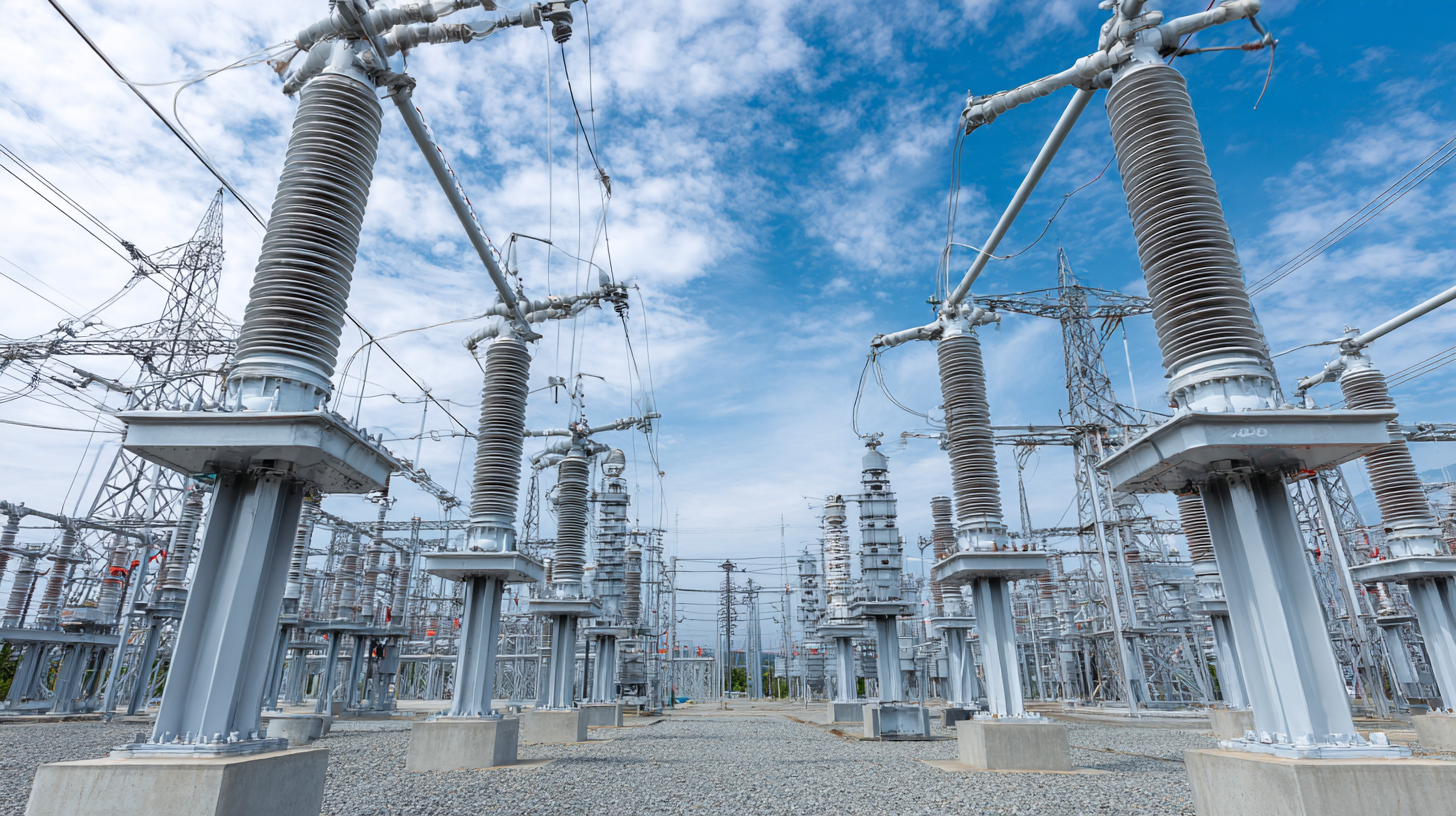
And based on these insights, it’s clear we really need to adopt smarter monitoring techniques. Take, for example, this new method for on-line monitoring of insulation health in AC motor and generator stator windings. It’s pretty exciting because it uses continuous data collection to give a full picture of how good or bad the insulator is—so issues can be spotted early enough to prevent failures. Looking ahead, these kinds of advancements won’t just make things more efficient but will also help us meet the rising energy needs in a way that’s better for the environment. Basically, the future of 11kV insulators looks promising, and these new techs are a big part of that progress.
Sustainable Solutions: The Impact of Eco-Friendly Materials on the Power Industry
The power industry is going through some pretty big changes lately, all because there's a real push for more sustainable and eco-friendly solutions. Things like 11kV insulators are at the center of this shift—everyone’s looking for options that not only get the job done well but also help protect the environment. I read a recent report from the International Energy Agency (IEA), and it’s pretty eye-opening. They’re saying that by 2030, around 60% of the world's electricity could come from renewable sources. Crazy, right? With this kind of move, the industry definitely needs to start using insulators that are effective AND more environmentally conscious.
Lately, there’s been some pretty exciting innovations too—materials like silicone, polymers, even bio-based composites are really making waves. For instance, studies from the Electric Power Research Institute (EPRI) show that silicone insulators can cut down pollution-related failures by up to 40% when compared to the old-school ceramic ones. Plus, more companies are now leaning into recycled materials for manufacturing, which is a nice step towards cutting down their carbon footprint. Choosing greener insulators isn’t just good for the planet; it also makes the power grids work more efficiently. All in all, it’s pretty clear that these changes are reshaping the whole industry for the better—and honestly, it’s an exciting time to watch this space evolve.
Innovations in 11kV Insulators: The Impact of Eco-Friendly Materials
Smart Technology Integration: How IoT is Shaping Insulator Monitoring
You know, the way smart technology is really shaking up the insulator side of the power world is pretty impressive. Companies like Jiangxi QOCI Electric Co. Ltd. are actually leading the charge in this shift. As IoT keeps growing, we've seen huge improvements in how we monitor 11kV insulators — it’s all about making things safer and more reliable, for sure. I recently came across a report from MarketsandMarkets that projects the global smart insulator market will hit around $5.9 billion by 2025. That’s a pretty solid sign that demand for smarter monitoring solutions is skyrocketing.
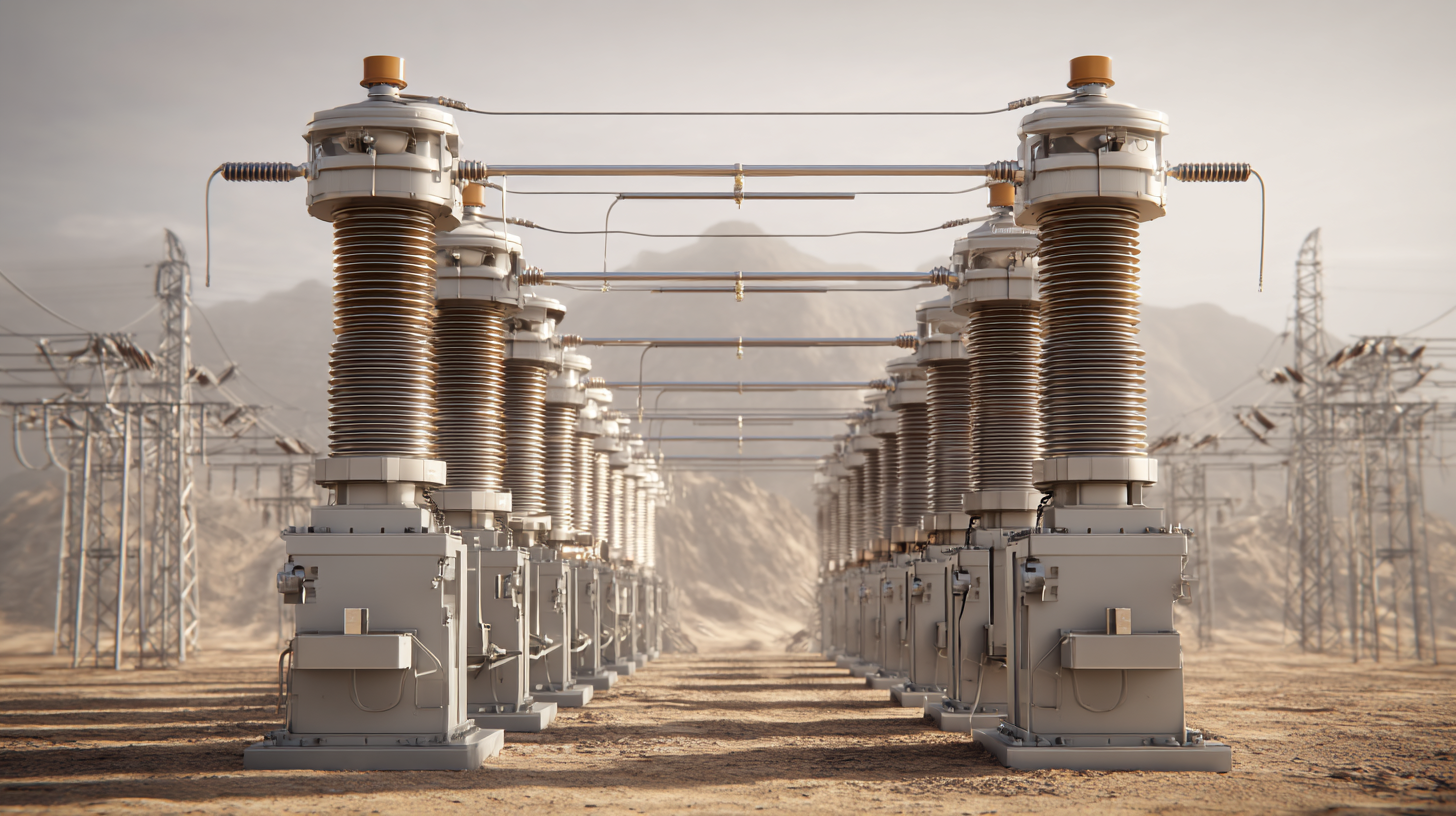
At Jiangxi QOCI, our team’s deep experience with glass insulators has really helped us incorporate the latest IoT tech into our products. What’s cool is that these upgrades let us gather real-time data on how insulators are performing — which means we can catch issues early, cut down on failures, and save money on maintenance. Research from the Electric Power Research Institute (EPRI) even shows that predictive maintenance can slash operational costs by as much as 30%. Taking a proactive approach to insulator health not only extends the lifespan of power lines but also keeps the entire grid more stable. Honestly, it just shows how crucial smart tech has become in today’s energy scene, right?
Case Studies: Successful Implementations of Advanced 11kV Insulator Designs
Over the years, the design of 11kV insulators has really come a long way, making power distribution way more reliable and efficient. I came across a case study from the IEEE Power and Energy Society that shows how switching to composite insulators in different areas has dropped maintenance costs by as much as 30%. These newer designs, which use innovative materials, are especially handy in city environments where pollution and bad weather can really take a toll on old-school porcelain insulators.
There’s also this other study from the Electrical Engineering Journal that caught my eye. It talks about how smart insulator tech is making a big difference in a major European city. Basically, by adding sensors to the 11kV insulators, utility companies can now keep an eye on how everything’s working in real-time, spot potential issues before they become serious, and plan maintenance better. Since they rolled out these smart features, outage rates dropped by about 25%, which totally boosts service reliability and makes customers happier. It’s pretty awesome how these innovations show the industry’s push to use tech smarter and build a stronger power grid. And hey, this definitely opens doors for even more cool upgrades down the line.
Envisioning the Future of 11kV Insulators: Innovations Driving the Power Industry Forward
| Project Name | Location | Insulator Type | Installation Year | Key Innovation | Benefits |
| Project Alpha | City A, Country X | Composite | 2021 | Enhanced UV Resistance | Reduced Maintenance Costs |
| Project Beta | City B, Country Y | Porcelain | 2022 | Smart Monitoring | Improved System Reliability |
| Project Gamma | City C, Country Z | Glass | 2023 | Self-Cleaning Surface | Lower Pollution Impact |
| Project Delta | City D, Country W | High Voltage Composite | 2020 | Lightweight Design | Easier Installation |
Enhancing High Voltage Line Safety with 120kN U120BD Double-Shed Glass Insulators: A Comprehensive Guide
In the ever-evolving landscape of high voltage line safety, the implementation of robust insulator systems is crucial. The U120BD double-shed glass insulators, designed to withstand 120kN tensile strength, provide an excellent solution for enhancing the reliability and safety of high voltage transmission lines. According to the International Electrotechnical Commission (IEC) standards, these insulators have demonstrated superior performance in resisting environmental challenges, such as pollution and humidity, ensuring minimal flashover incidents and maximizing operational efficiency.
The U120 series, particularly the U120BLD double-shed type, embodies advanced engineering with its toughened glass construction that ensures durability and longevity. These insulators incorporate a unique anti-fog design, making them highly effective in diverse weather conditions. A recent industry report indicated that systems utilizing high-quality glass insulators like the U120 exhibit a 30% reduction in maintenance costs due to decreased failure rates, thus proving their value in long-term financial planning for utility companies.
Additionally, the Two-Winged Glass Suspension Insulators, specifically the PSD-120 B Type, offer versatile applications for various high voltage line configurations. With their platform designed for high tensile strength and resistance to dynamic loads, these insulators are particularly suited for mountainous and rugged terrains where the risk of mechanical stress is elevated. Ensuring the integration of high-performance insulators such as the U120BD and PSD-120 strengthens the overall safety protocol for electrical infrastructure, ultimately leading to increased reliability and service continuity.
FAQS
: Current innovations in 11kV insulators include the use of composite materials that enhance performance, reduce weight, and improve resistance to environmental factors, leading to longer service life and decreased maintenance costs.
Materials science enhances the performance of insulators through the development of polymer and ceramic materials that withstand environmental stresses, potentially increasing durability by up to 40% against pollution and weather extremes.
Nanomaterials, such as carbon nanotubes, can significantly improve mechanical strength and electrical performance of insulators, resulting in higher breakdown voltages and better hydrophobicity.
Smart technologies enable the development of intelligent monitoring systems that provide real-time data on insulator health, promoting proactive maintenance and reducing unexpected failures, thus enhancing operational efficiency.
The failure rates of traditional insulators highlight the need for innovative solutions and have prompted engineers to use data-driven insights to identify design and material weaknesses.
A new approach for on-line monitoring of insulation conditions employs continuous data acquisition to assess insulator health, facilitating timely interventions and reducing the risk of failures.
Advanced materials improve the resilience of insulators, leading to longer service life and fewer maintenance requirements, which can significantly reduce overall maintenance costs.
11kV insulators are evolving through advancements in materials and smart technologies, aiming to support increasing energy demands while promoting sustainability in power distribution networks.
When selecting insulator materials, prioritize those with high electrical resistance and thermal stability, as these properties are key to extending service life.
Recent findings on the performance and reliability of insulators inform improvements in design and materials, driving the power industry towards more efficient and sustainable practices.
Conclusion
As the power industry keeps evolving, the future of 11kV insulators is really being shaped by some pretty exciting innovations that boost their performance and reliability. In this post, I wanna share some of the latest trends—like how materials science is playing a huge role in developing high-quality insulators. We're now seeing a shift towards eco-friendly materials and using data analysis to better understand and reduce failure rates. Oh, and with smart tech and IoT becoming more integrated, we've got real-time monitoring of insulators that makes maintenance way more proactive and efficient.
Here at Jiangxi QOCl Electric Co. Ltd., we’re all about riding the wave of these innovations. Our expertise in glass insulators and functional circuit insulators helps us contribute to pushing the industry forward. We’ve got some great success stories showing how smarter, better-designed 11kV insulators can make power systems more sustainable and efficient. It’s all about paving the way for a greener, more reliable energy future—and we’re excited to be part of that journey.