Leave Your Message
Hey there! Let’s talk a bit about electrical engineering and the materials that make it all tick. One material that really stands out is the glass insulator, or as it's fancy called - the "Isolateur En Verre." It’s been around for ages and is well-loved for its toughness and great resistance to electricity. At Jiangxi QOCI Electric Co. Ltd., which kicked off way back in December 2002 in Jiangxi Province, China, we’ve really got our act together in making top-notch glass insulators using some solid production tech. We're all about research and development, which means we're constantly cooking up new and improved glass and circuit insulators to keep up with what the industry needs. So, in this blog, we’re going to dive into the nitty-gritty of glass insulators, focusing on the best ways to install them. Understanding this stuff is super important for any engineers or technicians out there who want to boost the reliability and performance of electrical systems. Stick around as we explore the fascinating world of glass insulators and why they're such a great choice!
You know, glass Insulators really play a crucial role in our electrical systems because of their unique characteristics and reliable performance. One standout feature is their impressive dielectric strength, which means they can handle high voltage without leaking much current. This is super important for keeping our electrical transmission lines running smoothly, especially when the weather gets crazy. Plus, glass insulators are tough cookies when it comes to UV damage and other environmental factors, so they can hold up really well over the years.
Another cool thing about glass insulators is that you can actually see through them! This transparency makes it way easier to spot any wear and tear. Unlike porcelain insulators, which can hide cracks, glass lets you catch issues early on, so you can fix or replace them before they become a big problem. And get this: they’re also less likely to shatter if they take a hit, thanks to some smart advancements in materials. This toughness not only cuts down on maintenance costs but also makes things safer for utility workers and the environment around them. Knowing these features can seriously help you choose the right insulators for different needs, ensuring you get the best performance and durability out of them.
You know, really grasping the concept of insulation strength is super important when it comes to getting the best performance out of glass insulators. This insulation strength is what determines how well these materials can handle all sorts of environmental pressures, like knocks and temperature swings. Recently, there have been some cool innovations in insulation materials, like this new glass composite that takes cues from nature—kind of like the tough structure of a mollusk's shell combined with a gel that stiffens under pressure. It’s a neat advancement that offers better thermal insulation while also upping the impact resistance. And let’s be honest, glass insulators have a pretty tough job: not only do they need to keep the electricity in check, but they also have to hold up against some pretty harsh weather out there.
On another note, exploring eco-friendly insulation options really drives home the idea that sustainability should be front and center in our material choices. There's some fascinating research going on about thermal insulation materials made from things like cellulose and rice husk. It’s pretty encouraging to see the potential of using recycled materials in construction! These kinds of changes can really boost insulation performance while also doing our bit for the planet. As studies dig into the significance of insulation for high-voltage applications and look at various materials—like polyolefins and vacuum insulation panels—it becomes clear that getting a solid grip on insulation strength and material properties is key. This way, we can enhance the performance and lifespan of glass insulators out there in the field.
When it comes to glass insulators, knowing what they’re made of is super important for making sure they perform well and last a long time. So, here’s the deal: glass insulators are typically crafted from a mix of silica, sodium carbonate, and a few other oxides, all blended together at really high temperatures. This melting process creates a material that handles electrical stress like a champ and also stands up to things like moisture and UV rays. The exact mix and how it's made can really change how durable the insulator is, plus its electrical properties and how it looks.
Now, let’s chat about the type of glass that gets used. Manufacturers often play around with different kinds, like clear, amber, or green glass, each with its own quirks. For example, clear glass is great for visibility and doesn’t soak up too much light, while the colored stuff can actually help shield against UV damage. Plus, there’s the surface texture to think about, too—smooth finishes are awesome for keeping dirt away, but a textured surface can actually help with electrical performance by giving moisture a better route to escape. Knowing all these details really helps you make smart choices when picking and installing glass insulators, which means better, more reliable electrical systems in the long run.
When you're putting in glass insulators, it's super important to stick to best practices if you want them to last and work properly. First off, you should pick high-quality glass that meets the right industry standards, like those laid out in the ANSI/IEC specs. This stuff is designed to be tough and stand up against whatever nature throws at it. And when you're installing, remember to handle the glass carefully—if you're not cautious, you might just end up with breakage. It’s kinda like handling window glass; you definitely don’t want any accidents, especially in places where the weather can get really nasty. Fun fact: studies show that about 70% of window damage isn’t from the elements, but from poor installation. Crazy, right?
Also, don’t forget that things like hail can really mess with how well those glass insulators hold up. So, having some protective measures in place—maybe some screens or tweaking the installation angle—can really help fend off hail damage. Research has shown that projects that take these proactive steps can slash environmental risks by a solid 40%. And let’s not forget about safety. Making sure everyone involved in the installation is safe is key. Following safety protocols doesn’t just protect the workers; it also leads to better quality installations, which means fewer headaches down the line. With good training on how to handle and install glass, the chances of accidents drop significantly, leading to a safer and more efficient work environment overall.
| Specification/Best Practice | Details | Advantages | Common Mistakes |
|---|---|---|---|
| Material Quality | Use high-quality glass materials resistant to harsh weather. | Increases longevity and reduces maintenance costs. | Using low-grade glass which may fail prematurely. |
| Proper Installation Height | Install insulators at recommended height to avoid contaminants. | Reduces the risk of interference and ensures performance. | Installing too low, leading to dirt accumulation. |
| Inspection and Maintenance | Regularly inspect for damage and perform cleaning. | Enhances reliability and operational efficiency. | Neglecting inspections, risking system failure. |
| Correct Torque Settings | Follow manufacturer specifications for bolt tightness. | Ensures safety and functionality of the installation. | Over-tightening or under-tightening bolts. |
| Use of Compatible Hardware | Ensure all hardware used is compatible with glass insulators. | Prevents issues related to corrosion and mechanical failure. | Using mismatched or non-recommended hardware. |
So, let’s talk about installing glass insulators. You really want to steer clear of some common blunders, because trust me, they can make a huge difference in how well these things perform and how long they last. One big mistake folks make is not getting the alignment right during installation. It’s kind of like that time you tried to upgrade your computer’s RAM and ended up putting it in wrong – it’s super important to position everything just right. If these insulators are misaligned, it can stress them out and lead to premature failures or just straight-up inefficiencies.
Another thing to keep an eye on? Not paying attention to what the manufacturer says. Think about it: when you're working on machine learning models, sticking to the guidelines is key to getting solid results. The same goes for glass insulators. You really need to match them with the specified load and the conditions they’ll face. Skipping over these details can lead to some pretty poor choices that could mess with the whole system's reliability.
And hey, don’t forget to secure those insulators properly, okay? Just like you’d make smart moves to protect your investments in the stock market, you want to make sure those glass insulators are installed tight and secure. That way, you can avoid issues from stuff like extreme weather or accidental bumps. By keeping all these common pitfalls in mind, you can really maximize the performance of glass insulators, making sure they’re durable and efficient for the long haul.
You know, keeping an eye on glass insulators is super important if we want them to last, especially in industries like oil and gas. I came across this report recently that really dug into the problem of corrosion under insulation (CUI), and wow, it’s a big deal! It turns out that CUI might be responsible for up to 70% of the corrosion failures we see in insulated piping systems. That’s no small number. So, sticking to a regular maintenance routine for glass insulators is key. It can really help companies dodge those expensive downtimes and keep everything running smoothly.
When it comes to inspections, we should be on the lookout for any signs of wear and tear or stress in the glass insulator itself, along with checking out the insulation materials around it. Industry guidelines suggest that we should do a visual inspection at least once a year and dive into a more thorough check every five years. Plus, if we follow best practices during installation and try to minimize exposure to environmental factors, it really helps protect these components. By making sure our installation is solid and sticking to proactive maintenance and inspection strategies, we can boost their performance and extend the life of those glass insulators. This ultimately leads to safer and more efficient operations in the oil and gas arena.
Maximizing Electrical Safety: The Benefits of the 70kn High Voltage Glass Insulator CTV 254
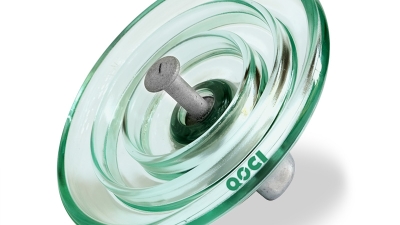
When it comes to ensuring electrical safety in high-voltage power transmission systems, the CTV 254 glass insulator stands out as a premier choice. Designed for voltage levels ranging from 10 kV to 330 kV, this insulator boasts a robust diameter of 254 mm and an impressive creepage distance of 320 mm. The mechanical integrity is underscored by its ability to withstand a minimum mechanical failing load of 70 kN, making it a reliable option for maintaining the stability of electrical grids.
One of the defining features of the CTV 254 insulator is its long-lasting performance, particularly in the demanding conditions of the Algerian market. This product has shown exceptional durability, continuing to provide excellent mechanical and electrical properties even after 30 years of continuous service. Such longevity not only maximizes electrical safety but also reduces the frequency of replacements and associated costs, leading to more efficient power management for utility providers.
Incorporating the CTV 254 glass insulator into power transmission infrastructure is a proactive step toward enhancing electrical safety. With its proven resilience and high-performance standards, it ensures reliable operation and significantly contributes to the overall stability of high-voltage systems, making it an invaluable asset for any aggressive energy landscape.
: Glass insulators are traditionally made from a mixture of silica, sodium carbonate, and other oxides, melted together at high temperatures.
The choice of glass type is important because different glass variants, such as clear, amber, or green, have unique properties affecting visibility, UV protection, and overall performance.
One common installation mistake is improper alignment during installation, which can increase stress on the insulators and lead to early failure.
Neglecting the manufacturer's specifications can result in choosing inappropriate glass insulators that compromise the reliability and effectiveness of the electrical system.
Routine inspections are crucial, focusing on signs of degradation or stress in the insulator and maintaining the integrity of surrounding insulation materials.
Visual checks should be performed at least annually, while more comprehensive inspections are recommended every five years.
Implementing best practices for installation and minimizing environmental exposure can help protect glass insulators.
Regular maintenance plays a vital role in mitigating corrosion risks, which can account for a significant percentage of failures in insulated piping systems.
Insecure installation can lead to performance issues, increasing the risk of damage from environmental factors and other hazards.
Smooth finishes can minimize dirt accumulation and enhance performance, while textured surfaces can improve electrical performance by providing better moisture leakage paths.