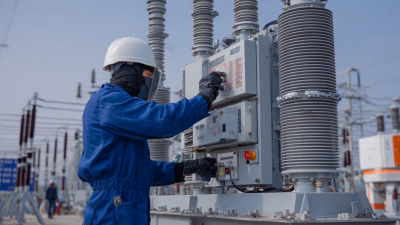
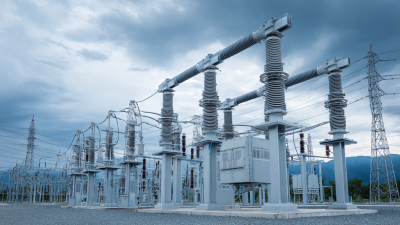
These days, with how quickly electrical systems are changing, you really can't underestimate the importance of reliable components. Take the glass Insulator 100b, for example — it's become pretty much essential because it offers incredible electrical insulation and is super durable. Industry insiders say that the need for good insulators is expected to grow by more than 5% a year, thanks to more infrastructure getting electrified and the rise of renewable energy projects. A company called Jiangxi QOCl Electric Co. LTD., which started back in December 2002 in Jiangxi Province, China, has really made a name for itself. They've got some pretty advanced manufacturing tech and invest heavily in R&D, especially when it comes to functional glass and circuit insulators like the Glass Insulator 100b. Thanks to that, they're in a solid spot to supply modern electrical systems with what they need, making sure energy transmission stays safe and efficient.
The Role of Glass Insulators in Electrical System Efficiency
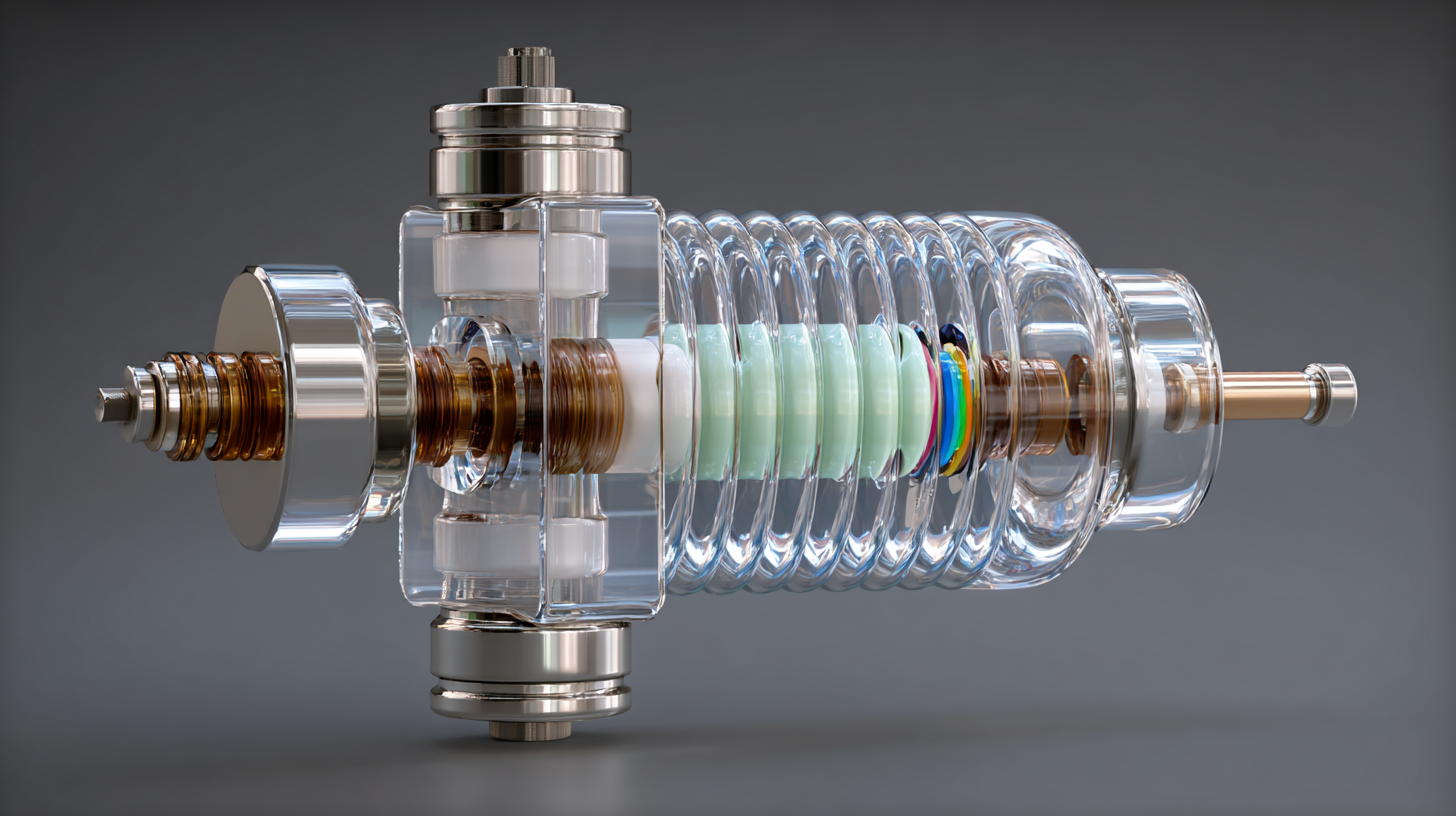
You know, glass insulators—especially the 100b model—are really key when it comes to making modern electrical systems run smoothly. These little guys are essential because they keep transmission lines in check, letting them handle higher voltages without wasting energy. The fact that glass doesn’t conduct electricity means there's no pesky leakage, so energy stays put and travels longer distances efficiently. And honestly, that kind of efficiency is a big deal now, with everyone needing more and more power around the world.
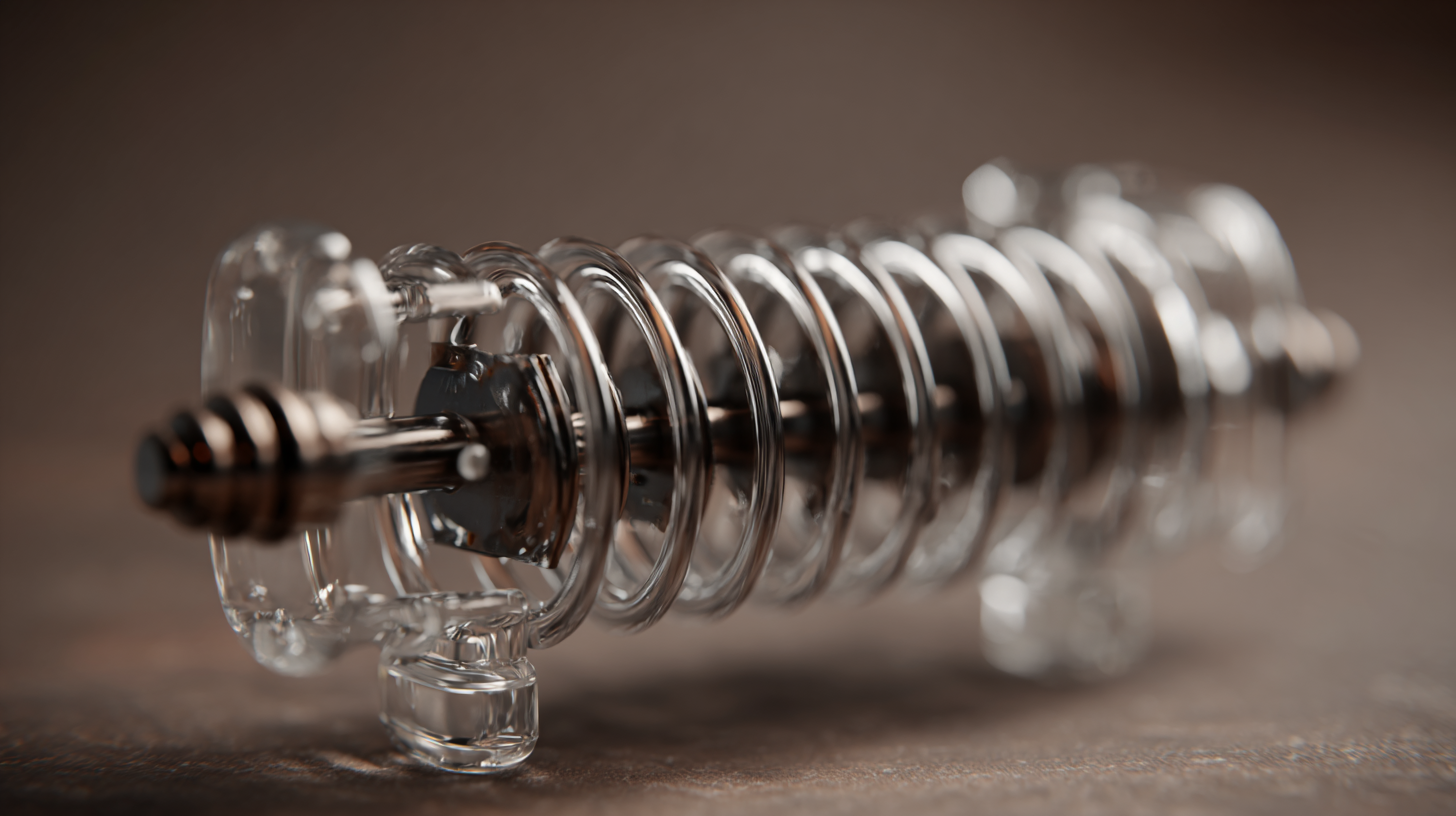
Plus, these glass insulators are built tough. They can handle some pretty tough weather conditions, which means they last longer and don’t need to be replaced all the time. That durability helps keep the whole power system running smoothly and reliably. When you think about substations and distribution networks, these 100b insulators do a lot of heavy lifting—they help keep things quiet and efficient. In the end, having reliable insulators like these is super important for avoiding blackouts and making sure our electrical grid keeps up with society’s growing energy needs.
Key Benefits of Using 100b Glass Insulators in Modern Infrastructure
In today's electrical systems, using 100b glass insulators is pretty much essential because of how well they perform and the many benefits they bring. These insulators do a fantastic job at keeping electrical currents isolated and are tough enough to resist damage from the environment. That means they help keep the whole system safe and reliable. Their ability to handle really high voltages and stay intact across different temperatures makes them perfect for modern setups, where safety isn’t something to take lightly.
Plus, they last a long time and don’t need much fussing over. Unlike some older materials that tend to wear out, glass insulators stand up well against moisture, UV rays, and chemicals. This durability helps utility companies cut down on maintenance costs and keeps everything running smoothly. As industries move more towards sustainability and efficiency, switching to 100b glass insulators really shows how we’re embracing smarter, more resilient tech for our power grids. It’s all about making our infrastructure more robust and future-ready.
Impact of Glass Insulators on System Longevity and Durability
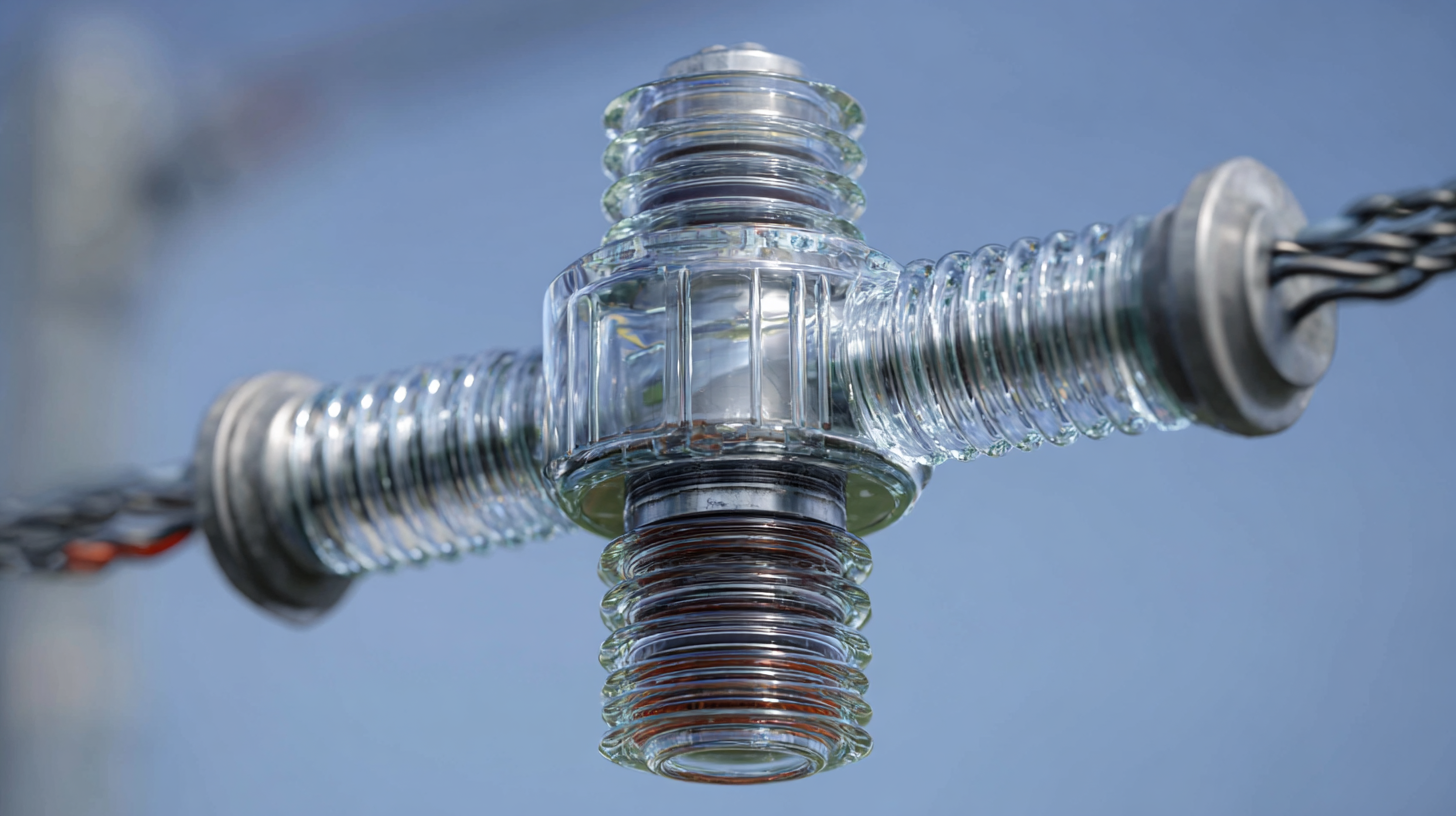
Glass insulators, like the Good Old Glass Insulator 100b, really play a huge part in making modern electrical systems last longer and stay tough. They’re built to handle all sorts of tough conditions—think extreme temperatures, UV rays, and humidity. The fact that glass resists corrosion means these insulators keep working well over time, which helps cut down on electrical failures and outages. Unlike some older materials, glass doesn’t break down or lose its insulating magic, so it’s a major reason why transmission and distribution systems stay up and running longer.
And honestly, they’re great at preventing electrical leaks, which means less energy wasted and less stress on the equipment. Plus, their sturdy build helps them perform reliably even under high voltage loads—something that’s super important for keeping things stable. All this adds up to fewer maintenance troubles and fewer replacements, saving utility companies some cash. As our electrical needs grow more complex, it’s clear that glass insulators are an absolute must-have for keeping systems durable and dependable.
Basically, these insulators aren’t just a leftover from the past—they’re a smart choice today and tomorrow for keeping our electrical grids in good shape.
Comparison of Glass Insulators and Other Materials: Why 100b Stands Out
You know, glass insulators, especially the model 100b, are really gaining recognition these days for how well they perform in modern electrical setups. Compared to the more traditional options like porcelain or polymers, glass insulators bring a pretty unique mix of durability, good electrical resistance, and resilience against weather and environmental conditions. The 100b model, with its clever design, packs a punch when it comes to dielectric strength, which helps cut down energy losses and makes power transmission more efficient — especially important in high-voltage systems where you can't afford any hiccups.
On top of that, they actually look pretty nice and tend to last a long time. Unlike porcelain, which can crack or break under extreme conditions, glass insulators keep their shape and performance over the years. The fact that they're transparent? Super handy — it makes spotting dirt or pollution on the surface a lot easier, so maintenance can be done quickly before it causes problems. Now, polymer insulators are lighter and more flexible, but they’re not quite as tough — sunlight and temperature swings can cause them to degrade faster. So, really, the 100b glass insulator isn’t just about tech specs; it’s about practicality and longevity, which makes it a pretty essential part of today's electrical infrastructure.
Comparison of Insulator Materials for Electrical Systems
Innovative Applications of Glass Insulators in Renewable Energy Systems
You know, glass insulators, especially the 100b model, are really starting to play a bigger role when it comes to integrating renewable energy systems. This is especially true in cool hybrid setups like solar-biomass combos. Take the SolBio-Rev project, for example — it’s funded by the EU’s Horizon 2020 initiative, and it shows how these technologies can work hand-in-hand with glass insulators to boost energy efficiency in homes. They’re super important for managing those high voltages in these hybrid systems, helping everything run smoothly and reliably. Honestly, it’s a big step toward more sustainable solutions that can handle the impacts of climate change.
Plus, with all the progress in eco-friendly building materials, it’s clear that modern innovations like glass insulators should be part of designing energy-efficient buildings. There was this recent study on green construction that pointed out how using advanced materials can cut energy use by over 30%. As buildings get smarter and greener, those trusty glass insulators not only add strength and durability to structures but also improve how we manage energy. All of this makes renewable energy solutions even more effective as architecture keeps evolving in this direction.
Why Glass Insulator 100b is Essential for Modern Electrical Systems - Innovative Applications of Glass Insulators in Renewable Energy Systems
| Application Area | Insulator Type | Dielectric Strength (kV/mm) | Environmental Resistance | Temperature Range (°C) |
| Wind Energy | Glass Insulator 100b | 30 | High | -50 to 70 |
| Solar Energy | Glass Insulator 100b | 25 | Moderate | -40 to 85 |
| Transmission Lines | Glass Insulator 100b | 35 | Very High | -60 to 90 |
| Electric Vehicles | Glass Insulator 100b | 28 | High | -30 to 75 |
| Hybrid Energy Systems | Glass Insulator 100b | 32 | High | -40 to 80 |
Future Trends: Advancements in Glass Insulator Technology and Design
You know, the way glass insulator tech is evolving really is changing the game for modern electrical systems. It’s like, with new high-performance glass formulas and smarter design tweaks, these insulators are becoming tougher and more functional than ever. And honestly, it’s pretty impressive how they’re built to handle crazy weather, which means utilities don’t have to fork out as much for maintenance. All of this is steering us toward a more sustainable energy future, for sure.
When you’re choosing glass insulators for your setup, it’s a good idea to think about the environment they'll be facing. Special types of glass can really hold up against temperature swings and UV damage—so they last longer. Oh, and don’t forget to check out the latest specs and performance data, just to make sure they’re up to the task for what you need.
Looking ahead, it’s fascinating to see how focus on eco-friendly materials and smart tech is really shaking things up. Companies are working on greener options that cut down on environmental impact but still pack a punch in performance. Plus, with the rise of IoT, these insulators could soon be smarter—giving real-time data and helping predict issues before they happen. That means more reliable systems and fewer surprises. Pretty cool, right?
FAQS
: Glass insulators enhance the longevity and durability of electrical systems by withstanding extreme environmental conditions, maintaining functionality over time, and reducing the risk of electrical failures and outages.
Unlike traditional materials, glass insulators do not degrade or lose their insulating properties, which significantly contributes to the overall lifespan of transmission and distribution systems.
Glass insulators provide excellent electrical insulation, minimizing leakage currents and energy loss, while their robust construction ensures stable performance under high voltage conditions, which is crucial for reliable electrical infrastructure.
By ensuring systems remain operational for extended periods, glass insulators lower maintenance and replacement costs, making them an economical choice for utility companies.
Glass insulators, particularly the 100b model, are crucial in renewable energy systems like the solar-biomass hybrid model, enhancing energy efficiency and facilitating stable operations in innovative energy solutions.
Modern innovations like glass insulators improve structural resilience and energy management in energy-efficient buildings, supporting the overall efficiency of renewable energy applications.
Glass insulators help manage high voltages in hybrid renewable energy systems, enabling stable and reliable operations necessary for sustainable energy solutions amid climate challenges.
A study on energy-efficient construction indicates that advanced materials like glass insulators can cut energy consumption by over 30%, emphasizing their pivotal role in modern building designs.
The corrosion-resistant properties of glass insulators ensure they maintain their functionality over time, reducing the likelihood of failures and enhancing system reliability.
As reliance on advanced electrical systems increases, the advantages of glass insulators in promoting durability and reliability make them essential for the evolving demands of the energy sector.
Conclusion
So, I was reading this article called 'Why Glass Insulator 100b is Actually a Game-Changer for Modern Electrical Systems,' and honestly, it got me thinking about how important these glass insulators really are. The piece does a great job explaining why the 100b model, in particular, plays such a crucial role in making our electrical setups more efficient. It’s packed with stuff about how using 100b insulators can really boost the lifespan and durability of the whole system—kinda like giving your infrastructure a bit of a boost. They also compare glass insulators to other materials, and it’s pretty clear why 100b stands out in terms of performance and reliability. Plus, they talk about some pretty cool newer uses, like in renewable energy projects, and even peek into what the future might hold for these insulators' tech and design.
By the way, Jiangxi QOCI Electric Co. Ltd.—they’ve been in the game for over 20 years. They leverage some really advanced tech and top-notch research to make high-quality glass insulators, including the 100b model. Their focus on innovation and quality really makes them stand out in the industry, helping push the development of more efficient and longer-lasting electrical systems. It’s pretty impressive, honestly.