You know, glass Insulators are actually pretty important when it comes to electrical utility systems. They’re basically like the shield for electrical wires, making sure electricity flows smoothly without any glitches. But have you ever wondered how these little devices actually do their magic? Well, they’re made from tough materials that can really stand up to electrical currents, and since they’re transparent, it’s pretty easy to spot any cracks or defects. Pretty clever, right?
Manufacturers like RUSSELL INSULATORS stress how vital both good quality and clever design are for these insulators. Even though they’re super useful, there’s some talk about how long certain types of glass last. Over time, some can get brittle, which makes people question just how reliable they really are. And although glass insulators can handle all sorts of weather—rain, snow, sun—they’re not totally indestructible. Damage can still happen.
One of the reasons these insulators are so popular is because they look pretty cool. Collectors love them for their vintage vibe and unique styles. But sometimes, that perks their aesthetic appeal more than their actual job! As new tech and designs come along, it’s really important to find a good balance between looks and function. Understanding the ins and outs of glass insulators isn’t just for the geeks—both consumers and industry folks should know what makes them tick. All these factors—technical and visual—really make you think about how these little things fit into our modern world.
What is a Glass Insulator?
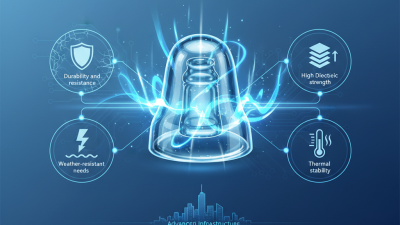
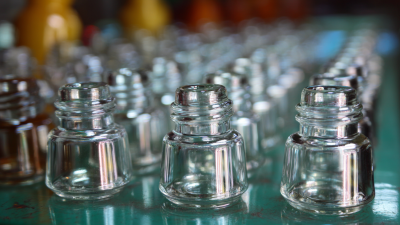
Glass insulators are essential components in electrical transmission systems. They provide a way to keep electrical wires suspended above the ground or other structures. Made primarily from glass, these insulators are valued for their durability and resistance to weather conditions. Their transparent nature allows for easy inspection, ensuring they can function correctly over time.
When electrical lines carry high voltages, insulators play a crucial role in preventing short circuits. The glass material has excellent electrical insulating properties, making it ideal for this function. Additionally, glass insulators offer resistance to ultraviolet light and thermal stress. Despite their advantages, they can be fragile and may break if subjected to physical impacts or extreme temperatures.
Monitoring these insulators is vital to ensure their efficacy. Aging or damage can compromise their performance. Regular inspections and maintenance can help identify potential issues early on. Using glass insulators requires a balance between their benefits and their vulnerabilities. Understanding these aspects is key for anyone involved in electrical infrastructure.
History and Evolution of Glass Insulators
The history of glass insulators is both fascinating and complex. These humble components evolved from simple glass designs to sophisticated structures that serve crucial functions. In the late 19th century, electrical systems underwent massive growth. This surge created an increasing demand for reliable electrical insulation. Glass insulators became the preferred choice due to their excellent insulating properties and durability.
By the early 20th century, glass insulators showcased a variety of colors and forms, each serving specific utilities. Certain shades indicated their purpose or voltage levels. However, not every design was practical. Some produced flaws that affected their performance. Engineers learned from these imperfections, leading to more refined designs over time.
The transition from ceramic to glass marked a significant milestone. Though glass insulators are still popular, they are not without issues. Exposure to weather can cause deterioration over many years. Collectors appreciate the history behind each insulator. They often seek rare models, highlighting the lasting appeal of this essential technology. Understanding this evolution helps us appreciate their role in modern electrical systems better.
Types of Glass Insulators and Their Applications
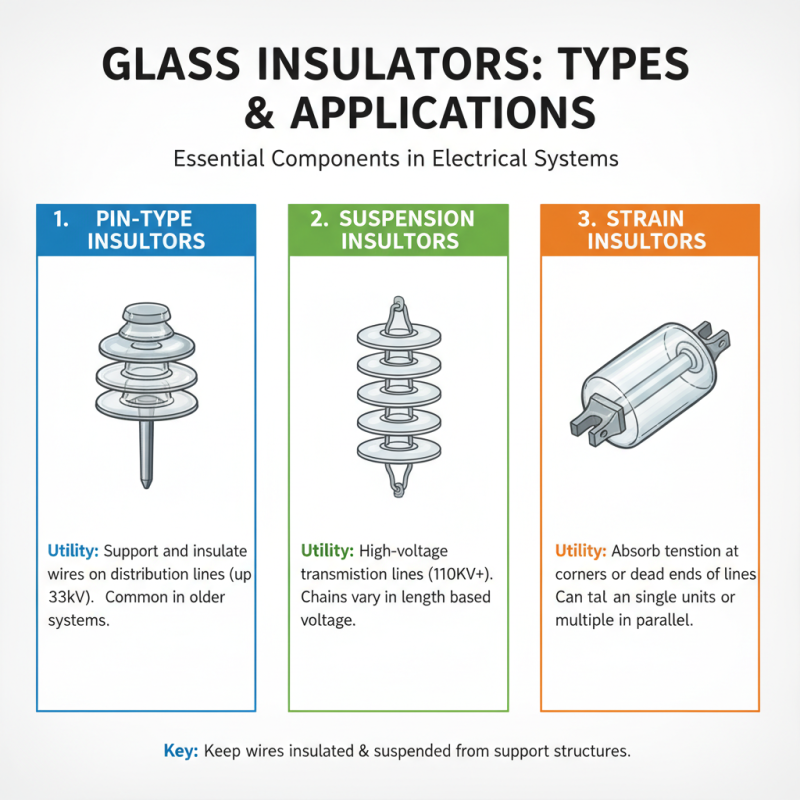
Glass insulators are crucial components in electrical systems. They keep wires suspended and insulated from the supporting structures. These insulators come in various types, each designed for specific applications.
There are several types of glass insulators. Suspension insulators are used in overhead power lines, providing excellent dielectric strength. PIN INSULATORs mount on poles, supporting lower voltage lines. Strain insulators handle tension and ensure stability in strong winds. Each type's design impacts longevity and performance in different environments.
Tips for choosing the right glass insulator include reviewing local conditions. Weather extremes can affect performance. Inspect connections regularly for wear and tear. Consider the installation height; this influences maintenance access. Always ensure compatibility with existing systems to avoid failures.
Understanding glass insulator applications helps in effective energy management. Explore options based on voltage requirements and environmental factors. Not all insulators are equal; selecting the right type matters greatly. The goal is to enhance safety while minimizing maintenance costs.
The Functionality of Glass Insulators in Electrical Systems
Glass insulators play a crucial role in electrical systems by preventing unwanted electrical discharges. These insulators are typically used to support overhead power lines. Their primary function is to keep high-voltage wires stable while effectively preventing current from leaking into the environment. The structure is designed to withstand extreme weather conditions, ensuring reliability in various settings.
The design of glass insulators allows for excellent dielectric strength. This means they can endure substantial voltage without breaking down. When installed properly, they minimize the risk of electrical faults. However, observers note that glass insulators can be prone to breakage when exposed to sudden impacts. This vulnerability highlights the need for regular inspection and maintenance.
Moreover, glass insulators offer advantages like visibility and aesthetics. Unlike ceramic insulators, they can provide clarity on physical condition. Yet, the transparency may tempt some technicians to overlook cracks that aren't immediately visible. Effective use of glass insulators requires a balance between their aesthetic appeal and their structural integrity. Understanding these dynamics can help ensure safer and more efficient electrical systems.
Materials Used in Glass Insulator Manufacturing
Glass insulators are crucial for the electrical industry. They provide a barrier between high-voltage wires and supporting structures. To manufacture these insulators, specific materials are essential. Common materials include silica, sodium carbonate, and various metal oxides. These components contribute to the durability and electrical resistance of the end product.
Silica, often derived from sand, is the primary ingredient in glass production. Its composition ensures a network structure that can withstand electrical stress. Iron oxide, added in small amounts, affects the color and strengthens the glass. Professional literature states that the global glass insulator market was valued at approximately $2.3 billion in 2020, with a growth rate of 4.5% anticipated through 2027. This indicates a steady demand for quality materials in manufacturing.
While glass insulators are effective, challenges remain. For instance, the production process can lead to variations in quality. Not every batch yields the same level of performance. Manufacturers often seek advanced techniques to ensure consistency. This highlights an ongoing need for research and development in material science. Continuous improvements in raw materials and production processes can enhance the reliability of glass insulators significantly.
How to Identify and Collect Vintage Glass Insulators
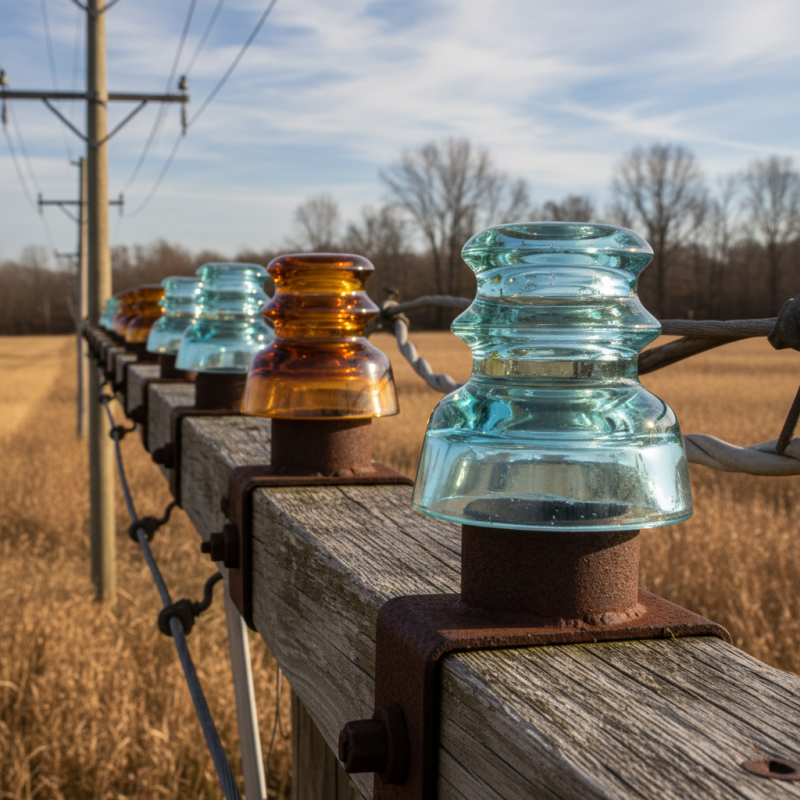
Collecting vintage glass insulators can be an exciting hobby. These colorful artifacts were used primarily in electrical transmission lines. Many collectors enjoy the hunt for unique designs and colors. To get started, look for local antique shops or flea markets where such items may be found. Sometimes, a simple walk in older neighborhoods can reveal hidden treasures along abandoned lines.
Identifying glass insulators requires some knowledge. Familiarize yourself with common styles and colors. Most vintage insulators are characterized by their distinctive shapes. You might find a variety of shades, from clear to deep blue. Checking for markings embossed on the base can also provide valuable information. Authentic pieces often have unique identifiers that reflect their manufacturing history.
Don’t overlook the imperfections. Some insulators may have chips or cracks, yet that can add character and history. A damaged piece can tell a story of its previous use. Keep a notebook to document your finds and details of each insulator. Enjoy the process and take time to reflect on the stories behind these glass treasures.
Common Issues and Maintenance Tips for Glass Insulators
Glass insulators are essential for electrical transmission lines. However, they can face several common issues that require maintenance. One frequent problem is contamination from dirt and pollution, which can lead to electrical failures. Over time, this residue accumulates, diminishing the insulator's effectiveness. Regular cleaning is important. A simple wash with water can often restore their function.
Another issue is physical damage. Weather or accidents can crack or chip glass insulators. Inspecting them periodically can help identify these problems early. Cracks can allow moisture to enter, increasing the risk of electrical failure. If a crack is found, replacing the insulator is often necessary to maintain safety.
Moisture can build up within the insulator, especially in damp conditions. This can lead to tracking and flashover events, which are dangerous. Ensuring that glass insulators are properly installed and maintained can help prevent such issues. Regular inspections and proactive cleaning are key. Even minor details, like ensuring there's no vegetation blocking insulators, can make a significant difference.
Evaluating the Performance and Compliance of U70BS Tempered Glass Insulators in IEC Standard Applications: A Comprehensive Analysis
The evaluation of tempered glass insulators, particularly the U70BS model, is crucial for compliance with IEC standards in electrical applications. Tempered glass insulators are renowned for their high mechanical strength and resistance to environmental factors, making them ideal for demanding high voltage transmission environments. The U70BS type, with a nominal mechanical strength of 70kN, aligns perfectly with the IEC's rigorous performance criteria, ensuring reliability and safety in power delivery systems.
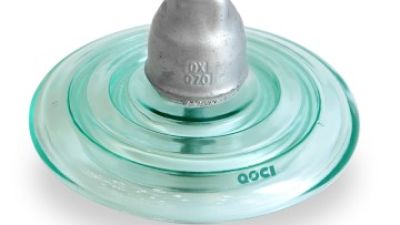
Recent industry reports indicate that glass insulators like the U70BS have shown impressive results in terms of dielectric strength and load-bearing capacity. Testing has demonstrated that these insulators not only meet but often exceed the performance thresholds specified in IEC standards, contributing to the overall efficiency of power transmission networks. The Cap and Pin suspension design of the U70BS enhances its stability and longevity, reducing the necessity for frequent replacements and maintenance.
Furthermore, the U70BS glass insulators are compatible with various mounting configurations, including disc and ball-fiber pin types, providing versatile solutions for different transmission setups. This adaptability is key for utility companies looking to optimize their infrastructure while adhering to stringent compliance regulations. Evidence from field studies supports the effectiveness of the U70BS in real-world applications, reinforcing its reputation as a reliable choice for electrical insulations in high voltage systems.
FAQS
: They keep wires suspended and insulated in electrical systems.
Common types include suspension, pin, and strain insulators.
Extremes can impact their performance and longevity.
Dirt and pollution can diminish their effectiveness over time.
It may allow moisture in, increasing the risk of electrical failure.
Periodic inspections can help identify cracks and damage early.
Moisture can cause tracking and flashover events, which are dangerous.
It influences maintenance access and impacts overall system safety.
Review local conditions, voltage needs, and ensure compatibility with existing systems.
Ensure vegetation isn’t blocking insulators, as this can affect performance.
Conclusion
A glass insulator is a crucial component in electrical systems, primarily used to support and isolate electrical wires from their supporting structures. The history and evolution of glass insulators trace back to the early days of electricity, showcasing advancements in design and manufacturing techniques. Various types of glass insulators exist, each serving specific applications, such as transmission lines and telecommunication systems.
The functionality of glass insulators is pivotal in preventing electrical leakage and ensuring reliability in electrical circuits. Typically made from durable glass materials, these insulators are not only efficient but also aesthetically appealing, making vintage glass insulators popular among collectors. Understanding how to identify and maintain these insulators is essential to preserve their integrity and functionality, as common issues can affect their performance over time.