Leave Your Message
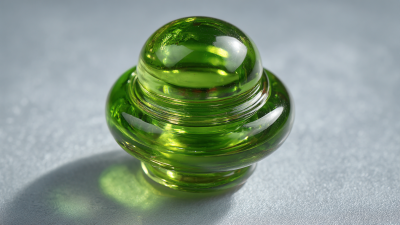
When it comes to high voltage applications, choosing the rigHt Insulators really makes a difference in how well everything runs and how safe it is. Among all the options out there, the'isolateur en verre' really stands out — mainly because it's so strong and durable. These glass insulators have been a trusted part of the electrical world for decades, mainly because they do a great job resisting stuff like moisture, UV rays, and pollution. Still, if you want to get the most out of your glass insulators, there are some handy tips you’ll want to keep in mind.
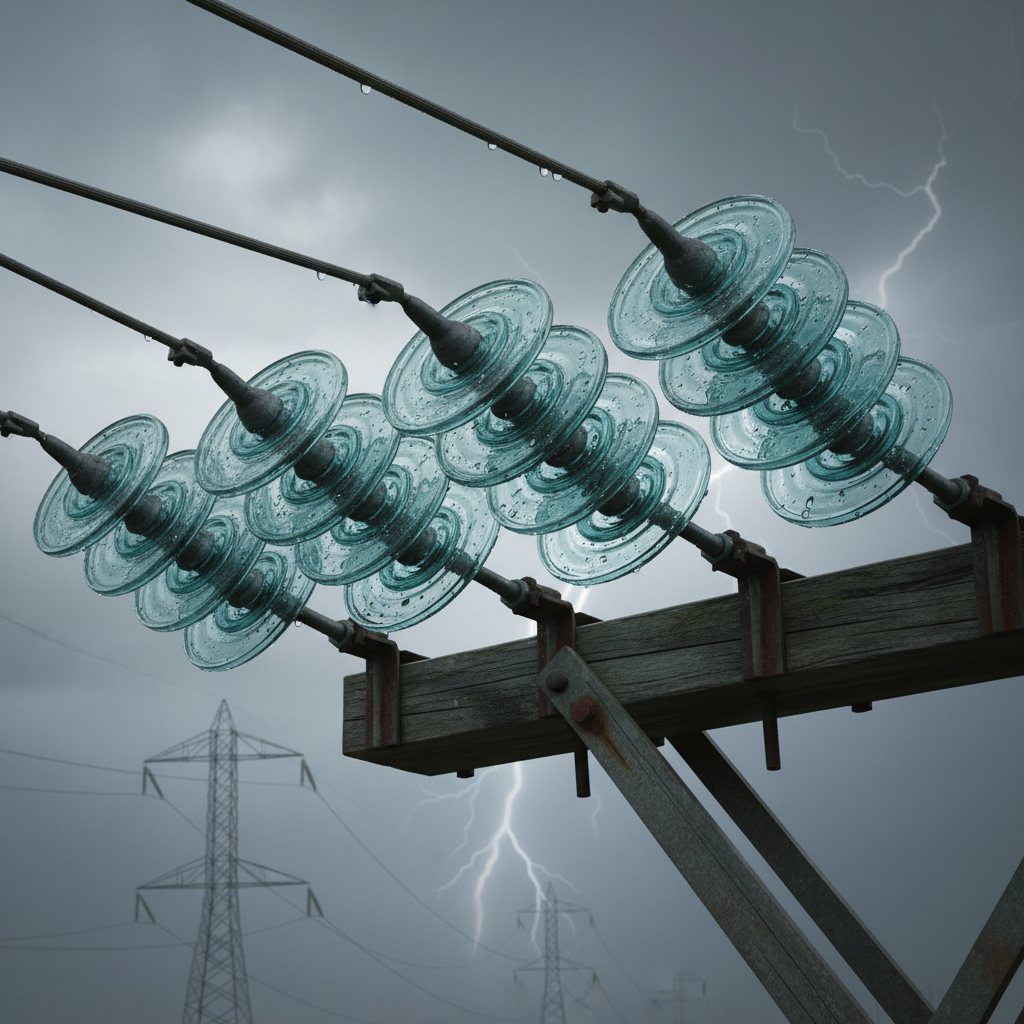
In this article, I’ll share five key strategies to help boost the reliability and efficiency of these glass insulators, especially in high voltage setups. We’ll cover everything from how to install them properly to best practices for maintenance. Knowing these tricks can really help engineers and maintenance crews extend the life of their systems and keep everything running smoothly. By sticking to these tips, you can reduce the chances of power outages or equipment failures — making your electrical infrastructure a lot more resilient. All in all, the Isolateur En Verre remains a solid choice for keeping high voltage systems running safely and efficiently, even as technologies evolve.
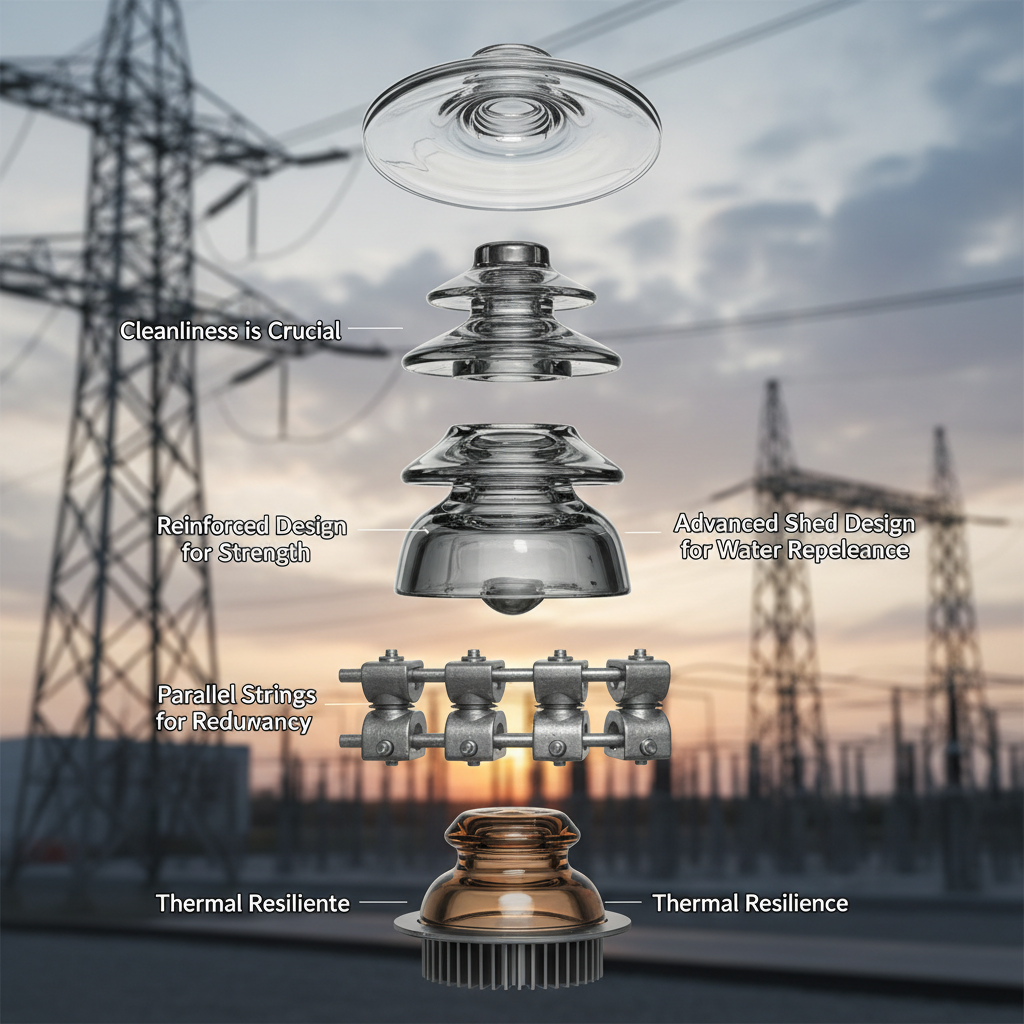
When it comes to optimizing performance in high voltage applications, the selection of materials for glass insulators is crucial. High-quality glass insulators not only enhance electrical performance but also ensure durability and resistance to environmental factors. When choosing materials, consider factors such as dielectric strength, mechanical strength, and thermal stability. Using glass with a high SiO2 content can improve its electrical insulation properties, making it suitable for demanding applications.
One tip for material selection is to prioritize temperature performance. Insulators often operate under extreme temperature conditions, so selecting glass that maintains structural integrity at both high and low temperatures is essential. Additionally, consider the insulator's resistance to UV radiation and moisture, which can degrade performance over time.
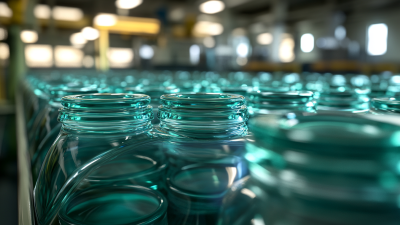
Finally, it's important to think about the manufacturing process. Glass insulators should be crafted using techniques that minimize defects and maximize uniformity in thickness, as these features directly impact their reliability and longevity. By emphasizing quality control during production, you can further ensure that your glass insulators perform exceptionally well in high voltage environments.
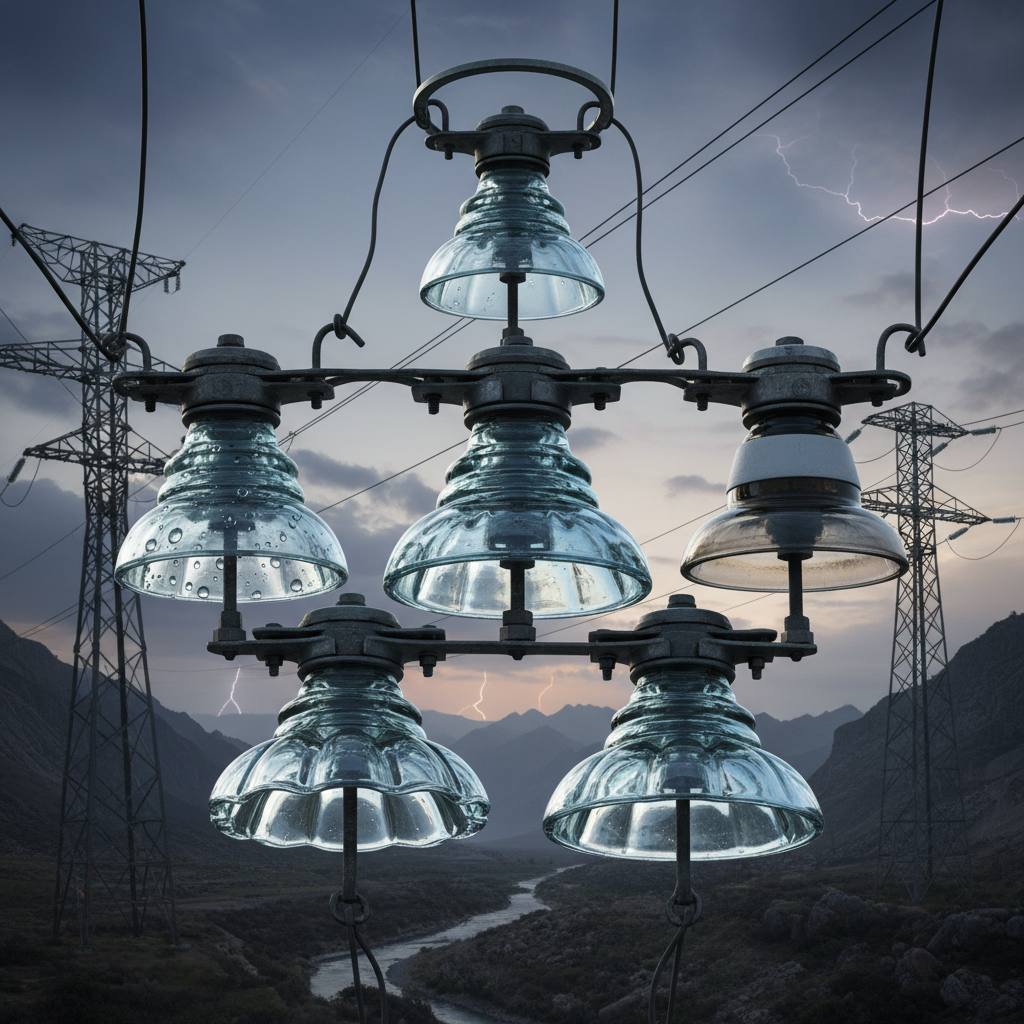
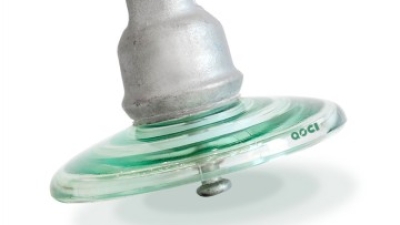
In the modern landscape of power distribution, the reliability and performance of insulation materials play a pivotal role in ensuring safe and efficient energy transmission. The IEC Standard 40kN Suspension Insulators, such as the U40BL and its variants, have emerged as critical components in achieving high levels of operational stability. These glass insulators offer exceptional mechanical strength, making them ideal for both transmission and distribution lines where fluctuations in environmental conditions can pose challenges.
Among the various options available, the U40B/110mm glass insulator stands out due to its design tailored for high voltage applications in power lines. Its robust construction allows it to withstand harsh weather conditions while maintaining optimal performance. Additionally, the range includes products like the U70BS and U70BL, which further enhance the reliability of power transmission networks, offering versatility for different electrical demands. With China factory prices ensuring competitive procurement of these high-quality solutions, utilities can effectively manage both budget and performance. Furthermore, the in-stock availability of IEC U40B 40kN disc glass insulators ensures that utilities are prepared to meet immediate project needs, minimizing downtime and enhancing overall operational efficiency.
: When selecting materials for glass insulators, consider dielectric strength, mechanical strength, thermal stability, and the glass’s SiO2 content, as these characteristics influence electrical insulation properties and performance.
Temperature performance is crucial because insulators often operate under extreme conditions. Choosing glass that maintains structural integrity at both high and low temperatures ensures reliability and safety.
UV radiation and moisture can degrade the performance of glass insulators over time. It is important to select materials that are resistant to these environmental factors to maintain efficiency and longevity.
Manufacturing techniques that minimize defects and maximize uniformity in thickness are essential. Emphasizing quality control during production helps ensure high performance and durability of glass insulators.
Electrical testing methods include applying high voltage across the insulator while monitoring for breakdown or leakage currents. This helps identify weaknesses and potential failure points in real-world operational conditions.
Mechanical stress testing is important because it subjects the insulators to various loads that mimic environmental factors like wind, ice, or seismic activity, allowing engineers to evaluate performance under stress conditions.
Environmental factors such as pollution levels, temperature variations, and humidity can significantly degrade the performance of glass insulators, leading to increased leakage currents and reduced lifespan.
High pollution levels can accumulate contaminants on the surface of glass insulators, impairing their insulative properties and necessitating regular maintenance and cleaning to maintain efficiency.
Extreme temperatures can induce mechanical stress and micro-cracks, while high humidity increases the risk of flashover events, especially in polluted environments, both of which can compromise the insulators’ performance.
Monitoring environmental factors is vital to optimizing the performance of glass insulators, as it helps in understanding the conditions that could lead to failures and allows for timely maintenance interventions.
In the realm of high voltage applications, optimizing the performance of glass insulators, or "isolateur en verre," is crucial for reliability and longevity. This article discusses best practices for material selection, emphasizing the importance of choosing the right type of glass to withstand harsh conditions. Design considerations are highlighted to enhance voltage performance, while maintenance strategies are outlined to maximize the lifespan of these insulators. Additionally, effective testing techniques are recommended to ensure that the insulators perform reliably under high voltage conditions. Finally, environmental factors that can impact the efficiency of glass insulators are examined, providing a comprehensive approach to achieving optimal functionality in demanding applications.
At Jiangxi QOCl Electric Co. Ltd., established in 2002, we pride ourselves on our advanced production technology and strong research and development capabilities in functional glass and circuit insulators. Our commitment to quality ensures that our "isolateur en verre" meets the high standards required in the industry, thereby maintaining their performance and durability in high voltage applications.