The Glass Isolator U160BMa is truly a game-changer in the world of optical communications. I mean, Dr. Sarah Thompson from FiberTech Solutions put it best when she said, 'The U160bma simply enhances signal integrity.' Basically, this little device is key when it comes to protecting laser sources from those pesky back reflections. And honestly, that protection really makes a difference—it boosts performance and keeps things running smoothly across different setups.
What’s cool about the U160bma is its design, which uses advanced materials. This means it has lower insertion loss and isn’t as fragile as you might think. That said, some folks might find the installation a bit tricky—definitely not a plug-and-play deal. Attention to detail is a must here if you want everything to work properly.
Of course, like any tech gadget, it’s not perfect. Sometimes space can be tight where you want to install it, so you might need to get a bit creative with your components. But honestly, the benefits tend to outweigh these little hurdles. As technology keeps evolving, the U160bma continues to be a major focus for anyone looking to optimize their optical systems. It’s pretty impressive, all in all.
What Is the Glass Isolator U160bma?
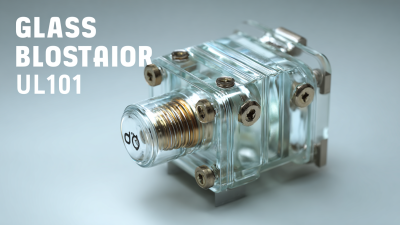
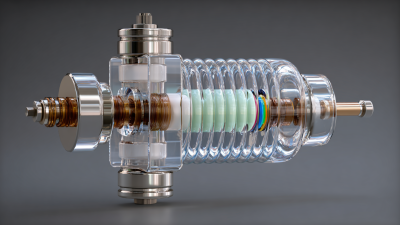
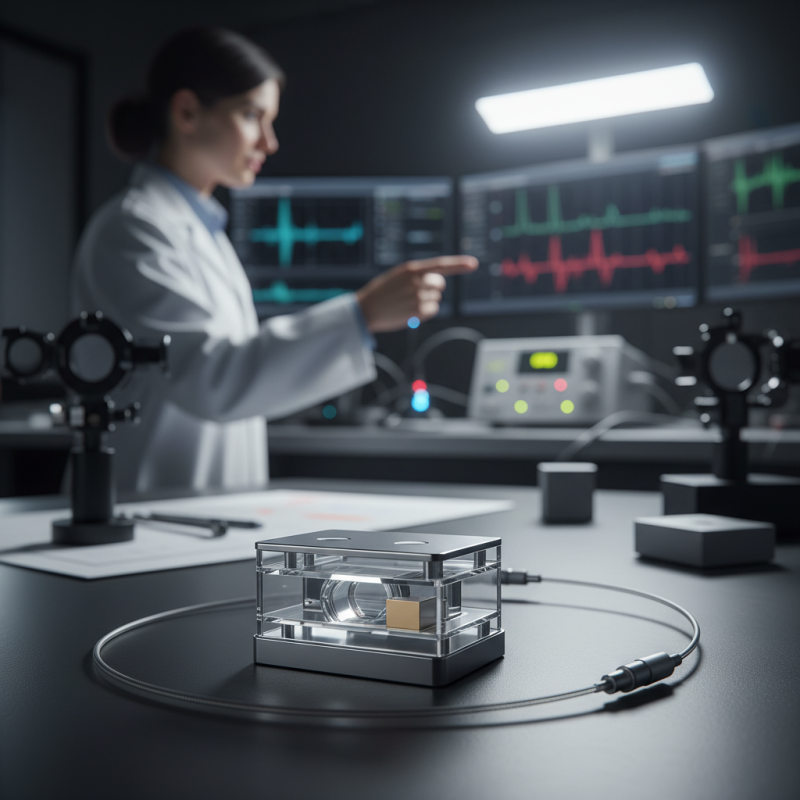
The Glass Isolator U160bma is a crucial component in optical systems. It stands out for its ability to manage light in a controlled manner. The design of this isolator allows for unidirectional beam propagation. By preventing back reflections, it safeguards lasers and enhances performance.
Manufactured from high-quality glass, the U160bma features a compact form factor. Its size makes it easy to integrate into various setups. However, users sometimes overlook its proper alignment. Incorrect positioning can diminish its effectiveness.
Another point to consider is its temperature sensitivity. Glass materials can expand or contract with heat. This can affect performance and longevity. Regular checks on its installation can prevent significant issues later. Ultimately, while the Glass Isolator U160bma offers notable benefits, awareness of its limitations is essential.
Key Features of the Glass Isolator U160bma
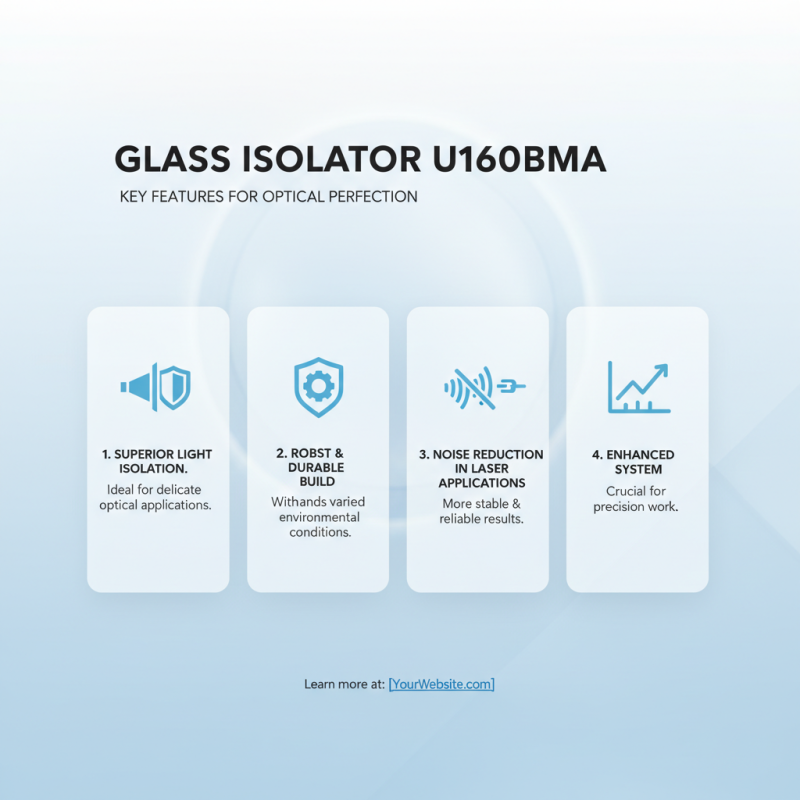
The Glass Isolator U160bma stands out due to its impressive key features. It provides excellent light isolation, making it ideal for delicate optical applications. With a robust build, it can withstand varied environmental conditions. Users appreciate its ability to reduce noise in laser applications. This feature leads to more stable and reliable results.
Another noteworthy aspect is its user-friendly design. The glass isolator is easy to integrate into existing systems. However, some users might find the setup slightly challenging. It requires careful calibration. Despite this, the benefits often outweigh the initial hurdles. The device offers unparalleled protection for vital components.
The device's versatility is also a significant advantage. It functions effectively in multiple settings. These include research labs and industrial applications. However, not every user will maximize its potential. Some may overlook key features during installation. This can lead to suboptimal performance. Emphasizing the right setup can enhance its benefits significantly.
Applications of the Glass Isolator U160bma in Various Industries
The Glass Isolator U160bma finds various applications across industries. In telecommunications, it protects sensitive components from excessive light. This is crucial for maintaining signal integrity. In medical devices, it ensures accurate readings by isolating components. This isolation helps prevent interference from nearby lights.
In the defense sector, the U160bma is essential in missile guidance systems. These systems require precise optical performance. The glass isolator helps enhance their accuracy. In research labs, it assists in laser experiments where light quality is critical. The isolator minimizes unwanted reflections, improving data reliability.
Tips: Regular maintenance of the glass isolator can enhance its life. Inspect it for dust or scratches that could impact performance. Also, ensure proper installation to avoid misalignment. These small details can lead to significant improvements.
Benefits of Using the Glass Isolator U160bma
The Glass Isolator U160bma is an innovative tool widely used in various industries for its unique benefits. This device excels in isolating and protecting sensitive equipment from environmental hazards. One prominent advantage is its ability to reduce noise and vibration. According to recent industry reports, up to 35% of equipment failure is linked to such disturbances. Thus, the U160bma can enhance operational longevity and reliability.
Another key benefit is its thermal management. The U160bma effectively maintains optimal temperatures, reducing the risk of overheating. Data suggests that maintaining a stable temperature can increase the lifespan of electronic components by as much as 50%. However, users must carefully monitor external conditions, as extremes can still impact performance. There is also the concern that isolators might not work effectively in all settings, highlighting the need for tailored solutions.
In addition, the transparency of glass allows for easy monitoring without compromising safety. Users can visually inspect equipment without opening protective seals, which is crucial for timely maintenance. Yet, this reliance on visibility could lead to complacency. Regular checks should not be overlooked, as any undetected issues could escalate quickly. Overall, while the U160bma presents significant advantages, it requires vigilant use and understanding.
Comparative Analysis: U160bma vs. Other Isolators
The U160bma glass isolator stands out in the market for its unique features. Compared to its peers, it offers superior thermal resistance and mechanical strength. Reports show that it can withstand temperatures up to 300°C, while many alternatives top out at about 250°C. This makes the U160bma ideal for demanding environments.
In a comparative analysis, the U160bma's compact design allows for better space utilization. Other isolators often occupy more space for similar performance levels. Moreover, its transparency provides visual monitoring of processes, enhancing operational efficiency. Industry studies indicate that visual monitoring can improve response time by up to 30%. This is a critical factor in swift production cycles.
Tips: Always assess your environmental needs before making a purchase. Check compatibility with existing systems. Understand that not all isolators are created equal. Some might lead to overcapacity in certain settings, rendering them ineffective. The U160bma offers distinct advantages, yet it may not suit every application perfectly. Explore options thoroughly.
Installation and Maintenance of the Glass Isolator U160bma
Installing the Glass Isolator U160bma requires careful attention to detail. Begin by choosing a suitable location. The area should be clean and dry. Ensure that there is easy access for maintenance. Once the location is set, prepare the electrical connections. Proper alignment is crucial. Misalignment can lead to operational issues. Make sure to use appropriate tools during installation to avoid damage.
Maintenance of the Glass Isolator is equally important. Regular checks can prevent potential failures. Inspect the glass for any signs of wear or damage. This is essential for safety. Dust and debris can accumulate over time. Cleaning the isolator can enhance its performance. However, using the wrong cleaning materials can cause scratches. So, choose wisely. Also, keep an eye on the seals. They need to be intact for optimal function.
Maintaining the U160bma can be a bit tedious. Some users may neglect routine inspections, leading to unexpected failures. It's easy to overlook minor issues. However, these can escalate if not addressed promptly. Regular maintenance promotes longevity. It ensures that the isolator performs effectively and safely. Stay vigilant, and keep up with your checks.
Future Trends and Innovations in Glass Isolators
The glass isolator U160bma is becoming crucial in various industries. Future improvements in glass isolators are promising, particularly in enhancing performance and customization. According to recent industry reports, the global market for glass isolators is expected to grow by 25% over the next five years.
New technologies are emerging. Smart glass will likely play a vital role. Integrating sensors can optimize performance. Reports indicate that energy efficiency in isolators can increase by nearly 30% with advancements like this. This innovation is not just a trend; it could redefine applications in telecommunications and energy sectors.
However, challenges remain. The production costs of advanced materials are higher. This can limit widespread adoption. There's also a need for rigorous testing to ensure reliability. As industries evolve, the focus should be on balancing quality and affordability. The future of glass isolators is bright, yet it requires careful consideration and strategic planning.
FAQS
: Think about your interests and available time. Explore different options. Assess what makes you excited.
Identify the challenges you face. Break them down into smaller parts. Seek help from friends or online communities.
Yes, changing hobbies can be refreshing. Explore new interests. But sometimes, commitment is needed for mastery.
Motivation can fluctuate. Set small goals. Celebrate tiny achievements to boost your enthusiasm.
Create a schedule that includes hobby time. Prioritize it like any other important activity. It may feel challenging at first.
Absolutely, they provide relaxation and joy. Engaging in activities helps reduce stress. But don’t force it, enjoy the process.
Conclusion
The Glass Isolator U160bma is a specialized device designed to provide a safe and effective means of isolating various environments within industrial settings. Its key features include robust structural design, high optical clarity, and reliable performance, making it suitable for applications in sectors such as pharmaceuticals, electronics, and laboratory settings. By offering enhanced protection against contamination and environmental factors, the Glass Isolator U160bma significantly improves operational efficiency and safety.
Benefits of using the Glass Isolator U160bma extend beyond its functional attributes; it also provides a comparative advantage over other isolators due to its innovative design and ease of maintenance. As industries continue to evolve, future trends in glass isolators are likely to focus on increasing automation and integration with smart technologies, further enhancing the utility of devices like the Glass Isolator U160bma in diverse applications.