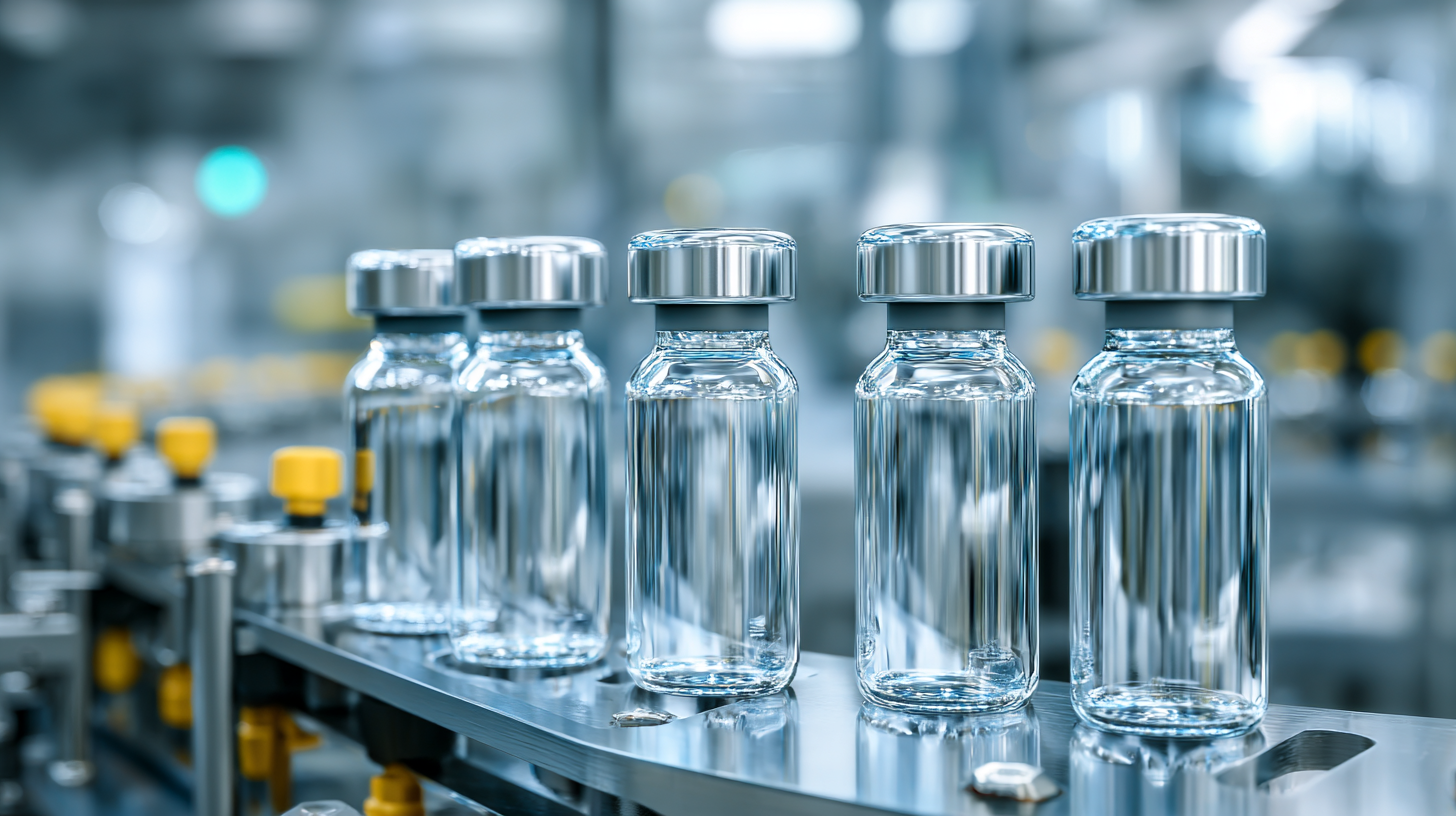
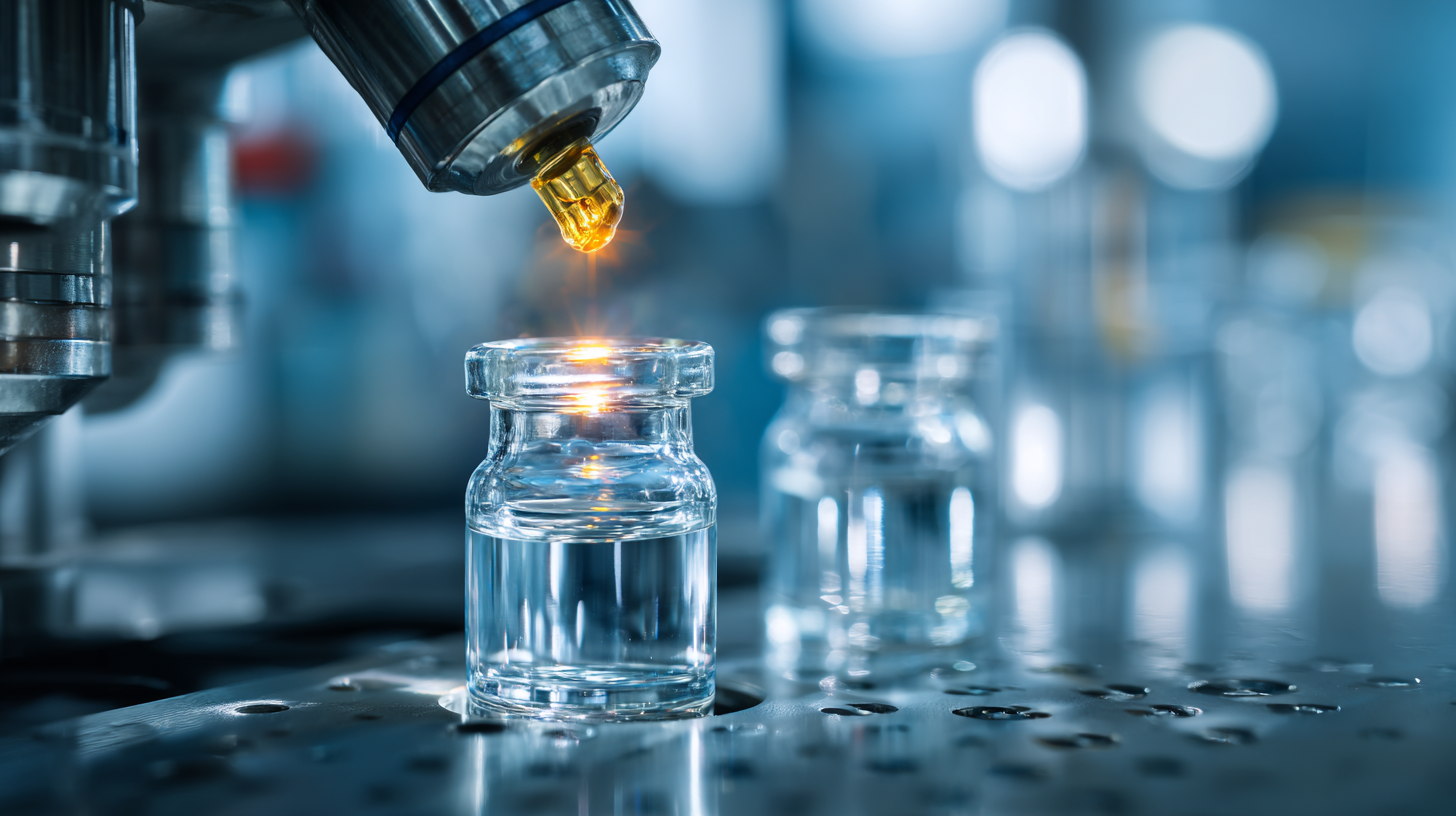
You know, in the ever-changing world of pharmaceuticals, keeping products safe and intact is a big deal. And because of that, there's a growing push towards using more advanced materials and tech. One piece that's especially important is the Glass isolator U70bl — it acts as a crucial protective shield during manufacturing. Lately, I’ve heard that requests for glass isolators are really picking up, and experts are predicting a steady growth of over 6% each year. This is mostly due to tighter regulations and the ongoing need for contamination-free environments. A company I came across, Jiangxi QOCl Electric Co. LTD., started back in December 2002. They've really honed their production skills and R&D to come up with top-notch glass insulators, including that U70bl model. This checklist is here to help folks around the world when they're looking to buy these key pieces of equipment. The goal is to make sure everything ticks the right boxes — from meeting industry standards to keeping operations running smoothly.
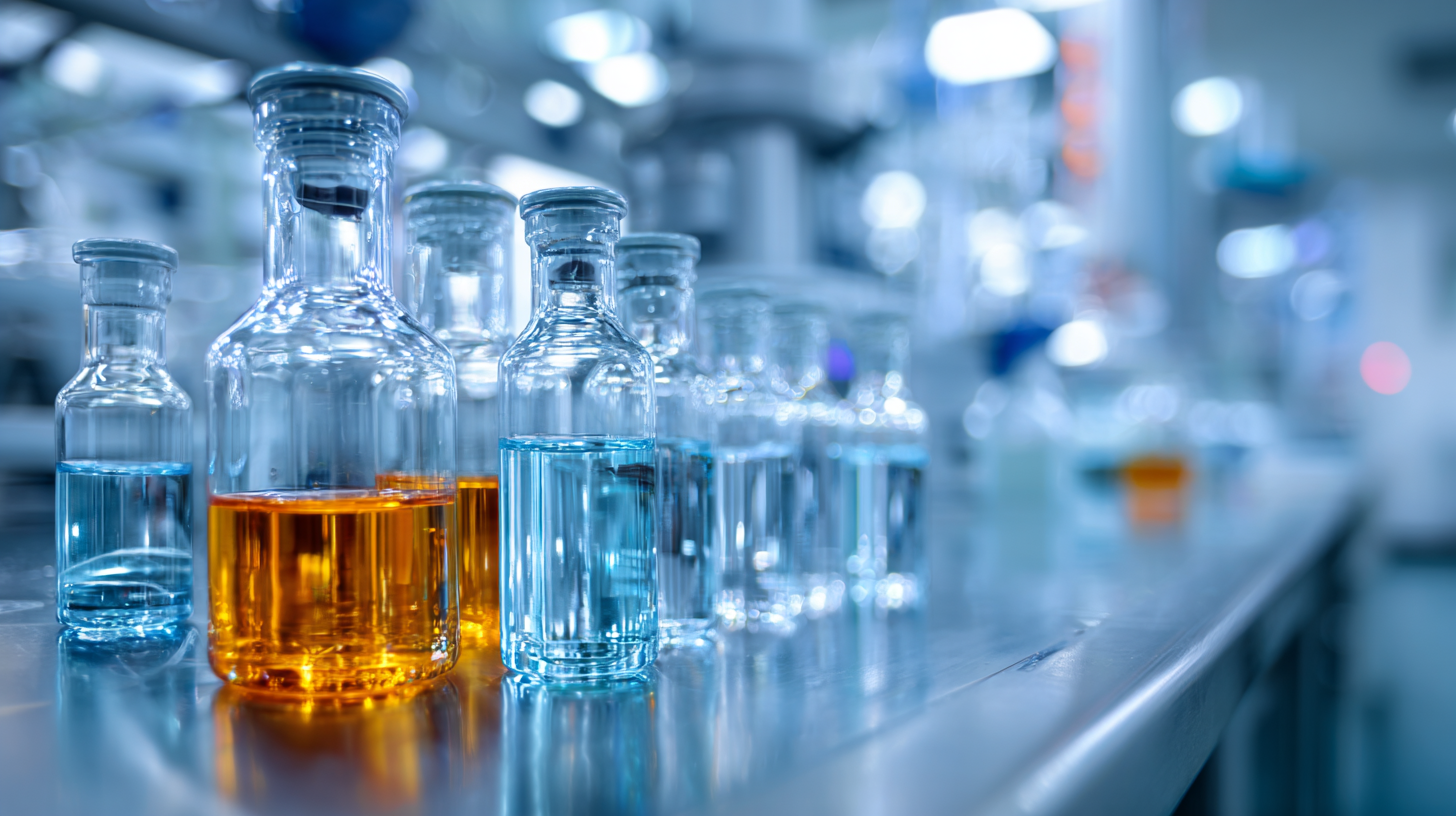
In the fast-changing world of pharmaceutical manufacturing, the Glass Isolator U70bl has really become a game-changer. It’s designed to boost both safety and efficiency, which honestly is a huge deal when it comes to handling sensitive drug formulations. What makes this system stand out? Well, it features super advanced hermetic sealing, integrated monitoring that gives you peace of mind, and an interface that's pretty easy to use—so you don’t have to be a pro to operate it smoothly. All of this helps ensure strict regulatory compliance, meaning safer processing and way less worry about contamination or losing valuable product.
And here’s something interesting: the global market for pharmaceutical glass packaging is expected to hit around USD 49.20 billion by 2034. That’s a huge number, and it just means that a pretty high demand for top-notch equipment like the U70bl will keep growing. As safety and quality control become even more critical—especially with complex meds like biologics and potent compounds—having reliable isolators is more important than ever. With its sturdy build and next-level features, the U70bl really seems like a smart investment for manufacturers wanting to stay ahead of the curve in this pretty booming market.
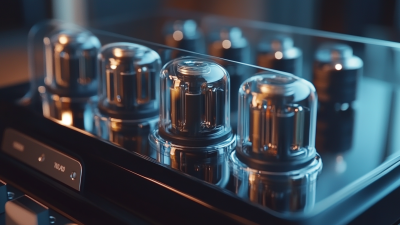
In the world of pharmaceuticals, glass isolators have really become a must-have. They’re vital for keeping things safe and ensuring the quality of drugs during manufacturing. These pretty sophisticated containment units give us a sterile space, which helps cut down on the risks of contamination—especially since we want to keep humans out of the mix as much as possible. What’s also nice is that the clear glass lets you peek inside easily, making it simpler to monitor operations without compromising safety.
A few tips for picking the right glass isolator: When you're choosing one, think about what you’re actually going to use it for, and the specific needs of the drugs you're working with. Make sure it plays well with both sterile and non-sterile processes. Also, go for units that are easy to clean and come with built-in monitoring capabilities—that makes meeting those tough regulatory standards a lot smoother.
And honestly, the benefits go beyond just keeping things contamination-free. These isolators can really boost productivity too. They allow for automation, which means less manual work and safer conditions for your team. Plus, their clever design helps with air filtration and circulation—super important for keeping sensitive drugs stable.
To get the most out of your glass isolator: Regular maintenance is a must. Set up a cleaning schedule, and don’t forget to check seals and gaskets regularly to avoid leaks. Also, making sure your team knows how to properly handle and operate the isolators can really promote a culture of safety and efficiency in the plant.
All in all, investing in good maintenance and proper training makes a world of difference in keeping everything running smoothly and safely.
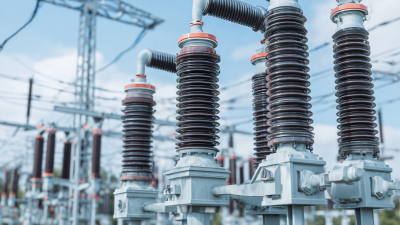
In the pharma world, choosing the right glass isolator isn’t just a routine—it's actually pretty important, especially with all these strict global standards in place. These rules, often based on big protocols like ISO and GMP, don’t just cover how well the isolators work; they also look at the materials used and how tough they are over time. Recent studies show that the performance of these insulators can really make a difference in keeping operations safe and products top-notch. For instance, high voltage disc insulators have been found to cut down on pollution flashovers—that’s a fancy way of saying they’re better at handling tricky environmental conditions, according to IEC standards. That’s why buyers really need to pay attention to designs that have been thoroughly tested against real-world challenges.
And it doesn’t stop there. The latest tech in materials has led to smarter, more durable glass insulators that not only check all the boxes on international standards but also perform really well in both clean and polluted environments. Research shows these newer designs can handle multiple stressors, giving them a much longer lifespan and making them reliable as heck. At Jiangxi QOCI Electric Co. Ltd., we’re super passionate about R&D, especially when it comes to functional and circuit insulators. Making sure we stay ahead of the curve means we can better serve global customers and help make pharmaceutical work safer and more efficient.
When you're on the hunt for a glass isolator for pharmaceutical work, the U70bl really stands out from the crowd. It's got this pretty innovative design and packed with features that just work better. One of the things people really love about the U70bl is how it boosts sterility assurance. Unlike some other models that might struggle a bit with airflow or pressure control, the U70bl uses a special airflow system that helps cut down on contamination risks. That’s a big deal, especially when you're dealing with delicate pharmaceutical products and need to stick to tough industry standards.
But it’s not just about keeping things sterile. The U70bl is also praised for being super flexible and easy to handle. A lot of other models out there tend to require complicated setups and loads of training, which can be a pain. The U70bl, on the other hand, simplifies everything — it’s pretty intuitive, with straightforward controls and an interface that just makes sense. This means you can get stuff done quicker and with fewer mistakes during crucial steps. Overall, folks in the pharma world often find that investing in the U70bl not only tickles their production boxes but also makes their whole operation run smoother.
| Feature | Glass Isolator U70bl | Competing Model A | Competing Model B |
|---|---|---|---|
| Size (LxWxH) | 2000 x 1500 x 2200 mm | 2100 x 1600 x 2300 mm | 1900 x 1400 x 2100 mm |
| Material | Borosilicate Glass | Tempered Glass | Borosilicate Glass |
| Airflow Type | Vertical Laminar Flow | Horizontal Flow | Vertical Laminar Flow |
| HEPA Filter Efficiency | 99.997% at 0.3 microns | 99.995% at 0.3 microns | 99.999% at 0.3 microns |
| Control Interface | Touchscreen Control | Button Control | Analog Control |
| Price Range | $40,000 - $50,000 | $45,000 - $55,000 | $38,000 - $48,000 |
Taking good care of glass isolators in the pharmaceutical world isn’t just about keeping things looking good — it’s basically about protecting product quality and sticking to all those strict regulations. Doing regular maintenance isn’t just a chore; it actually helps these machines last longer and cuts down on contamination risks. One of the smartest moves? Setting up a routine cleaning schedule. Operators should use the right cleaning agents—neutral, compatible with glass—to avoid any damage but still wipe away residues that could mess with sterile conditions.
Also, keeping an eye on the environment inside the isolator is super important. That means frequently checking if the temperature, humidity, and air pressure are all spot on. Putting in some high-tech monitoring systems can be a game changer here — giving live data so you can jump in and fix things right away if something’s off. Plus, training staff well on how to handle and operate these things properly really makes a difference. It boosts reliability and helps ensure everything runs smoothly and meets industry standards. When pharma companies put these practices into action, they’re really safeguarding their processes and products, showing they’re serious about quality and safety at every step.
This chart represents the frequency of maintenance activities conducted on glass isolators in the pharmaceutical industry, highlighting best practices to ensure optimal performance.
As the pharmaceutical world keeps evolving, so does glass isolator tech—it's actually going through some pretty exciting upgrades tailored to meet these super strict requirements today’s drug manufacturing demands. Looking ahead, it seems like we’re headed towards more automated and integrated systems that not only speed things up but also better prevent contamination. A report from Research and Markets highlights that the global market for glass isolators is expected to grow at about 5.7% annually from 2021 to 2026. That just shows how much more demand there’s for advanced containment solutions, especially in biopharma stuff.
One of the coolest trends right now? Integrating IoT into these isolators—that means real-time monitoring and data analysis, which can seriously boost efficiency and safety. It’s a game changer because it helps ensure the integrity of those sensitive drugs and cuts down on human errors during production. Plus, companies are investing in new materials that are tougher and easier to maintain, which is a big deal given the tightening regulations from bodies like the FDA and EMA. All these advances are kinda crucial for manufacturers trying to stay ahead in a market that’s getting more and more regulated every day.
: Glass isolators provide a sterile environment, minimize contamination risks from human presence, enhance operational efficiency through transparent monitoring, and allow for the automation of processes while ensuring safety for operators.
When selecting a glass isolator, consider the intended application, compatibility with sterile and non-sterile processes, ease of cleaning, and the presence of integrated monitoring systems to comply with regulatory standards.
Glass isolators enhance productivity by allowing automation of processes and providing a safe environment for operators, which facilitates effective air filtration and circulation essential for the stability of sensitive pharmaceuticals.
Regular maintenance practices include establishing a routine cleaning protocol, checking seals and gaskets to prevent leaks, and training personnel on the proper use of isolators to promote safety and efficiency.
The U70bl model excels due to its enhanced sterility assurance, unique airflow system that minimizes contamination risks, flexibility, ease of use, and intuitive controls that simplify operations and reduce the likelihood of errors.
The unique airflow system in the U70bl is important because it minimizes contamination risks, which is critical for maintaining the integrity of sensitive pharmaceutical products and ensuring compliance with industry standards.
The U70bl is easier to train personnel on compared to competing models, as it features intuitive controls and a user-friendly interface, streamlining operations and making it more accessible for a broad range of users.
Manufacturers should prioritize glass isolators that meet their specific production requirements, ensure compliance with regulatory standards, and enhance overall operational efficiency.
The design of glass isolators contributes to pharmaceutical safety by providing a controlled, sterile environment that minimizes contamination risks and supports effective air filtration and circulation.
Transparency in glass isolators allows for seamless monitoring of the manufacturing process, enhancing operational efficiency without compromising safety.
The Glass Isolator U70bl really stands out as an essential piece in the pharmaceutical world. It's designed to meet all the key features needed for those super strict applications. When you're choosing a glass isolator, it's worth thinking about the main benefits—things like improved safety, sterility, and making sure everything stays in line with global regulations. The U70bl model brags a few perks over other models out there, mainly because of its advanced design and smart functionality, which are absolutely critical when it comes to drug manufacturing.
Of course, regular maintenance isn’t just a good idea—it’s actually pretty crucial to keep these isolators working smoothly over time. As the pharma industry keeps moving forward, we can expect future tech in glass isolators to focus more on automation and using better materials. This is exactly where the U70bl stays ahead of the game, helping ensure high standards in quality production. Jiangxi QOCI Electric Co. Ltd. really leads the charge here, using its deep expertise in glass insulator tech to meet the growing needs of the pharmaceutical sector.