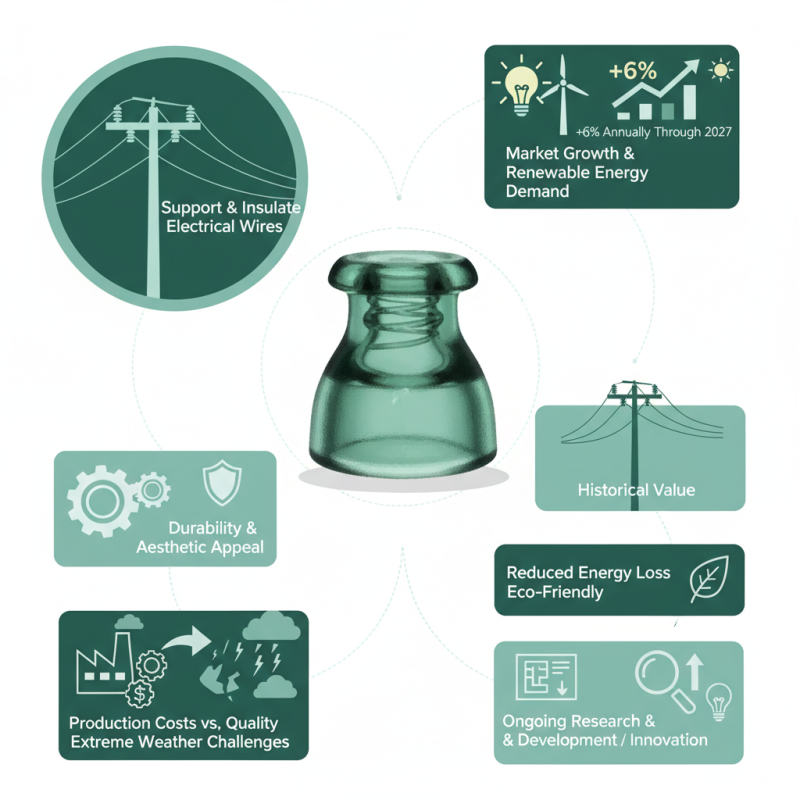
Green glass electrical insulators might sound pretty technical, but they’re actually pretty important in the world of electricity. Basically, these insulators support and keep wires and equipment safe from grounding out or breaking. I read somewhere that according to the Electrical Engineering Journal, the market for these insulators is expected to keep growing at about 6% every year until 2027. That’s mainly because we’re using more electricity overall, and there’s a big push towards renewable energy sources these days.
What’s really interesting is that these insulators aren’t just functional—they also have this cool, vintage look because of their green glass. It kind of adds some historic charm to power poles, don’t you think? Plus, reports from the Insulation Manufacturers Association talk about how effective they are at cutting down energy loss, which is a big plus.
But, of course, it’s not all smooth sailing. Many producers find it tough to keep the quality high while trying to keep costs down. Some insulators can also struggle when the weather gets really nasty—think extreme heat or cold—so there’s definitely a need for more research and innovation in this field. In short, green glass Insulators are a good mix of old-school style and modern challenges, showing how complex the electrical sector really is.
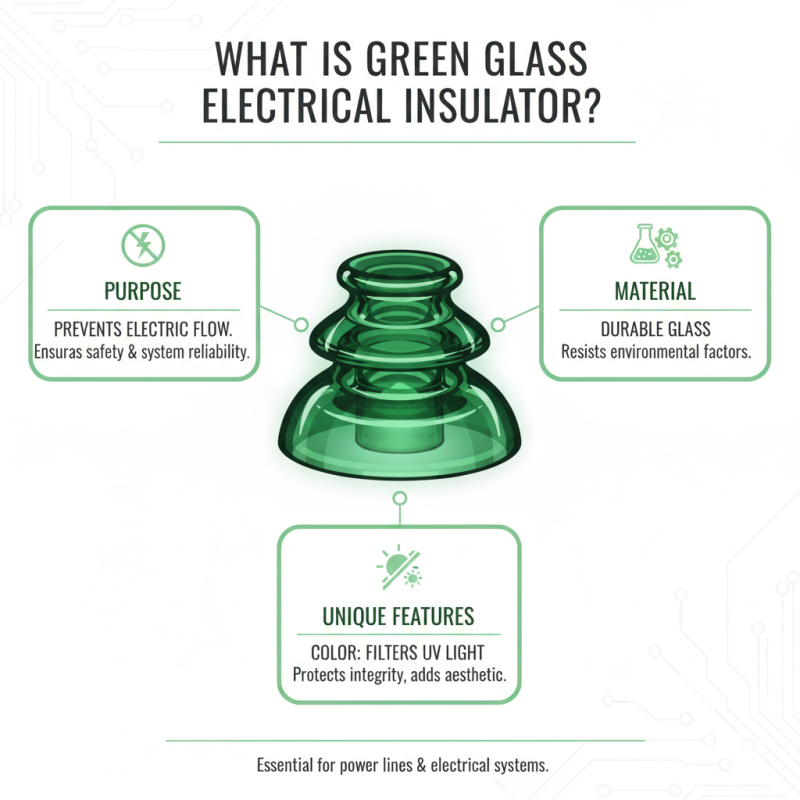
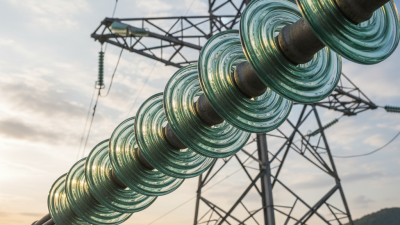
A green glass electrical insulator is a specialized component used in various electrical applications. Made from durable glass, this insulator effectively prevents the flow of electric current. Its vibrant green color not only adds aesthetic appeal but also serves a functional purpose. This color assists in filtering UV light, thereby protecting the integrity of the insulator over time.
These insulators are widely used in overhead power lines and telecommunication systems. Their ability to withstand weather conditions makes them ideal for outdoor use. Occasionally, they can become damaged due to environmental factors. This can lead to failures or disruptions in electrical service, which is a critical issue. Regular inspections and maintenance are essential to ensure their reliability.
While green glass insulators are highly effective, they are not infallible. Some people overlook their importance, assuming they last indefinitely. This can lead to significant problems if left unaddressed. Being proactive about their maintenance is necessary. Ultimately, understanding the role of green glass electrical insulators is crucial for anyone involved in electrical systems.
Green glass electrical insulators have a fascinating history. They began to appear in the late 19th century. One reason for their use was to prevent electrical currents from escaping. These insulators were essential during the development of electrical power systems. Early versions were often handmade and had bubbles in their glass. Their imperfections give them unique character.
Over the decades, production methods improved. Industrial processes allowed for uniform shapes and stronger glass. However, the aesthetic appeal remained. Many collectors and enthusiasts admire these beautiful insulators. The rich green color is often complemented by sun exposure, creating a striking visual appeal.
Despite their durability, some issues arose over time. For example, not all insulators managed to withstand extreme temperatures. The risk of breakage during storms was a concern. Reflection on these flaws highlights the balance between beauty and functionality in electrical components. Green glass insulators remind us that progress often comes with challenges and room for improvement.
Green glass electrical insulators are fascinating components in electrical systems. They are primarily made from silica, sodium carbonate, and various metal oxides. The unique composition gives the glass its distinctive green color. Other minerals may be added to enhance strength and durability.
The manufacturing process is equally intriguing. It involves melting the raw materials at high temperatures. This creates a molten glass that can be molded into various shapes. After shaping, the glass is cooled slowly to prevent cracking. However, the cooling process can sometimes lead to imperfections. These flaws can affect the insulator's performance but also add character.
In addition to their primary use in electrical applications, green glass insulators have found a place in decorative arts. Many collectors cherish them for their vintage allure. The insulators symbolize a bygone era in technology and craftsmanship. While they serve a practical purpose, their aesthetic appeal is undeniable. They remind us of the intricacies involved in seemingly simple objects.
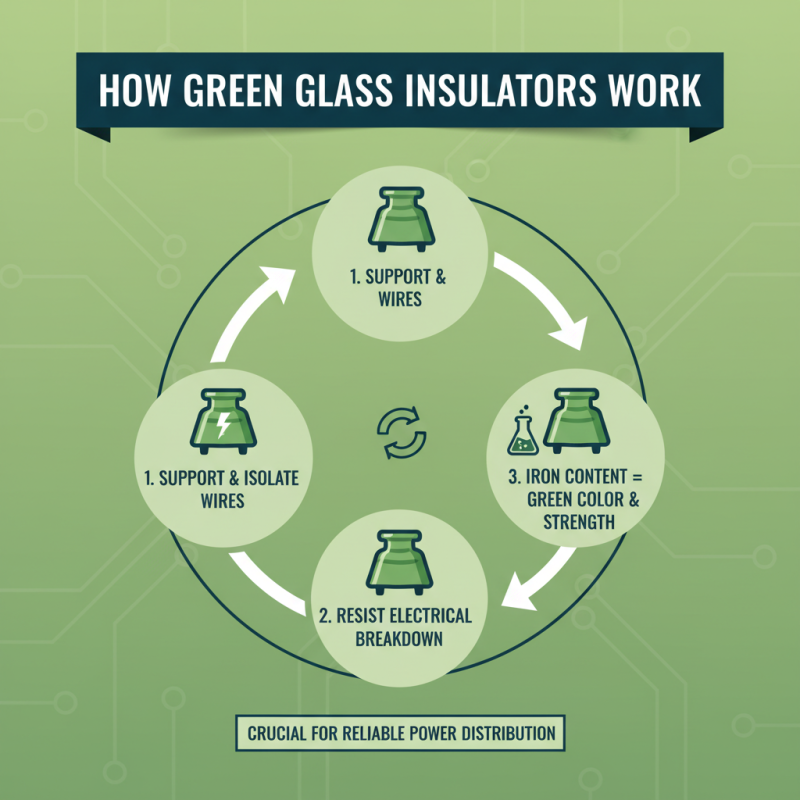
Green glass electrical insulators play a crucial role in electrical systems. These devices help to support and isolate electrical wires. Made from specialized glass, they resist breakdown from electric current. The vibrant green color comes from iron content, giving them both functional and aesthetic value.
In operation, green glass insulators work by preventing electrical energy from escaping. They provide stability to power lines and resist environmental degradation. During storms or harsh weather, these insulators remain sturdy. However, they can be damaged by extreme temperatures or physical impact. Regular inspections can help catch issues early, which is essential for safety.
Despite their durability, not all insulators are perfect. Some may fail under high voltage, exposing hidden weaknesses. Understanding these limitations is important for engineers. Using green glass insulators requires careful consideration. They can serve well if maintained properly. However, improper installation can lead to problems. Striking a balance between usage and maintenance is often a challenge.
Green glass electrical insulators have unique properties that make them valuable in various applications. These insulators are often used in high-voltage power lines. Their ability to withstand extreme weather conditions is crucial. According to industry reports, they can endure temperatures from -40°C to 100°C. This resilience makes them suitable for diverse environments.
Another common application is for railway signaling systems. Green glass insulators prevent electrical leakage. They ensure safe signal transmission on busy rail lines. Moreover, they are used in telecommunication networks. The insulators contribute to clearer signal quality by protecting wires from interference.
However, not all green glass insulators perform equally. Some may degrade over time when exposed to UV light. Regular inspections are necessary to ensure reliability. Data from electrical utility surveys suggest that approximately 15% of insulators fail during their lifespan. This statistic highlights the importance of maintenance and quality checks. Proper care and informed selection of insulators can mitigate potential outages and improve efficiency.
Green glass electrical insulators are vital in the electrical industry. These insulators are made from high-quality glass, providing effective insulation for power lines and electrical equipment. Their durability and weather resistance make them a popular choice.
One major advantage of using green glass insulators is their ability to withstand extreme temperatures. According to industry reports, glass insulators can function effectively from -60°C to 150°C. This wide temperature range ensures reliability in diverse climates. They are also resistant to UV radiation, which prolongs their lifespan.
Another benefit is their superior electrical insulation properties. Glass insulators exhibit a dielectric strength greater than 20 kilovolts per millimeter. This characteristic helps reduce energy loss and enhance system efficiency. Additionally, they have an appealing aesthetic quality, often used in architectural designs.
Tips: Regular maintenance is key. Inspect insulators for cracks or chips. This can prevent failures and maintain system integrity. Consider environmental conditions when selecting insulators. The right choice can significantly impact long-term performance.
| Dimension | Details |
|---|---|
| Material | Green Glass |
| Color | Green |
| Application Area | High Voltage Power Lines |
| Advantages | High dielectric strength and thermal resistance |
| Durability | Weather-resistant and UV resistant |
| Eco-Friendliness | Made from recyclable materials |
| Maintenance | Low maintenance required |
Green glass electrical insulators are commonly used in various electrical applications. They offer functionality and aesthetic appeal. However, their environmental impact raises questions about sustainability. The production process of glass insulators can generate significant carbon emissions. Reports indicate that the glass manufacturing sector contributes around 2% to global carbon emissions. These figures highlight the need for more sustainable practices.
Recycling green glass insulators could mitigate some of these impacts. Data suggests that recycling glass can reduce energy consumption by up to 30%. It also cuts raw material usage. Yet, recycling rates for electrical insulators remain low. Many industry players are still unaware of this potential. This lack of awareness is a barrier to achieving greater sustainability within the sector.
Moreover, the durability of green glass insulators presents another challenge. While they can last for decades, their disposal can create environmental issues. Landfill contributions from discarded insulators are concerning. The industry must develop better end-of-life solutions. Educating manufacturers and consumers alike is essential to fostering sustainable habits. There’s an urgent need for dialogue around responsible production and disposal.
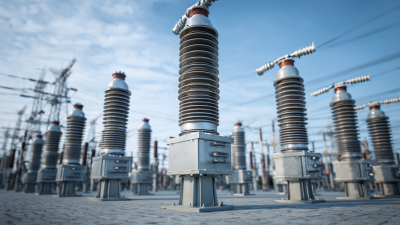
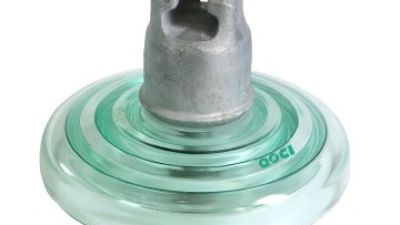
Power transmission efficiency is vital for modern electrical infrastructure, and innovative materials play a key role in achieving this goal. One such advancement is the use of toughened glass insulators, specifically designed for high-voltage applications. These insulators are engineered to withstand the harsh conditions often encountered in electrical transmission environments, ensuring the safety and reliability of power supply systems. Their robust nature allows for minimized energy losses, making them an essential component in enhancing overall efficiency.
High voltage toughened suspension glass insulators offer significant advantages over traditional materials. Their superior mechanical strength enables them to handle high loads, while also providing excellent electrical insulation properties. This unique combination is critical in maintaining system stability and reducing the risk of power outages. By utilizing advanced manufacturing techniques, these insulators can deliver exceptional performance, ensuring that electrical grids operate at peak efficiency even under challenging circumstances.
In addition to their technical benefits, toughened glass insulators are resistant to environmental factors such as UV radiation and extreme weather conditions. This durability translates to longer service life and lower maintenance costs for electrical utilities. As the demand for reliable and efficient power transmission continues to grow, the integration of high voltage toughened suspension glass insulators in electrical infrastructure represents a forward-thinking approach to meeting modern energy requirements.
: They are commonly used in high-voltage power lines and railway signaling systems.
Their durability and ability to withstand extreme temperatures make them reliable in various conditions.
Yes, some may degrade when exposed to UV light, necessitating regular inspections.
They can withstand temperatures from -60°C to 150°C, ensuring performance in diverse climates.
Their dielectric strength of over 20 kilovolts per millimeter reduces energy loss in electrical systems.
Their rich green color becomes striking when exposed to sunlight, appealing to collectors.
They face a risk of breakage during storms, highlighting the need for careful handling.
No, approximately 15% of them may fail, emphasizing the importance of maintenance.
Regularly inspect for cracks or chips to prevent failures and maintain system integrity.
These imperfections give them unique character, making them more appealing to collectors.
Green Glass Electrical Insulators are essential components in electrical systems, designed to prevent unwanted electrical flow and protect infrastructure. Their development dates back to the late 19th century, showcasing a rich history where advancements in materials and manufacturing adjusted their form and functionality. Constructed primarily from high-quality glass, these insulators effectively withstand harsh environmental conditions while ensuring longevity and reliability in their applications.
The functionality of Green Glass Electrical Insulators lies in their ability to insulate and support electrical wires, thereby minimizing energy loss and maximizing safety. Common applications include overhead power lines and railway systems, where they provide crucial protection against electrical faults. The advantages of using these insulators encompass not only their durability and aesthetic appeal but also their sustainability, as glass is recyclable and has a lower environmental impact compared to other materials. This makes Green Glass Electrical Insulators a responsible choice for modern electrical infrastructure, aligning with sustainability goals in engineering and construction.