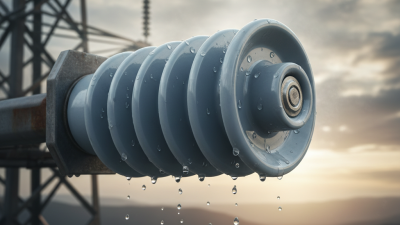
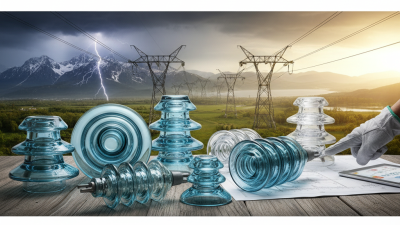
In today’s constantly changing world of electrical power stuff, you can’t really ignore how important Green Glass electrical insulators are. They’re actually key players when it comes to making sure our electrical systems run smoothly and reliably. If you’ve seen the latest Global Insulator Market Report, you’d know that the demand for eco-friendly insulators, like those made from green glass, is expected to grow at about 6.5% CAGR from 2023 all the way to 2030. That’s a pretty solid sign that the industry’s seriously leaning toward more sustainable practices. Plus, it’s clear that green glass isn’t just good for the environment — it also offers real durability and top-notch performance.
Dr. Emily Thornton, who’s a senior researcher over at the Institute of Electrical Insulators, puts it nicely when she says, “Green Glass Electrical Insulators show how using innovative materials can boost electrical safety without harming our planet.” These insulators have awesome insulative qualities and can handle tough weather conditions, so they’re becoming an everyday part of power distribution setups around the world. As environmental worries keep climbing, it’s more important than ever for engineers and utility companies to start thinking greener. Honestly, making that Switch is really about ensuring that electricity distribution of the future is eco-friendly and sustainable — something we all should get behind.
Historical Background of Green Glass Electrical Insulators
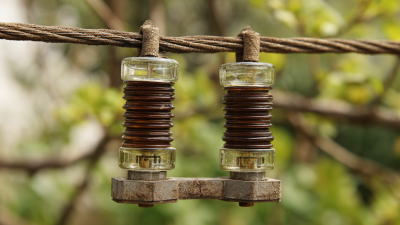
The historical background of green glass electrical insulators dates back to the late 19th century, during the expansion of electrical networks. As electricity began to be more widely adopted for industrial and residential use, the need for reliable insulation materials became apparent. Glass insulators were chosen for their excellent insulating properties, durability, and resistance to environmental factors. The distinct green color originated from the addition of iron oxide during the manufacturing process, which not only provided structural integrity but also became a visual marker of quality in electrical infrastructure.
Throughout the early 20th century, green glass insulators gained prominence as a preferred choice among utility companies. Their ability to withstand extreme weather conditions and their longevity in service made them instrumental in supporting overhead power lines. The aesthetic appeal of these insulators also played a role in their popularity, as they combined functionality with a certain vintage charm, leading many to collect them as historical artifacts today. As electricity networks evolved, the green glass insulators became symbols of a bygone era, representing the significant technological advancements made in power distribution systems.
The Composition and Manufacturing Process of Green Glass Insulators
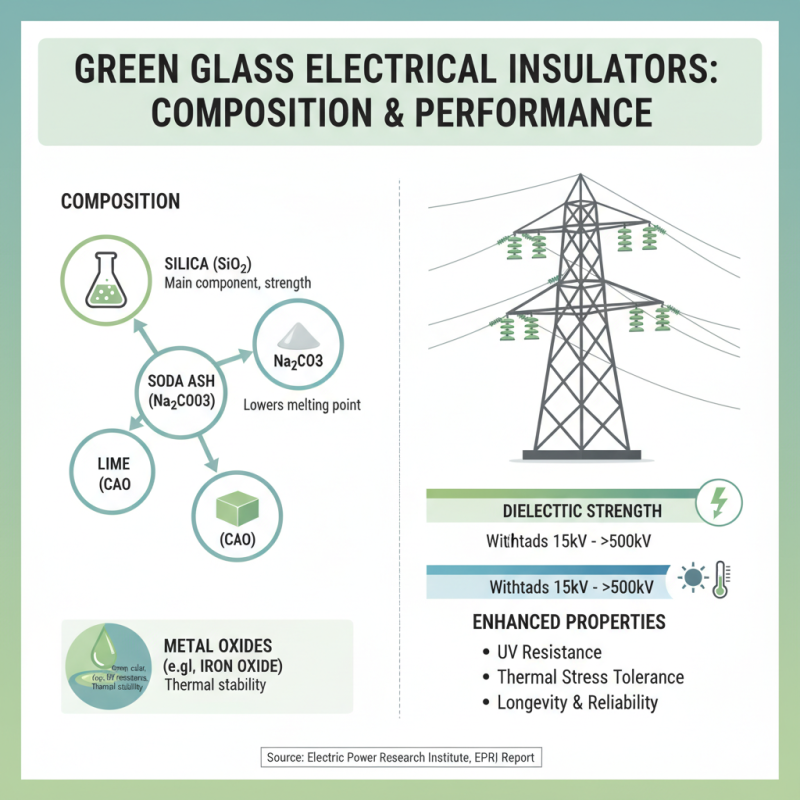
The composition and manufacturing process of green glass electrical insulators play a crucial role in their effectiveness and reliability in power distribution systems. Green glass insulators are primarily made from silica, soda ash, and lime, with the addition of various metal oxides that give them their characteristic color and enhance their electrical properties. According to a report from the Electric Power Research Institute (EPRI), these insulators can withstand high voltage environments, typically ranging from 15kV to over 500kV, due to their excellent dielectric strength. The inclusion of additives, such as iron oxide, not only provides the green hue but also improves the insulator's resistance to UV radiation and thermal stress, contributing to longevity and performance.
The manufacturing process involves several critical steps, including glass melting at temperatures exceeding 1,400°C, forming, and annealing. This meticulous process ensures that impurities are minimized, and the glass structure is optimized for electrical insulation. Industry data suggests that the failure rates of properly manufactured green glass insulators are significantly lower than those made from other materials, with failure rates as low as 1 in 1,000 installations. Furthermore, advancements in technology have led to increased production efficiency and reduced costs, enabling utilities to adopt these effective insulators more widely, thereby enhancing the reliability of power distribution networks. Overall, the combination of superior materials and innovative manufacturing techniques positions green glass insulators as indispensable components in modern electrical infrastructure.
Functional Role of Insulators in Power Distribution Systems
Electrical insulators play a critical role in power distribution systems by preventing the flow of electric current between conductive materials, ensuring safety and efficiency. In particular, green glass insulators are favored for their durability and aesthetic appeal. These insulators provide a reliable barrier that protects both people and equipment from electrical shocks while allowing the necessary transmission of electricity along power lines.
Tips: When selecting insulators for installation, always consider the environmental conditions of the area. Factors like temperature fluctuations and exposure to moisture can affect the longevity and performance of the insulators.
The functionality of these insulators extends beyond simple containment of electrical currents; they also support overhead cables, maintaining tension and alignment. This structural role is essential in minimizing the risk of sagging or snapping lines, which can lead to outages or hazardous situations. Proper installation and maintenance of insulators, including regular inspections for deterioration, are vital in ensuring the reliability of the power distribution system.
Tips: Regular maintenance checks can help identify issues with insulators before they lead to larger problems. Consider scheduling annual inspections to ensure longevity and safety in your power distribution system.
Advantages of Using Green Glass Over Other Materials
Green glass electrical insulators offer several advantages that make them a preferred choice for power distribution systems. One of the primary benefits is their excellent durability and resilience to weathering. Unlike some plastic insulators, green glass can withstand extreme temperature fluctuations and harsh environmental conditions without losing their insulating properties. This durability ensures a long service life, reducing the need for frequent replacements and maintenance, which can be costly and time-consuming.
Moreover, green glass insulators exhibit superior electrical performance. Their smooth surface minimizes the accumulation of dirt and pollutants, which can compromise insulation effectiveness. This self-cleaning characteristic is particularly advantageous in areas with high levels of environmental contaminants. Furthermore, the high dielectric strength of glass means it can handle greater voltage loads, enhancing overall system reliability and safety. The aesthetic appeal of green glass further complements its functionality, adding a traditional charm to power distribution infrastructure. Overall, the choice of green glass insulators significantly contributes to efficient and reliable power distribution systems.
Why Are Green Glass Electrical Insulators Essential for Power Distribution - Advantages of Using Green Glass Over Other Materials
| Feature | Green Glass Insulators | Other Materials |
| Electrical Insulation Strength | High | Moderate |
| UV Resistant | Yes | No |
| Durability | Exceptional | Variable |
| Environmental Impact | Recyclable | Not always |
| Aesthetic Appeal | Appealing Green Hue | Limited Options |
| Cost Efficiency | Cost-Effective over time | Often Higher |
Environmental Impact and Sustainability of Green Glass Insulators
Green glass electrical insulators play a significant role in power distribution systems, particularly when considering their environmental impact and sustainability. Made from recycled materials, these insulators not only minimize waste but also reduce the carbon footprint associated with traditional insulator production.
According to a report by the International Energy Agency, the use of recycled glass in electrical applications can cut greenhouse gas emissions by up to 30%. This demonstrates the beneficial role green glass insulators can have in promoting sustainable practices within the energy sector.
Furthermore, the durability and longevity of green glass insulators contribute to their sustainability. They are known to withstand harsh weather conditions and have a lifespan that often exceeds 30 years. This longevity reduces the need for frequent replacements, further conserving resources.
The American Glass Research Council highlights that by using green glass insulators, utilities can significantly lower maintenance costs while achieving operational efficiency.
Tips for Selecting Green Insulators: When considering green glass insulators, ensure that you verify the source of the glass and its recycling processes. Opting for insulators produced from a high percentage of recycled materials maximizes both environmental benefits and energy efficiency. Additionally, always check for certifications that validate the sustainability claims of the products.
Investing in green technologies not only supports the planet but also improves the ecological profile of power distribution systems.
Common Applications of Green Glass Insulators in Modern Power Grids
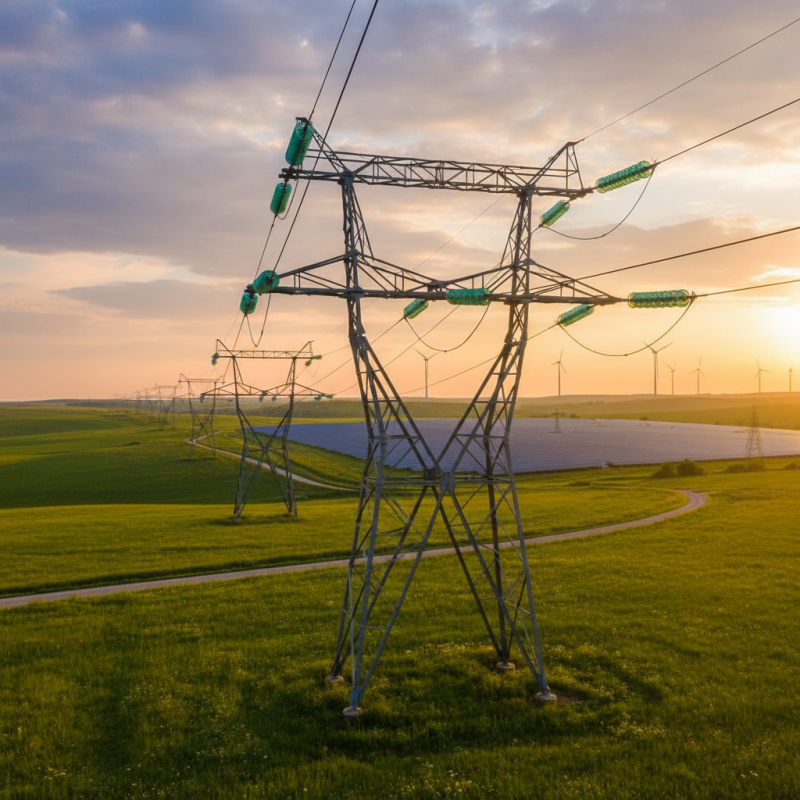
Green glass electrical insulators play a vital role in modern power grids, primarily due to their unique properties and aesthetic appeal. These insulators are widely utilized in various applications, particularly in overhead power lines, where they provide reliable support and insulation for conductors. Their composition allows them to withstand harsh environmental conditions, such as high voltages, wind, and temperature fluctuations, making them an ideal choice for utility companies aiming for longevity and durability in their infrastructure.
In addition to overhead lines, green glass insulators are also used in substations and transformer stations where they help maintain safety and efficiency in electrical systems. Their ability to insulate while supporting heavy cables ensures minimal signal loss and helps prevent electrical discharge or faults. Furthermore, the distinctive green color of these insulators not only blends aesthetically with natural surroundings but can also aid in reducing glare and visual pollution, making them a popular choice in urban environments and conservation areas. Through these diverse applications, green glass insulators demonstrate their essential role in ensuring the reliability and safety of modern power distribution networks.
Common Applications of Green Glass Insulators in Modern Power Grids
Future Trends in Electrical Insulation Technologies and Materials
The future of electrical insulation technologies is poised for significant advancements, driven by the increasing demand for efficiency and sustainability in power distribution systems. As reported by the International Energy Agency (IEA), global electricity demand is expected to surge by over 30% by 2040, necessitating innovations in insulation materials that can withstand higher voltages and improve performance. Emerging materials such as silicone-based compounds and nanocomposites are showing promise due to their superior electrical properties and thermal stability, enabling better performance in extreme conditions.
Additionally, the shift toward renewable energy sources is accelerating the development of environmentally friendly insulation solutions. According to a recent study by the Electric Power Research Institute (EPRI), approximately 25% of electrical insulation materials are now derived from sustainable sources, indicating a growing trend in the industry. This shift not only reduces the carbon footprint of electrical systems but also enhances the longevity and efficiency of power distribution networks. As electric grids become increasingly complex with the integration of smart technologies, the role of advanced insulation materials will be crucial in ensuring reliability and safety in electrical infrastructure.
FAQS
: Green glass electrical insulators are insulation materials used in electrical power distribution systems, developed in response to the growing need for reliable insulation during the late 19th century. They were chosen for their excellent insulating properties, durability, and resistance to environmental factors.
The distinct green color of glass insulators comes from the addition of iron oxide during the manufacturing process, which also enhances their structural integrity.
Green glass insulators are made from recycled materials, which minimizes waste and reduces the carbon footprint compared to traditional insulator production. Their usage can cut greenhouse gas emissions by up to 30%.
Green glass insulators are known for their durability and can have a lifespan that often exceeds 30 years, which reduces the need for frequent replacements and conserves resources.
When selecting green glass insulators, it's important to verify the source of the glass and its recycling processes. Opting for those made from a high percentage of recycled materials and checking for sustainability certifications is advisable.
Future trends in electrical insulation materials include advancements in efficiency and sustainability, with a focus on emerging materials like silicone-based compounds and nanocomposites that can withstand higher voltages and improve performance.
The shift towards renewable energy is accelerating the development of eco-friendly insulation solutions. A significant portion of electrical insulation materials is now derived from sustainable sources, reducing the overall carbon footprint of electrical systems.
Green glass insulators have gained popularity as vintage collectibles due to their aesthetic appeal and historical significance, representing a bygone era in technological advancements within power distribution systems.
Conclusion
Green glass electrical insulators have played a crucial role in power distribution systems, with a rich historical background that showcases their evolution and significance. These insulators are created through a specialized manufacturing process that combines silica, soda, and lime, resulting in a durable and effective insulating material. Their primary function is to support and insulate electrical conductors, preventing electrical leakage and ensuring safe power transmission.
The advantages of using green glass over alternative materials include superior electrical properties, weather resistance, and aesthetic appeal. Additionally, green glass insulators contribute to environmental sustainability due to their recyclable nature. Commonly utilized in modern power grids, they are vital for reliable electricity distribution. As technology advances, the future of electrical insulation may witness new materials and innovations, but the legacy and functionality of green glass electrical insulators remain indispensable in the industry.