 When it comes to high voltage applications, picking the right isolator is a pretty big deal — you really can't overlook it. As the demand for reliable and efficient electrical systems keeps growing, it's super important to understand the ins and outs ofisolators designed specifically for high voltage environments. This guide is gonna walk you through everything you need to know about choosing the best isolator for these kinds of setups. We'll cover industry standards, common issues you might run into, and the pros and cons of different types of isolators. Oh, and by the way, Jiangxi QOQian Electric Co. LTD., with its experience dating back to 2002 in making glass insulators, really knows their stuff. They've seen how innovation and quality matter big time when it comes to developing reliable glass and circuit insulators. So, stick with us as we dive into how to make sure your setup is both safe and performing at its best, starting with the right isolator choices and designs.
Importance of High Voltage Insulation and Its Role in Electrical Safety
You know, high voltage insulation really is a key player when it comes to keeping electrical systems safe—especially in those super high voltage transmission lines. If the insulation fails, things can get pretty messy, causing big system outages or even safety hazards. The overall reliability of these electrical setups heavily depends on how well the insulation materials hold up. For example, if insulators get contaminated—like from dirt or pollution—they can start having partial discharges, which over time can weaken them even more and mess with the system’s performance. That’s why it's so important to keep an eye on these conditions — catching issues early helps prevent serious failures and keeps everything running smoothly.
Plus, apart from just monitoring, making sure power lines are clear of surrounding vegetation is equally important. Utility companies often tackle this proactively by managing the greenery around medium-voltage lines. It’s all about reducing environmental factors that might cause insulation problems. The weather and nearby plants can seriously affect how well the insulation works, which is why designing systems that can handle these challenges—and doing regular checks—is so crucial. Bottom line, investing in better insulation tech and routine maintenance is the way to go for keeping high voltage systems safe and long-lasting.
Basically, staying proactive with inspections and maintenance isn't just good practice — it’s essential for reliable, safe power. After all, nobody wants a preventable blackout or a dangerous situation, right?
Key Factors to Consider When Selecting Isolators for High Voltage Systems
When you're choosing isolators for high-voltage setups, there are a few important things to keep in mind to make sure everything stays safe and works smoothly. 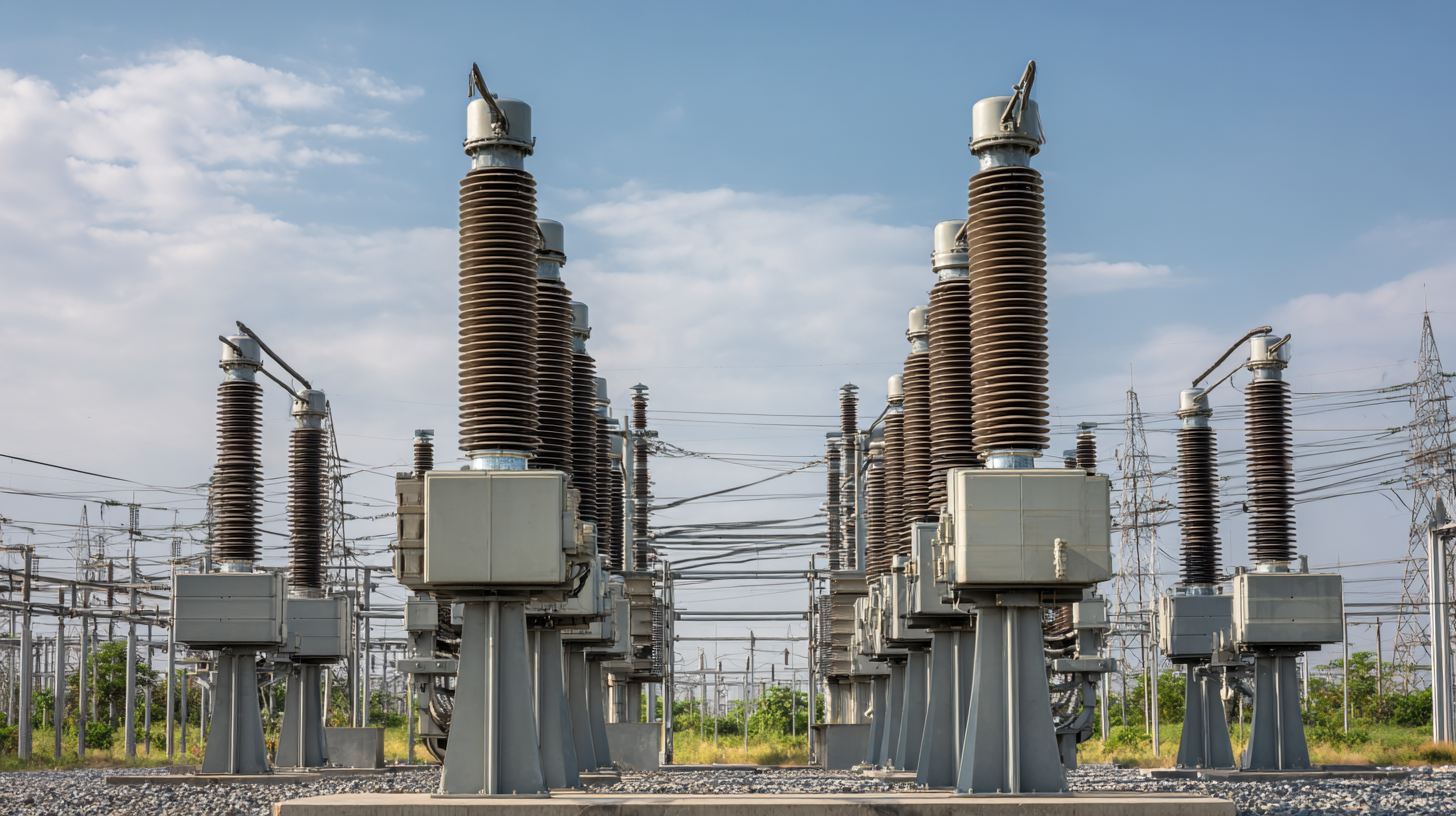 First off, you want to double-check that the voltage rating on the isolator matches what your system needs. High-voltage applications can be pretty varied, so it’s smart to pick one that can handle the max voltage plus any unexpected surges.
Another thing to think about is what material the isolator is made of. Different materials hold up differently depending on the environment—think extreme temperatures, humidity, and so on. If you're installing these outdoors, it’s a good idea to go for models with weatherproof coatings since that’ll help them last longer.
A couple of tips: always look for certifications and standards compliance—it’s a good sign that the product is reliable and safe for high-voltage use. Also, don’t forget to consider how much maintenance the isolator will need. Picking a low-maintenance option can save you time and money in the long run. And if you're ever uncertain, it’s totally worth chatting with the manufacturers or experts—they can recommend isolators that are perfectly suited for your specific application. That way, you can really reduce the risks involved.
Overall, just take your time comparing options and don’t hesitate to ask questions—that’ll go a long way in keeping everything safe and running smoothly.
Comparing Traditional vs. Advanced Insulator Materials: Efficacy and Longevity
When you're dealing with high voltage setups, picking the right insulator material is super important — it’s all about safety and keeping things running smoothly. Traditional options like ceramic and glass have been around forever because they really do the job: they handle electrical stress well and stand up to tough weather. Ceramics, in particular, are pretty sturdy and have good heat resistance, so they’re often used outdoors. That said, they can be heavy and kind of fragile, which might be a pain in some situations. So, it’s worth thinking about how durable they are over the long run and what kind of maintenance they need.
On the flip side, newer materials like polymer composites and silicone rubber are becoming more popular. They’re lightweight, which is a big plus, and usually perform better in tough conditions. Plus, they’ve got this cool hydrophobic quality — meaning they kind of repel water and can even clean themselves a bit, avoiding dirt and grime buildup. And, honestly, they tend to last longer too, so in the long run, they might save you some cash. As energy needs grow and older infrastructure gets more worn out, understanding how these materials hold up over time and how effective they are is super important for making smart choices in high voltage work.
Common Challenges in High Voltage Applications and How Quality Isolators Address Them
When dealing with high voltage stuff—think electric vehicle batteries or smart grids—having good quality isolators really can't be stressed enough. They’re kind of the unsung heroes, helping tackle those pesky voltage dips and quick transients that could mess up sensitive electrical parts or cause inefficiencies. As technology moves forward—like with solid-state transformers and dynamic voltage restorers—the need for dependable isolators is only getting bigger. They’re essential for keeping everything running smoothly and safely, even under intense conditions.
On top of that, rapid advances in materials science are opening the door to some pretty innovative insulator designs that boost both performance and reliability. With more EVs packing 800V battery systems, it’s clear that top-notch isolators are more important than ever for keeping everything working safely and efficiently. Plus, as automation makes inspecting power lines easier, we really need solid isolation solutions that can handle the complexities of today’s energy systems. By adopting cutting-edge isolator tech, industries can better manage the risks that come with high voltage setups, all while pushing us closer to greener, more sustainable energy solutions.
Global Standards and Certifications for High Voltage Isolators: What You Need to Know
So, when you're picking out high voltage isolators, it's super important to get a good handle on the global standards and certifications out there. I mean, with utility-scale solar tech moving from 1.5 kV to 2 kV on the DC side, it’s a pretty big deal — it kinda highlights just how much we need top-quality isolators. As the voltage goes up, you’ve got to pay closer attention to how these isolators perform, because higher resistances can sometimes cause failures if you’re not careful. Plus, with new rules rolling out, like the UNECE Regulation No. 100 for EV batteries, safety is stricter than ever — and that directly influences what’s needed for high-voltage isolators.
Having certifications like UL, CSA, VDE, or IEC isn’t just a formality — they’re basically a guarantee that the isolators meet worldwide safety standards. And with recent advances in isolation transformers, we’re seeing a real push toward better, reinforced isolation to avoid electrical mishaps. The new AS/NZS 4777.2:2020 inverter standard just kicked in, and everyone involved in the industry needs to get up to speed — it’s all about staying compliant and making sure systems stay reliable. As power transmission keeps evolving, making sure our isolators are certified and designed to handle these higher voltages is crucial for building a safer, more sustainable energy future.
Case Studies: Success Stories of Effective Isolator Implementations in Industry
Picking the right isolator for high voltage stuff is actually super important — I mean, just look at all the success stories out there across different industries. Take the renewable energy world, for example. A top solar farm decided to upgrade their system with some high-tech isolators, and wow, it really made a difference. By putting these into their grid, they managed to run things more smoothly, cut down on downtime during maintenance, and overall boost their energy output. Plus, they saved some cash on operational costs, proving that the right isolator can totally change the game in high-stakes setups.
And then there's this other story from manufacturing. There was this huge plant that was struggling with voltage swings, which was risking damage to sensitive equipment. After they switched to a high-performance isolator designed for tough conditions, everything improved — equipment lasted longer, and safety was way better. Those isolators really helped tame the voltage surges and kept their production humming along without issues. These real-world examples show just how crucial it is to pick the right isolator. When you do, you’re looking at better efficiency, safer operations, and all-around smoother running — pretty great, right?
Ultimate Guide to Choosing the Best Isolator for High Voltage Applications
This chart illustrates the effectiveness of different isolators used in high voltage applications across various industries. The data represents the average performance ratings of each isolator type based on case studies from multiple implementations.
The Essential Guide to 120kN High Voltage Insulators: U120BS Cap and Pin Type Toughened Disc Glass Insulator
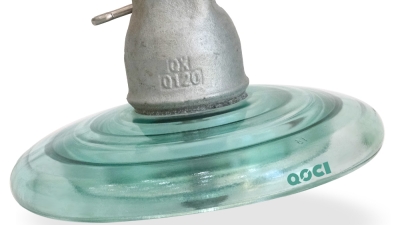
High voltage insulators play a crucial role in the reliability and stability of electrical power systems, particularly in environments where the safety and efficiency of operation are paramount. The QOCI Electric U120BS Cap and Pin Type Toughened Disc Glass Insulator is engineered to meet these rigorous demands. With its exceptional design, the U120BS insulator effectively isolates and supports conductors in high-voltage applications, ensuring that power systems can function optimally. According to industry reports, glass insulators provide excellent electric strength and mechanical durability, making them ideal for demanding conditions.
Crafted from high-quality tempered glass, the U120BS insulator boasts remarkable resistance to environmental stresses, such as extreme weather conditions, pollution, and moisture. This durability ensures a long lifespan and reduced maintenance needs, ultimately lowering operational costs for utility providers. The performance of glass insulators, such as the U120BS, is consistently highlighted in studies, which demonstrate their reliability in maintaining electrical grid stability under various conditions. In testing, glass insulators exhibited lower failure rates compared to porcelain alternatives, reaffirming their status as a superior choice for high-voltage applications.
Choosing the QOCI Electric U120BS insulator means opting for a robust solution that excels in both strength and performance. By integrating advanced materials and design principles, the U120BS not only meets but exceeds industry standards, making it a vital component for enhancing electrical systems. Investing in high-quality insulators like the U120BS can significantly elevate grid stability, supporting energy demands for years to come.
FAQS
: The voltage rating of the isolator must align with your system requirements, ensuring it can handle the maximum voltage and any potential surges.
Different materials can withstand various environmental conditions, such as temperature extremes and humidity levels, which is crucial for the isolator's performance and longevity.
Weather-resistant coatings enhance the durability of isolators, ensuring they can withstand harsh outdoor conditions.
Always check for certifications and compliance with industry standards to ensure the isolators are reliable and safe for high voltage systems.
Selecting low-maintenance isolators can save time and reduce long-term costs, making them a preferable choice for many applications.
Quality isolators help manage voltage sags and transients that can cause inefficiencies and potential damage to sensitive electrical components in high voltage systems.
Advancements in technologies, such as solid-state transformers and the shift towards automated power line inspections, have heightened the need for robust isolators to ensure safe and efficient operation.
Innovations in material science lead to the development of new insulator designs that enhance both performance and reliability in high voltage applications.
The surge in 800 V battery systems in EVs increases the necessity for high-quality isolators to maintain optimal performance and safety in these applications.
By mitigating risks associated with high voltage applications and enhancing system reliability, quality isolators contribute to the safe and efficient functioning of modern energy systems, promoting greener energy usage.