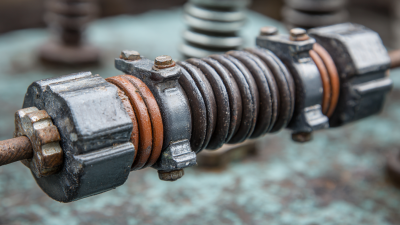
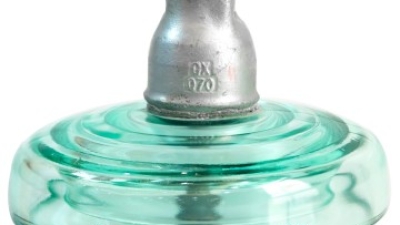
When it comes to making sure your electrical systems are safe and reliable, choosing the right Cap PIN INSULATORis a pretty big deal. Here at Jiangxi QOCl Electric Co. LTD., we’re all about providing high-quality insulators that fit a variety of electrical needs. Our journey started back inDecember 2002 in Jiangxi Province, China, and over the years, we’ve really fine-tuned our manufacturing tech—especially for glass insulators—and built strong R&D capabilities for both functional glass and circuit insulators. This ultimate guide is here to walk you through the key factors to consider when picking the perfect insulator. I’ll share five solid reasons why choosing the right one can boost your system’s performance and keep everything up to safety standards. Whether you’re after something durable, weather-resistant, or budget-friendly, understanding the ins and outs of Cap Pin Insulators will help you make smarter, more confident decisions for your projects.
Common Issues Faced with Cap Pin Insulators in Electrical Applications
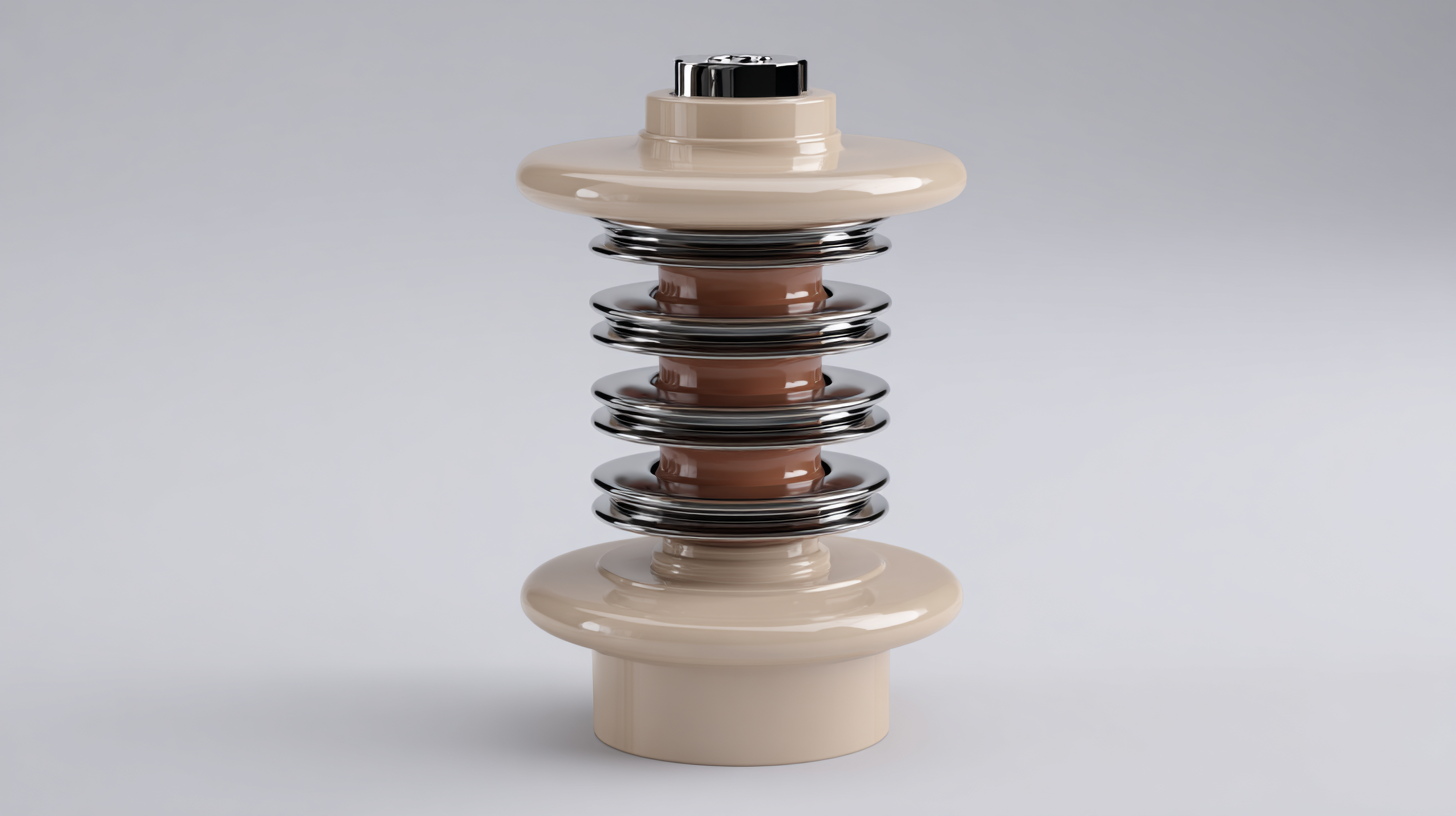
So, when you're picking cap pin insulators for electrical stuff, there are a few common issues that can pop up and mess with their performance. One big thing to watch out for is partial discharge — that’s when the insulator isn’t rated high enough for the voltage it’s dealing with. If that happens, it doesn’t just cause insulation wear and tear; it can also lead to equipment failures or even dangerous situations. Long story short, you really want to make sure the insulator you choose can handle the voltage requirements to avoid all that trouble.
And then, there’s the environmental stress factor. Things like UV rays, moisture, and changes in temperature over time can really take a toll on insulators. If they’re exposed to pretty harsh weather, they might become brittle or even crack, which could cause outages or other issues. To keep everything running smoothly and safely, it’s a smart move to go for insulators made from strong, UV-resistant materials that are built to handle tough conditions. That way, your system stays reliable no matter what Mother Nature throws at it.
Identifying the Right Type of Cap Pin Insulator for Your Specific Needs
So, when you're trying to pick the right cap pin insulator for your electrical setup, it really helps to think about what exactly your application needs. These insulators come in different kinds—porcelain, polymer, and glass—and each one has its own perks. For example, porcelain insulators are pretty tough and handle high voltage really well, so they’re great if you’re dealing with heavy-duty stuff. On the flip side, polymer insulators are lighter and tend to hold up better against weather stuff, which can be a big plus if you're in an area with crazy weather swings.
Getting a good feel for your environment and what your electrical system needs is key here. Things like how much load you'll have, how well it needs to insulate, and what kind of climate you're dealing with should influence your choice. If your setup is out in a place where humidity and temperature change a lot, then polymer or glass might be the way to go—they tend to be more resilient. But if you're working in the countryside with milder weather, a classic porcelain insulator might do the trick just fine. By thinking through these factors, you'll be able to pick a cap pin insulator that works safely and effectively for what you need.
Hopefully, that helps clear things up a bit. Choosing the right insulator isn’t as complicated as it seems once you factor in the environment and your load requirements!
Impact of Environmental Factors on Cap Pin Insulator Performance
You know, when it comes to cap pin insulators, their performance really takes a hit depending on the environment. Things like pollution and weather conditions can seriously affect them. High-voltage power lines, for instance, are pretty much sitting ducks when there's a lot of pollution around — that contamination can cause insulators to fail badly.
Studies have shown that when insulators get heavily polluted, the electric field they've got to handle gets stronger, which can speed up a flashover — that’s when they suddenly break down and cause outages. Funny thing is, recent research into porcelain insulators under dirty conditions showed that a flashover isn’t usually an instant thing; it’s more of a complex dance between the dirt on the insulator and the electrical discharges happening inside. So, it’s not just a simple on-off situation.
And speaking of aging, it turns out that rusty, worn-out porcelain insulators are more likely to cause trouble, especially in dirty environments. For example, in South Korea, tests on various porcelain insulators revealed that ones exposed to pollution for a long time really show much higher leakage currents than ones kept in cleaner, wetter conditions. Luckily, technology’s been advancing — now we have smart wireless devices that monitor insulators in real time.
These gadgets provide quick insights into how severe the environmental impact is on the insulators, which helps utility companies decide when it’s time for maintenance or replacements before things get out of hand. All in all, it’s pretty fascinating how much our environment can influence these tiny but critical parts of the power grid!
Troubleshooting Frequent Failures of Cap Pin Insulators
You know, cap pin insulators are pretty important when it comes to keeping electrical systems running smoothly and safely. But here’s the thing—if they fail too often, it can cause real headaches like unexpected outages and hefty maintenance bills. According to a report from the IEEE, almost 30% of insulator failures happen because of environmental factors—things like pollution and moisture—that build up over time and mess with the insulator’s integrity.
So, to avoid these headaches, it’s a good idea to keep an eye out for any signs of trouble and address them quickly. Regular inspections are key—look for tracking (that’s like electrical tracking on the surface) or cracking, because those are usually the first signs something’s going wrong before things get worse. Setting up routine maintenance schedules really helps cut down on surprises and sudden failures.
Here’s a tip: Think about upgrading to polymer insulators. They tend to handle environmental assaults a lot better than the old porcelain ones. Also, make sure your insulators are installed correctly and that all electrical connections are tight—loose bits can cause arcing and speed up wear and tear. If you stay proactive like this, you’ll really improve how long your electrical systems last and perform.
Best Practices for Maintenance and Care of Cap Pin Insulators
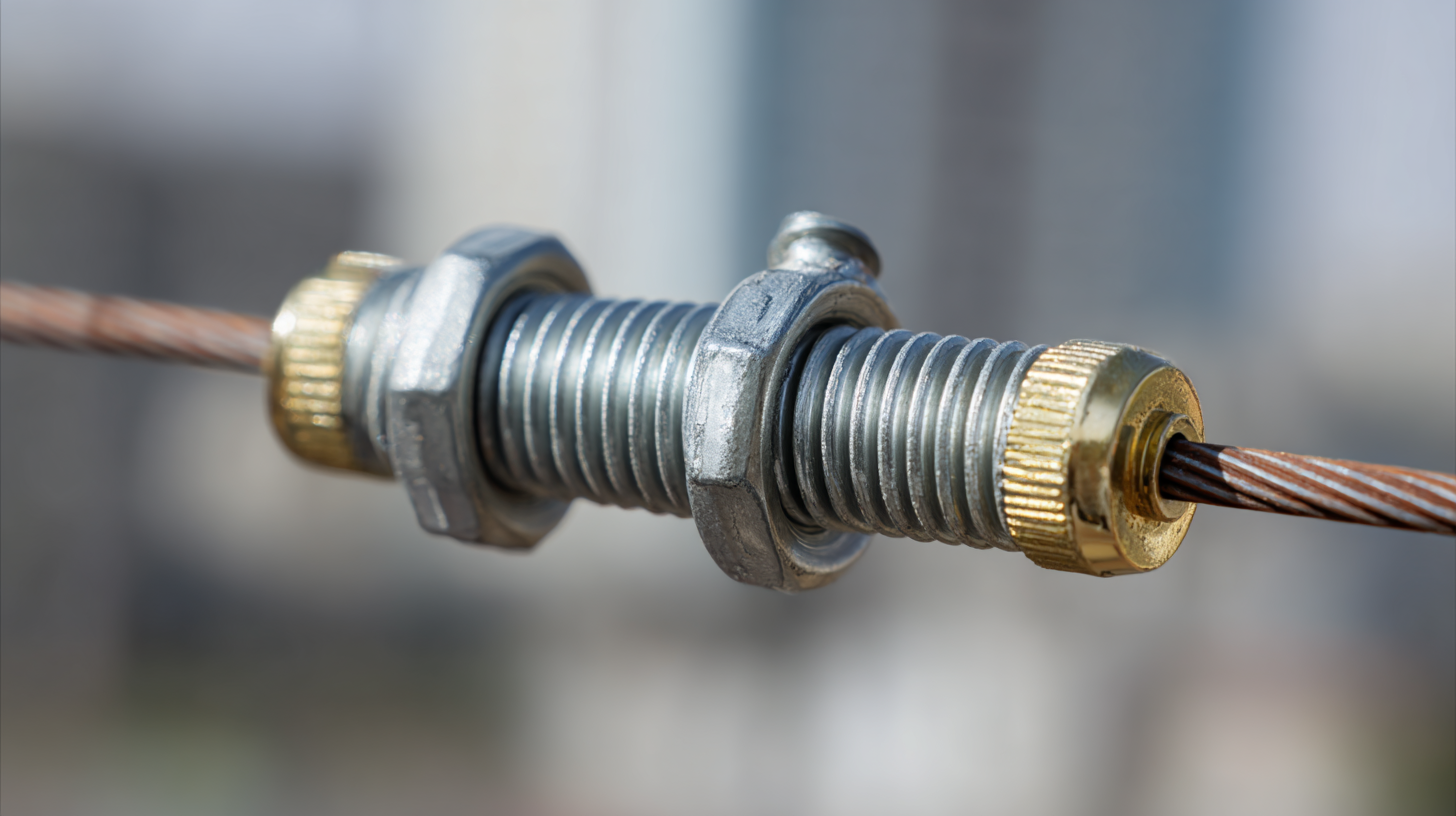
When it comes to taking care of cap pin insulators, doing regular maintenance really makes a difference in keeping them working well and lasting longer. A good starting point is to get into the habit of inspecting them often. Keep an eye out for any cracks, discoloration, or signs of wear—you'd be surprised how catching these early can save you a headache later on. And don’t forget to give them a gentle cleaning with a soft cloth and the right cleaning solution to get rid of dust and grime that might mess with their insulating abilities.
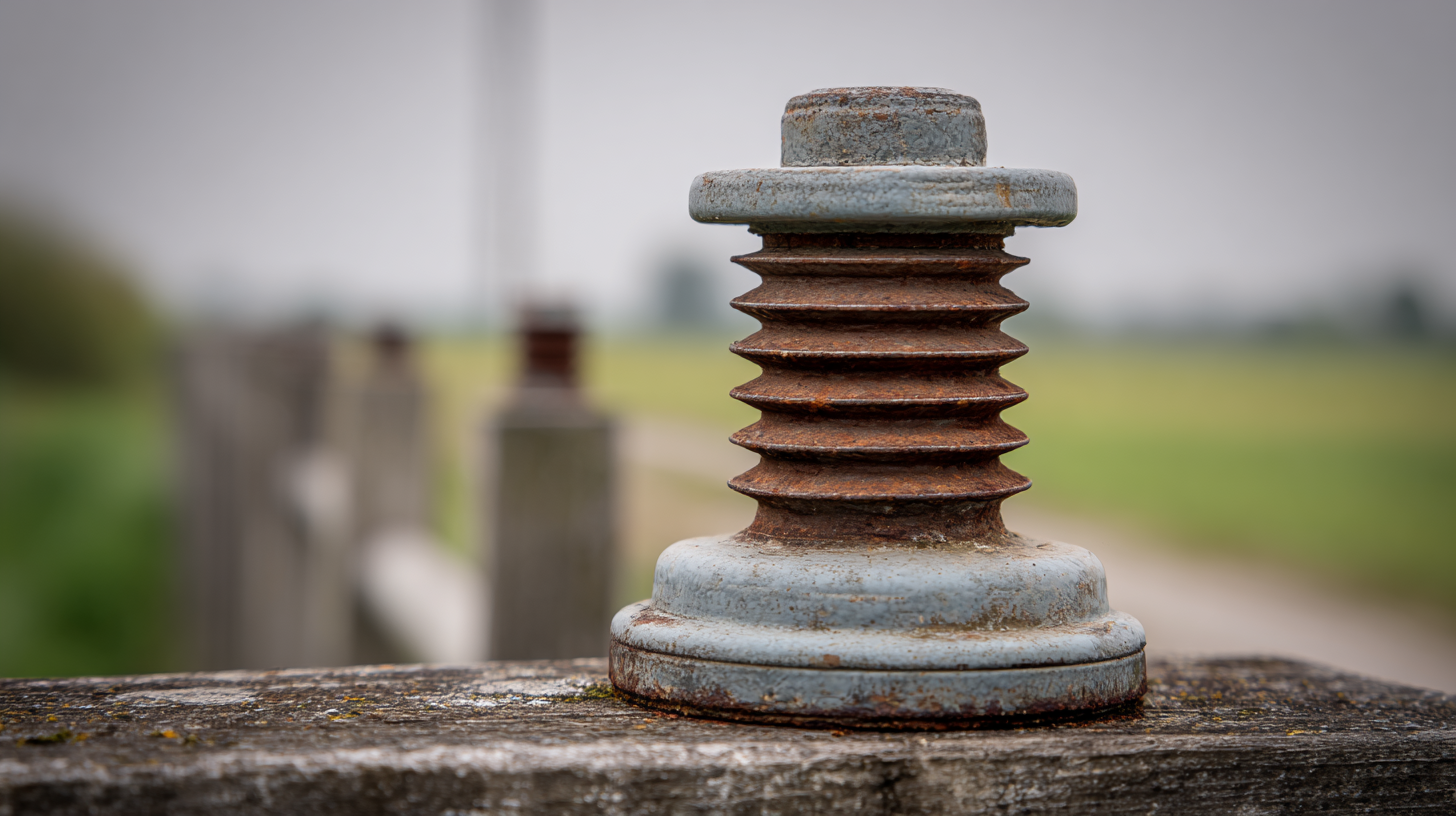
Another thing to keep in mind is making sure the environment around your insulators isn’t doing them any harm. They don’t like extreme weather, so if your setup’s somewhere that experiences heavy rain or really hot or cold temperatures, it’s a good idea to toss in some extra protection like covers or shields. Also, keeping the area around them clear of overgrown plants can do wonders—this way, moisture won’t get trapped, and air can flow freely, which helps them stay in good shape longer and work more efficiently.
Understanding Material Choices and Their Role in Insulator Problems
When you're choosing cap pin insulators for electrical work, it’s really important to understand the different materials out there. I mean, things like porcelain, glass, and composite polymers can make a big difference in how well the insulators perform and how reliable they are. Porcelain is pretty much the classic choice because it’s strong and can handle high voltages, so it’s great for high-voltage situations. But, honestly, it can be a bit fragile — if something hits it just right, it might crack. Glass insulators are another option; they’re fantastic because you can easily see any damage on them, thanks to their transparency. Plus, they also handle high dielectric stress. That said, they’re a bit vulnerable to weather issues — like icing, for example.
Another thing to keep in mind is how the material deals with common problems like dirt, contamination, and moisture. Materials with hydrophobic (water-repelling) properties really help here, because they cut down on moisture buildup, which means less chance of electrical tracking or flashovers. For instance, many composite insulators use advanced silicone rubber coatings that repel water, making them super reliable even in wet, tricky conditions — especially important if you’re working in a climate with lots of rain or humidity. If you pay attention to the strengths and weaknesses of these materials, you can make smarter choices that will keep your electrical systems running smoothly and last longer.
Enhancing High Voltage Infrastructure: The Role of 70kN U70bp/U70blp Anti-Pollution Glass Insulators in IEC Compliance
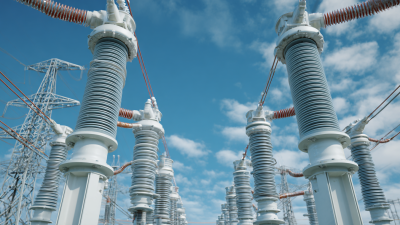
The transmission and distribution of high voltage electricity demand components that withstand challenging environmental conditions. In this context, the introduction of the 70kN U70bp/U70blp anti-pollution glass insulators has emerged as a significant development for enhancing high voltage infrastructure. Designed specifically for areas prone to pollution, these insulators ensure reliable performance while adhering to the stringent requirements set by international standards such as IEC.
The U70bp series, featuring premium suspension toughened glass insulators, is crafted to endure high mechanical loads as well as resist the accumulation of contaminants. Unlike traditional insulators, the U70bp offers improved hydrophobic properties, which allow water droplets to roll off, thus minimizing the risk of flashover under polluted conditions. This innovation not only bolsters system reliability but also reduces maintenance costs over time, making it a wise investment for utility operators.
Moreover, these anti-pollution glass insulators come in various models, including U70bp and its counterparts like 146hu100bp and 146hu120bp, catering to diverse application needs. By incorporating such advanced insulator technology, utilities can fortify their infrastructure, satisfying IEC compliance while ensuring operation efficiency and longevity. This development represents a crucial step toward more resilient power distribution networks in an increasingly demanding environment.
FAQS
: Cap pin insulators are crucial components in electrical systems that ensure reliability and safety. They prevent electrical leakage and maintain proper insulation, helping to avoid failures and downtime.
Nearly 30% of insulator failures are attributed to environmental stresses such as pollution and moisture, which can accumulate and compromise the integrity of the insulator.
Regular inspections should focus on detecting signs of tracking or cracking, which can indicate potential severe failures.
Implementing routine maintenance schedules and conducting regular inspections can significantly lower the likelihood of unexpected failures.
Polymer insulators offer superior resistance to environmental factors compared to traditional porcelain insulators, enhancing their longevity and performance.
The material choice affects the performance and reliability of insulators, influencing their resilience against environmental challenges and their overall effectiveness in electrical systems.
Porcelain insulators are strong and have a high withstand voltage, making them suitable for high-voltage applications, but they can be brittle and prone to breakage under specific conditions.
Glass insulators provide excellent visibility for damage inspection and have high dielectric strength, but they may face challenges such as susceptibility to icing.
Hydrophobic materials help mitigate moisture retention, reducing risks of electrical tracking and flashover by repelling water.
Composite insulators often feature advanced silicone rubber surfaces that repel water, providing superior performance in wet conditions, particularly for utilities in diverse climates.
Conclusion
In our 'Ultimate Guide to Choosing the Right Cap Pin Insulator for Your Electrical Needs,' we dive into the key factors you should consider to make sure your electrical setup works smoothly. Honestly, picking the wrong insulator can cause all sorts of issues down the line—it’s essential to choose the right type right from the start. This guide is packed with useful tips on how to figure out which cap pin insulator fits your specific needs, taking environmental conditions into account that might affect performance. We also cover some common problems that pop up and how to troubleshoot them, so you’re not flying blind.
Taking care of your insulators isn’t just about quick fixes—it really helps extend their lifespan and keeps everything reliable. Knowing your material options and understanding how they behave can make a big difference, whether you're troubleshooting or just doing routine maintenance. By the way, Jiangxi QOCl Electric Co. Ltd. is a leader in making glass insulators, and they use the latest tech and R&D to produce top-notch glass and circuit insulators that meet all sorts of electrical requirements.