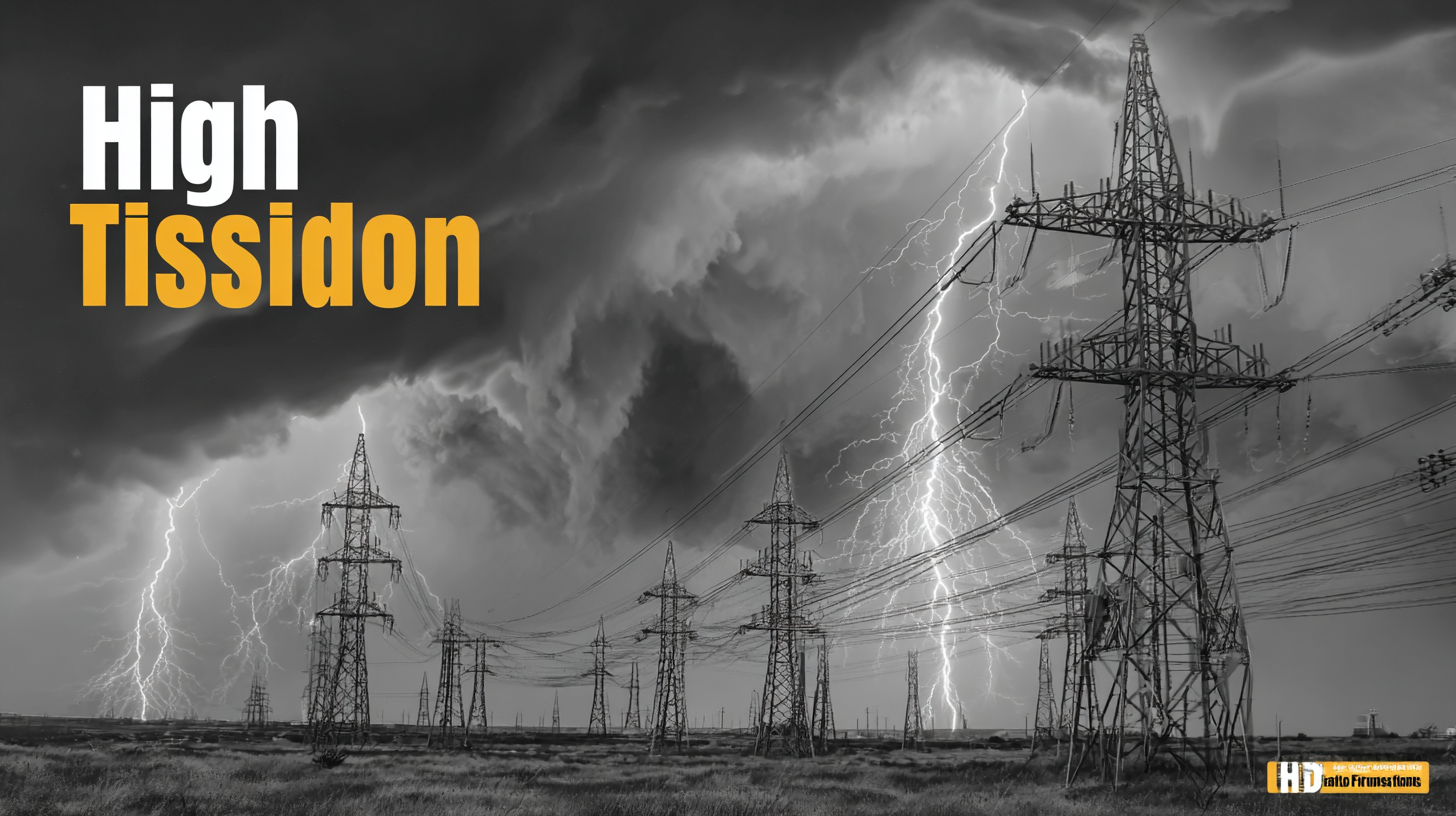
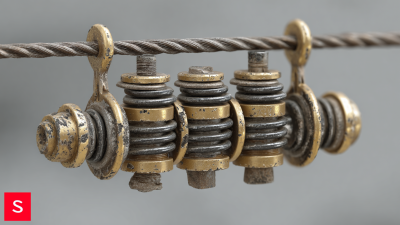
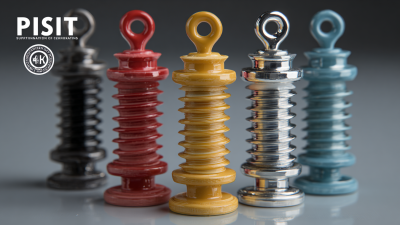
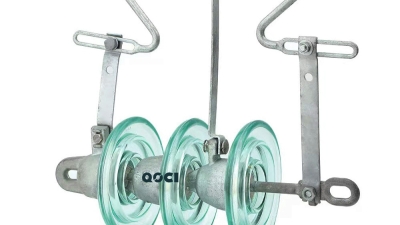
Hey there! Let’s talk about something that’s pretty crucial in today’s electrical landscape: High tension insulators. You know, with everything changing so fast in the electrical infrastructure sector, picking the rigHt Insulators is absolutely key to keeping things running smoothly and safely. It’s wild to think that the global insulator market is expected to hit around$22 billion by 2025! That’s a lot, right? And it’s all thanks to the growing need for high voltage power lines and, of course, renewable energy sources.
Now, let me introduce you to Jiangxi QOCI Electric Co. Ltd. They’ve been around since December 2002, right in Jiangxi Province, China, and they really know their stuff when it comes to glass insulators. They’re not just about production either—they’ve got some serious research and development game going on.
With smart grids becoming more of a thing and the rise of functional glass insulators, it’s super important to get a handle on the technical specs and selection criteria for these bad boys. We want to ensure efficiency and safety in our electrical systems, after all! So, this guide here is designed to arm professionals with everything they need to make well-informed decisions. That way, every single installation can stand up to the high standards modern electrical networks demand. Let’s dive in!
Benefits of Reliable After-Sales Service in High Tension Insulator Selection
So, when you're picking out high tension insulators, there's one thing that people often miss: the importance of solid after-sales service. Seriously, going with a supplier that knows how to back you up after the sale can really make a difference in how smoothly everything goes during your installation. Having reliable after-sales support means you can count on expert advice and quick troubleshooting right when you need it, which is super important for building a strong electrical infrastructure.
Plus, a solid after-sales service can give you some great tips on how to maintain and take care of those high tension insulators. This kind of support not only helps you get the most out of your insulators but also helps you avoid unexpected failures that could throw a wrench in your operations. If you run into any technical questions, a quick and helpful customer support team can step in to assist, provide replacement parts, and steer you toward the best practices for installation and upkeep. This way, you ensure that those insulators perform at their best for as long as possible. So, when you're out there choosing suppliers, don’t forget to check out their after-sales service – it’ll really help you make a smart decision that meets both your short-term and long-term operational needs.
Impact of Maintenance Costs on Long-Term Performance of Insulators
Choosing the right high tension insulators isn’t just about performance; it’s also super important to think about maintenance costs if you want them to last. You see, keeping up with regular maintenance helps ensure that the insulators run smoothly and cuts down the chances of unexpected failures. The Electric Power Research Institute (EPRI) even found that if maintenance isn’t done properly, you could see the lifespan of those insulators drop by a whopping 50%. That’s going to hit your wallet hard with higher replacement costs and maybe some annoying service interruptions too!
And get this: a recent report from the International Energy Agency (IEA) pointed out that maintenance can eat up around 15 to 20 percent of a utility’s overall operational budget. So, it’s pretty clear that shelling out for high-quality insulators that don’t need as much maintenance is a smart investement. For example, using modern composite materials can cut those maintenance needs by up to 30%! That could lead to some serious savings over time and make your power transmission systems way more reliable. By putting a spotlight on both performance and how easy they are to maintain, companies can really make sure their high tension insulators keep delivering great value well into the future.
Analyzing the Cost-Effectiveness of Different High Tension Insulator Brands
Lately, we've seen some pretty impressive growth in the high voltage insulator market. Just to give you a sense of the numbers, the high voltage composite insulators market hit around USD 846 million in 2023 and is projected to grow at a solid 6.9% CAGR by 2032. This trend is pretty exciting because it's signaling a shift to more efficient and durable materials for insulators, which is super important for making power transmission more reliable. Companies like Jiangxi QOCI Electric Co. Ltd. are really stepping up their game by using advanced production tech and robust R&D to keep up with what the industry needs, especially when it comes to glass insulators.
And guess what? The global market for disc insulators is also booming! It's expected to soar to USD 6.313 billion by 2035, jumping from about USD 3.796 billion in 2024. This growth just underscores how crucial it is to pick the right high tension insulators. We need to ensure they not only perform well but are also cost-effective in the long run. As companies continue to crunch numbers and optimize costs while keeping reliability in check, it’s becoming ever more crucial to weigh the benefits of each insulator brand—this way, you can really maximize your return on investment in power infrastructure.
Partnership with Manufacturers: Enhancing After-Sales Support and Repair Options
So, when you're picking high tension insulators for the best performance, let me tell you, teaming up with manufacturers can really take your after-sales support and repair options to the next level. A strong after-sales strategy does a couple of great things: it not only helps your insulators last longer but also sets up a smooth line of communication for any future maintenance issues. You know, research shows that if after-sales service is done right, it can boost customer retention by a whopping 70%! That just goes to show how crucial it is to the overall business strategy for manufacturers.
Now, if you're looking to really enhance your after-sales support, one good idea is to set up a dedicated service team that knows the ins and outs of insulator maintenance and repairs. Make sure they’ve got the right tools and training to tackle the usual hiccups quickly. Also, think about rolling out a digital platform where customers can easily flag any problems and keep tabs on their repair status.
And hey, with everyone pushing for more sustainable practices, it’s definitely worth looking into the circular economy when you think about partnerships. Offering repair options doesn't just help cut down on waste; it can also tap into new revenue streams. Plus, the data backs it up—providing repair services can really boost customer satisfaction and loyalty. It’s a total win-win for both manufacturers and users!
Industry Data Insights: Average Repair Costs and Failure Rates of Insulators
So, when you're picking out high tension insulators, it’s really important to keep in mind how their repair costs and failure rates can hit your wallet and overall performance. I came across this report recently that said fixing one of these insulators typically costs between $2,500 and $5,000. And yeah, depending on how tricky the repair is or where the insulator’s located, that price can really swing. This kind of financial hit makes it clear that you’ve got to be super choosy about what you go with and how you maintain it if you want them to last longer and work reliably.
Plus, don’t forget about failure rates! They can really throw a wrench in your operations and even affect safety. Recent data shows that porcelain insulators fail about 0.5% to 2% of the time each year, while composite ones are usually a bit better, averaging around 0.1% to 1% failure annually. So, even though some materials perform better than others, you’ve got to take into account the environment and specific needs of your application when making your choice. Really, putting your money towards high-quality high tension insulators can seriously cut down on those pesky failure rates, which in turn means lower repair costs and a smoother operation all around.
Average Repair Costs and Failure Rates of High Tension Insulators
Strategies for Minimizing Maintenance and Replacement Costs in Electrical Infrastructure
You know, as we push towards hitting those net-zero emissions targets, local governments are really stepping up their game when it comes to switching to zero-emission fleets. It's kind of wild, but a huge chunk of greenhouse gas emissions from local councils actually comes from transport. So, it makes total sense that they need to rethink their vehicle policies. Recent reports have shown that if they switch things up and go electric or hybrid, they could cut operational emissions by more than 50%! That's not just good for the planet, but also for the budget.
**Here's a tip:** If local authorities want to save on maintenance and replacement costs down the line, they should really look into predictive maintenance tech. Using those snazzy monitoring systems can give real-time data on how vehicles are doing, which means they can fix stuff before it turns into a big problem. Not only does this keep the fleet running longer, but it also helps avoid those annoying unexpected breakdowns.
And hey, let’s not forget about the role of government policies and incentives! They’re super important when it comes to getting electric buses and zero-emission vehicles on the road. Current research shows that towns and cities that take advantage of these incentives can shave off up to 30% on what they spend to start up their fleet! So, transitioning to sustainable public transport isn’t just good for the environment; it’s also a smart financial plan.
**Another tip:** Consider teaming up with tech companies to amp up the use of generative AI in fleet management. By fine-tuning routes and keeping an eye on energy use, local governments can really boost efficiency and sustainability while also cutting down on costs.
Ultimate Guide to Selecting the Best High Tension Insulators for Optimal Performance - Strategies for Minimizing Maintenance and Replacement Costs in Electrical Infrastructure
| Insulator Type | Material | Voltage Rating (kV) | Average Lifespan (years) | Maintenance Frequency (years) | Estimated Replacement Cost ($) |
| Suspension Insulator | Porcelain | 110 | 30 | 5 | 300 |
| Pin Insulator | Glass | 33 | 25 | 7 | 200 |
| Post Insulator | Polymer | 220 | 20 | 10 | 500 |
| Guy Insulator | Composite | 66 | 15 | 5 | 150 |
| Strain Insulator | Ceramic | 150 | 35 | 6 | 400 |
Enhancing Electrical Infrastructure: The Impact of Tempered Glass Insulators CTV254 on System Resilience and Efficiency
In the quest for enhancing electrical infrastructure, tempered glass insulators like the CTV254 have emerged as pivotal components in improving system resilience and efficiency. These insulators are specially designed to handle high voltage applications, ensuring reliable power transmission while minimizing the risks associated with electrical failures. The robust characteristics of tempered glass allow it to withstand harsh environmental conditions and mechanical stress, making it an ideal choice for critical infrastructure.
Among the leading products in this category is the U40BP glass insulator, with a capacity of 40kN, which exemplifies the exceptional performance standards expected in high tension applications. Furthermore, the CTV 254 and CTV 175 series feature a range of insulators designed for adaptability across various configurations, including multi-storey duplex and triple setups that cater to high voltage transmission and distribution lines. These innovative designs not only enhance the operational reliability of electrical systems but also contribute to improved efficiency by reducing power loss during transmission, ultimately benefiting both utility providers and consumers alike.
By integrating high-quality glass insulators into electrical networks, utilities can bolster their infrastructure against outages caused by extreme weather events or mechanical failures, thereby ensuring a more resilient energy delivery system. The shift towards advanced materials such as tempered glass reflects a broader trend in the industry towards embracing technology that enhances performance and aligns with sustainable practices.
FAQS
: Reliable after-sales service provides expert guidance, troubleshooting, and support, enhancing the overall installation experience and contributing to a more resilient electrical infrastructure.
Strong after-sales service offers maintenance insights that can prolong the lifespan of insulators and help prevent potential failures, ensuring optimal performance.
After-sales service can assist with technical queries, provide replacement parts, and offer guidance for best practices in installation and upkeep.
Proper maintenance is crucial as it ensures insulators operate efficiently, reduces the risk of unexpected failures, and affects the overall operational lifespan.
Improper maintenance can lead to a 50% reduction in the operational lifespan of insulators, increasing replacement costs and service interruptions.
Maintenance expenses account for nearly 15-20% of the total operational budget of energy utilities, highlighting the importance of effective management.
Using modern composite materials can reduce maintenance demands by up to 30%, leading to significant savings and enhancing the reliability of power transmission systems.
Organizations should prioritize both performance and maintenance efficiency to ensure that high tension insulators deliver sustained value over time.
Prioritizing suppliers with excellent after-sales service enables organizations to make informed choices that support both immediate and long-term operational needs.