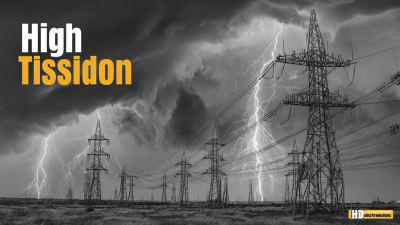
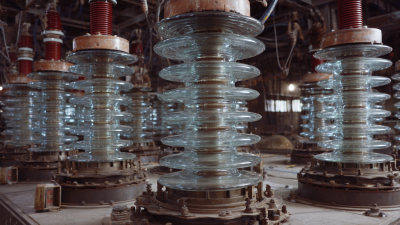
High tension insulators are pretty important when it comes to electrical systems. Basically, they’re designed to keep the electrical conductors isolated from their Supports, which is super important for safety and keeping everything running smoothly. When we say 'high tension,' it just means these insulators can handle really high voltages without breaking a sweat.
Now, these insulators have to tough it out in some pretty rough conditions. Think about extreme weather, pollution, or mechanical stresses—they’re often out there facing it all. If one of them fails, it can cause big problems, like power outages or even damage to essential infrastructure. So, for engineers and tech folks, understanding how these little guys work is pretty crucial.
There’s a range of materials used to make these insulators—stuff like glass, porcelain, and composite materials. Each comes with its own set of pros and cons, and engineers often find themselves debating which type is best for a particular situation. That ongoing conversation definitely helps keep the whole field interesting and evolving.
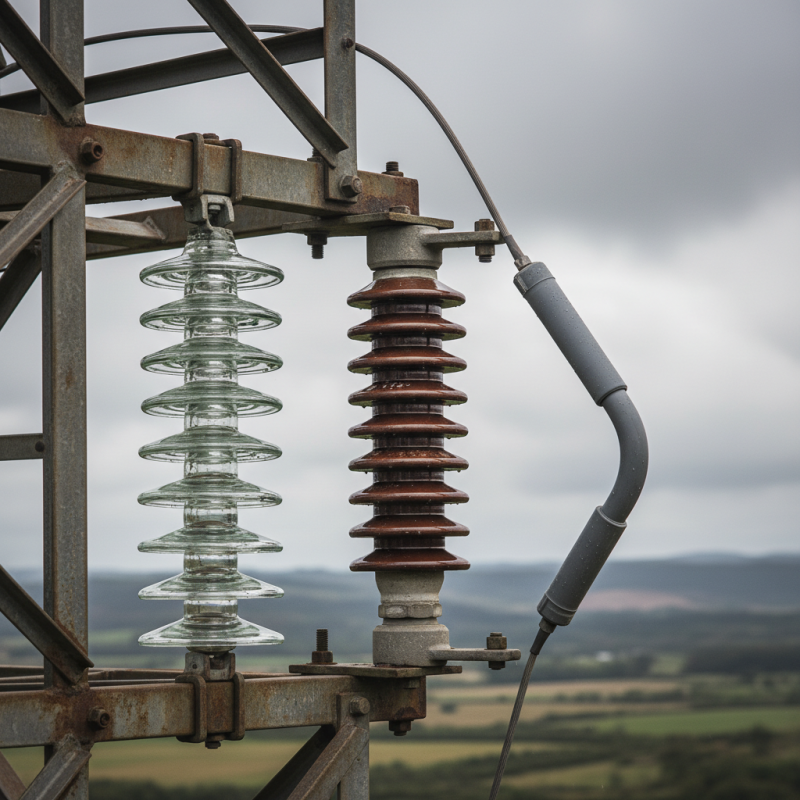
Definition and Purpose of High Tension Insulators
High tension insulators play a crucial role in electrical systems. They are designed to support and separate high voltage conductors from structures. These components prevent unwanted electrical flow and ensure safe transmission. Insulators also withstand harsh environmental conditions, such as extreme temperatures and humidity.
The main purpose of high tension insulators is to maintain electrical safety. They help prevent short circuits and other dangerous situations. Insulators can be made from materials like ceramics or composite polymers. Each material has its unique properties that can affect performance. These factors should be considered when choosing insulators for specific applications.
Understanding how high tension insulators work is vital. They must endure mechanical stress from wind and ice. At the same time, they must insulate effectively. The challenge lies in balancing these demands. Regular inspections are necessary to identify wear and damage. This reflects the importance of maintenance in ensuring long-term safety and performance.
High Tension Insulators - Voltage Levels Overview
This chart illustrates the different voltage levels that commonly require high tension insulators. The data represents the average voltage levels (in kV) categorized into standard ranges for various applications in electrical infrastructure.
Types of High Tension Insulators Used in Electrical Systems
High tension insulators play a crucial role in electrical systems. They support and insulate conductors at high voltages. Different types of insulators are used based on specific requirements. Each kind has its unique properties and applications.
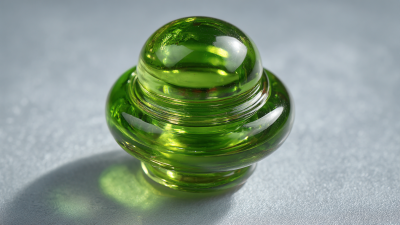
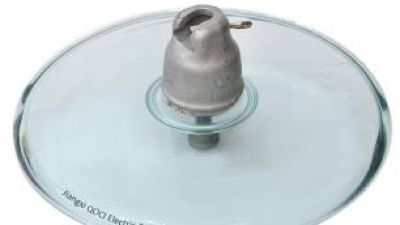
Porcelain insulators are widely used. They withstand harsh weather and are very durable. Their smooth surface helps in reducing dirt accumulation. Glass insulators are also common. They are transparent and allow for easy inspection. However, they can break easily if subjected to strong impacts.
Composite insulators, made from polymer materials, are gaining popularity. They are lightweight and resistant to pollution. Yet, they require careful maintenance to avoid degradation over time.
Tips: Monitor the condition of insulators regularly. Look for signs of wear or contamination. Address these issues promptly to ensure system reliability. Remember, even the best insulators can fail if not cared for properly. Always consider environmental factors when selecting insulators. Their performance can vary greatly depending on conditions.
Materials Used in the Construction of High Tension Insulators
High tension insulators play a crucial role in the electrical infrastructure. They are designed to support overhead power lines while preventing electrical current from grounding. The materials used in their construction determine their efficiency and reliability.
Common materials include porcelain, glass, and composite polymers. Porcelain provides excellent insulation and can withstand harsh weather. However, it can be relatively heavy and fragile. Glass insulators are durable and offer high resistance. Still, they can break under extreme conditions. Composite materials, on the other hand, are lightweight and flexible. They resist pollution and moisture better than traditional options. However, their long-term durability is still under evaluation.
**Tip:** Inspecting insulators regularly is essential. Look for cracks or discoloration that might indicate wear. Always prioritize safety during inspections.
Choosing the right material depends on various factors, such as the installation environment. Areas with high pollution may require composite insulators. Yet, the cost might be higher. Some companies choose porcelain for its proven track record. However, they must weigh the risks of damage due to environmental factors. It's a decision that requires careful thought.
**Tip:** Keep updated on new materials. Innovations in insulator technology can improve efficiency and safety. Research and consider alternatives regularly.
Mechanism of Action: How High Tension Insulators Function
High tension insulators play a critical role in electrical transmission systems. They support high voltage wires while preventing unwanted electrical discharges. Understanding their function helps grasp how electricity travels safely over long distances.
These insulators work by utilizing materials with high resistance to electrical flow. Porcelain and glass are common materials. They create a barrier that stops current from escaping. The design includes features that help withstand environmental factors, such as wind and ice.
Tip: Always consider the environment where insulators are installed. Pollution and weather can reduce their effectiveness.
High tension insulators also have a unique high voltage testing process. It ensures they can handle extreme conditions. However, even new insulators can fail. It's crucial to regularly inspect and maintain them to prevent power outages.
Tip: Look for signs of wear, like cracks or discoloration. Regular checks can save time and money in the long run.
Factors Affecting the Performance of High Tension Insulators
High tension insulators play a vital role in electrical power systems. Their performance is influenced by several factors. Understanding these can help improve system reliability. Temperature fluctuations can greatly affect insulator performance. Extreme heat can cause materials to expand, while cold can lead to contraction. These changes can weaken the insulator's integrity over time.
Humidity and pollution are additional factors. High humidity increases the risk of flashover. Pollution, such as dust and salts, creates paths for electrical discharge. This is particularly concerning in coastal regions. A study indicated that insulators in polluted environments may experience up to 50% reduced performance. Regular maintenance is essential to mitigate these effects.
**Tip:** Inspect insulators regularly. Look for signs of wear and tear. Clean them to ensure optimal performance, especially in polluted areas.
Aging is another factor to consider. Over time, insulators may degrade. Material fatigue can lead to cracks. Environmental conditions can accelerate this process. It’s crucial to track the insulator's life cycle. Implementing a monitoring system can help in timely replacements.
**Tip:** Use infrared thermography to detect hot spots. This technique can identify insulator failures before they become critical. Regular assessments can enhance safety and efficiency in power systems.
What are High Tension Insulators and How Do They Work? - Factors Affecting the Performance of High Tension Insulators
| Insulator Type | Material | Voltage Rating (kV) | Performance Factor | Environmental Resistance |
| Porcelain Insulator | Porcelain | 220 | Good | High |
| Glass Insulator | Glass | 138 | Excellent | Moderate |
| Composite Insulator | Polymer | 100 | Very Good | High |
| Silicone Insulator | Silicone Rubber | 66 | Superior | Very High |
| Polymer Insulator | EPDM | 110 | Good | Moderate |
Installation and Maintenance Practices for High Tension Insulators
High tension insulators play a crucial role in electrical systems, ensuring safe transmission of high-voltage electricity. Installation practices for these insulators are vital for maintaining reliability. Proper alignment and clearance are essential to prevent electrical arcing. According to industry reports, a significant percentage of failures stem from improper installation. Regular inspections can help identify potential issues and mitigate risks.
Maintenance is equally important. Regular cleaning can prevent the accumulation of pollutants that degrade insulator materials. A study indicated that nearly 30% of insulator failures were linked to dirty surfaces. Schedule maintenance to inspect for cracks or wear. Additionally, the environmental factors can accelerate degradation. Understanding local weather patterns helps anticipate maintenance needs.
Ignorance can lead to serious consequences. Some technicians overlook the importance of following stringent guidelines during installation. Training programs for staff are crucial in promoting best practices. Overall, an investment in proper installation, regular maintenance, and continuous education can greatly reduce risks associated with high tension insulators.
Applications and Importance of High Tension Insulators in Power Distribution
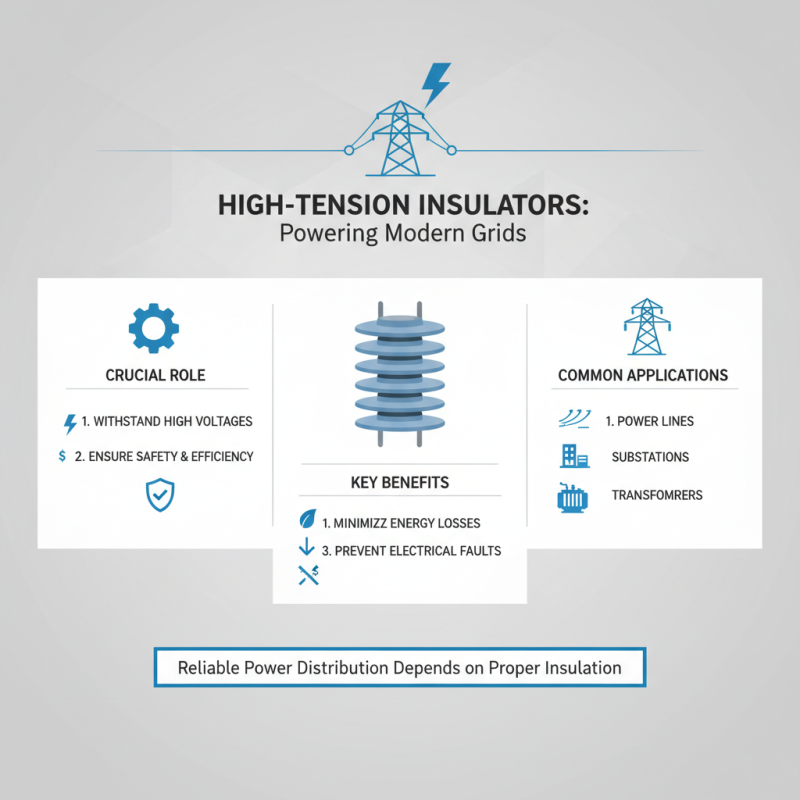
High tension insulators play a crucial role in power distribution systems. They are designed to withstand high voltages and are essential for ensuring the safety and efficiency of electrical networks. Properly selected insulators minimize energy losses and prevent electrical faults. These insulators are commonly used in power lines, substations, and transformers.
Applications for high tension insulators are diverse. They are used in overhead power lines, where they support conductors and isolate them from the ground. Additionally, insulators are found in substations, helping maintain voltage stability. Without these components, power distribution would be unreliable. They also protect equipment from environmental conditions, ensuring long-term operation.
Tips: When selecting insulators, consider environmental factors. Extreme weather can affect performance. Always check for wear and tear. Regular inspections can prevent failures. Remember, not all insulators are the same; always choose the right type for your specific application. Ensuring quality and compatibility is key.
Enhancing High Voltage Line Efficiency: A Comprehensive Overview of U70BLA Aerodynamic Glass Insulators
In recent years, the efficiency of high voltage lines has become a critical focus for energy providers, particularly with the increasing demands placed on electrical infrastructure. One innovative solution designed to enhance this efficiency is the use of aerodynamic insulators. Unlike conventional insulators, aerodynamic designs are specifically engineered to mitigate the risks associated with environmental factors such as wind load, wind noise, and adverse weather conditions, all while ensuring reliable electrical insulation performance.
These specialized insulators are particularly advantageous in areas prone to harsh weather. By minimizing the likelihood of flashovers, which can lead to power outages and infrastructure damage, aerodynamic insulators contribute to the overall reliability of high voltage transmission systems. Their optimized design helps reduce the aerodynamic drag that typically accumulates during windy conditions. This not only enhances operational performance but also significantly extends the lifespan of the equipment involved, making them a crucial component in modern energy transmission solutions. The incorporation of such advanced technology ultimately supports a more resilient and efficient energy grid, addressing both operational challenges and safety concerns in high voltage applications.
FAQS
: The material aims to provide insights and advice on general topics.
Yes, some techniques focus on personal growth and improving skills.
Readers can incorporate suggestions into their daily routines or practices.
Individuals may struggle with consistency or implementing changes in their lives.
Yes, it is suitable for people with diverse backgrounds and experiences.
Time investment varies; some tactics require regular dedication.
Results might take time, and some patience is necessary for lasting change.
Disagreements are natural; it's important to reflect and find personal truth.
The material suggests various books and articles for deeper exploration.
Yes, sharing insights can foster discussion and broaden understanding.
Conclusion
High Tension Insulators are essential components in electrical systems, designed to support and insulate high voltage conductors, preventing electrical leakage and ensuring safety. These insulators come in various types, including porcelain, glass, and polymer insulators, each selected based on specific operational requirements. The materials utilized in their construction play a critical role in their performance and durability.
The functioning of High Tension Insulators is based on their ability to withstand mechanical and electrical stresses while resisting environmental degradation. Factors such as temperature, humidity, and pollution can significantly influence their effectiveness. Proper installation and maintenance practices are crucial to enhance their longevity and reliability. Ultimately, High Tension Insulators are vital for efficient power distribution, safeguarding infrastructure, and ensuring a stable energy supply.