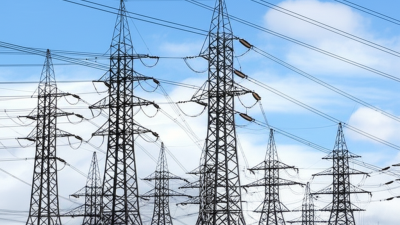
In today’s fast-changing world of power systems, you really can’t underestimate how important High Tension Insulators are. According to a report from the International Energy Agency, the need for reliable and efficient electricity transmission is expected to shoot up by over 80% by 2040. That’s a huge jump, and it means we’ll need even more advanced tech to handle the load. These insulators are pretty much essential—they keep high-voltage lines safely isolated, which helps prevent energy losses and protects other equipment around them. Jiangxi QOCl Electric Co. LTD., for example, has been leading the way since 2002, thanks to mature production tech and a focus on glass insulators built to meet those tough, high-tension standards. As the energy industry keeps pushing forward, innovations in glass and circuit insulators are going to be key to making our power infrastructure more resilient and efficient worldwide.
Importance of High Tension Insulators in Power Transmission Systems
High tension insulators are absolutely vital when it comes to power transmission. They basically make sure that electricity can travel safely and smoothly over long distances. You know, according to the International Energy Agency, global electricity needs are expected to jump by about 30% by 2040. That’s a pretty huge increase, which means we really need strong infrastructure—that’s where high tension insulators come in. They’re designed to handle electrical stress and tough environmental conditions, so they’re pretty much essential for keeping our transmission lines running without a hitch, even when unexpected issues pop up.
On top of that, having good quality high tension insulators really ups operational efficiency and reliability. A study from the Electric Power Research Institute found that when insulators are properly maintained, they can cut down outages by up to 25%. That’s a big deal for system performance! Plus, their ability to prevent contamination and withstand high-voltage surges not only keeps things safe but also helps extend the lifespan of other electrical parts.
Pro tip: Regular inspections and upkeep of these insulators can really save a ton of money in the long run by catching problems early. And, if we invest in better materials for making them, they’ll perform even better and stand strong in harsh environments.
Key Benefits of Using High Tension Insulators for Reliability
High tension insulators are pretty essential when it comes to today's power setups. They might not be the most glamorous part of the system, but they’re absolutely key to keeping everything running smoothly and safely. Basically, these insulators keep overhead power lines safe from electrical leaks and make sure really high voltage electricity gets transmitted without a hitch. They’re built tough — made from strong materials — so they hold up well even when the weather’s throwing a fit, which makes them a must-have for utility companies that need to up their energy game without compromising safety.
If you’re picking out high tension insulators, just remember to think about where they’re going to be used. Climate can be a big factor — think super hot, freezing cold, or polluted environments — and the insulators need to handle all that without breaking a sweat. And don’t forget, giving them some regular TLC with maintenance checks can catch small issues before they turn into those costly outages.
Plus, good quality insulators last longer and reduce the need for constant replacements, which honestly saves a lot of money in the long run. Investing in reliable, well-made insulators isn’t just about safety; it’s about making sure your whole power system stays dependable and cuts down on downtime. All in all, they’re a pretty smart investment for keeping the lights on and energy flowing smoothly.
Benefits of High Tension Insulators in Power Infrastructure
Innovative Materials and Technologies in High Tension Insulators
High tension insulators are honestly pretty vital when it comes to keeping our power systems reliable and safe. With how much electricity we’re needing these days, plus the push toward renewable energy, it’s clear that new materials and tech in high tension insulators are more important than ever. Recent reports are saying that using advanced ceramics and polymer composites is catching on quickly because they offer better insulation and weather-proofing—meaning they last longer and cut down on maintenance costs. For example, a market analysis by Transparency Market Research projects that the global insulator industry might hit around $47 billion by 2025. That’s mainly thanks to ongoing improvements in the materials themselves.
To really get the most out of these insulators, it’s key to think about how they’re installed and looked after. Setting up smart monitoring systems can be a total game-changer—I mean, they give you real-time updates on the insulator’s condition, so you can catch problems before they turn into major outages. It’s a proactive kind of approach that not only saves money but also helps extend the life of your equipment. Also, keeping the insulator surfaces clean and free from dirt is super important—research suggests even tiny amounts of grime can really mess with their insulating ability and cause failures down the line.
As the power industry keeps evolving, jumping on board with new materials and tech is going to be pretty much essential. Take silicone rubber insulators, for example—they’ve shown some pretty awesome benefits, like resisting environmental stress better. So, if you’re working in the field, it’s a good idea to stay updated on the latest innovations and how these new insulators are performing. That way, you’re making sure you’re using the best solutions for the job and keeping things running smoothly.
Why High Tension Insulators Are Essential for Modern Power Infrastructure - Innovative Materials and Technologies in High Tension Insulators
| Dimension | Material Type | Voltage Class (kV) | Operating Temperature Range (°C) | Lifespan (Years) |
| Porcelain | Ceramic | 110 | -40 to 50 | 40 |
| Composite | Polymer | 220 | -40 to 70 | 30 |
| Glass | Glass Fiber Reinforced Plastic | 400 | -30 to 60 | 50 |
| Silicone | Silicone Rubber | 150 | -40 to 85 | 25 |
Comparative Analysis: High Tension Insulators vs. Standard Insulators
High tension insulators are pretty much the backbone of reliable and efficient modern power systems. When you compare them to your standard insulators, the difference is quite clear. I read somewhere—actually, a report from the International Energy Agency—that more than 70% of electric utilities are now switching to high voltage setups to handle the rising energy demands. These high tension insulators, usually rated above 1,000 kV, are built tough—they can handle serious electrical stress, which is why they're so essential for transmitting power over long distances.
On the flip side, regular insulators mostly deal with lower voltages, like up to 33 kV. They work well for shorter runs, but they just can’t manage the mechanical or thermal stresses that come with high tension lines. A study from IEEE pointed out that high tension insulators can cut down power losses by up to 20% and help the environment too, by better managing leakage currents. All of this means a more stable grid and quicker progress towards renewable energy sources. Honestly, high tension insulators are pretty much a game-changer for the future of power transmission.
Future Trends in High Tension Insulator Design and Application
The future of high tension insulator design and how they’re used is changing pretty fast, thanks to all the cool stuff happening in materials science and engineering. According to a report from the International Energy Agency (IEA), global electricity demand is set to jump by about 30% come 2030. That means we’re gonna need stronger, more efficient insulators that can handle higher voltages and tough environmental conditions. So, it’s no surprise that folks are turning to composite materials and new, innovative designs — these upgrades make insulators way more durable and keep maintenance costs down.
On top of that, smart tech is starting to play a bigger role in high tension insulators. A study from the Electric Power Research Institute (EPRI) points out that sensors embedded in these “smart” insulators can give real-time data about how they’re doing and flag any potential issues early on. This kind of predictive maintenance is a game-changer for utilities trying to keep the lights on and avoid outages—especially now, with aging infrastructure giving everyone headaches. As the industry moves forward with these tech-savvy upgrades, there’s also a big focus on making things more eco-friendly. New designs now emphasize sustainable materials and thinking about the entire lifecycle, which is super important for building a modern, reliable power grid.
Optimizing Electrical Performance: Exploring the Benefits of Good Quality High Voltage 100kN Disc Suspension Toughened Glass Insulator U100BS
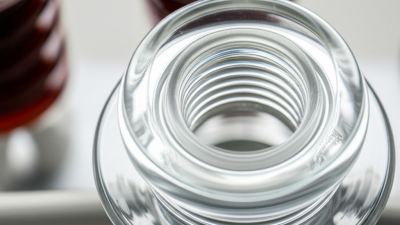
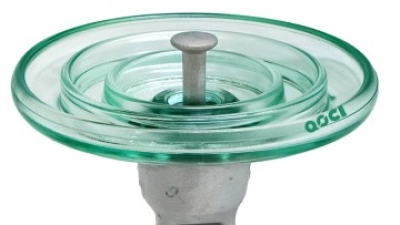
In the realm of high voltage electrical systems, ensuring reliable performance is paramount. The U100BS series of toughened glass insulators stands out for its exceptional quality and robust design, optimized for high voltage applications. Among the various options available, the QOCI Electric-100kN U100BS insulators epitomize efficiency and safety, conforming to IEC standards. Their unique construction ensures they can withstand the stresses of electrical transmission while maintaining integrity under extreme conditions.
The advantages of using high-quality toughened glass insulators like the U100BS are manifold. They are specifically designed to handle heavy loads, with a standard rating of 100kN, making them ideal for suspension and tension applications. The Cap and Pin type enhances their compatibility with existing power infrastructure, offering a straightforward installation process. Additionally, the large scale of production ensures consistent availability, catering to various electrical supply needs. By choosing durable solutions like the U100BS, utilities can optimize their electrical performance, reduce maintenance costs, and enhance network reliability.
FAQS
: High tension insulators ensure the reliability and safety of power infrastructure, especially with increasing electricity demand and the growth of renewable energy sources.
Advanced ceramic materials and polymer composites are rapidly being adopted for their superior dielectric properties and weather resistance, leading to longer service life and reduced maintenance costs.
Proper installation and maintenance are vital for optimizing high tension insulators' performance, and using smart monitoring systems can significantly enhance their reliability by providing real-time condition data.
High tension insulators, rated above 1,000 kV, can withstand significant electrical stress and are more effective in long-distance power transmission, reducing power loss by up to 20% compared to standard insulators.
The future of high tension insulator design includes advancements in composite materials, smart technologies for predictive maintenance, and eco-friendly designs emphasizing sustainability.
Maintaining clean surfaces free of contaminants is crucial, as even minor dirt accumulation can significantly degrade insulation properties, leading to potential failures.
The global demand for electricity is expected to increase by 30% by 2030, necessitating more robust and efficient insulators capable of withstanding higher voltages and environmental stresses.
Smart technologies integrated into high tension insulators can provide real-time data on performance and potential failures, which is essential for predictive maintenance and reducing outages.
High tension insulators improve grid stability and help minimize environmental impacts, facilitating the transition to renewable energy sources.
Staying informed about the latest advancements and assessments of high tension insulator performance ensures that professionals implement the best solutions for their specific applications, enhancing reliability and efficiency.
Conclusion
High tension insulators are pretty much the backbone of modern power transmission. They’re essential for making sure electricity gets from point A to point B reliably and efficiently. What makes them so important? Well, they’re designed to handle really high voltages, which helps cut down on power outages and keeps things safe on the operational side. Thanks to new materials and tech innovations, these insulators now perform way better than the old-school versions. And the cool part? Ongoing research is always pushing the boundaries, so these insulators are only going to get better — making them absolutely vital for the future of our power grid.
Take Jiangxi QOCI Electric Co. Ltd., for example. They’ve got a solid focus on making glass insulators and a really strong R&D game. That puts them in a great position to help shape the next generation of high tension insulators. As the industry gears toward more advanced designs and wider applications, QOCI is ready to use their pretty mature tech to make power transmission more reliable and effective all around the world.