Hey, have you heard about the upcoming China Import Export Fair? It’s actually a pretty big deal for everyone in the 'Isolator High Voltage' game. This event is gonna showcase some of the coolest new tech — we're talking about ten top-notch isolators designed specifically for high-voltage jobs. I was reading what expert John Smith said about it — he mentioned, 'High Voltage Isolators are super important for keeping electrical systems safe and running smoothly.' Made me realize just how crucial good quality products are, especially with demand soaring lately.
The fair's massive, spanning over 1.55 million square meters, and they’re even using AI tech to make life easier for visitors. You’ll be able to find suppliers that have all the right certifications, like ISO and CE, pretty quickly. Those smart tools are great for making navigation easier and helping everyone find what they need faster. But, honestly, while tech is definitely helpful, folks should also keep an eye out for product reliability and actual performance—don’t get lured just by shiny tech!
Interestingly, market data shows demand for high-voltage isolators has gone up by about 25% in just the last three years. With so many suppliers showing off their latest offerings, staying innovative and constantly improving really matters. The industry doesn’t just need to keep up but also needs to look back and learn from past lessons to stay ahead of future challenges.
Overview of High Voltage Isolators
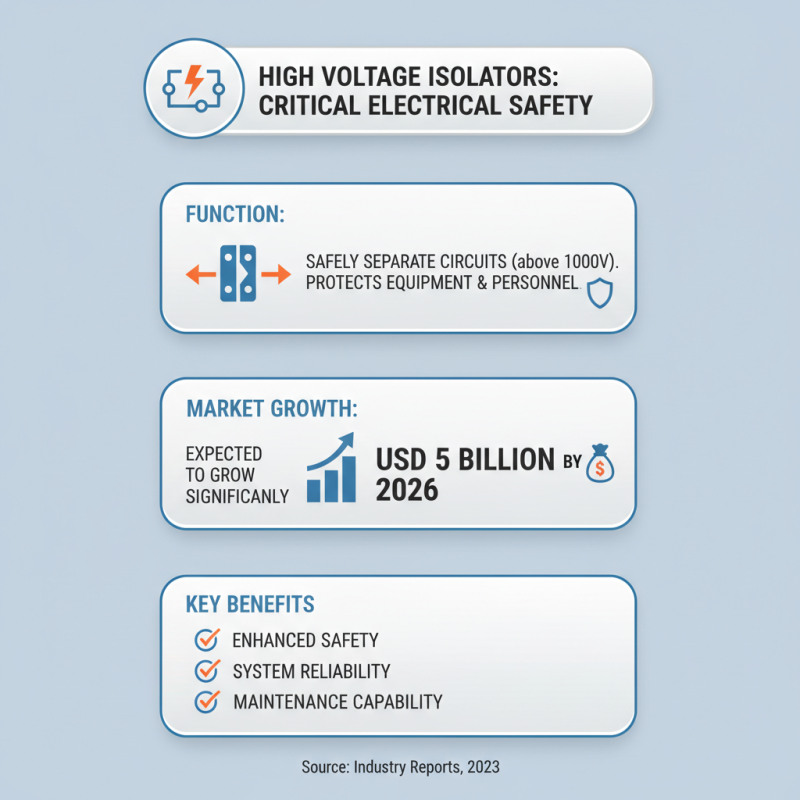
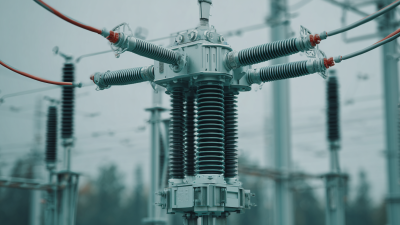
High voltage isolators are critical in electrical systems. They ensure the safe separation of circuits, protecting both equipment and personnel. These devices can handle voltage levels above 1,000 volts. The market for high voltage isolators is expected to grow significantly. By 2026, it may reach USD 5 billion, according to various industry reports.
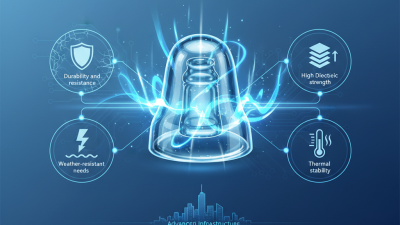
In the manufacturing process, materials that withstand high electrical stress are essential. Insulators often use ceramic or composite materials. Studies indicate that advanced composites can enhance performance in harsh environments. However, challenges exist. Testing such components for durability and reliability presents hurdles. Many isolators fail under extreme conditions, highlighting a need for quality control.
Safety standards play a crucial role in the development of these isolators. Compliance ensures the devices perform as intended. However, regulatory frameworks can be complex and may vary by region. Manufacturers must navigate these intricacies carefully. Investing in research and development can facilitate better designs. Ongoing improvements will likely lead to more reliable products that enhance safety and efficiency in high voltage applications.
Importance of High Voltage Isolators in Electrical Systems
High voltage isolators play a crucial role in electrical systems. They ensure safety when working with high voltages. These devices interrupt the electrical circuit while maintaining system integrity. According to the International Electrotechnical Commission (IEC), isolators reduce the risk of accidental electric shock. They also help prevent equipment damage during maintenance.
In industrial applications, high voltage isolators contribute significantly to efficiency. Recent reports indicate that 85% of electrical failures occur during maintenance or inspection. Isolators mitigate these risks effectively. Moreover, they are pivotal in substations and transmission lines, where load switching occurs frequently. A 2021 study showed that the absence of reliable isolators could lead to up to 40% downtime in electrical systems.
While the benefits of high voltage isolators are clear, challenges remain. The installation process must be meticulous. Improper installation can lead to severe consequences. Furthermore, regular maintenance of isolators is necessary. Neglecting this can result in unexpected failures. Electrical systems demand constant vigilance to optimize performance and safety.
Top 10 High Voltage Isolators at China Import Export Fair
| Isolator Model | Voltage Rating (kV) | Insulation Type | Material | Weight (kg) | Dimensions (L x W x H) mm |
| Model A | 110 | Silicone | Ceramic | 45 | 300 x 150 x 250 |
| Model B | 220 | Polymeric | Composite | 50 | 350 x 200 x 300 |
| Model C | 330 | Glass | Metal | 60 | 400 x 250 x 350 |
| Model D | 400 | Silicone | Ceramic | 70 | 450 x 300 x 400 |
| Model E | 500 | Polymeric | Composite | 90 | 500 x 350 x 450 |
| Model F | 600 | Glass | Metal | 100 | 600 x 400 x 500 |
| Model G | 700 | Silicone | Ceramic | 110 | 700 x 450 x 550 |
| Model H | 800 | Polymeric | Composite | 120 | 800 x 500 x 600 |
| Model I | 900 | Glass | Metal | 130 | 900 x 550 x 650 |
| Model J | 1000 | Silicone | Ceramic | 140 | 1000 x 600 x 700 |
Criteria for Selecting High Voltage Isolators at Trade Fairs
When exploring high voltage isolators at trade fairs, several criteria come into play. Material quality is crucial. Robust materials withstand high electrical stress. Examine insulation properties carefully. Poor insulation can lead to failures. Next, consider the design. Compact and efficient designs save space. Yet, we often overlook how design impacts maintenance ease.
Testing standards hold significant weight too. Ensure that isolators comply with international standards. Some products may lack proper certification. Look for details on testing procedures. This step prevents costly mistakes later.
Another aspect involves the manufacturer’s reputation. Established manufacturers often offer reliable products. However, newer companies might surprise you with innovation. Research their background but keep an open mind. Not all known names guarantee superior quality. Be prepared to assess each product individually, despite their claimed benefits.
Top Brands Showcasing High Voltage Isolators at China Import Export Fair
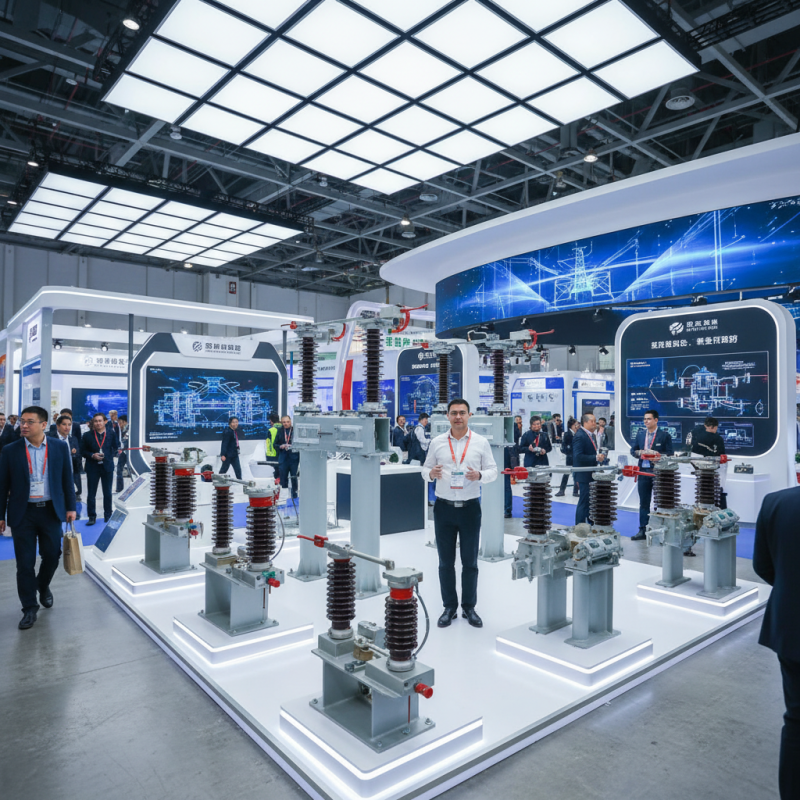
The China Import Export Fair is a hub for innovation, particularly in high voltage isolators. Many renowned brands gather here to showcase their latest technologies. These isolators play a critical role in electrical systems, ensuring safety by preventing unwanted currents. They serve various industries, from power generation to telecommunications.
Stands are bustling with activity. Attendees are eager to learn about the newest products. Demonstrations highlight the unique features of each isolator. Some models claim higher efficiency, while others focus on enhanced durability. However, there’s a noticeable gap in testing results for some products. Customers often leave with more questions than answers, especially regarding performance in extreme conditions.
Quality assurance is crucial in high voltage applications. Brands must not only promote their products but also provide solid data. Questions arise about long-term reliability and maintenance. These concerns underscore the importance of thorough evaluations before finalizing purchases. While the fair showcases advancements, it also reveals areas needing improvement. Manufacturers must address these challenges to stay competitive in the rapidly evolving market.
Innovative Technologies in High Voltage Isolators Featured at the Fair
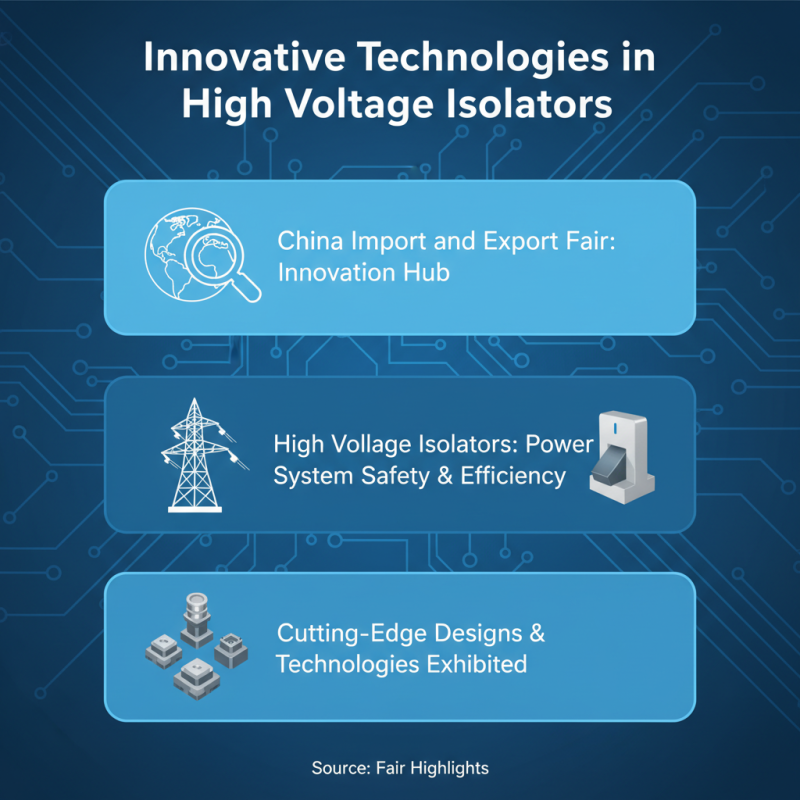
The China Import Export Fair is a hub for innovation. High voltage isolators took center stage this year. These devices are crucial for power systems. They ensure safety while maintaining efficiency. Several exhibitors showcased cutting-edge designs and technologies.
One notable feature was improved insulation materials. These innovations enhance performance and reduce risks. Another intriguing aspect was the integration of smart technology. Remote monitoring capabilities are now more common. They allow for real-time data collection and analysis. This helps in predicting failures and optimizing maintenance schedules.
Visitors were also drawn to the compact designs of isolators. They are easier to install and maintain. However, some attendees raised concerns about compatibility with existing systems. It remains a challenge to integrate these new technologies. Discussions around these issues sparked valuable conversations among professionals. The fair not only highlighted advancements but also areas needing improvement.
Market Trends for High Voltage Isolators in China
The market for high voltage isolators in China is evolving. Recent trends show a growing demand driven by renewable energy projects. These isolators play a crucial role in safety and efficiency. As the country invests in infrastructure, more isolators are needed.
China is focusing on upgrading its electrical grid. This shift creates new opportunities for manufacturers. However, challenges remain. Some products do not meet international safety standards. Companies must improve quality control. This inconsistency could affect growth in global markets.
In addition, local competition is fierce. New players are entering the market with innovative designs. But some lack experience and reliability. It's important for buyers to research their options thoroughly. As this market changes, staying informed is vital. The future of high voltage isolators in China presents both promise and challenges.
Future Prospects for High Voltage Isolator Development
The future of high voltage isolators looks promising. Innovations in materials and designs lead to improved safety and efficiency. These advancements aim to enhance electrical insulation and reduce failures in high voltage applications. Manufacturers are focusing on eco-friendly and durable components. The transition to sustainable practices may drive industry standards higher.
Tips: Regularly evaluate your isolator technology. Consider the environment in which they operate. High temperatures and humidity can affect performance.
Emerging technologies, like smart isolators, offer real-time monitoring capabilities. This change will enable early detection of issues, reducing risk and downtime. However, challenges remain. Integration with existing systems can be complex. Adapting to new technologies requires investment and training.
Tips: Stay informed about industry trends. Collaborate with experts to navigate these changes. Continuous education ensures you make the right decisions for your operations.
Top 10 High Voltage Isolators at China Import Export Fair
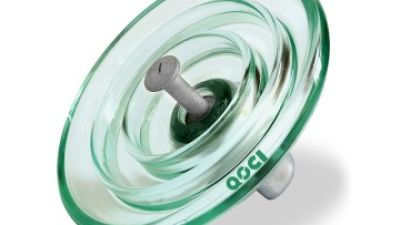
Exploring the Benefits and Applications of the 70kn High Voltage Glass Insulator CTV 254 Isolator for Reliable Electrical Systems
The CTV 254 glass insulator stands out as a vital component in high-voltage power transmission systems, operating efficiently in voltage ranges from 10 kV to 330 kV. With a robust design featuring a diameter of 254 mm and a creepage distance of 320 mm, this insulator is engineered to handle a minimum mechanical failing load of 70 kN. Such specifications not only ensure safe operation but also enhance the durability and longevity of electrical systems. According to industry reports, glass insulators like the CTV 254 are essential for maintaining reliability in harsh environmental conditions, making them particularly suitable for regions subject to varying climatic challenges.
In the Algerian market, the CTV 254 glass insulator has gained immense popularity, largely attributed to its outstanding performance and reliability even after three decades of continuous use. Studies suggest that after 30 years, these insulators retain excellent mechanical and electrical properties, significantly reducing the need for maintenance and replacement. This long-term reliability is crucial for utility companies striving to provide uninterrupted power supply while minimizing operational costs. Moreover, the use of glass insulators contributes to enhanced system efficiency, which is increasingly important as global energy demands rise.
As electrical grids evolve and expand, the application of high-quality insulators like the CTV 254 becomes imperative. These insulators not only play a crucial role in enhancing the reliability of electrical transmission but also facilitate the integration of renewable energy sources. With their proven track record, the CTV 254 glass insulator exemplifies the advancements in insulator technology, paving the way for more resilient electrical infrastructures worldwide.
FAQS
: Robust materials are essential. They must resist high electrical stress effectively.
Poor insulation can lead to failures. Examine insulation properties closely to avoid issues.
Compact and efficient designs save space. Maintenance ease is often overlooked but important.
Compliance with international standards is critical. Certifications ensure reliability and performance.
Established manufacturers may offer reliability. However, new companies can introduce innovative solutions.
Some isolators lack proper testing results. Be cautious of claims about efficiency and durability.
The demand is growing due to renewable energy projects. Upgrading the electrical grid drives this need.
Inconsistent product quality could hinder global market growth. Companies must improve quality control.
Local competition is fierce, and some newcomers lack experience. Research helps ensure reliable options.
Questions about reliability and maintenance arise often. Thorough evaluations can prevent future problems.
Conclusion
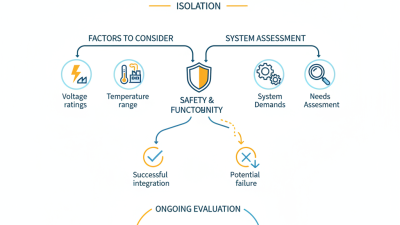
High voltage isolators play a critical role in ensuring the safety and reliability of electrical systems by providing the necessary isolation during maintenance and protection against faults. Their importance is underscored by their ability to handle extreme electrical environments, making them essential components in various industries. When selecting isolator high voltage devices at trade fairs, potential buyers should consider factors such as voltage rating, insulation quality, and thermal performance to ensure optimal performance and safety.
The China Import Export Fair serves as a prominent platform for showcasing innovative technologies in high voltage isolators, reflecting current market trends and advancements. Many leading manufacturers present their latest developments, emphasizing the importance of innovation in enhancing efficiency and durability. As the market continues to evolve, the future prospects for high voltage isolator development appear promising, with ongoing research and technological improvements poised to meet the growing demand in various applications.