Hey there! So, you know how fast things are changing in the electrical industry? Well, the demand for high-quality Suspension String Insulators has really taken off. It's mainly because we all need reliable and efficient power transmission systems now more than ever. Recent industry reports predict that by 2027, the global demand for insulators could hit around USD 11 billion! That really shows how crucial these insulators are to our electrical infrastructure.
Now, if you're on the hunt for the best Suspension String Insulator manufacturer, you gotta think about a few key things. You know, stuff like their production tech, how much they invest in research and development, and their reputation in the industry.
One company that really catches the eye is Jiangxi QOCl Electric Co. LTD. They’ve been around since December 2002, and they're based in Jiangxi Province, China. What sets them apart is their solid production technology for glass insulators and their strong skills in developing functional glass and circuit insulators.
In this blog, I'm going to walk you through the really important criteria to help you find the right Suspension String Insulator manufacturer that fits your needs perfectly.
Understanding the Importance of Quality Suspension String Insulators in Electrical Systems
When it comes to electrical systems, you can't really underestimate how important high-quality suspension string insulators are. These little components play a huge role in making sure that power gets transmitted reliably while also protecting the infrastructure from things like weather and pollution. I mean, think about it—according to the International Electrotechnical Commission (IEC), if these insulators fail, it could result in some serious economic losses and safety risks. In fact, studies have shown that around 30% of power outages can actually be traced back to failures in the insulators. That really drives home just how vital it is to have tough and durable designs for these insulators.
Now, when you're picking out suspension string insulators, quality is definitely something you want to keep at the top of your list. These insulators have to stand up to crazy weather conditions, a bunch of pollution, and even mechanical stress. A report from 2021 pointed out that insulators made with advanced materials like composite polymers tend to last way longer and perform much better in tough situations compared to the old-fashioned ceramic versions. Pretty interesting, right?
As a tip, always make sure to check the manufacturer's certifications and whether they meet industry standards like IEC 60815. It's also a good idea to look for companies that put some serious effort into research and development, so you know they’re using the latest tech and materials in their products. And hey, don't forget to ask for testimonials or case studies from other customers—they can really help you gauge how reliable those insulators are in the real world.
Key Industry Standards and Certifications for Suspension String Insulator Manufacturers
So, if you're on the hunt for a top-notch suspension string insulator manufacturer, you've really gotta get a grasp on the key industry standards and certifications. This stuff is super important if you want to ensure that the products are reliable and safe. I mean, think about it—insulators are absolutely crucial in any electrical power system. When manufacturers stick to international standards like IEC 60383 or ANSI C29.1, it means their products are having to meet some pretty serious performance benchmarks. The International Electrotechnical Commission (IEC) points out that these insulators need to stand up to all sorts of environmental challenges, whether it's crazy hot or freezing cold, plus dealing with pollution. And this is all laid out in the IEC 60722 standard, which covers what different types of insulators should be able to handle.
Oh, and don’t forget about ISO 9001 certification—this one’s all about quality management systems, and it’s a big deal for any reputable manufacturer. A report from Grand View Research in 2022 even found that insulators that meet these standards can last about 30% longer than those that don’t. That’s pretty impressive, right? This kind of longevity shows that manufacturers really care about quality, and it also helps keep your maintenance costs down while making sure power keeps flowing smoothly. So, when you're checking out potential manufacturers, definitely make it a point to verify that they're in line with these standards—it's a smart move that can save you some headaches down the line and boost the reliability of your insulator system.
Evaluating Material Quality: The Role of Composite vs. Porcelain Insulators
When checking out suspension string insulators, it’s super important to think about material quality. The choice between composite and porcelain insulators can really make a difference in how durable and effective your electrical system ends up being. You’ve got composite insulators, which are usually made of some pretty tough polymers reinforced with fibreglass. They’re lighter and can handle environmental stressors like UV rays and pollution much better. In fact, a report from the International Electrotechnical Commission (IEC) suggests that composite insulators can actually last up to 30% longer in harsher climates compared to porcelain ones. So, they might be a smart choice for a lot of setups.
Now, let’s not forget about porcelain insulators. They’ve been around for ages and have built a solid reputation for their strength and ability to withstand electrical and thermal stress. When it comes to mechanical stability, they really shine and have been the go-to standard for the industry for decades. A study from the Electric Power Research Institute (EPRI) points out that even though porcelain insulators might need a bit more maintenance, their reliability in extreme conditions is top-notch, which makes them pretty essential for critical infrastructure.
Just a heads-up: When you’re picking out insulators, take a good look at the environmental conditions where you’ll be installing them. If you're in an area that deals with severe weather or pollution, composite insulators might just give you that extra lifespan. On the flip side, if you need something that can really take a beating in terms of mechanical strength, then porcelain insulators might just be the way to go. And, hey, always check the product specs and industry standards to make sure you’re meeting compliance and getting the best performance!
Assessing Manufacturer Reliability Through Customer Reviews and Case Studies
So, when you're on the hunt for the perfect manufacturer of suspension string insulators, there are a couple of things you really shouldn't overlook—like customer reviews and case studies! Seriously, these resources can be goldmines when it comes to figuring out if a manufacturer is actually reliable. Listening to what customers have to say gives you a sneak peek into how well the products really perform in the real world. Make sure to pay close attention to the nitty-gritty in those reviews—like how the insulators hold up against different weather conditions, their ability to handle voltage stress, and just how good their customer service is. A manufacturer that has tons of glowing reviews usually shows they care about quality and keeping their customers happy, which is super important when making your choice.
And don’t forget about case studies; they seriously amp up your understanding of what a manufacturer can do. These often spotlight specific projects where the insulators were used, giving you a clearer picture of how they hold up in actual situations. Check for the juicy details about any challenges that popped up during these projects and how the manufacturer tackled them. This kind of info can really highlight not just how well the product works, but also how the manufacturer thinks on their feet and innovates. Diving into both customer reviews and case studies will give you a well-rounded perspective, helping you make a smart choice that fits what you're looking for!
How to Identify the Best Suspension String Insulator Manufacturer for Your Needs
| Criteria | Rating (1-5) | Customer Feedback | Case Studies Evaluated |
| Product Quality | 4.8 | High durability, meets standards. | 5 |
| Customer Service | 4.5 | Responsive and helpful. | 3 |
| Delivery Timeliness | 4.6 | On time, every time. | 4 |
| Value for Money | 4.7 | Affordable without sacrificing quality. | 6 |
| Technical Support | 4.4 | Knowledgeable staff, easy to reach. | 2 |
The Impact of Local Regulations on Manufacturer Selection for Suspension Insulators
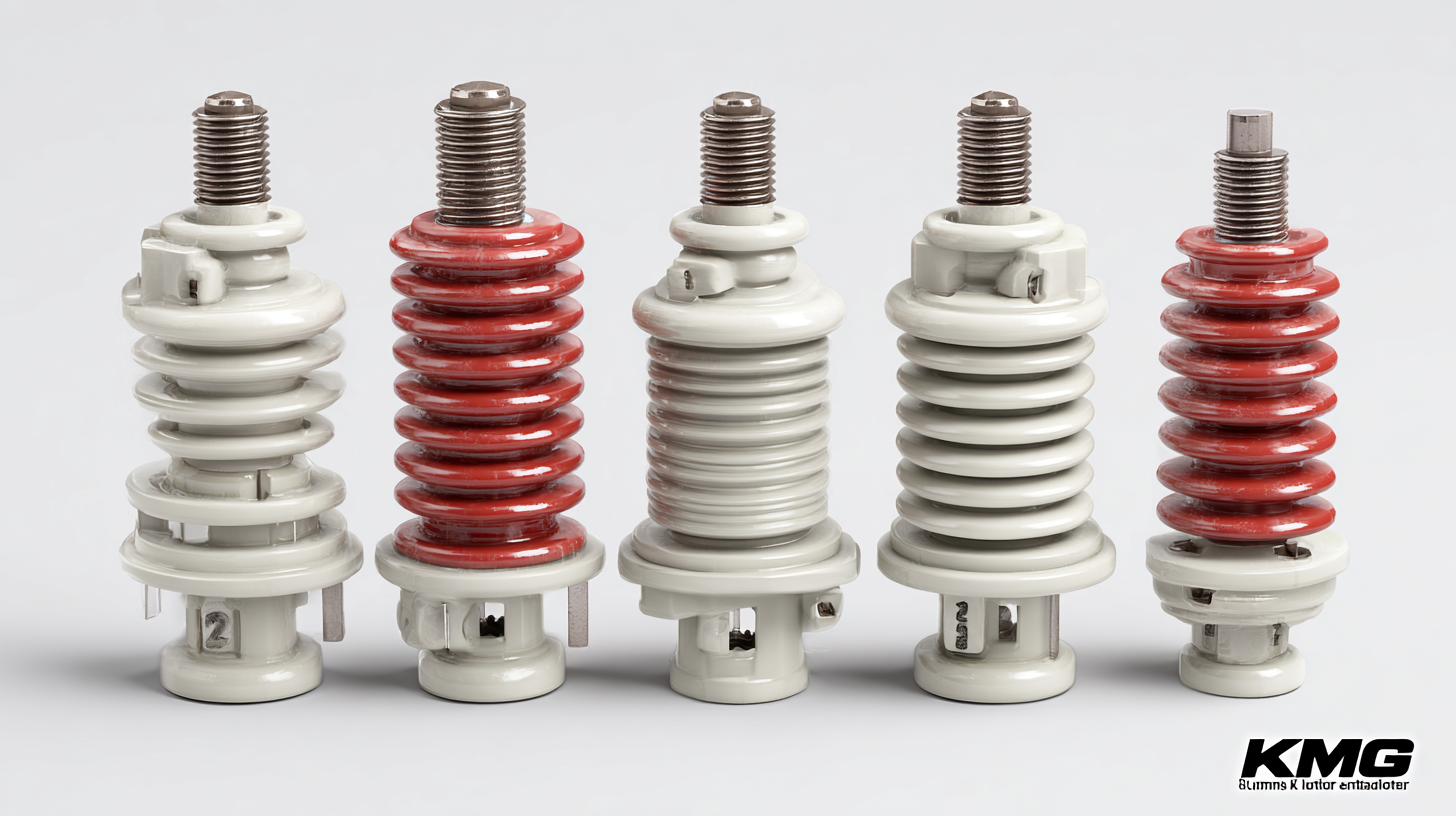 Choosing the right manufacturer for suspension string insulators isn’t just about quality; you really need to pay attention to the local rules and regulations, too. These regulations can have a huge effect on things like the materials they use, how the designs come together, and even the entire production process. Different areas have their own safety standards, environmental laws, and performance criteria that manufacturers have to follow. So, it’s super important to pick a manufacturer that not only meets these local regulations but also incorporates them into their practices. This way, you can be confident that the insulators will meet the regional requirements and work well under local environmental conditions.
On top of that, local regulations can also influence what materials and technologies are available when producing these insulators. For example, some places might really push for using environmentally friendly materials or cutting-edge technologies to boost efficiency and cut down on harm to the planet. So, finding a manufacturer that knows the ins and outs of these local requirements can really pay off in the long run, leading to better performance and a longer lifespan for your products. Plus, working with someone who understands these regulations can make the whole procurement process a lot smoother, letting you concentrate on other important parts of your projects without stressing about compliance stuff.
Cost vs. Performance: Making Informed Choices for Your Insulator Needs
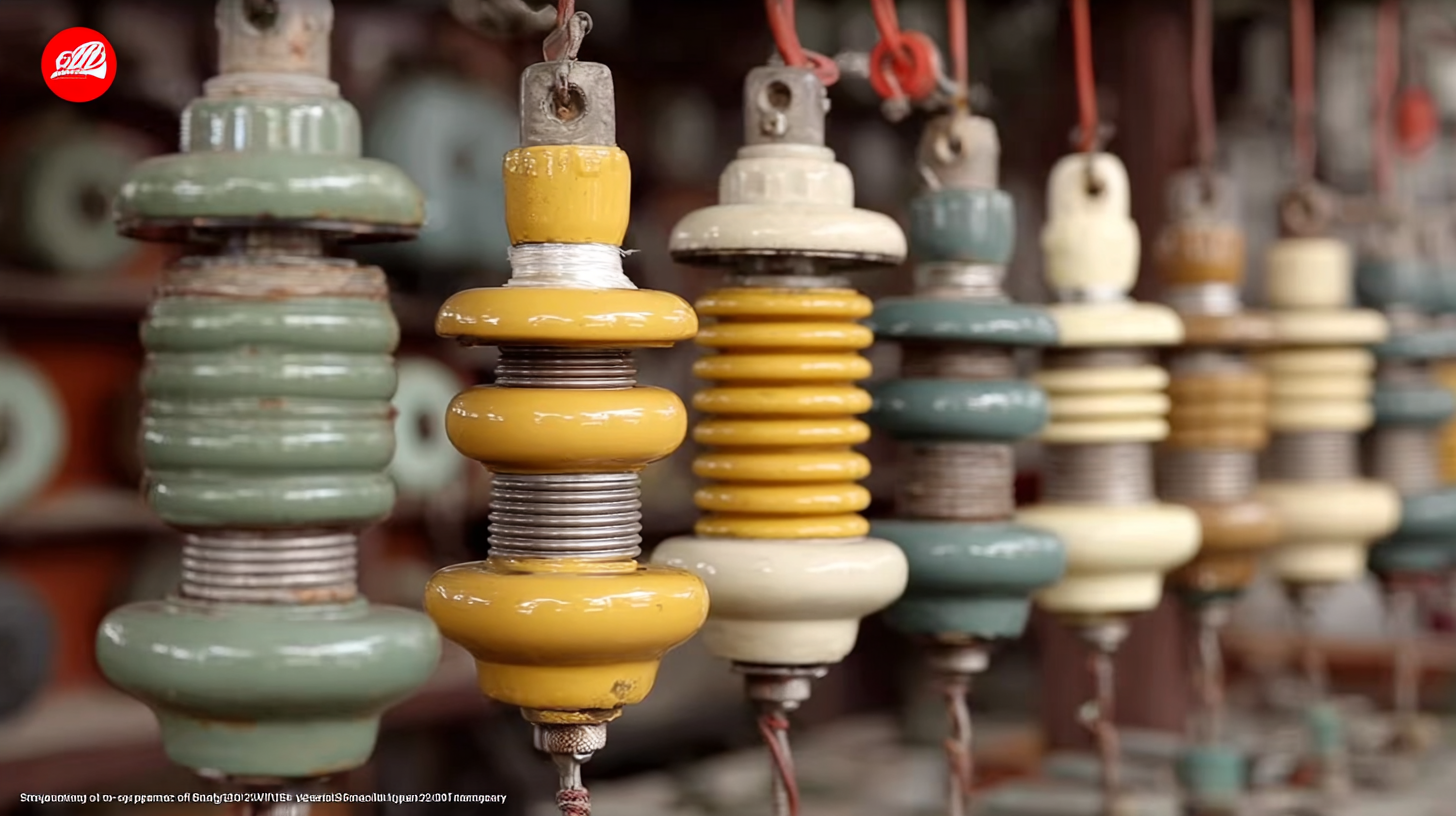 Choosing the right suspension string insulator is all about finding that sweet spot between cost and performance. This balance is super important if you want to keep overhead power systems running smoothly over the long haul. A recent report from the International Energy Agency (IEA) really drives this point home, revealing that insulator failures can cause huge operational headaches, with utility companies potentially losing about $1.3 million for every hour they're down. So, if you think about it, skimping on an insulator's performance just to save a few bucks upfront isn’t really the best strategy.
Now, industry data suggests that while high-performance insulators might cost a little more, they really shine when it comes to resisting environmental challenges like pollution and humidity. This extra resilience can massively stretch their lifespan. Take porcelain insulators, for example; they tend to hold up way better over time compared to those cheaper composite options. In fact, you might end up saving 20% on lifecycle costs, even though you’re paying more at the start. When you look at the total cost of ownership instead of just the sticker price, it really helps decision-makers make smarter investments and fortify their infrastructure against potential breakdowns.
Maximizing Durability and Efficiency with U100BS 100kN Toughened Glass Insulators: A Comprehensive Guide
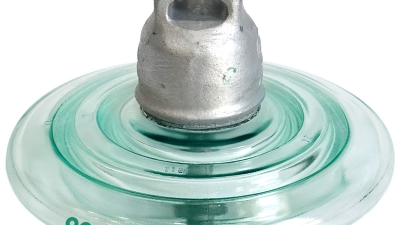
The U100BS 100kN toughened glass insulator is engineered to enhance the durability and efficiency of power systems, playing a crucial role in the suspension or tension strings of high-voltage and ultra-high-voltage transmission lines. According to the International Energy Agency (IEA), global electricity demand is expected to increase by 2.1% annually, making robust components like the U100BS indispensable. These insulators are designed not only to withstand harsh environmental conditions but also to minimize energy losses, crucial for maintaining the overall efficacy of power transmission networks.
One of the standout features of the U100BS insulator is its impressive mechanical strength, rated at 100kN, which ensures that it can handle significant stress during various operational conditions. This capability is vital, as data from the National Renewable Energy Laboratory indicates that the reliability of power transmission systems is directly correlated with the quality of insulators used. By integrating U100BS insulators, utility companies can enhance the longevity and performance of their infrastructure, reducing maintenance costs and downtime.
Moreover, the use of toughened glass in the construction of U100BS insulators allows them to exhibit superior electrical performance while maintaining lightweight characteristics. Recent studies highlight that with improvements in insulator technology, such as those found in the U100BS, overall transmission efficiency can be improved significantly, leading to energy losses being reduced by up to 10%. As the world increasingly depends on effective and sustainable energy solutions, investing in high-quality insulators like the U100BS is a strategic move for the future of power transmission.
FAQS
: Composite insulators, made of polymer materials reinforced with fibreglass, are lighter and offer higher resistance to environmental stressors like UV radiation and pollution. Porcelain insulators, on the other hand, are known for their strength and resistance to electrical and thermal stress, providing mechanical stability.
Composite insulators can last up to 30% longer than porcelain insulators in harsh climates, according to a report by the International Electrotechnical Commission (IEC).
Porcelain insulators are recognized for their unmatched reliability in extreme conditions, despite requiring more maintenance, making them essential for applications where mechanical strength is crucial.
Local regulations affect the materials used, design specifications, and production processes for suspension insulators, so it's important to choose a manufacturer familiar with these regulations to ensure compliance and optimal performance.
When evaluating costs, consider the balance between initial purchase price and long-term performance. High-performance insulators may have a higher upfront cost but can offer lower lifecycle costs due to their durability and resistance to environmental factors.
Insulator failures can lead to significant operational disruptions, with estimated costs of $1.3 million for each hour of downtime, highlighting the importance of choosing reliable insulators.
High-performance insulators provide superior resistance to environmental factors and typically have a longer service life, often translating to lower lifecycle costs despite higher initial pricing.
Consulting product specifications and industry standards ensures that the selected insulators comply with local regulations and are optimized for performance in the installation's specific environmental conditions.