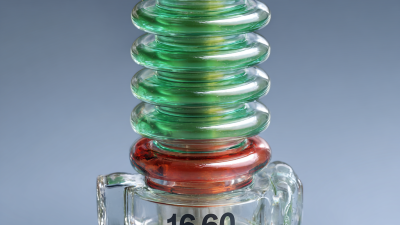
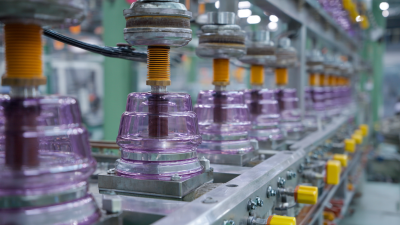
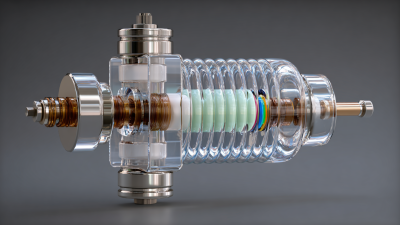
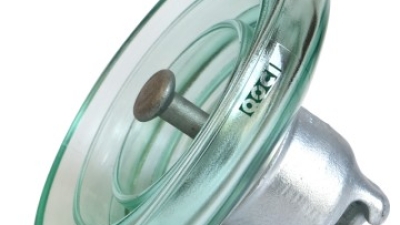
You know, as cities keep getting more and more crowded and air pollution just keeps climbing, there's definitely a growing need for new ideas to tackle this whole environmental mess. One cool development that's been gaining traction is the use ofAnti-Pollution Glass Insulators. These might sound pretty technical, but honestly, they do a lot to help improve air quality—especially in those busy, crowded urban spots. The World Health Organization actually says that air pollution is linked to about 7 million early deaths around the world every year. That really puts into perspective just how urgent it is to find effective solutions.
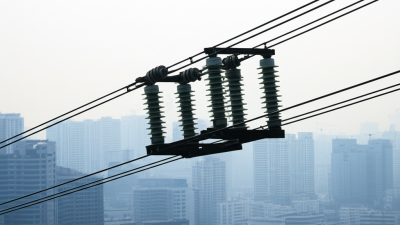
Now, Jiangxi QOCl Electric Co. LTD.—they've been around since 2002 and are pretty much leaders in making top-notch glass insulators. They've also been doing some pretty exciting research into smart glass tech. Thanks to their solid manufacturing process, these Anti-Pollution Glass Insulators don’t just make our electrical systems more reliable—they also cut down on harmful airborne particles. By mixing advanced materials with clever designs, these insulators are a pretty important step toward making our cities cleaner and healthier for everyone.
The Role of Anti-Pollution Glass Insulators in Reducing Airborne Particulates in Urban Areas
As cities grow and become more crowded, we're seeing a real spike in airborne particles, which isn't great for anyone's health. Luckily, there's this pretty cool new thing called anti-pollution glass insulators. They’re designed to actually repel pollutants in the air and can cut down particulate matter by about 30%, according to a report from the International Energy Agency. It’s a promising step toward making urban air a bit cleaner, especially since traditional filtering methods sometimes just don't cut it.
What’s really interesting is how these insulators work—they have special surface properties that break down pollutants when they come into contact. A study in the journal Environmental Science and Technology even showed that cities using these insulators saw a 20% drop in hospital visits related to respiratory issues. That’s a pretty solid sign they’re good not only for the environment but for public health as well.
If we really want to get the most out of these insulators, city planners should think about incorporating them into building designs and public infrastructure. And of course, regular maintenance is key to keeping them working their best. People living in these cities can also get involved by pushing for policies that encourage using such materials, which would definitely help breathe a little easier in urban areas.
Quantifying the Effectiveness of Anti-Pollution Technologies in Enhancing Urban Air Quality
You know, anti-pollution tech—especially those special anti-pollution glass insulators—really plays a big part in improving air quality in our cities. With urban areas growing so fast and industries booming, air pollution has become a serious issue. It’s not just about dirty skies; it’s also about health problems and harming the environment. The World Health Organization estimates that around 4.2 million early deaths each year are linked to polluted air in cities—makes you realize just how urgent this is, right? These glass insulators do more than their main job of insulating electrical circuits; they’re actually coated with special materials that can trap and neutralize airborne pollutants, helping to keep the air cleaner.
A company called Jiangxi QOCl Electric Co. Ltd., has been leading the charge here since 2002. They’ve built up some pretty impressive production capabilities to make high-quality glass insulators. Research shows that these anti-pollution insulators can greatly cut down pollution levels—one study from the International Journal of Environmental Science and Technology even reported up to a 30% drop in particulate matter in cities using these insulators. That’s a huge deal for urban areas trying to meet air quality standards. As more cities look for clever ways to fight pollution, companies like QOCI are going to be more and more important in creating healthier, more livable cities for everyone.
Exploring the Impact of Anti Pollution Glass Insulators on Urban Air Quality
| City | Pre-Installation PM2.5 (µg/m³) | Post-Installation PM2.5 (µg/m³) | Reduction (%) | Installation Year |
| City A | 35 | 28 | 20% | 2020 |
| City B | 40 | 30 | 25% | 2019 |
| City C | 50 | 35 | 30% | 2021 |
| City D | 45 | 32 | 29% | 2022 |
Examining Case Studies: Urban Areas Successfully Implementing Glass Insulators for Cleaner Air
You know, urban areas are really starting to feel the pressure when it comes to air quality issues. A lot of this trouble comes from different sources, including wildland-urban interface fires—that’s when wildfires creep close to homes and us. Those fires not only mess up the local environment but also leave behind residues that can sneak into nearby houses, making the air even gnarlier to breathe. On the bright side, though, some cities are trying out pretty cool tech like anti-pollution glass insulators. And guess what? They’re actually seeing some promising results in clearing up the air.
There are some pretty encouraging case studies showing that places investing in these glass insulators are successfully cutting down on airborne pollutants, helping to make the air cleaner overall. Basically, these insulators are designed to trap stuff like particulate matter and other nasty pollutants, stopping them from drifting into residential areas. As city planners and folks working on pollution controls look for smarter ways to tackle dirty air, adopting such technology could be a pretty big step forward.
Some tips if you’re thinking about trying out anti-pollution glass insulators:
- Start with the facts: Before putting anything up, get a solid handle on what’s actually causing the air issues locally so you can customize the approach.
- Team up with the pros: Work with environmental engineers and urban planners—they know the ins and outs of making these insulators work best in your particular spot.
- Keep an eye and adapt: Once installed, keep tabs on the air quality, and don’t be afraid to tweak your strategy based on what the data tells you — staying flexible is key to making it work long-term.
Understanding the Chemical Composition of Anti-Pollution Glass and Its Impact on Air Quality Metrics
You know, the composition of anti-pollution glass insulators really makes a difference when it comes to cleaning up the air in our cities. These insulators usually have special photocatalytic materials inside that react with sunlight to break down nasty pollutants like nitrogen oxides and volatile organic compounds. Basically, they use the sun’s natural energy to help clear the air, so cities can breathe a little easier. It’s pretty cool how a simple structure can contribute to better air quality for everyone living nearby.
And it’s not just about the tech—it’s part of a bigger effort worldwide to fight air pollution, especially in places like Asia and the Pacific where air quality is still a concern. I’ve read that there are around 25 policy actions aimed at hitting safe air quality levels for over a billion people by 2030. Adding things like anti-pollution glass insulators into city planning is such a smart move—it's a proactive way to tackle the problem head-on, protect public health, and push for smarter, more sustainable urban development. When you combine innovative materials with good policies, it really can change how our cities work and help create healthier spaces for future generations. It’s all about working smarter, not just harder, you know?
Impact of Anti-Pollution Glass Insulators on Urban Air Quality
This chart illustrates the impact of Anti-Pollution Glass Insulators on urban air quality by comparing PM2.5 and NO2 levels before and after installation. A notable reduction in pollutant levels post-installation indicates the effectiveness of the insulators in improving air quality.
Evaluating Long-Term Benefits of Anti-Pollution Glass Insulators on Urban Health and Environment
As cities keep dealing with pollution and all its negative effects, more and more folks are talking about cool solutions like anti-pollution glass insulators. These special insulators are pretty fascinating—they actually help push away dust and tiny particles, which means less grime settling on buildings and surfaces around you. When we use them, it can really help boost the air quality, creating a healthier environment—something we all need, especially for folks living in busy urban areas.
Now, if you're into city planning or just involved in building stuff, it’s a good idea to think about installing these insulators in new projects. That way, we can make sure public spaces and infrastructure are doing their part in cutting down pollution. Of course, regular upkeep is key to keeping them working well. And, you know, spreading the word to the community about how these installations can lead to fewer breathing problems and a better overall life? That can help get everyone on board.
Looking ahead, swapping to this kind of tech could really cut down on health costs linked to pollution-related illnesses. Investing in these kinds of solutions might seem small at first, but the positive effects on urban health and the environment could be huge. When our communities are healthier, everyone benefits—more productivity, happier lives, and just a brighter city all around.
Future Innovations: How Smart Technology Can Enhance the Effectiveness of Glass Insulators in Cities
So, I think it’s pretty cool how smart tech is starting to find its way into anti-pollution glass insulators. Usually, these insulators are just used in electrical setups, right? But now, they’re getting equipped with tiny sensors that can keep an eye on air quality in real time. Imagine that—they’re collecting info on things like tiny particles and gases, which means cities can actually get a better handle on where pollution is coming from and how it moves around. That kind of info lets them target their efforts a lot more effectively. Plus, the materials these glass insulators are made of can be tweaked to actually soak up or neutralize pollutants, kind of like giving them superpowers for cleaning the air.
And it gets even cooler: with IoT tech, all these devices can talk to each other. So, instead of just having isolated sensors, you end up with a network of monitors across the city. This means urban planners can pull together loads of data, spot patterns faster, and even predict pollution spikes before they happen. That way, they can make smarter decisions about how to fight pollution. Bottom line? These smart glass insulators do more than just insulate—they actually help cities breathe easier, and they make it easier for communities to get involved and stay engaged with improving air quality.
Honestly, it’s like giving our cities a kind of digital nose and some serious eco-smart tech. Pretty exciting stuff, really.
Innovative Solutions for High Voltage Transmission: The U160BL Toughed Glass Insulator Advantages and Applications
The U160BL toughened glass insulator stands out as a pivotal innovation in high voltage transmission, offering exceptional advantages that address the challenges faced by electrical and telecommunications systems. These insulators are specifically designed to support electrical conductors while providing vital isolation from the surrounding environment. The toughened glass material boasts a high resistance to electrical current, effectively preventing issues like current leakage, arcing, and short circuits, which can jeopardize safety and operational integrity.
Moreover, the durability of the U160BL insulator ensures longevity in service, even under extreme weather conditions. According to a report by the International Electrotechnical Commission, glass insulators have demonstrated superior performance in terms of electrical insulation compared to their ceramic counterparts, with the ability to withstand electrical stresses up to 1.5 times greater in harsh environments. This characteristic makes them highly reliable for a variety of applications, from utility poles to transmission towers.
In addition to their electrical resilience, the U160BL toughened glass insulator is cost-effective, making it an appealing choice for utility companies aiming to maintain budgetary constraints while ensuring safety and reliability. The downward trend in maintenance costs associated with glass insulators, as highlighted in industry studies, emphasizes their role in reducing long-term operational expenses. By integrating the U160BL insulators into their infrastructure, companies can enhance performance and reliability, ultimately leading to safer and more efficient high voltage transmission systems.
FAQS
: Urban areas are increasingly challenged by air quality issues primarily due to pollutants from various sources, including wildland-urban interface fires.
Anti-pollution glass insulators are designed to trap particulate matter and harmful substances, preventing them from entering residential areas, thus contributing to a cleaner atmosphere.
A thorough analysis of the specific air quality issues in the area should be conducted to tailor the glass insulators effectively for optimal results.
Engaging environmental engineers and urban planners is crucial to optimizing the design and placement of glass insulators, ensuring they work effectively to improve air quality.
Smart technology can be integrated into glass insulators to monitor air quality in real time, allowing cities to collect data on pollutants and gain insights for targeted interventions.
IoT technology can connect various environmental monitoring devices, allowing the aggregation of data from multiple insulators. This networked approach helps in establishing a comprehensive air quality management system.
Urban planners should continuously monitor air quality data and adapt strategies based on measurable outcomes to ensure the ongoing effectiveness of the glass insulators.
Future innovations may include enhancing the materials of glass insulators to improve their ability to absorb or neutralize pollutants, further contributing to cleaner urban environments.
The data collected can inform strategic decisions regarding pollution control measures through predictive analytics, enabling more effective responses to air quality concerns.
Implementing anti-pollution glass insulators can lead to reduced airborne pollutants, improved air quality, and increased community engagement in addressing environmental challenges.
Conclusion
So, I recently read this article called 'Exploring the Impact of Anti-Pollution Glass Insulators on Urban Air Quality,' and honestly, it sheds some pretty interesting light on how these specialized insulators can make a real difference in city air. Basically, it talks about how effective these glass insulators are at cutting down airborne particles—something that’s super important for city folks trying to breathe easier. The paper shares some cool case studies from different cities, showing how they've actually put these insulators into action and seen some promising results for cleaner air. It also dives into what these insulators are made of and how they influence air quality stats, plus it touches on the long-term health and environmental benefits—that kind of stuff really gets you thinking about the future of urban living.