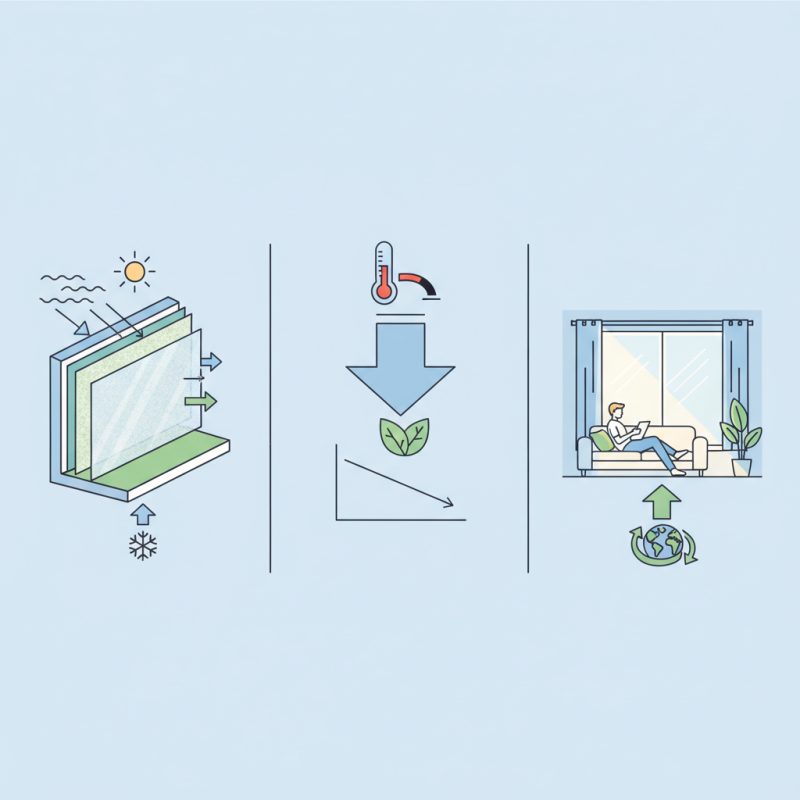
Have you heard about isolateur en verre? It’s actually a pretty cool, innovative solution for boosting energy efficiency. This tech plays a big role in how we do modern insulation these days. Basically, it’s made from high-quality glass that does a fantastic job at resisting heat transfer. I’ve seen it in action, and honestly, it can really cut down on energy bills. Take a look at houses in winter – this stuff helps keep the heat inside, so your furnace doesn’t have to work so hard. Plus, it lets in natural light, which is a bonus. That said, I won't lie—some folks find installing it a bit tricky and expensive at first. But honestly, the benefits tend to outweigh those hiccups. When you’ve got the right people on board, Isolateur En Verre can turn a simple space into something much cozier and energy-efficient. It’s definitely worth paying attention to, especially with all the talk about sustainability these days.
Definition and Overview of Isolateur En Verre
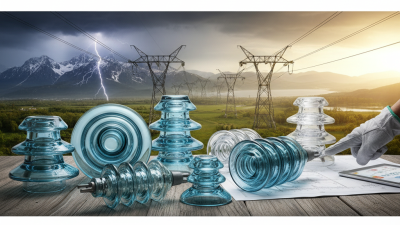
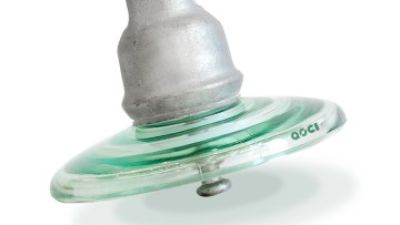
Isolateur en Verreis a type of Insulator made from glass. It facilitates electrical insulation in various applications. This material is particularly known for its durability and high resistance to environmental factors. Unlike plastic insulators, glass does not degrade easily over time. The transparency of glass also allows for easy inspection of its condition.
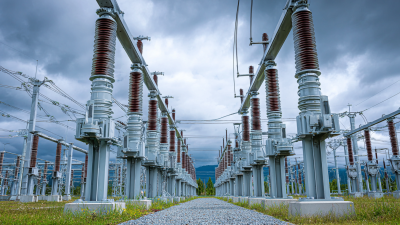
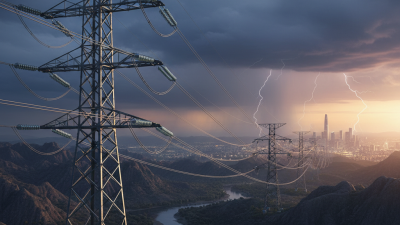
In many situations, glass Insulators are used in high-voltage power lines. They can withstand extreme weather, including heat and cold. This makes them a preferred choice in demanding environments. However, not all isolateurs work the same way. Their effectiveness can vary based on design and installation. Proper installation can greatly enhance their lifespan and functionality.
Tips: When selecting an isolateur en verre, consider the specific environment. Look for factors like temperature and humidity. Regular inspections can help catch issues early. Over time, heavy exposure might cause subtle damage. One should also reflect on potential risks during installation. Different materials might be more suitable in certain cases, so weigh your options carefully.
Materials Used in Isolateur En Verre Construction
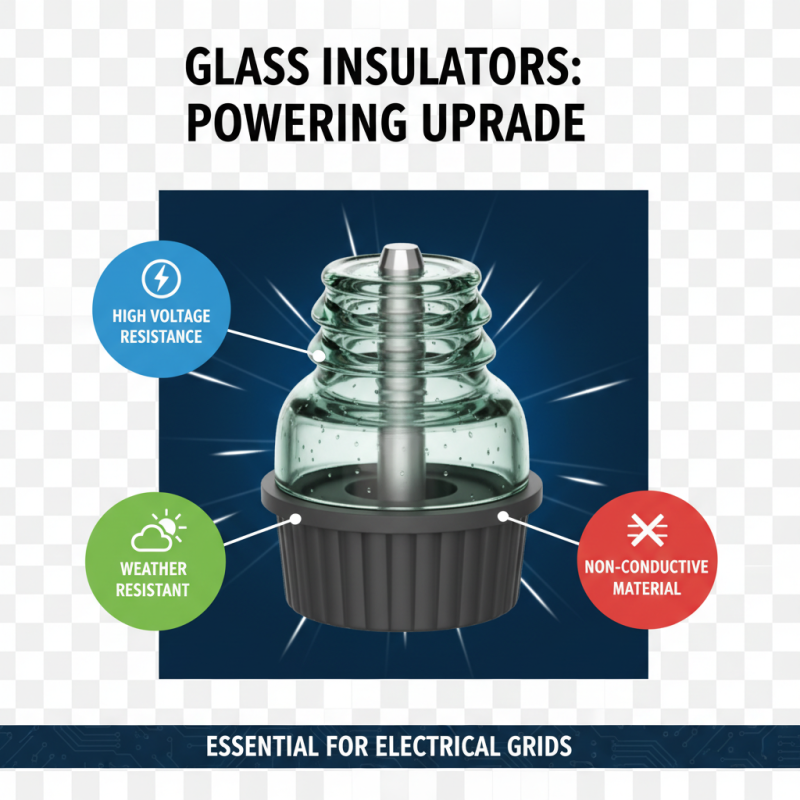
Isolateur en verre, or glass insulator, plays a crucial role in electrical systems. Its construction involves a variety of materials. The primary ingredient is glass itself, chosen for its excellent insulating properties. This material can withstand high voltages and resist weathering. Glass is also a non-conductive material, which prevents electricity from passing through it.
In addition to glass, metal fittings and ceramic components may complement the design. Metals provide structural support, adding durability to the insulator. Often, aluminum or stainless steel is used for these fittings. Meanwhile, ceramics can enhance resistance to physical damage. The choice of materials varies based on the application and environmental conditions.
Sometimes, the combination of materials can lead to unforeseen issues. Sealing agents might degrade over time, leading to moisture intrusion. Small cracks in glass or ceramics can also compromise the insulator's integrity. Engineers must frequently evaluate these potential pitfalls. Each component demands careful consideration in the design process to ensure reliability.
Mechanism of Action: How Isolateur En Verre Functions
Isolateur en verre, or glass insulator, plays a critical role in electrical systems. It helps to prevent electrical current from leaking, ensuring safety and reliability. The design includes a non-conductive glass body that withstands environmental factors. This composition makes it ideal for various applications, including overhead power lines and communication systems.
The mechanism of action centers on its ability to maintain an electrical barrier. The smooth surface of the glass allows for easy cleaning, reducing the buildup of contaminants. This is important because dirt can compromise its effectiveness. Additionally, the glass insulator is typically shaped to maximize stability against external forces, such as wind or rain. It functions not just to insulate, but also to support heavy cables.
While the performance of isolateur en verre is generally robust, issues can arise. For instance, cracks can develop due to temperature fluctuations or physical stress. Such flaws can lead to a decrease in insulation capacity. Regular inspections are essential to identify and address these problems. Finding a balance between durability and functionality remains a challenge in the design of these vital components.
What is Isolateur En Verre and How Does It Work? - Mechanism of Action: How Isolateur En Verre Functions
| Dimension | Description | Function | Applications |
| Material | Glass | Insulates electrical energy | High voltage power lines |
| Shape | Conical or disc | Improves stability and performance | Transmission towers |
| Voltage Rating | Up to 100 kV | Prevents electrical discharge | Substations |
| Resistance | High dielectric strength | Ensures safe operation | Electrical insulators |
| Maintenance | Low | Durable and long-lasting | Utility companies |
Applications of Isolateur En Verre in Various Industries
Isolateur en verre plays a significant role across various industries. From energy to telecommunications, its utility is evident. In the energy sector, these insulators help manage high voltage lines. They reduce energy loss and improve efficiency. Reports indicate that glass insulators can decrease power loss by over 30%. This translates to considerable savings and improved operational efficiency.
In telecommunications, glass insulators are crucial for supporting cables and protecting signal quality. They ensure stability and minimal signal interference. Data shows that using isolators in this sector improves transmission reliability by at least 25%. However, it's essential to recognize that not all applications of glass isolators are flawless. In harsh environments, durability can be a concern. Cracks and stress fractures might occur, leading to costly replacements.
Moreover, the manufacturing process can lead to variations in quality. Inconsistent production methods can impact performance. This highlights the need for enhanced standards in quality control. Striving for better practices could alleviate these issues. As industries increasingly rely on this technology, continuous improvement in performance will be vital.
Advantages of Using Isolateur En Verre
Isolateur en verre, or glass insulators, are essential components in electrical systems. They help maintain the integrity of structures by isolating electrical conductors from their surroundings. This prevents unwanted electrical currents from causing short circuits or other issues. Glass insulators are known for their durability and resistance to harsh weather conditions.
One of the significant advantages of using glass insulators is their high insulation resistance. They perform well in both humid and dry environments. This versatility makes them suitable for various applications. Additionally, glass insulators are less prone to mechanical damage compared to ceramic options. Their transparency also allows for easier visual inspection, helping in maintenance tasks.
Another fascinating aspect is their sustainability. Glass is recyclable and has a long lifespan. However, some challenges exist. The production process can lead to higher energy consumption. Still, the benefits often outweigh these downsides. They contribute to safer electrical systems in the long run, improving overall reliability. The use of glass insulators reflects a shift towards more sustainable practices in the electrical industry.
Maintenance and Care for Isolateur En Verre Systems
Proper maintenance of Isolateur En Verre systems is essential for optimal performance. Regular inspections should be scheduled. This ensures that the seals remain intact and the insulation properties are not compromised. Check for any visible damage or deterioration. Even small cracks can allow moisture to seep in. This can lead to reduced efficiency over time.
Cleaning the glass is vital too. Dust and debris can accumulate, impacting its insulating properties. Use a soft cloth with a gentle cleaner. Avoid harsh chemicals that can scratch the surface. After cleaning, inspect the hardware that holds the isolators in place. Loose fittings might compromise the system's integrity. Tightening them occasionally is a good practice.
Despite these measures, issues can still arise. Sometimes, temperature fluctuations can affect the material’s durability. Users may overlook small signs of wear. This is a reminder to stay alert and proactive. Embrace the learning process. Each maintenance activity enhances the lifespan and efficiency of Isolateur En Verre systems.
Future Trends and Innovations in Isolateur En Verre Technology
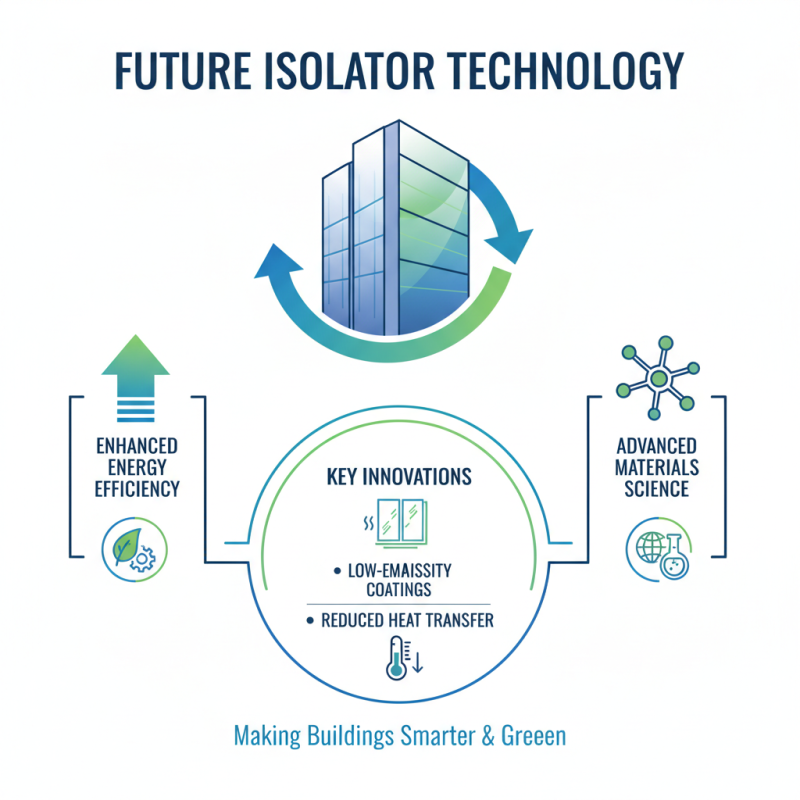
The future of isolateur en verre technology is taking shape. Innovations are emerging that focus on enhancing energy efficiency. Advances in materials science play a crucial role in this evolution. For instance, researchers are exploring low-emissivity coatings. These coatings help reduce heat transfer, making buildings more energy-efficient.
Smart technology integration is another exciting trend. IoT-enabled isolateurs can monitor thermal performance in real-time. This data can help building managers make informed decisions. However, challenges remain. The market needs to balance cost and performance. Not all innovations are immediately applicable or affordable.
Sustainability continues to be a priority. Eco-friendly materials are being developed. These materials aim to reduce the carbon footprint of glass insulators. The industry is also exploring recycling methods for old glass. While promising, these innovations require further testing. Questions remain about their long-term viability and efficiency.
Optimizing Insulator Performance: A Technical Review of the U40BL/175/127/190 IEC Standard Profile and Its Market Impact
The U40BL/175/127/190 IEC standard profile serves as a critical reference point in enhancing the performance of high voltage insulators used in power transmission and distribution systems. This technical review highlights the significance of optimizing insulator performance through adherence to standardized specifications, ultimately improving reliability and safety across electrical infrastructures. Insulators that meet the 40kN IEC standard are engineered to withstand the demanding conditions of high voltage applications, which is essential for ensuring uninterrupted power delivery.
Among the key products embodying this standard are the U40B glass suspension insulators. These insulators boast a robust design and exemplary mechanical strength, making them suitable for a variety of applications in transmission and distribution networks. Their glass composition not only enhances durability but also provides superior performance against environmental factors. The market for these insulators has seen a positive impact due to the increasing demand for high-quality components that comply with international standards, such as the U40B and its variants like U70BS and U70BL.
Facilities that offer high voltage glass insulators at competitive prices are witnessing a growing customer base. The availability of in-stock products facilitates timely installations, ensuring that power systems can meet the rising demands for electricity in urban areas. As industries continue to expand, the advancement and optimization of insulator performance will play a pivotal role in sustaining efficient and reliable energy distribution networks.
FAQS
: The content aims to provide information and guidance on specific topics.
It is directed towards individuals seeking knowledge or assistance in those areas.
While the information is based on research, I recommend cross-referencing with other sources for accuracy.
Updates are made regularly, but some sections may lag behind. Always check for the latest versions.
Feedback is welcomed. It is helpful for improving future content.
Common questions include clarifications, methods, or practical applications.
Generally, it’s advisable to credit the source if you use the information.
Yes, some details may be incomplete or less relevant over time. Critical thinking is encouraged.
You can explore linked resources or suggested readings for deeper insights.
Personal consultations may not always be available. Consider reaching out for specific advice.
Conclusion
Isolateur En Verre, or glass insulators, are crucial components used in electrical systems to prevent unwanted current flow and ensure reliable power transmission. Constructed from high-quality glass materials, these insulators function by providing excellent dielectric strength and mechanical stability. Their design allows them to withstand environmental stressors while maintaining electrical insulation.
The applications of Isolateur En Verre span various industries, including telecommunications and electrical utilities, where they support overhead lines and ensure safety. The advantages of using glass insulators include their durability, resistance to weathering, and low maintenance requirements. As technology advances, future trends indicate a shift towards innovative designs and improved materials for enhanced performance, ensuring that Isolateur En Verre remains a vital component in modern electrical infrastructure.