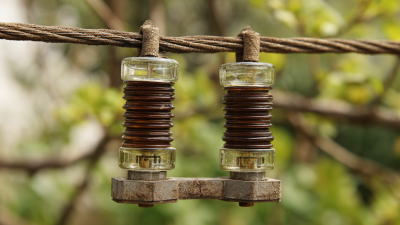
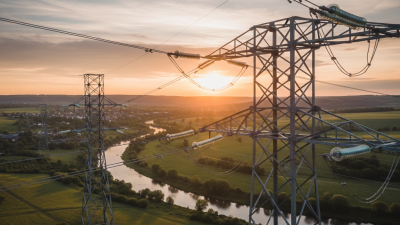
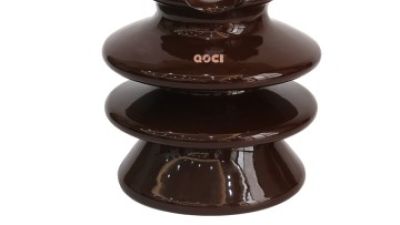
When you're dealing with 11kv Insulators, choosing the right components really matters—a lot more than most people realize. As John Smith from PowerTech Solutions puts it, “Picking the right insulator can make or break your entire electrical setup.” That really highlights just how crucial it is to understand the various options out there.
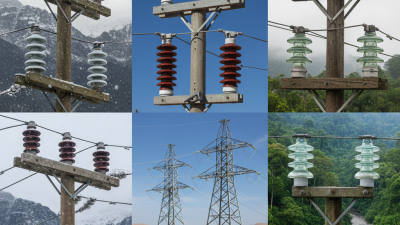
Now, when you’re selecting 11kV insulators, there are a bunch of things to keep in mind. Factors like the material, the environmental conditions, and how much mechanical strength you need are all important. For instance, ceramic insulators are pretty much known for their durability, while polymer ones tend to be lighter and easier to handle. It’s not just about grabbing whatever looks good on the shelf; practical performance really should be your top priority.
Looking back at some past projects, I’ve seen how choosing the wrong insulation can lead to failures. It’s a good reminder that picking the right insulator takes some research and a clear understanding of your specific needs. Just like in any engineering decision, it’s best to base your choices on solid data and experience. When it comes to 11kV insulators, being informed can really help ensure your system is reliable and that everything runs smoothly.
Key Factors in Choosing 11kV Insulators for Electrical Systems
When selecting 11kV insulators, several key factors come into play. These components play a crucial role in the reliability of electrical systems. First, consider the environmental conditions. Insulators must withstand extreme weather. This includes rain, snow, and high winds. Choosing materials with appropriate resistance properties is vital.
Another significant aspect is mechanical strength. Insulators should endure physical stress during their lifespan. They can face vibrations from nearby equipment or sudden impacts. It’s essential to analyze their load capacity carefully.
Tips for selection include checking insulation levels and endurance against pollution. Remember, a good insulator might have defects that aren't immediately visible. Always reviewtechnical specifications. Seek products that align with specific regional standards. Selecting the right insulator is not just a technical decision. It impacts safety, efficiency, and long-term costs.
Impact of Material Types on the Performance of 11kV Insulators
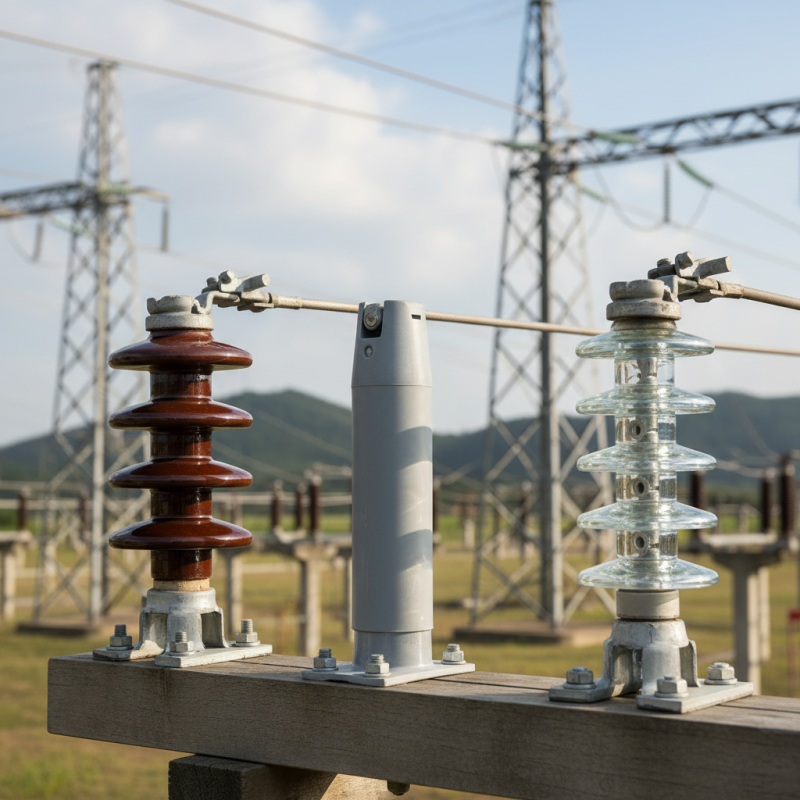
When selecting 11kV insulators, understanding the impact of material types is crucial. Common materials include porcelain, glass, and composite. While porcelain insulators are durable, they can crack under extreme conditions. Glass insulators, though less common, offer high visibility and resistance to environmental factors. According to a recent industry report, about 30% of insulator failures stem from material degradation. This indicates the importance of choosing the right type.
Composite insulators have gained traction in recent years. Their lightweight design and high pollution resistance make them appealing choices. However, concerns about their long-term performance persist. Some studies suggest that they may degrade faster than traditional materials under specific circumstances. This forces engineers to carefully consider environmental conditions when making choices.
The performance of 11kV insulators varies widely. Insulator arrester combinations influence overall effectiveness. In some regions, insulators have failed to meet expected durability, leading to outages. A report indicates that nearly 20% of outages are due to insulator issues. This highlights a need for continuous evaluation of material performance against real-world data.
Evaluating Electric Field Strength in 11kV Insulator Design
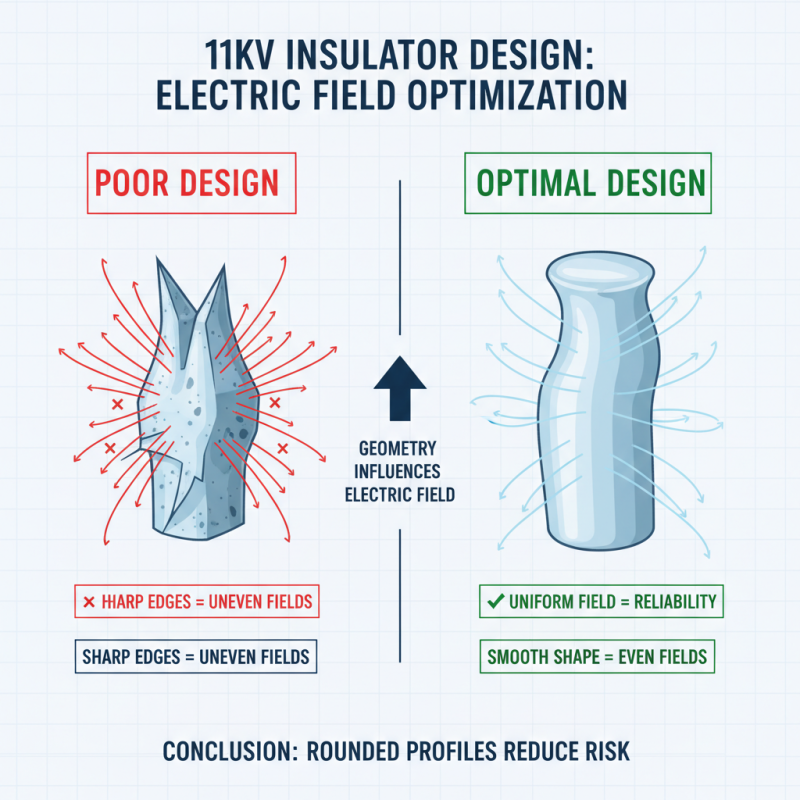
When designing 11kV insulators, evaluating electric field strength is crucial. The insulator's geometry greatly influences how electric fields distribute around it. Sharp edges or points can create high-stress areas, leading to potential failures. Thus, careful consideration of shape is essential. A smooth and rounded profile typically reduces risk, promoting more uniform field distribution.
Another factor is the insulating material. Different materials respond differently under stress. Some may break down under high electric fields, while others perform better. Testing materials in real-life conditions can offer insights. For instance, field trials might show unexpected weaknesses. Observing how insulators handle different environmental factors can enhance design choices.
It's easy to overlook these details in the design phase. However, considering them can prevent costly failures down the line. Field strength evaluations can help identify weaknesses early. Engineers must continuously refine their designs based on testing and feedback. This iterative process encourages thinking outside the box and pushing for better solutions.
Understanding Pollution Classifications for 11kV Insulators
When selecting insulators for 11kV systems, understanding pollution classifications is paramount. Pollution can severely affect insulator performance. Different environments have varying levels of pollution. For example, coastal areas often experience salt deposition. This makes insulators more prone to premature failure.
There are several pollution classes to consider. Class D is suitable for lightly polluted areas. Conversely, Class C is for more polluted environments. Urban settings often fall into Class C. Insulators in these regions need to cope with dust, smoke, and other contaminants.
Choosing the right classification may seem straightforward, but it can be complex. Factors like local climate, weather patterns, and proximity to industrial sources must be examined. A miscalculation can lead to costly failures. Inspecting insulator surfaces regularly is also essential. It helps identify issues before they become critical. Ultimately, selecting the appropriate pollution classification involves many nuances. Reflecting on these details can guide better decisions for 11kV insulators.
The Importance of Mechanical Strength Ratings in Insulator Selection
When selecting insulators for 11kV applications, mechanical strength ratings are crucial. These ratings indicate the ability of an insulator to withstand various stresses. This is vital for ensuring long-term reliability and safety. If the mechanical strength is inadequate, insulators can fail under extreme weather or operational conditions. A failure could lead to significant downtime and costly repairs.
It is essential to consider the specific environmental factors where the insulator will be installed. Different locations present various challenges, such as heavy winds or ice accumulation. These factors can affect an insulator's strength. If not properly evaluated, one might choose an insulator that fails when stressed. Choosing a product that meets or exceeds required mechanical strength ratings helps mitigate these risks.
Some engineers may overlook the importance of comprehensive testing. This is concerning because real-world applications often differ from laboratory conditions. Field conditions can be unpredictable. Insulators must be tested in scenarios that mimic actual usage. Without this approach, the selected insulator might not perform as required. Hence, detailed analysis and understanding of mechanical ratings become imperative in the selection process.
Comparative Analysis of Cost vs. Longevity in Insulator Options
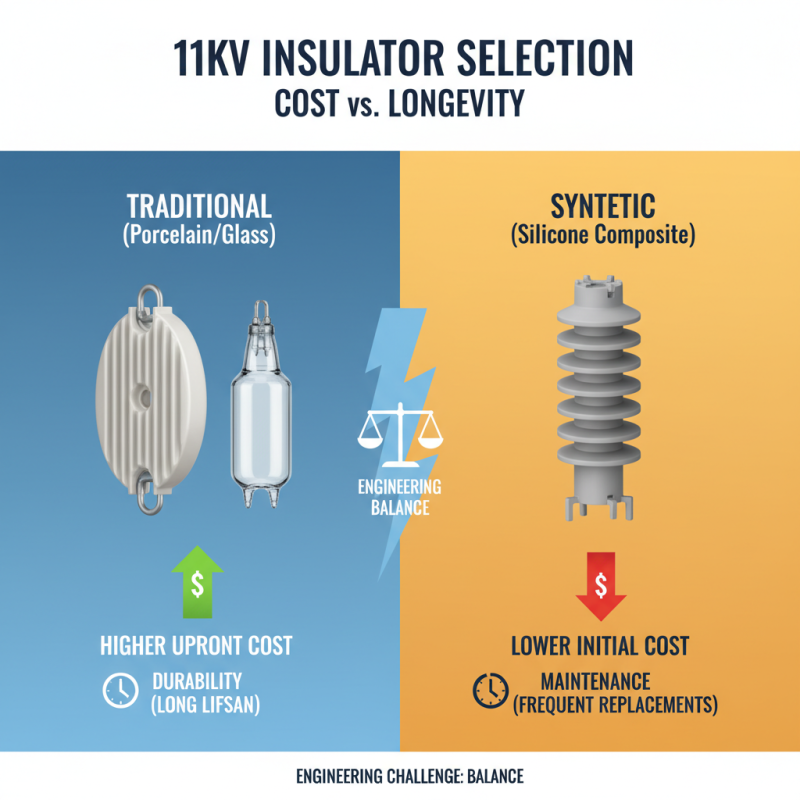
When selecting 11kV insulators, a critical focus lies in the balance between cost and longevity. Many engineers face this dilemma when determining the most suitable option for their projects. Insulators made from materials like porcelain and glass are known for their durability. However, they can come with a higher upfront cost. Conversely, synthetic insulators may appear cheaper initially but may require more frequent replacements.
Evaluating the long-term implications is vital. A cheaper insulator may lead to increased maintenance costs and downtime. For instance, a porcelain insulator might last for decades with proper care, while a cheaper alternative may only last a few years. This longevity can significantly impact the overall budget over time. Some projects overlook hidden costs, focusing solely on the purchase price, which can lead to financial strain.
It's also essential to assess installation challenges. A lightweight insulator may ease the installation process, saving labor costs. However, this does not always translate to durability under extreme weather conditions. The choice may create unforeseen issues that could affect performance. Rethinking the balance between upfront costs and long-term values can steer toward more sustainable decisions.
Regulatory Standards and Compliance for 11kV Insulators in Industry
When selecting 11kV insulators, regulatory standards play a crucial role. Compliance with these standards ensures safety and reliability in the electrical industry. For example, IEC 60243 provides guidelines for testing insulation strength, ensuring that products can withstand operational stresses. These standards influence design choices significantly.
Often, manufacturers overlook the importance of these guidelines. Some insulators may appear robust but fail under real conditions. Industry reports indicate that nearly 30% of insulator failures result from non-compliance with these standards. This statistic highlights the necessity of rigorous testing and validation.
Understanding local regulations is equally essential. Different regions may have specific requirements that affect material selection and design. For instance, in some areas, environmental factors dictate the choice of insulator materials. Failing to account for these conditions can lead to significant operational risks.
Keeping updated with standards can prevent costly mistakes and ensure durability in the long run.
Optimizing Power Distribution with 11kV Porcelain Insulator P-11-Y Pin Insulators: A Comprehensive Guide
The optimization of power distribution systems is essential for enhancing efficiency and reliability. Among the key components in this optimization process are the 11kV porcelain insulator P-11-Y pin insulators. These insulators play a crucial role in ensuring that electrical lines remain insulated from environmental elements, significantly reducing the risk of outages and failures. Their design effectively handles high voltage applications, making them ideal for use in both urban and rural settings.
The porcelain material used in P-11-Y pin insulators provides superior durability and resistance to harsh weather conditions, including extreme temperatures and moisture. This resilience extends the lifespan of the insulators, reducing maintenance costs and minimizing the need for frequent replacements. Furthermore, the pin insulator's design allows for easy installation and compatibility with existing infrastructure, facilitating a smoother transition for upgrades in power distribution networks. By choosing high-quality 11kV porcelain insulators, utilities can enhance the operational reliability of their power distribution systems while ensuring safety and performance standards are met.
FAQS
: The service provides easy access, user-friendly design, and a variety of options to enhance your experience.
User data is encrypted and stored securely. We prioritize privacy and use minimal data collection practices.
You can reach out to customer support. Detailed descriptions help resolve issues faster.
While basic services might be free, some options may have fees. Check the details before signing up.
Yes, you can cancel anytime. However, consider the impact on ongoing projects.
The service can be accessed on mobile browsers. An app is not available yet.
Yes, there are resources and tutorials available. They can improve your understanding of the service.
You can submit feedback through the service portal. Constructive criticism is appreciated.
Data may be deleted but some records could remain for compliance reasons. Think carefully before deleting.
No, support hours are limited. Response times may vary based on peak hours.
Conclusion
Selecting the right 11kV insulators is crucial for ensuring the reliability and efficiency of electrical systems. Key factors to consider include the material types, which directly affect performance; understanding the electric field strength pertinent to insulator design; and recognizing various pollution classifications that could impact operation. Additionally, mechanical strength ratings are vital in determining the insulators' ability to withstand environmental stresses.
Cost-effectiveness is also a significant consideration, as a thorough comparative analysis of costs versus longevity can influence long-term investment decisions. Finally, it is essential to adhere to regulatory standards and compliance requirements within the industry to guarantee that selected 11kV insulators meet safety and performance benchmarks. By carefully evaluating these aspects, decision-makers can ensure optimal insulator selection for their electrical infrastructure.