Leave Your Message
0%

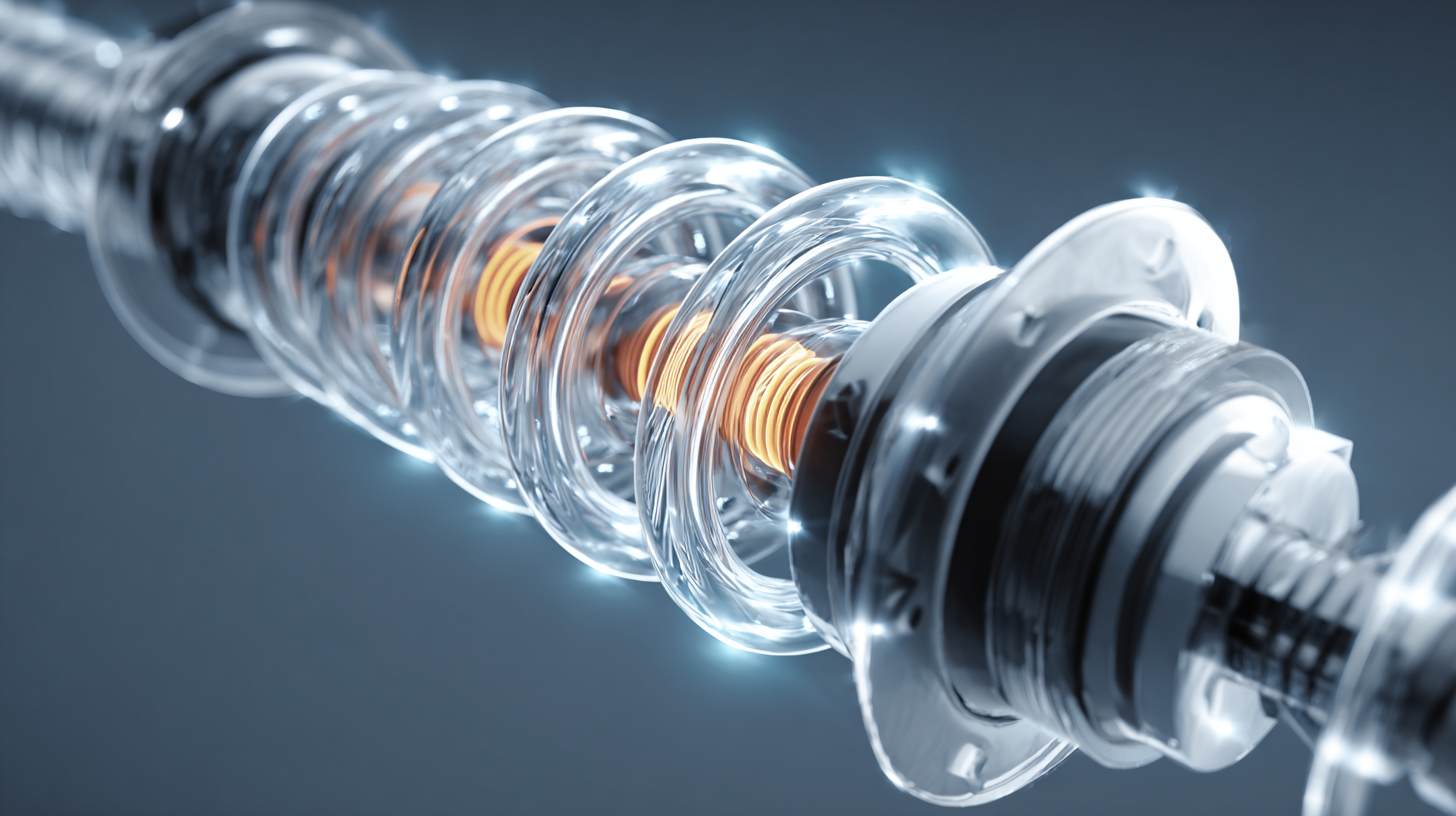
Alright, so let’s talk about something that really matters in the world of electrical engineering: High Voltage Insulator Design. It’s pretty much a must-have if we want our power transmission systems to be reliable and efficient. With the global appetite for electricity skyrocketing, high voltage insulators play a crucial role. You see, these insulators have to handle some pretty extreme voltage without letting any current sneak away. It’s a big deal! The International Electrotechnical Commission emphasizes how vital these components are for keeping electrical networks solid, especially now that we’re integrating more renewable energy sources. Enter Jiangxi QOCl Electric Co. Ltd., which has been around since 2002 and really knows what it’s doing. They combine solid production technology with top-notch research skills to come up with innovative designs for glass insulators. In this blog post, we’ll dive into the perks of weaving import-export certifications into the insulator design process. This could really help engineers and manufacturers optimize their high voltage solutions. Plus, we’ll shine a light on how companies like QOCI are pushing the boundaries and setting new standards in the industry. Stick around; it's going to be an interesting journey!
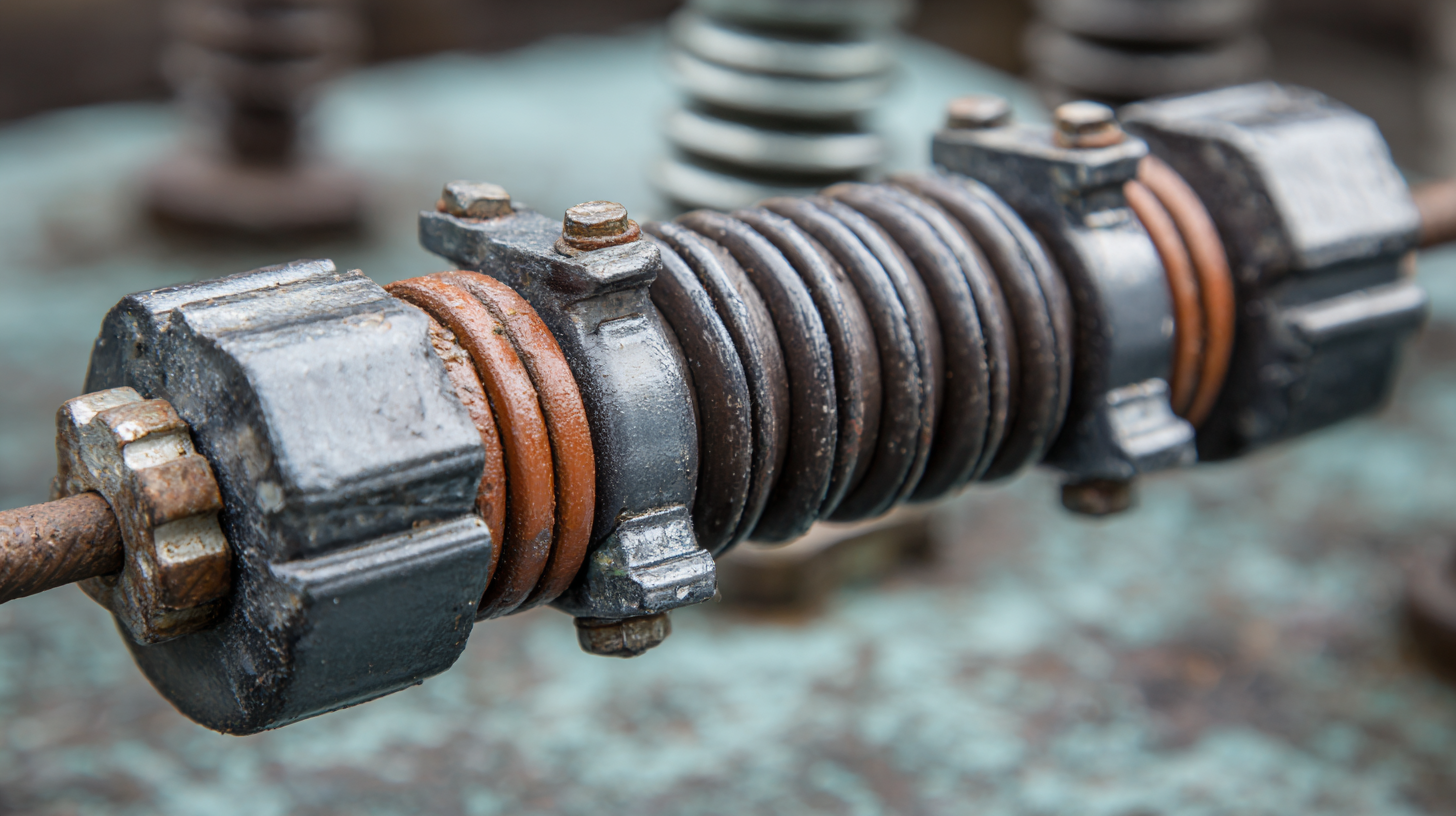
Mastering Import Export Certifications for Best High Voltage Insulator Design Techniques

Understanding Import Export Certifications in the High Voltage Insulator Industry

Hey there! If you're in the high voltage Insulator game, you probably know that getting to grips with import-export certifications is super important. It’s not just about keeping things above board; it’s also about really reaching out to the market. A recent study by Grand View Research predicts that the global high voltage insulator market is set to grow by about 5.6% annually from 2021 until 2028. As manufacturers spread their wings and go global, making sure their products tick all the regulatory boxes is absolutely key. Not only does this safeguard their designs, but it also boosts their reputation on the international stage.

Now, here's a little tip for you: to make the certification process smoother, it’s crucial to keep up with the specific requirements of the countries you’re targeting. Each country has different standards for materials and testing methods, which can really shake up the timeline and the costs involved in getting into those markets.

Plus, on top of that, getting the right certifications can give manufacturers a solid edge over the competition. For example, scoring an ISO 9001 accreditation can really amp up product quality and keep customers happy. When manufacturers know the ins and outs of these certifications, they can navigate the maze of international regulations much more easily, which can really spark some innovation in high voltage insulator design.

And here’s another tip: linking up with a certification consultant early on in the design phase can help you spot any potential hiccups and ensure you’re compliant from the start. This could save a ton of time and money later on—definitely worth considering!

Mastering Import Export Certifications for Best High Voltage Insulator Design Techniques

Certification Name Issuing Authority Validity Period (Years) Industry Applicability Certification Cost (USD)
ISO 9001 International Organization for Standardization 3 Manufacturing 5000
IEC 60168 International Electrotechnical Commission 5 High Voltage Equipment 3000
UL 746 Underwriters Laboratories 3 Electrical Insulation 4500
NEMA Standards National Electrical Manufacturers Association 3 High Voltage Insulators 4000
ANSI C29 American National Standards Institute 5 Insulator Testing 3500

Key Design Features to Enhance High Voltage Insulator Performance

So, when it comes to designing high voltage insulators, there are a bunch of key features we really need to keep in mind. These elements aim to boost performance while making sure they last for a good while. First up is the choice of materials. This is super important because it directly affects how well the insulator can handle electrical stress and different environmental conditions. Using advanced materials like silicone rubber and composite polymers can really up the game here. They not only improve water-repelling qualities but also resist electrical tracking, which means lower maintenance costs and a longer lifespan overall.

Mastering Import Export Certifications for Best High Voltage Insulator Design Techniques

Then there's the geometry of the insulator, which is just as vital. The design needs to allow for good electric field distribution to keep flashover at bay, all while being lightweight and a breeze to install. Aerodynamic shapes can also play a big role, helping to minimize wind load and mechanical stress, making sure the insulator holds up no matter what the weather throws at it. Plus, let's not forget about surface treatments and coatings; these can really enhance performance by keeping dirt and grime away, which can otherwise lead to degradation. By honing in on these crucial design elements, engineers can really nail the art of making high voltage insulators that meet the demands of today’s electrical systems.

Comparative Analysis of Global Standards for Insulator Certifications

When it comes to designing high voltage insulators, it’s super important for engineers and manufacturers to get a grip on the different global certification standards out there. You see, every country tends to have its own set of rules and testing methods that reflect its specific environmental quirks and electrical grid needs. For example, in the U.S., we’ve got the National Electrical Manufacturers Association (NEMA) standards, which really focus on how durable and performative the insulators are in various weather conditions. Meanwhile, over in Europe, many countries follow the International Electrotechnical Commission (IEC) standards, which are all about keeping things uniform across the board.

If you dig a little deeper into a side-by-side comparison of these standards, you'll notice some pretty big differences in how they test things, what materials they accept, and what performance metrics they prioritize. Like, in some places, insulators need to pass extreme temperature tests, while in others, the emphasis might be on how well they stand up to pollution or electrical tracking. Being aware of these differences is really crucial for anyone involved in international trade. It helps ensure compliance with various standards and makes exporting products a whole lot smoother. By really nailing down the details of these global certifications, designers can make their products more market-ready and boost the reliability of high voltage insulators worldwide.

Mastering Import Export Certifications for High Voltage Insulator Design Techniques

This chart represents a comparative analysis of various global standards for insulator certifications based on their impact on the design techniques of high voltage insulators.

Evaluating Material Choices for Optimal Insulator Design Techniques

When it comes to designing high voltage insulators, picking the right materials is super important for making sure they last and do their job well. Lately, some studies have shown that the type of material you choose can really impact the insulator's electrical and mechanical properties. For instance, the International Electrotechnical Commission (IEC) has reported that porcelain insulators are really strong and commonly used in lots of applications. But you know what? Composite materials, like polymer insulators, are becoming really popular too. They’re lightweight and hold up better against the elements, which is a big plus. As the demand for more efficient and dependable insulators keeps rising, figuring out the best materials is more crucial than ever.

Oh, and here's a tip: when you're looking at material options, think about the environment where the insulators are going to be placed. Stuff like temperature changes, pollution, and humidity can really change how the materials perform.

Another thing to keep in mind is the insulator's dielectric strength. This basically tells you how much electrical stress it can handle before it breaks down. A recent study in the IEEE Transactions on Power Delivery pointed out that certain composite materials can reach dielectric strengths over 100 kV/mm, which is even better than traditional porcelain insulators. This kind of flexibility in material engineering means you can create customized solutions that fit specific needs really well.

Another tip: don’t forget to compare the properties of different materials, like thermal conductivity and tensile strength, to make sure your insulator designs perform optimally and are reliable.

Mastering Import Export Certifications for Best High Voltage Insulator Design Techniques

Best Practices for Navigating Regulatory Compliance in Insulator Exports

You know, navigating the whole maze of export compliance is super important for companies that deal with high voltage insulators, especially these days with regulations getting tougher in places like Japan and China. Japan’s really ramping up its controls on semiconductor tech, and that means businesses in the insulator field need to keep their eyes peeled for how these broader rules might affect them. Staying in the loop about the latest export laws and certifications isn’t just a legal requirement; it’s actually key to staying competitive in such a tightly regulated environment.

To handle the whole compliance thing effectively, companies should definitely set up some solid internal controls and training programs. These should focus on getting a good grip on international trade laws. Teaming up with compliance pros can make the certification process a lot smoother, so all products hit the necessary standards before being shipped off. Plus, connecting with industry associations can offer some really useful tips on best practices to tackle these hurdles, helping to make export processes less of a headache while avoiding those pesky regulatory penalties. Taking this proactive route is going to be crucial for companies looking to thrive in the global marketplace in the long run.

Exploring the Benefits and Applications of U420B High Voltage Toughened Suspension Glass Insulators

Exploring the Benefits and Applications of U420B High Voltage Toughened Suspension Glass Insulators

High voltage toughened suspension glass insulators, such as the U420B, play a crucial role in modern electrical power systems by ensuring reliable and efficient energy transmission. The U420B insulator is designed to withstand extreme environmental conditions, making it suitable for various applications in utility and industrial sectors. Its enhanced mechanical strength and electrical insulation properties allow it to handle high voltage loads while minimizing the risk of failure. This reliability is essential for maintaining the integrity of power supply systems and preventing outages.

In comparison, the QOCI Electric offers the U550B, a 550KN toughened suspension glass insulator that further exemplifies the advancements in this technology. With a focus on durability and performance, the U550B insulator is engineered to resist moisture, pollution, and extreme temperatures, ensuring long-lasting functionality. It is an excellent choice for power supply applications where safety and efficiency are paramount. The innovative glass pin insulator design used in QOCI Electric's products enhances their load-bearing capacity, making them ideal for high voltage transmission lines. The increasing adoption of insulators like U420B and U550B reflects the industry's commitment to improving power distribution systems while addressing environmental challenges.

FAQS

: Why are import export certifications important in the high voltage insulator industry?

: Import export certifications are essential for maintaining compliance with regulatory standards, optimizing market reach, and enhancing a manufacturer's reputation in international markets.

What is the expected growth rate of the high voltage insulator market from 2021 to 2028?

The global market for high voltage insulators is expected to grow at a CAGR of 5.6% from 2021 to 2028.

How can manufacturers streamline the certification process?

Manufacturers can streamline the certification process by staying updated on the specific requirements of target countries, as standards for materials and testing methods can vary significantly.

What advantage does obtaining ISO 9001 accreditation provide?

Achieving ISO 9001 accreditation can enhance product quality and improve customer satisfaction, which leads to significant competitive advantages in the market.

Why is it beneficial to engage a certification consultant early in the design process?

Engaging with a certification consultant early can help identify potential pitfalls and ensure compliance from the start, saving time and resources in the long run.

What are some of the differences in global standards for insulator certifications?

Global standards vary in criteria and testing methodologies, with the U.S. NEMA standards focusing on durability and performance, while the European IEC standards prioritize uniformity across countries.

What types of tests might different regions require for high voltage insulators?

Testing requirements can vary, with some regions focusing on extreme temperature tests, while others may require resistance to pollution and electrical tracking.

How does understanding global certifications benefit manufacturers?

By mastering the nuances of global certifications, manufacturers can improve their products' market readiness and enhance the reliability of high voltage insulators on a global scale.

Amelia

Amelia

Amelia is a highly skilled marketing professional at Jiangxi QOCI Electric Co. Ltd., a leading manufacturer of glass insulators established in December 2002 in Jiangxi Province, China. With a profound understanding of the company’s products and an unwavering commitment to excellence, she plays a......
Previous Understanding Import Export Certifications for Isolateur Ctv 254 and How to Navigate the Process