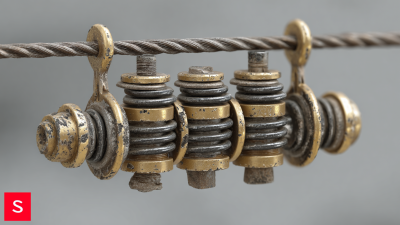
You know, in today’s global market, really nailing those import and export certifications is super important—especially when it comes to specialized products like Suspension String Insulators. Take Jiangxi QOCI Electric Co. LTD., for example. They’ve been around since December 2002 and have really stepped up their game when it comes to glass insulators, thanks to years of tech advancements and solid research and development. Based in Jiangxi Province, China, QOCI is all about delivering top-notch Suspension String Insulators that meet international standards. So, in this practical guide, we’re going to work through the tricky certification process together, tackling some of those common headaches that manufacturers and suppliers often face in the industry.
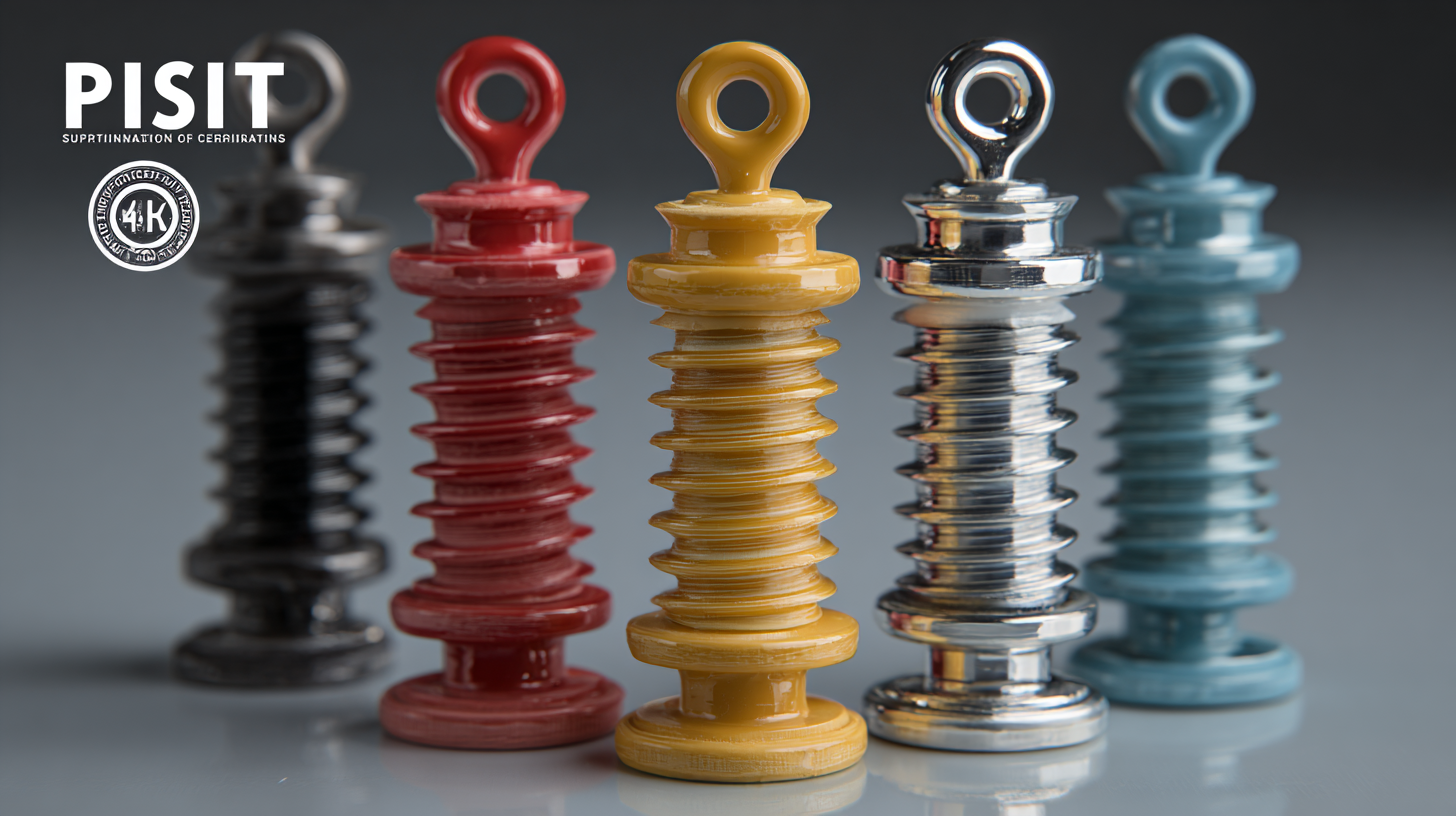
By getting a good grip on the ins and outs of certification requirements, businesses can really set themselves up for success in this competitive landscape, making sure their Suspension String Insulators are ready to meet the needs of global markets.
Understanding the Importance of Import and Export Certifications in the Suspension Insulator Industry
You know, in the suspension insulator world, having those import and export certifications is super important. They’re not just about proving product quality; they also help with making sure everything’s compliant with safety and environmental standards. Lately, there’s been this trend where manufacturers are really pushed to meet some tough international guidelines, and guess what? This has actually led to a 30% boost in how competitive they are in the market. These certifications work great to build trust—not just between suppliers, but also for the consumers out there looking for reliable products.
And let’s talk about the rise in demand for acoustic insulation materials. It’s pretty clear that sustainability and efficiency are becoming big deals in construction these days. I came across this interview with a few industry experts who really stressed how focusing on product certification can drive some cool innovations—especially with heat insulators, which are key to those energy-efficient designs we hear so much about. Companies that get serious about complying with import and export certifications can really cut down on risks and also tap into fresh market opportunities. This is crucial now, especially since we’ve seen a whopping 25% uptick in demand for top-quality insulators. It really seems like a pivotal time for manufacturers to invest in getting those certifications right.
Key Regulatory Bodies and Their Role in Suspension Insulator Certifications
You know, when it comes to keeping suspension string insulators safe and reliable, it’s super important to get a grip on the main regulatory bodies that give them their certification. Organizations like the International Electrotechnical Commission (IEC) and the American National Standards Institute (ANSI) really have a hand in setting and enforcing the standards we all rely on. They put the products through their paces, testing how well they perform and hold up in different environmental conditions. This way, they make sure that everything meets both national and international safety standards.
But it’s not just about IEC and ANSI. Manufacturers also need to keep on their toes with local regulatory bodies that oversee the export and import of electrical components. These groups not only help companies check off all the safety standard boxes, but they also help make the certification process smoother for those looking to break into new markets. With the buzz around quality assurance getting louder in the industry, staying informed about these regulatory requirements is key for manufacturers who want to be seen as the go-to leaders in the suspension string insulator game.
Navigating the Certification Process: Step-by-Step for Importing Suspension Insulators
Getting through the certification process for importing suspension string insulators can be quite a challenge, and you really need to be in the know about both the technical specs and the latest market trends. You know, recent reports have been saying that the electrical insulating fittings market in Latin America and the Caribbean is on track to grow by about 2.7% each year until 2035. That’s pretty exciting because it opens up a lot of doors for companies out there, especially for ones like Jiangxi QOCl Electric Co. Ltd. Their advanced production tech for glass insulators, along with their solid research for functional glass, really sets them apart.
When you’re diving into the certification process, it’s super important to get a good grasp of the rules laid out by regulatory bodies. These guidelines can make or break your acceptance in the market. For example, the global insulating board market is expected to gradually grow at around 0.6% over the next decade, mostly due to the rising demand for energy-efficient solutions. So, if you’re looking to import these products, you’ll want to make sure you check off all the right certification boxes. This is especially true in regions where demand is really picking up. With a bit of strategic thinking and some top-notch products, companies can really make a splash during this key transition period in the market.
Mastering Import and Export Certifications for the Best Suspension String Insulators: A Practical Guide
| Certification Type | Issuing Authority | Required Documents | Processing Time | Cost Estimate | Validity Period |
| ISO 9001 Certification | International Organization for Standardization | Quality Manual, Process Documentation, Audit Reports | 3 to 6 months | $5,000 - $15,000 | 3 years |
| CE Marking | European Conformity | Technical File, Declaration of Conformity | 2 to 4 weeks | $1,000 - $3,000 | Indefinite (Renew as necessary) |
| UL Certification | Underwriters Laboratories | Product Specifications, Sample Testing Results | 4 to 6 weeks | $2,000 - $10,000 | 1 year |
| RoHS Compliance | European Union | Test Reports, Material Declarations | 1 to 3 weeks | $500 - $2,000 | Indefinite |
Common Standards and Guidelines for Suspension String Insulator Certifications
Hey there! When it comes to suspension string insulators, getting the right certifications is super important. It's all about making sure you’re on point with industry standards and safety rules. If manufacturers know the common standards out there, they can really make their way through the tricky world of import and export certifications without getting too lost.
You know, recent happenings with various certification bodies really show how essential it is to stay up-to-date. For example, the recent pauses in certifications for areas like e-Stewards and medical devices ring alarm bells! It’s a wake-up call for companies to really stick to the guidelines so they don’t end up with unexpected bumps in the road.
As the certification game keeps changing, organizations have to keep up with the new rules that pop up. The fact that some certifications have been put on hold due to unresolved issues or compliance problems is a big reminder of just how high the stakes are. If a company works with suspension string insulators, focusing on these ever-changing standards is a must to avoid risks. By putting compliance at the forefront, industries can not only boost the confidence of their stakeholders but also make sure their products are trustworthy out there in the market.
Industry-Specific Data: Impact of Certifications on Market Accessibility and Sales
Alright, let’s talk about the suspension string insulator market for a sec. You know, when it comes to certifications, they’re super important for not just accessibility but also for boosting sales. Think about it: having the right industry-specific certifications doesn’t just mean you're playing by the rules; it also makes your products look way more credible to both consumers and those regulatory folks. For manufacturers and exporters, nailing down those certifications can really open up new doors and build some solid trust with clients.
Here’s a tip: before diving headfirst into getting certified, take a good look at the market. You want to figure out which certifications really matter in the areas you’re targeting. That way, you can focus your resources better and make sure your products line up with what the market’s looking for.
But there’s more to it than just ticking boxes. The benefits of having recognized certifications can go a long way—they often lead to higher sales and a stronger position in the market. These days, customers are all about quality and safety, so certified products tend to catch their eye more easily. If you can tap into that, you’ll really stand out and build a loyal customer base.
And yeah, keep yourself in the loop about the latest certification trends and regulations in your industry. Regular updates on what’s happening can help you stay compliant and keep that competitive edge in this ever-changing market.
Challenges and Solutions for Compliance with Global Certification Requirements
You know, figuring out the maze of global certification requirements for suspension string insulators can feel really overwhelming. Seriously, manufacturers and importers deal with a ton of hurdles, like the fact that different countries have their own sets of rules, and let’s not forget about the intense testing that’s often needed. It’s not just about hitting the bare minimum to comply with local laws; you’ve got to wrap your head around the specific demands of international markets too, which can be pretty all over the place. And trust me, when there’s a lack of clear info on certification processes, it can lead to some pretty expensive delays and even product rejections. What a headache, right?
So, here’s a thought: to make sure you’re on the right track, start by digging deep into what certifications you need for the markets you’re targeting. This could mean chatting with experts in the industry or tapping into resources from international trade groups. Oh, and it might also be a good idea to take a proactive approach. Think about setting up a quality management system that lines up with those certification standards—this way, your products are more likely to meet the necessary criteria consistently.
And hey, keeping yourself updated with the latest changes in regulations is absolutely key. Make it a habit to check out updates from certification bodies and join in on workshops or webinars that talk about import and export compliance. Building good relationships with local certification agencies can be super helpful too; they can make things run a lot smoother and give you the lowdown on how to tackle challenges when they come up. Trust me, this kind of strategy not only helps you keep compliance in check but also boosts your brand’s reputation on the global stage.
A Comprehensive Guide to High Voltage Power Transmission and the U160BM Disc Glass Suspension Insulator
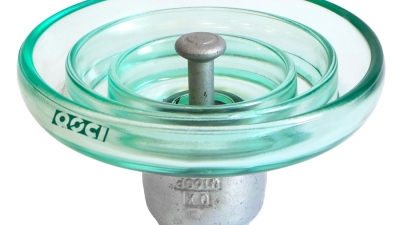
High voltage power transmission is a critical aspect of modern electrical infrastructure, ensuring that electricity generated from power plants reaches consumers efficiently over long distances. The U160BM Disc Glass Suspension Insulator is designed to meet the demanding requirements of high voltage applications, providing excellent performance in various environmental conditions. With a rating of 160kN, the U160BM insulator is renowned for its toughness and resilience, making it an ideal choice for power supply networks requiring robust insulation.
According to industry reports, the demand for high voltage insulators is projected to grow significantly, driven by the expansion of transmission networks and the increasing reliance on renewable energy sources. The U160BM insulator features a ball and socket type design, enabling it to accommodate swaying and dynamic loads, which is a common challenge in overhead power lines. Its toughened glass composition ensures superior mechanical strength and electrical insulation properties, effectively mitigating the risks associated with electrical faults and ensuring safety.
The U160BM is not just another component; it symbolizes the evolution of insulation technology in high voltage power systems. By investing in quality products like the QOCI Electric U160BM suspension glass insulator, utility companies can enhance the reliability and efficiency of their transmission lines, ultimately contributing to a more stable and sustainable energy future. The integration of such high-quality insulators is essential for meeting the growing electricity demand while simultaneously upgrading aging infrastructure to meet modern standards.
FAQS
: The key regulatory bodies involved in the certification of suspension string insulators include the International Electrotechnical Commission (IEC) and the American National Standards Institute (ANSI). These organizations establish and enforce safety standards for insulators.
Understanding regulatory requirements is vital for manufacturers as it ensures compliance with safety standards, facilitates market access, and helps in maintaining product credibility, which is essential for becoming market leaders.
The certification process involves understanding technical specifications and market trends, complying with parameters set by regulatory bodies, and securing the necessary certifications to ensure market acceptance, especially in growing regions.
Certifications enhance compliance with safety standards, improve product credibility, and can lead to increased sales and better market positioning. Certified products are often more appealing to consumers who seek assurance of quality and safety.
Companies should conduct a thorough market analysis to identify the most valued certifications in their target regions. This helps prioritize resources and align products with market demands.
Staying informed about the latest trends and regulations regarding certifications helps manufacturers remain compliant, maintain a competitive advantage, and adapt to a constantly evolving market landscape.
Recognized certifications can open doors to new markets, foster trust among clients, and differentiate products in the market, leading to a loyal customer base and potentially higher sales.
Yes, recent reports indicate that the electrical insulating fittings market in Latin America and the Caribbean is expected to grow at a CAGR of +2.7% through 2035, presenting new opportunities for companies.
Regional regulatory bodies govern the import and export of electrical components, helping ensure compliance with safety standards and streamlining the certification process for manufacturers entering new markets.
Manufacturers should consider strategic foresight, robust product offerings, and compliance with relevant certifications to effectively position themselves during market transitions.