In the fast-changing world of electrical engineering, making equipment more efficient is more important than ever — especially when you’re dealing with vital parts like the Ctv Chain Isolator. Recent industry reports suggest that adopting some smart digital strategies can boost efficiency by as much as 30%. That’s a big deal because it can cut down on operational costs and reduce downtime quite a bit. Jiangxi QOCl Electric Co. LTD., a pretty well-known player in the field since way back in December 2002, has been leading the charge in this tech space. They’ve really built up their expertise in glass and circuit insulators and have a solid R&D team that’s always pushing to find new ways to help industry folks get the most out of their Ctv Chain Isolators — especially through innovative digital tools. As demand for reliable power infrastructure keeps climbing, these ten digital tips aren’t just gonna improve performance — they’re also gonna help make operations more sustainable. Trust me, embracing these simple hacks could really make a difference in the long run.

Enhancing CTV Chain Isolator Performance through Data-Driven Strategies
If you really want to boost your CTV Chain Isolator performance, taking a data-driven approach can make a huge difference. Once you start digging into your data, you'll probably spot inefficiencies and areas that could use some fine-tuning. A good tip? Keep an eye on your operational metrics regularly and look for trends over time. That way, you'll see where the bottlenecks are and can jump in quickly before things get out of hand, helping to keep things running smoothly.
Another thing that's worth considering is adding predictive maintenance into the mix. Using IoT sensors to gather real-time info on your isolators can give you a heads-up if something’s about to go wrong. Catching problems early means less downtime and a longer lifespan for your equipment, which is definitely a win when it comes to costs and reliability.
Don’t forget about your team, either. When your staff understands the insights behind the data, they can make smarter decisions on the fly. It’s all about creating a culture where data is valued—this way, everyone works smarter, not harder, leading to better results overall. In the end, by embracing these kind of data-driven strategies, your company can really maximize how effective your CTV Chain Isolators are and keep things running at their best.
10 Digital Tips for Maximizing Your Ctv Chain Isolator Efficiency
| Tip Number | Tip Description | Expected Efficiency Improvement (%) | Implementation Difficulty (1-5) | Estimated Cost ($) |
| 1 | Regular maintenance schedules | 15 | 2 | 200 |
| 2 | Data analytics for operational insights | 25 | 3 | 500 |
| 3 | Automated monitoring systems | 30 | 4 | 1500 |
| 4 | Employee training programs | 20 | 2 | 300 |
| 5 | Implementation of predictive maintenance | 35 | 5 | 2000 |
| 6 | Use of energy-efficient components | 40 | 3 | 1000 |
| 7 | Integration of IoT devices | 45 | 4 | 2500 |
| 8 | Regular software updates | 20 | 2 | 150 |
| 9 | Collaboration with industry experts | 25 | 3 | 400 |
| 10 | Data-driven decision making | 50 | 5 | 3000 |
Leveraging Industry 4.0 Technologies to Optimize Isolator Efficiency
In today’s world of Industry 4.0, making the most of the latest tech really matters when it comes to getting the most out of CTV chain isolators. One big thing that’s changing the game is using IoT sensors. These little devices let manufacturers keep an eye on how the isolators are doing in real-time. By tracking stuff like temperature, humidity, and environmental factors, companies can make smarter decisions about maintenance — you know, fixing things before they break. This kind of proactive approach doesn’t just cut down on unexpected breakdowns; it also helps the isolators last longer.
Then there’s predictive analytics, which is pretty cool. It uses machine learning to look at past data and predict when something might go wrong. So, instead of waiting for failure to happen, companies can fix issues early, keeping everything running smoothly. Adding automation into the mix helps too — it makes controlling the system faster and more efficient, so responses to changes happen on the fly. Overall, jumping on these Industry 4.0 tech upgrades not only boosts how well the isolators work but also gives organizations a real edge in today’s fast-moving industrial world.

Integration of Smart Sensors for Real-Time Monitoring in CTV Systems
You know, integrating smart sensors into Chemical Tank Vessel (CTV) systems is honestly a pretty big deal. It’s one of those advancements that really makes a difference when it comes to making chain isolators work more efficiently. Industry folks are saying that using IoT-based sensors could cut down downtime by around 20%, and a lot of that comes from being able to monitor things in real time and catch potential issues before they turn into bigger problems. These sensors keep an eye on critical things like pressure, temperature, and chemical makeup, so operators can make smarter decisions and even prevent failures altogether.
On top of that, adding these smart sensors helps companies do a better job at sticking to safety rules and environmental standards. The IMO reports that around 30% of marine accidents involve tank overflows or contamination — that’s quite a chunk, right? With these advanced monitoring tools, businesses can significantly reduce those risks. It’s a proactive approach that not only protects the environment but also keeps the equipment running smoothly. That’s super important for staying efficient and avoiding those annoying unexpected costs that can really throw a wrench in operations.
Utilizing Predictive Maintenance Analytics to Reduce Downtime
In today’s fast-moving industrial world, predictive maintenance—often called PdM—is really becoming essential for keeping things running smoothly and cutting down on unexpected downtime. Especially when it comes to systems like CTV chain isolators, this approach is a game-changer. By leveraging the latest in analytics and AI, companies can even spot potential equipment hiccups before they happen, which means fewer surprises and unplanned outages. Some recent studies suggest that by 2025, implementing good predictive maintenance could slash machinery downtime by around 30% across different industries.
And it doesn’t stop there—adding IoT-enabled sensors and monitoring takes things to the next level. With real-time data flowing in, businesses can stay ahead of issues and keep everything running seamlessly. Industries like mining and agriculture are already seeing the benefits; reports show about a 15% boost in factory uptime thanks to these smarter maintenance strategies. As more companies jump on board with these tech-savvy approaches, the insights gained from predictive analytics not only improve how machines perform but also save a ton of money in the long run. Honestly, adopting these technologies is pretty much becoming a necessity if you want to stay competitive in today’s market.
Implementing Energy Management Solutions for Cost Efficiency in Isolators
 Implementing energy management solutions in Chain Isolator Systems (CIS) can really open up some great opportunities to cut costs and boost efficiency. Did you know that, according to the International Energy Agency, buildings actually make up nearly 30% of the world's energy use? By adopting smarter energy management practices, facilities could see their energy consumption drop by up to 20%—and that’s without sacrificing performance. This is super important for isolators because even small energy savings can add up and make a real difference in overall operating costs.
One cool thing is using digital tools like energy monitoring systems. These let operators get real-time info on how much energy they’re using. The U.S. Department of Energy recently pointed out that companies using these kinds of tech have managed to cut their energy use by as much as 15%. When you analyze that data strategically, you can spot inefficiencies and then make targeted upgrades or tweak how things are run. Tools like variable frequency drives (VFDs) are also a game-changer—they can adjust energy use on the fly based on actual demand, making operations leaner and smarter.
Plus, regular maintenance and performance optimization of equipment shouldn’t be overlooked. A study from the American Council for an Energy-Efficient Economy found that keeping electrical gear in good shape can really prevent energy waste—saving somewhere between 10% and 30% annually. To really make the most of these energy management solutions, companies need to keep an eye on things with continuous monitoring and be ready to make smart adjustments. Doing so can lead to smoother operations and significantly lower energy bills. So, in a nutshell, investing in these practices isn’t just smart—it’s essential if you want to save big and run things more efficiently.
Adapting Industry Standards and Best Practices for Maximum Performance
Getting industry standards and best practices and best practices right is honestly a big deal when it comes to making CTV chain isolators work more efficiently. I mean, according to a report by the International Electrotechnical Commission, sticking to standardized processes can boost how well everything runs by up to 30%. That’s pretty huge! Plus, these standards make it way simpler to do maintenance and help keep the equipment reliable, so your chain isolators stay within their best operating range. Implementing these protocols isn't just about efficiency — it also cuts down on downtime, which means businesses can stay competitive in today’s fast-moving digital world.
And it doesn’t stop there. Adding in some best practices like regular calibration and using smarter monitoring systems can really give performance a further boost. A study from the Institute of Electrical and Electronics Engineers found that facilities following these kinds of standards often see about a 25% gain in energy efficiency. Using real-time data and predictive maintenance, companies can catch issues early before they turn into big problems — which saves money and helps the isolators last longer. In this fast-changing industry, staying ahead isn’t just about following standards; it’s about being proactive and really putting them into action.
Enhancing Electrical Safety and Efficiency with U210B IEC Standard 210kN Suspension Glass Insulators
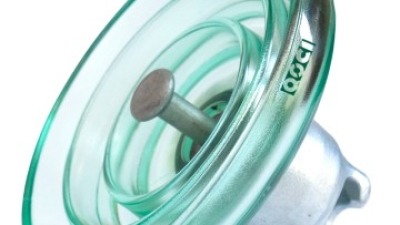
The U210B IEC Standard 210kN Suspension Glass Insulators represent a significant advancement in enhancing electrical safety and efficiency in power supply systems. These toughened glass insulators are designed to withstand high voltage applications, ensuring reliable performance in various environmental conditions. The 210kN rating indicates their robust capability to manage electrical loads, making them an ideal choice for utilities and industries aiming to improve their infrastructure resilience.
Among the standout products in this category is the QOCI Electric's U210B 210kN Toughened Suspension Glass Insulator, which combines durability with optimal performance. Its design allows for easy installation and exceptional resistance to electrical and mechanical stresses. Furthermore, the Ball & Socket Type Disc Suspension Glass Insulator is perfect for power transmission lines, providing enhanced stability and safety features that meet modern industry standards. These insulators not only contribute to the longevity of electrical systems but also minimize the risk of failures, protecting both infrastructure and personnel against potential hazards.
Overall, the introduction of the U210B Suspension Glass Insulators is a game-changer in the realm of electrical engineering. By utilizing high-quality materials and innovative design principles, these insulators provide an effective solution for AC and DC high voltage applications across various voltage levels—whether it’s 11kV or 33kV. Their implementation marks a proactive step towards a more efficient and secure power supply, benefitting both companies and consumers alike.
FAQS
: The main benefit is optimizing operations by uncovering inefficiencies and implementing targeted improvements through data-driven strategies.
Businesses can regularly monitor operational metrics and analyze performance trends to identify bottlenecks and areas needing attention.
IoT sensors collect real-time data on the condition of the isolators, allowing for predictive maintenance that minimizes downtime and extends equipment lifespan.
Predictive maintenance helps in identifying potential failures before they occur, thereby reducing unexpected downtimes and avoidable repair costs.
Staff training, complemented with data insights, enables team members to make informed decisions, leading to more effective operations and ongoing performance improvements.
The adoption of IoT-based smart sensors can lead to a 20% reduction in downtime due to improved real-time monitoring and predictive maintenance capabilities.
Smart sensors provide continuous monitoring of critical parameters, reducing risks of incidents such as tank overflow or contamination, thereby helping companies comply with safety regulations.
Smart sensors can monitor parameters such as pressure, temperature, and chemical composition.
Smart sensors significantly mitigate the risks of marine incidents related to tank overflow or contamination events.
By fostering a culture that values data-driven decisions, companies can maximize the efficiency of their CTV Chain Isolators and achieve superior operational outcomes.
Conclusion
In the fast-changing world of electrical engineering, improving how efficient CTV Chain Isolators are has become pretty essential. It’s all about boosting performance and cutting down costs, right? By using data-driven strategies and jumping into Industry 4.0 tech, companies can really see a big jump in isolator efficiency. Smart sensors are a game-changer — they let us keep an eye on CTV systems in real-time and give us useful info about how things are running. Plus, predictive maintenance analytics help us fix issues before they become big problems, which means less downtime and smoother operation overall.
Managing energy more effectively is also super important if we want to keep costs down, and sticking to industry standards and best practices helps us get the most out of these systems. At Jiangxi QOCI Electric Co. Ltd., we bring a ton of experience in making top-quality glass insulators, and our focus on R&D means we’re always pushing the envelope when it comes to improving CTV Chain Isolator efficiency. By adopting these new, innovative methods, we’re not just keeping up — we’re driving progress and giving our clients better, more reliable solutions.