In today’s world, where regulations keep getting tighter and tighter, cleanroom solutions really need to be reliable and efficient. One tech that’s been catching quite a bit of attention lately is the glass isolator. Industry reports are pointing out that the cleanroom tech market could hit around $4.8 billion by 2025 — that’s a pretty big deal, and it just shows how much companies are looking for better containment options.
Jiangxi QOCl Electric Co. LTD. has been leading the charge in this space since they started back in December 2002. They focus on making and researchingglass insulators, and with their solid tech and solid R&D in functional glass and circuit insulators, they’re really well-equipped to provide some of the coolest Glass Isolators out there. Honestly, if you’re thinking about improving your cleanroom’s performance and making sure you’re up to code, choosing Glass Isolators could be a game-changer for your operations.
Benefits of Glass Isolators in Cleanroom Environments
When you're working in a cleanroom, it's absolutely vital to keep contamination under tight control, mainly to make sure the products stay safe and up to standard. One of the coolest things about glass isolators is that they create a really effective sterile barrier, but still give you a clear view of what’s happening inside. Because the glass is transparent, operators can easily keep an eye on the process without breaking the controlled environment — which means things run smoother, and you can spot any issues right away.
Plus, glass isolators have some other great perks. They’re pretty resistant to chemicals, so cleaning them is a breeze. You can use strong disinfectants without worrying about damaging the surface, unlike some plastic options. This not only helps keep everything compliant with the strict rules but also means the isolator lasts longer, ultimately saving money in the long run. And let’s not forget the smooth surface of glass — it makes it harder for dirt and particles to stick around, which is super helpful especially when working in super-clean applications.
7 Compelling Reasons to Choose Glass Isolators for Your Cleanroom Solutions
| Reason | Benefit | Application |
| High Transparency | Allows monitoring of processes without disruption | Pharmaceuticals, Biotechnology |
| Robust Structure | Provides long-lasting durability and safety | Microelectronics, Aerospace |
| Ease of Cleaning | Facilitates effective sanitization procedures | Food Production, Medical Labs |
| Thermal Stability | Resistant to thermal shock and extreme conditions | Chemical Processing, Research Labs |
| Chemical Resistance | Protects against corrosive substances | Laboratory Environments, Cleanrooms |
| Versatile Design | Fits into various configurations and setups | Hospitals, Industrial Applications |
| Regulatory Compliance | Meets industry standards and health regulations | Biomedical Research, Cleanroom Facilities |
Enhanced Visibility for Monitoring Processes in Cleanrooms
In today’s cleanroom environments, keeping contamination under tight control is more important than ever. But let’s be honest — keeping an eye on everything can sometimes be tricky, especially because many setups require sealed-off spaces. That’s where glass isolators really come through. They let you see what's happening inside clearly, without sacrificing contamination control. Unlike those old-fashioned opaque barriers, glass isolators let operators watch processes in real time — no need to open anything up. This kind of visibility is a game-changer, because it helps the team spot potential problems early on, so they can handle issues before they get out of hand. It’s all about being proactive, right?
And beyond that, the clear design of glass isolators actually encourages more open communication among folks working in research or production. Everyone feels like they’re part of a team, able to share insights or observations without constantly breaking sterile conditions. Plus, they’re super helpful for training newbies, since they can see everything in action without interrupting the workflow. When you add in the ability to connect these with high-tech monitoring tools, it’s pretty clear that glass isolators are a must-have for boosting cleanroom performance while staying compliant with all those strict industry standards.
7 Compelling Reasons to Choose Glass Isolators for Your Cleanroom Solutions
This chart illustrates the enhanced visibility benefits of using glass isolators in cleanroom environments, highlighting various factors such as monitoring efficiency, contamination control, and user satisfaction.
Effective Containment for Critical Cleanroom Applications
When it comes to critical cleanroom setups, keeping everything completely contamination-free is a top priority. That’s where glass isolators have really taken center stage—they’re trusted for their ability to contain stuff effectively. I read somewhere, in a report by the International Society for Pharmaceutical Engineering, that almost 60% of contamination problems in cleanrooms happen because the barriers we use aren’t quite up to the task. Glass isolators act as a super solid physical shield, blocking airborne particles and microbes from sneaking into sensitive zones, which is especially important for things like sterile manufacturing or lab research.
And here’s the cool part—because the glass is see-through, you can watch everything happen inside without breaking the sterile environment. A study in the Journal of Cleanroom Technology even found that facilities using glass isolators saw about 40% fewer contamination issues compared to those using more traditional systems. That’s a pretty big deal because it means better product quality and it helps companies stick to strict regulations without too much hassle. As cleanroom tech gets more complicated, the flexibility and reliability of glass isolators really make them a must-have for keeping things running smoothly and safely.
Durability and Longevity of Glass Isolators Compared to Alternatives
When it comes to cleanroom environments, one thing’s for sure—having durable, long-lasting equipment is a total game changer. And honestly, glass isolators really shine here. 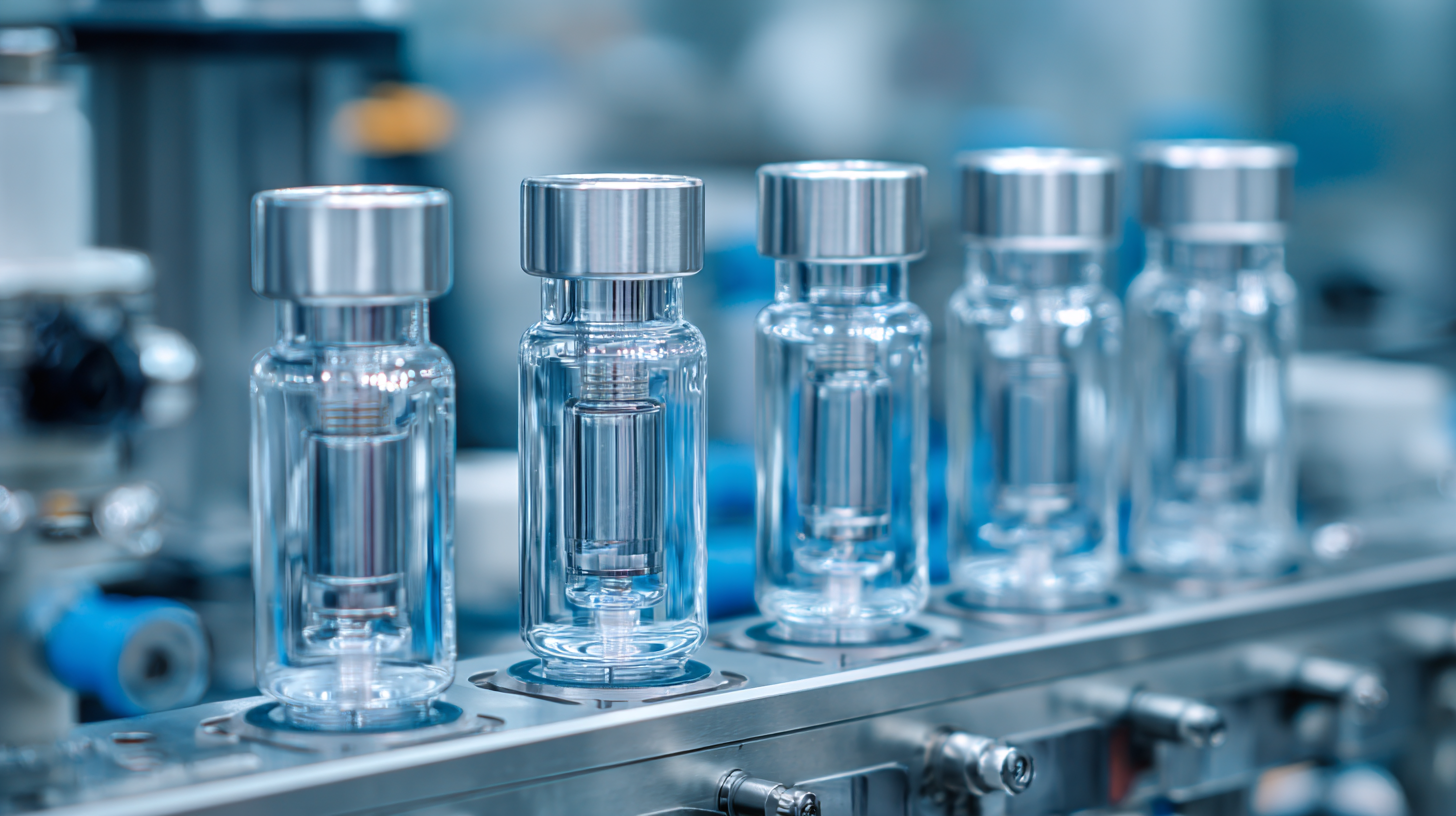 Unlike some materials that might start to wear down or stain after being exposed to harsh chemicals or constant sterilization, glass holds up really well. It keeps its clarity and strength, which means it can take a lot of cleaning without cracking or discoloring. In the long run, this makes glass isolators a pretty smart, cost-effective choice.
Plus, because they last longer, you don’t have to worry about replacing or repairing them as often. That’s a big deal when you’re running a cleanroom where uptime matters. Investing in glass isolators helps cut down on downtime and maintenance costs, all while keeping things super clean and compliant with strict standards. And let’s not forget—since their surfaces are non-porous, they don’t trap contamination, adding to their reliability in sensitive settings. All in all, with their durability and long service life, glass isolators really stand out as a top pick for any cleanroom setup.
Eco-Friendly Features of Glass Isolators for Sustainable Practices
Nowadays, sustainability is pretty much at the top of everyone's list, especially for industries trying to cut down their environmental impact. One cool and pretty trendy solution that’s catching on is using glass isolators in cleanrooms. These units are not just about being efficient — they’re also environmentally friendly, which makes them a smart pick for companies serious about going green.
Glass isolators are designed to keep hazardous materials contained while actually saving energy. Thanks to their awesome insulation, they don’t need to crank up the heating or cooling as much, which means you save on energy bills and help reduce your carbon footprint. Plus, they’re made with recyclable materials, so when they finally reach the end of their life, they can be reused instead of just ending up in a landfill.
And here’s the best part—these isolators give you a clear view of what’s happening inside, making monitoring a whole lot easier without messing with the cleanroom standards. This transparency helps catch issues early, which cuts down waste and keeps everything running smoothly. By bringing these advanced glass isolators into their operations, companies don’t just boost efficiency — they’re also doing their part for the planet. It’s about moving toward a future where manufacturing and research are more sustainable and responsible, one step at a time.
Simplified Maintenance and Cleaning of Glass Isolators in Industry
Using glass isolators in cleanroom setups really has some serious perks, especially when it comes to keeping things tidy and easy to maintain. They act as a seamless shield—protecting sensitive processes from contamination and making cleaning a whole lot simpler. Thanks to their smooth, transparent surfaces, these isolators don’t have those annoying nooks and crannies you'd find in traditional materials, so getting to every spot and giving everything a thorough clean is way easier. That’s a huge win, especially in industries where keeping everything sterile is a top priority—because it means less time and effort spent on cleaning, and more on actually doing the work.
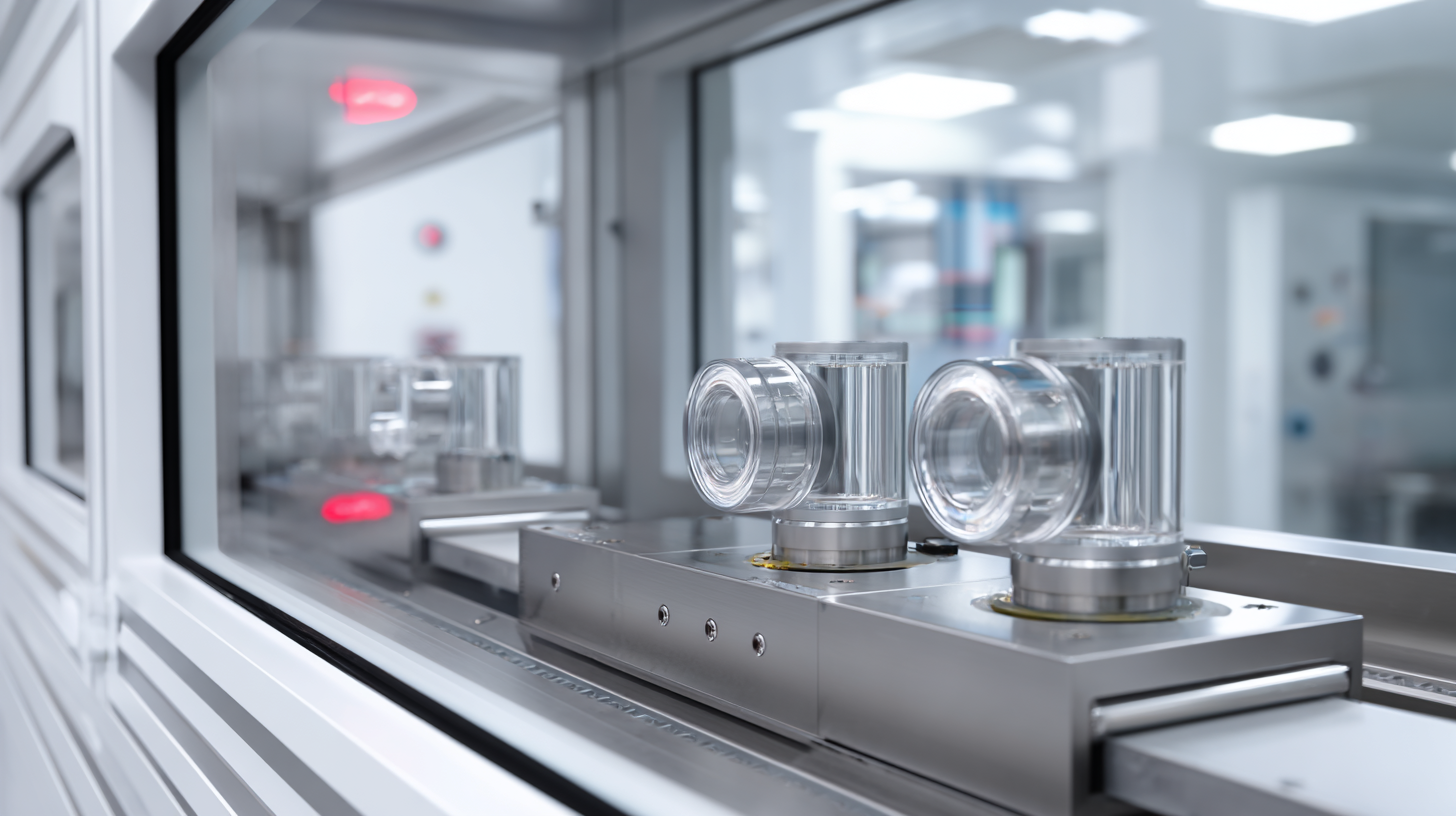
Plus, glass is surprisingly tough. It can handle harsh cleaning agents without breaking down, which means facilities can stick to strict hygiene standards without stressing over damaging their equipment. This durability gives operators peace of mind—they can focus on their tasks without worrying about the integrity of their environment. Honestly, the combo of being super easy to clean and naturally sterile makes glass isolators a pretty attractive choice for any industry that’s serious about maintaining top-notch cleanroom conditions.
FAQS
: Glass isolators are transparent barriers used in cleanrooms that allow operators to monitor processes without breaching sterile conditions, enhancing visibility and enabling real-time observation while maintaining contamination control.
They provide enhanced visibility, allowing teams to identify potential issues before they escalate, which promotes a proactive approach to cleanroom management.
Maintaining a contamination-free environment is essential as contamination can compromise product quality and violate regulatory standards, particularly in sensitive processes like sterile manufacturing and laboratory research.
A study published in the Journal of Cleanroom Technology reported that facilities using glass isolators experienced a 40% reduction in contamination incidents compared to traditional containment systems.
The transparency of glass isolators fosters openness, allowing team members to easily share insights and observations without having to open the system, enhancing communication and teamwork.
They facilitate training by enabling new personnel to observe processes in action without interrupting workflows, helping them understand operations in a cleanroom setting.
Glass isolators provide a superior physical barrier against airborne particles and microorganisms, addressing the inadequacies that traditional opaque barriers often exhibit.
Glass isolators help organizations comply with stringent regulatory standards by enhancing product quality and minimizing contamination risks.
Their transparency and effective containment capabilities make glass isolators versatile and essential for maintaining operational excellence in increasingly complex cleanroom settings.
The report highlighted that nearly 60% of cleanroom contamination issues arise from inadequate barrier systems, underscoring the importance of effective containment solutions like glass isolators.
Conclusion
You know, glass isolators are really becoming a big deal in cleanroom setups these days. There’s actually quite a few reasons why—they’re great for visibility, which means you can keep a close eye on processes without any hassle. That’s super important when you're trying to stick to strict cleanliness and safety standards. Plus, they do a fantastic job at containing sensitive materials, locking out any potential contaminants. And honestly, they tend to last longer and hold up better than many other options, making them a solid pick for industries that need something reliable and tough.
On top of that, glass isolators are kind of eco-friendly, which is a win considering how much everyone’s talking about sustainability these days. They’re also pretty easy to maintain and clean, so they save you some time and effort in the long run. Here at Jiangxi QOCl Electric Co. Ltd, we really pride ourselves on using our expertise in glass insulators to craft innovative, efficient solutions that fit perfectly in cleanroom environments. All in all, glass isolators are really becoming a core part of what makes modern cleanroom design work so well.