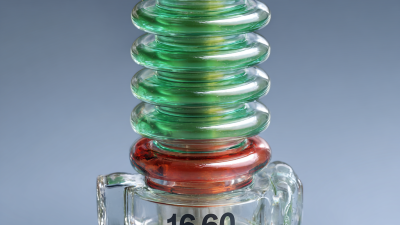
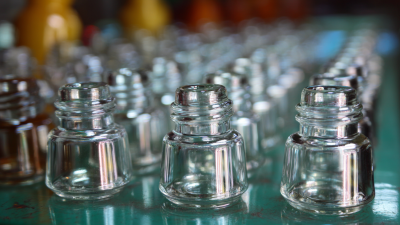
As industries keep evolving, it’s clear that innovative high voltage Insulator Design is more important than ever—especially with the upcoming 2025 China Import and Export Fair coming up. I recently came across some market analysis pointing out that the global insulator market could hit around $15 billion by 2025. This growth is mainly driven by the surge in demand for better power transmission infrastructure and all the new tech advancements happening right now.
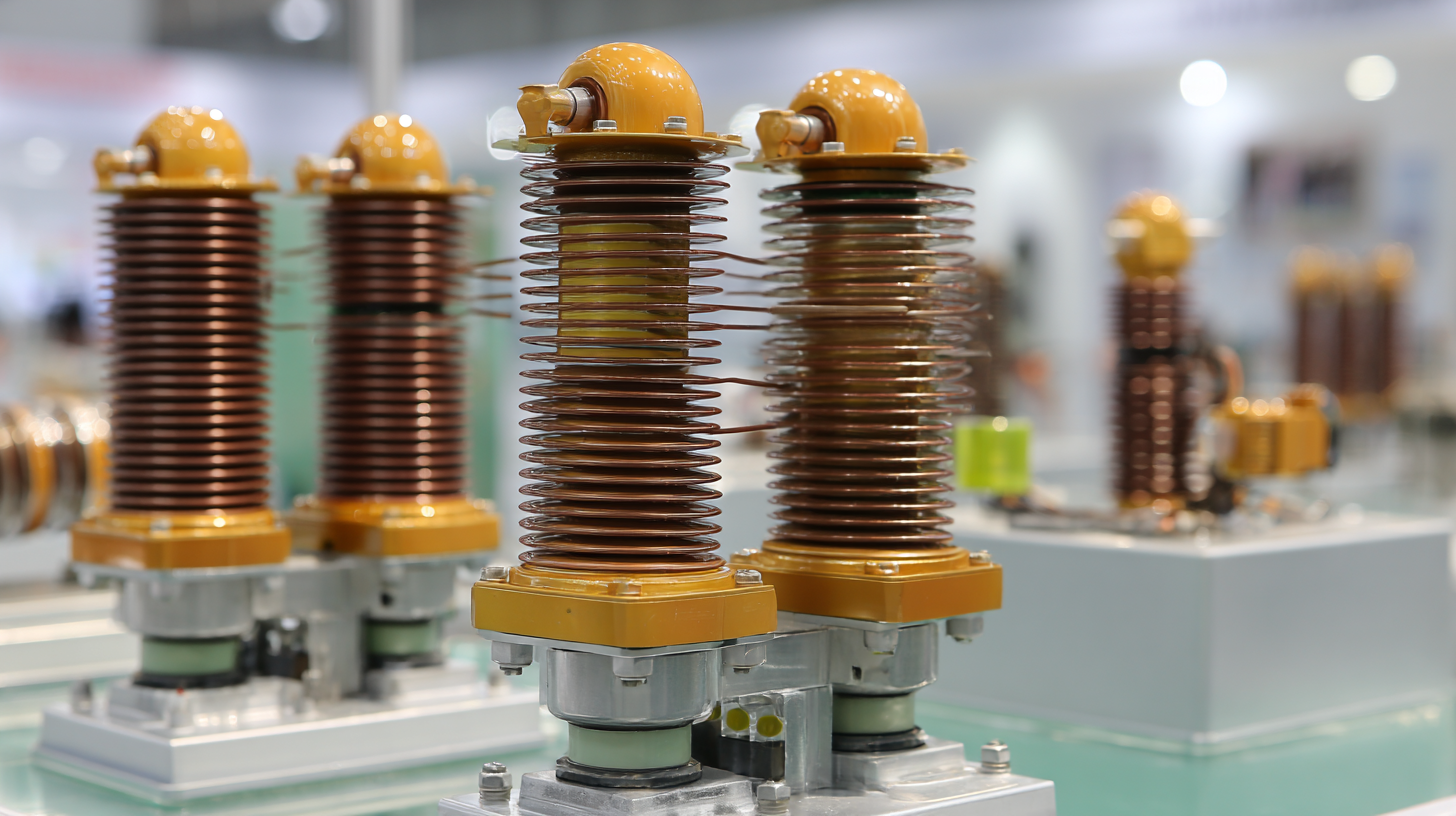
Jiangxi QOCI Electric Co. LTD., which was founded back inDecember 2002, has really been leading the charge in this space. They’ve built a solid reputation by perfecting their glass insulator manufacturing and investing a lot in R&D for advanced glass and circuit insulators. When they join the fair, their goal is to showcase all their latest innovations and connect with other industry players. It’s really about sparking new ideas and pushing forward in high voltage tech, both for China and the global market. Overall, they’re aiming to set new benchmarks for safety, efficiency, and sustainability in the high voltage insulator world—something that benefits everyone involved.
Revolutionizing High Voltage Insulator Design: Key Trends and Innovations
You know, the design of high voltage insulators is going through some pretty exciting changes right now. Trends and new innovations are really reshaping the whole industry. As the need for reliable and efficient electrical systems keeps growing, manufacturers are getting creative—using new materials and tech to make insulators perform even better. Things like advanced glass and circuit insulators are especially buzzy right now since they offer better durability, stronger insulation, and can handle environmental challenges more effectively. This shift is super important, especially with the upcoming 2025 China Import and Export Fair, where standards are getting tougher than ever.
Here at Jiangxi QOCl Electric Co. Ltd., we’re all in on pushing these trends forward. We've been around since December 2002 and have built a solid reputation for producing high-quality glass insulators, thanks to our成熟的生产技术 (mature production technology). Our R&D team is always on the lookout for new ways to improve, so our products keep up with the changing needs of the electrical world. We’re pretty excited to show off our latest innovations at the upcoming fair and to be part of shaping the future of high voltage insulators. Plus, we’re really looking forward to connecting with partners from all over the world and sharing ideas during this transformative period.
Environmental Considerations in High Voltage Insulator Manufacturing
You know, when it comes to making high-voltage insulators these days, the industry’s really starting to pay more attention to the environmental impact. One big trend I’ve been noticing is the shift towards using alternative materials—stuff like polyolefin-based insulation. Honestly, these materials are pretty impressive because they perform way better in high-voltage direct current settings. Recent reviews have shown that they beat out the traditional options when it comes to efficiency and sustainability, which is a pretty big deal. It’s like the industry is finally moving toward greener, more responsible manufacturing methods for insulators.
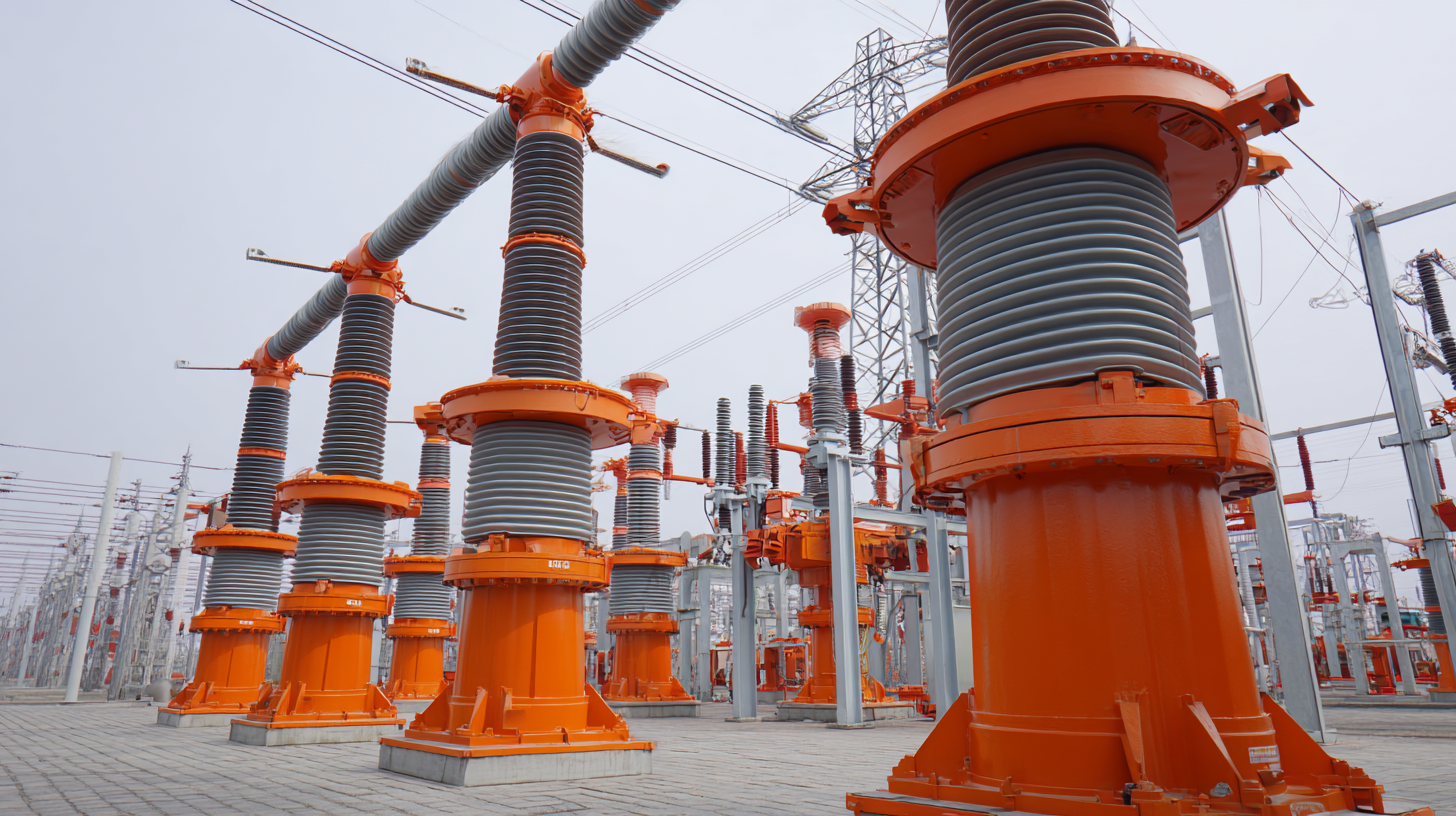
On another note, the Asia Pacific market for electric insulators is expected to grow quite a bit. There’s definitely a focus on embracing eco-friendly materials and processes, which is really encouraging. The demand for ceramic, glass, and composite insulators is going up, mainly because they’re more reliable and perform better overall. Experts are saying that new design ideas and using innovative materials are going to shake things up quite a bit, especially as countries start putting more emphasis on sustainability in their power infrastructure projects.
Another thing worth mentioning is that using life cycle assessments to evaluate how these insulators are made has become pretty standard. It helps make sure environmental concerns are front and center during production—pretty essential, if you ask me.
Technological Advancements Shaping the Future of Insulator Materials
You know, tech advancement really plays a huge role when it comes to the evolution of high voltage insulators—especially with the 2025 China Import and Export Fair coming up. These days, we're seeing some pretty cool innovations like top-notch ceramics, polymer composites, and even nanotech-based coatings. They’re not just making insulators perform better but also more durable. Plus, they're lighter and can cut down on maintenance costs compared to the old-school options.
And here’s the exciting part: smart tech is about to totally shake things up. Manufacturers are starting to embed sensors right into the insulators, so they can give real-time updates on things like stress levels, environmental conditions, or if something’s about to fail. It’s all about being proactive—fix stuff before it breaks—and this kind of data-driven approach is really boosting the reliability of power networks. Plus, as everyone’s pushed toward sustainability, developing eco-friendly materials for insulators is becoming a big deal. The goal is to keep things efficient, but also cut down on environmental impact—that’s a win-win in my book.
Challenges and Solutions in High Voltage Insulator Production
Making high-voltage insulators isn’t exactly a walk in the park. There are quite a few hurdles that can mess with how long they last and how well they work. One of the biggest sticking points? Choosing the right materials. Manufacturers often find themselves in a tough spot trying to balance cost versus performance—what’s affordable, but still reliable? Then there’s the weather and environment to think about. Things like humidity, pollution, and other environmental stuff can really take a toll, sometimes causing insulators to fail and putting the entire electrical grid at risk.
To get past these issues, companies really need to put more into R&D. Using newer, smarter materials—like polymer composites—can make these insulators tougher and cut down on the amount of upkeep they need. On top of that, switching to automated production methods can help ensure each piece is made precisely, reducing mistakes and defects across the board.
**Tip:** It’s a good idea to team up with research groups or universities—they’re always on the cutting edge of new tech. And don’t forget, regular training for staff on the latest manufacturing techniques can really boost both the quality and performance of the final product.
Strategies for International Collaboration in Insulator Design and Trade
You know, as the world needs more advanced high-voltage insulators, collaboration across countries is becoming more and more important. Basically, working together helps improve designs and trade practices. I recently read that the International Electrotechnical Commission predicts the global insulator market could hit around 40 billion dollars by 2025 — pretty insane, right? Most of that growth is driven by infrastructure projects in emerging markets like China. And hey, the upcoming 2025 China Import and Export Fair is a great chance for manufacturers and designers worldwide to share ideas, tech, and new innovations. All this will hopefully lead to better product performance and safer standards.
Plus, working in partnership across borders can really push things forward, especially when it comes to new materials. For instance, combining composites could give us insulators that are tougher and last longer. There’s even a study from Research and Markets suggesting that using polymeric insulators could cut maintenance costs by up to 30%. That’s pretty attractive to power companies looking to be more efficient without sacrificing quality. Events like the Import and Export Fair aren’t just about showcasing products — they’re about exchanging knowledge, sharing best practices, and making sure the next-gen high voltage insulators are safe, reliable, and up to date for our fast-changing energy world.
Market Opportunities for High Voltage Insulators in the Global Arena
The market for high voltage insulators is really set to grow a lot in the coming years, mainly because more and more people around the world need electricity, and technology keeps getting better. By 2032, we’re expecting the market for composite insulators to expand quite a bit, with different types like PIN insulators, suspension insulators, and others becoming more popular. Plus, when you look at different voltage levels—low, medium, and high voltage—there are loads of opportunities for companies and suppliers to jump in and make their mark.
As the global energy scene keeps evolving, there's also a big chance in gas-insulated substations and high voltage gas-insulated switchgear (GIS). For example, the market for gas-insulated substations alone is projected to hit over $29.84 billion by 2025, and the growth rate is pretty impressive—over 8.2% annually through 2035. This surge is mainly because there's a real need for reliable power delivery and a move towards more compact, efficient systems.
**A quick tip**: if you're thinking about breaking into the high voltage insulator market, focus a lot on R&D—coming up with new designs and making products more efficient is key. And **another tip**: staying connected with suppliers and other stakeholders across the power industry really helps. They can give you a heads-up on regulatory changes and what customers are really looking for, so you can keep ahead of the game.
Revolutionizing High Voltage Insulator Design: Insights for the 2025 China Import and Export Fair - Market Opportunities for High Voltage Insulators in the Global Arena
| Region | Market Size (Billion USD) | Growth Rate (%) | Key Applications | Material Type |
| Asia-Pacific | 5.2 | 7.5 | Power Transmission, Renewable Energy | Porcelain, Composite |
| North America | 4.1 | 6.0 | Industrial, Urban Infrastructure | Glass, Composite |
| Europe | 3.8 | 5.5 | Smart Grids, Wind Energy | Porcelain, Polymer |
| Latin America | 1.2 | 4.0 | Electric Utilities, Infrastructure | Polymer, Composite |
| Middle East & Africa | 0.9 | 3.5 | Energy Sector, Civil Engineering | Porcelain, Glass |
FAQS
: Key trends include the integration of advanced materials and technologies that enhance performance, such as functional glass and circuit insulators, as well as a focus on environmental considerations and sustainability.
Jiangxi QOCl Electric Co. Ltd. is a leader in the production of glass insulators, committed to advancing trends in insulator design through strong research and development capabilities.
Manufacturers are increasingly utilizing alternative materials like polyolefin-based insulation, focusing on efficiency and sustainability to meet growing environmental standards.
The market is growing due to increased demand for ceramic, glass, and composite insulators, which are favored for their enhanced reliability and performance, as well as a focus on eco-friendly materials and processes.
International collaboration fosters knowledge exchange and innovation, leading to advancements in material science, improved product performance, and safety standards across borders.
The fair provides an opportunity to share insights, technology, and innovation in insulator design, contributing to improved product performance and addressing global demand for advanced insulator solutions.
The global insulator market is projected to reach $40 billion by 2025, driven by advancements in infrastructure, particularly in emerging markets like China.
The use of polymeric insulators can reduce maintenance costs by up to 30%, offering a cost-effective option without compromising on quality and efficiency.
Life cycle assessment is becoming a vital practice to evaluate the environmental impact of insulator manufacturing processes, ensuring sustainability is prioritized.
There is a significant shift towards using materials with improved durability and performance, including the adoption of eco-friendly options that meet modern efficiency standards.
Conclusion
So, there's this article titled "Revolutionizing High Voltage Insulator Design: Insights for the 2025 China Import and Export Fair" – it really dives into the latest trends and innovations shaping how high voltage insulators are designed these days. It talks a lot about environmental issues in how they’re made, which is a big deal these days, and also highlights some pretty exciting tech advances that are making the materials better too. The article doesn’t shy away from the challenges in producing these insulators, either, and suggests some clever solutions to make everything more efficient and reliable.
Plus, it stresses how important international teamwork is when it comes to designing and trading these insulators. They suggest different ways to build partnerships across countries, which honestly sounds like a smart move given how globalized everything is now. The piece also points out some pretty promising market opportunities worldwide – the demand for trustworthy, eco-friendly electrical infrastructure is definitely on the rise. And with Jiangxi QOCI Electric Co. Ltd. doing great work with glass insulators and always pushing R&D, they seem really well placed to jump on these upcoming trends and insights to stay ahead of the game.