Leave Your Message
You know, the way modern buildings look and feel has really been shaped by advances in materials—especially Toughened Glass. This stuff is pretty amazing because it’s super strong and resistant to impacts, which is why architects and designers love it for their projects. If you look at the latest industry reports, like from the Glass Association, they’re saying the market for toughened glass is expected to grow at about 6.5% annually all the way through 2025. That just shows how important this material has become in modern architecture.
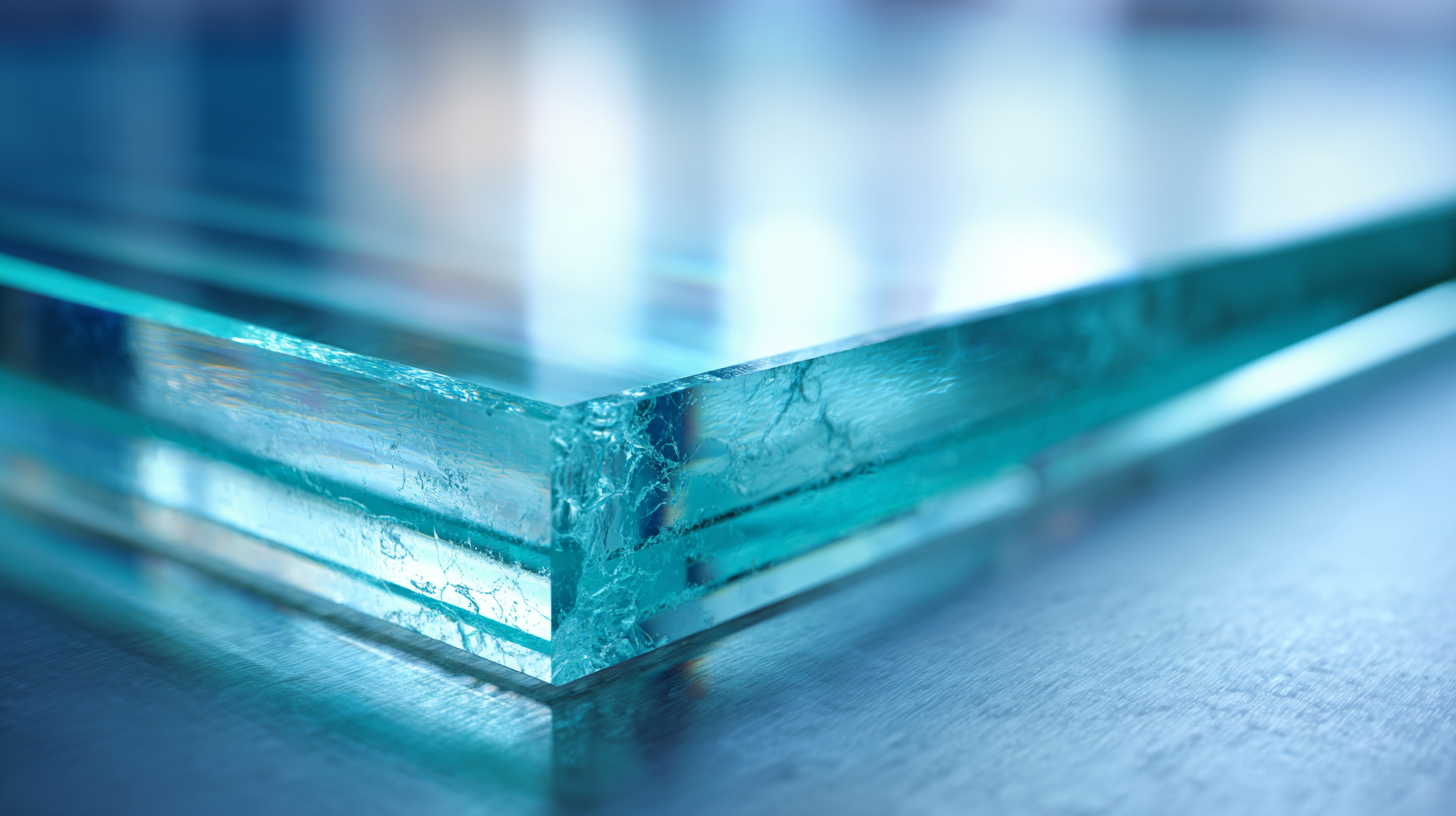
Then there’s Jiangxi QOCI Electric Co. Ltd.—they’ve been around since 2002, and they’re a big deal when it comes to making glass insulators and functional glass. With all the R&D they do, they’re really well placed to keep up with what the new wave of architecture demands—top-quality, toughened glass that looks great and performs even better. As designs become more daring, the need for materials that are not just pretty but also safe and durable has never been more crucial. Plus, toughened glass helps with energy efficiency too, making it a win for sustainable building practices.
Bottom line? If you’re involved in designing or building, understanding the ins and outs of toughened glass is pretty important—it's crucial for making structures that are safe, sturdy, and good-looking. And with industry growth showing no signs of slowing down, companies like Jiangxi QOCI are really leading the charge in supplying the materials that will shape the future of how we build.
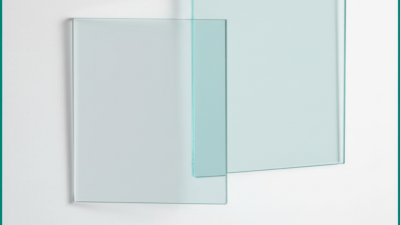
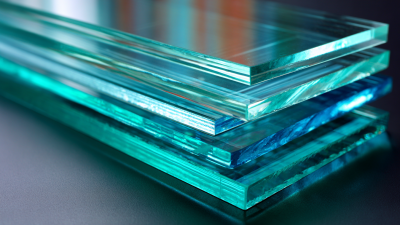
Toughened glass, or as folks often call it, tempered glass, is a pretty essential material these days in modern building designs. You know, it’s all about that extra strength and safety. Basically, it’s made by heating regular glass to over 600°C and then cooling it down super quickly. That rapid cooling — or quenching — creates this cool internal tension: the surface ends up under compression while the inside stays under tension. The result? The glass becomes about five or six times stronger than your average piece. The Glass Association even says we’ve seen a jump of over 30% in using toughened glass in buildings over the past decade. Why? Well, it can handle extreme weather and impacts like a champ, which makes it super attractive for architects and builders alike.
And it’s not just about strength. Toughened glass also does a pretty great job dealing with temperature swings—think of those scorching hot days or cold snaps. Some reports have shown it can handle temperature shifts up to 200°C without shattering. That’s why you'll see it everywhere—on building facades, skylights, even in shower doors. Plus, safety’s a big reason why people love it. If it ever does break, it shatters into tiny, dull pieces instead of dangerous shards, making it much safer for everyone involved. All these perks—strength, heat resistance, and safety—make toughened glass pretty much a must-have in modern architecture, especially when the goal is to look good but also stay practical and safe.
| Characteristic | Description | Manufacturing Process |
|---|---|---|
| Strength | Toughened glass is up to five times stronger than standard glass, allowing for greater structural integrity. | Achieved through a heating and rapid cooling process known as tempering. |
| Safety | When shattered, toughened glass breaks into small, blunt pieces, minimizing injury risk. | The tempering process alters the internal structure of the glass to enhance safety features. |
| Thermal Resistance | Can withstand thermal stress better than regular glass, ideal for use in varying temperature environments. | The heating and cooling cycle establishes a balance in thermal expansion and resistance. |
| Aesthetic Flexibility | Available in various finishes (clear, tinted, frosted) allowing for diverse architectural designs. | Manufacturing can include different coloration and surface treatments during the tempering process. |
| Environmental Resistance | Highly resistant to weather conditions, making it suitable for external applications. | The glass is treated to resist corrosion and degradation from environmental factors. |
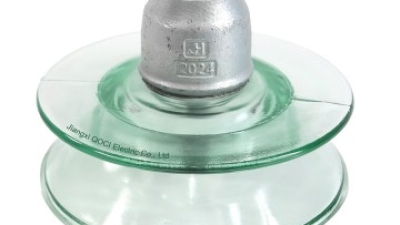
The performance of high voltage lines is crucial for reliable power transmission, and the choice of insulators plays a significant role in ensuring this efficiency. The 120kN U120BD double-shed glass insulators stand out for their robust design and compliance with IEC standards, making them an excellent choice for modern electrical infrastructure. These insulators have been specifically engineered to withstand harsh weather conditions while providing outstanding electrical performance, thereby enhancing the overall reliability of high voltage lines.
Among the recommended products, the U120BLD double-shed type insulator offers excellent dielectric strength and mechanical stability, making it suitable for various high voltage applications. Additionally, the U120 high voltage cap and pin type anti-fog glass insulator is particularly advantageous in areas with frequent fog and moisture, as it minimizes the risk of electrical discharge. Complementing these, the two-winged glass suspension insulators PSD-120 B type provide exceptional support for overhead lines, ensuring optimal load distribution and minimal sagging. Together, these insulators showcase a comprehensive solution for enhancing high voltage line performance while adhering to rigorous industry standards.
: Toughened glass, also known as tempered glass, is a type of glass that has been heat-treated to increase its strength and safety features. It is important in modern architecture because it is five to six times stronger than standard glass, making it ideal for high-rise buildings and structures where impact resistance is critical.
Toughened glass enhances building design through its aesthetic appeal and functional benefits, such as improving ventilation and reducing thermal load. For example, ventilated glass rainscreens in parking structures utilize toughened glass to blend form and function effectively.
When toughened glass breaks, it shatters into small, blunt pieces, significantly reducing the risk of injury, which makes it a preferred choice for public buildings and spaces.
The market for toughened glass is projected to reach USD 70 billion by 2027, driven by its applications in various sectors, including construction, solar panels, and automotive, indicating a shift towards more resilient materials and higher safety standards in architecture.
Toughened glass is superior to traditional glass in terms of strength, thermal resistance, and durability. It can withstand higher impacts and temperature fluctuations, making it essential for high-stress architectural applications.
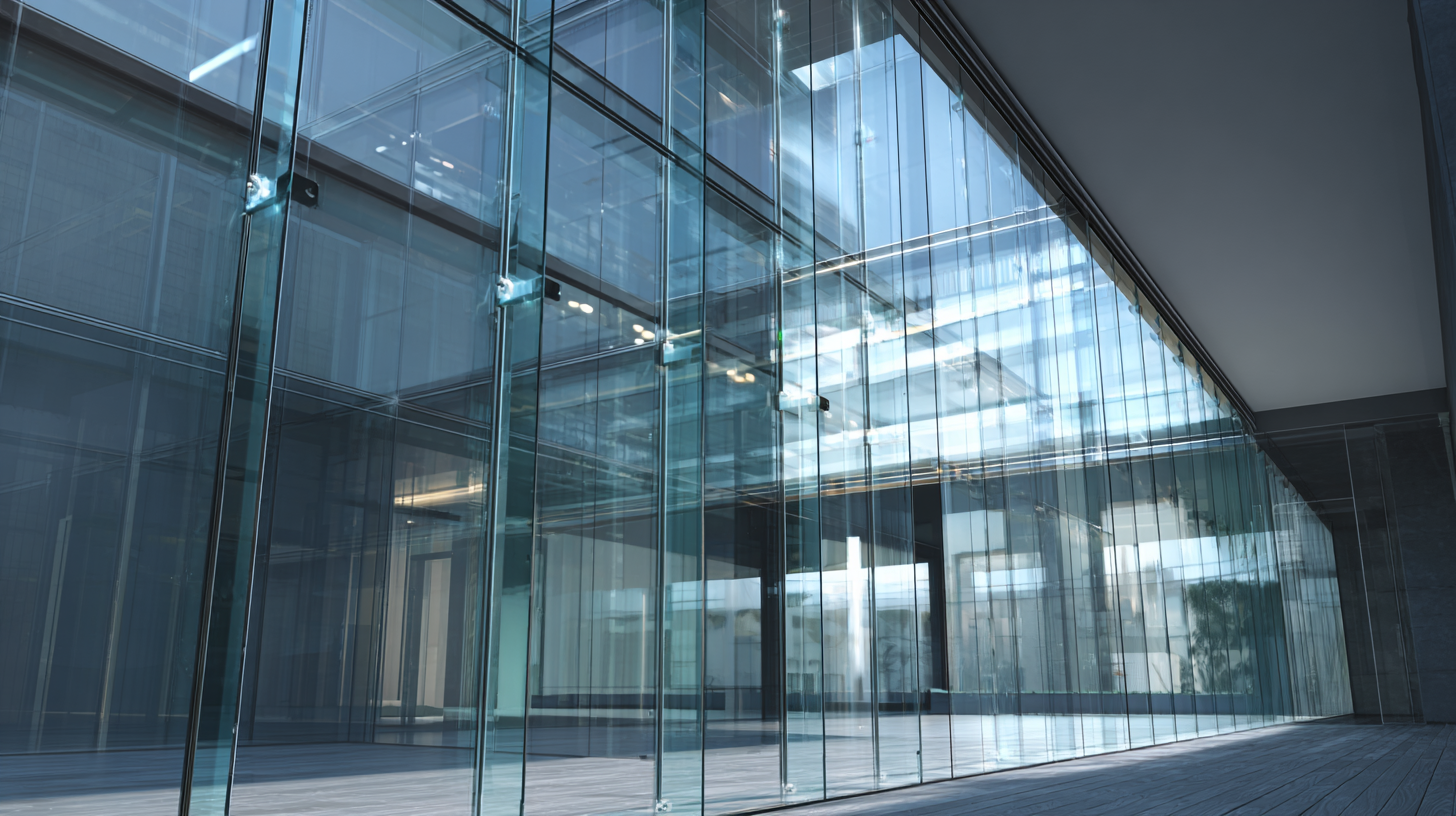
Innovative uses of toughened glass in construction include the creation of all-glass façades in skyscrapers, such as "The Henderson" in Hong Kong, which provide panoramic views while maintaining structural integrity.
The demand for toughened glass is increasing in urban environments due to the rise of skyscrapers and the need for materials that ensure safety, durability, and aesthetic appeal, especially in densely populated areas.
Jiangxi QOCl Electric Co. Ltd. contributes to the toughened glass market through innovation and ongoing research and development of functional glass, aligning with the growing demand for advanced materials in architectural design.
Toughened glass plays a critical role in enhancing safety standards in architectural designs due to its strength and the way it mitigates injury risks upon breakage, making it a key material in both public and private buildings.
Broader trends in the use of glass materials in construction include a shift towards advanced materials, such as optical sapphire components and polycarbonate thermal insulation, which complement the versatility and mechanical properties of toughened glass in modern architectural applications.
You know, toughened glass has really become a must-have in modern architecture these days. It’s not just about looks—this kind of glass is tough, safe, and built to last. Whether it's for a sleek building facade or an internal feature, its durability and safety features make it a smart choice. One of the coolest things about toughened glass is how well it handles heat stress and impacts—so it doesn’t crack easily, which keeps buildings looking great and standing strong over time.
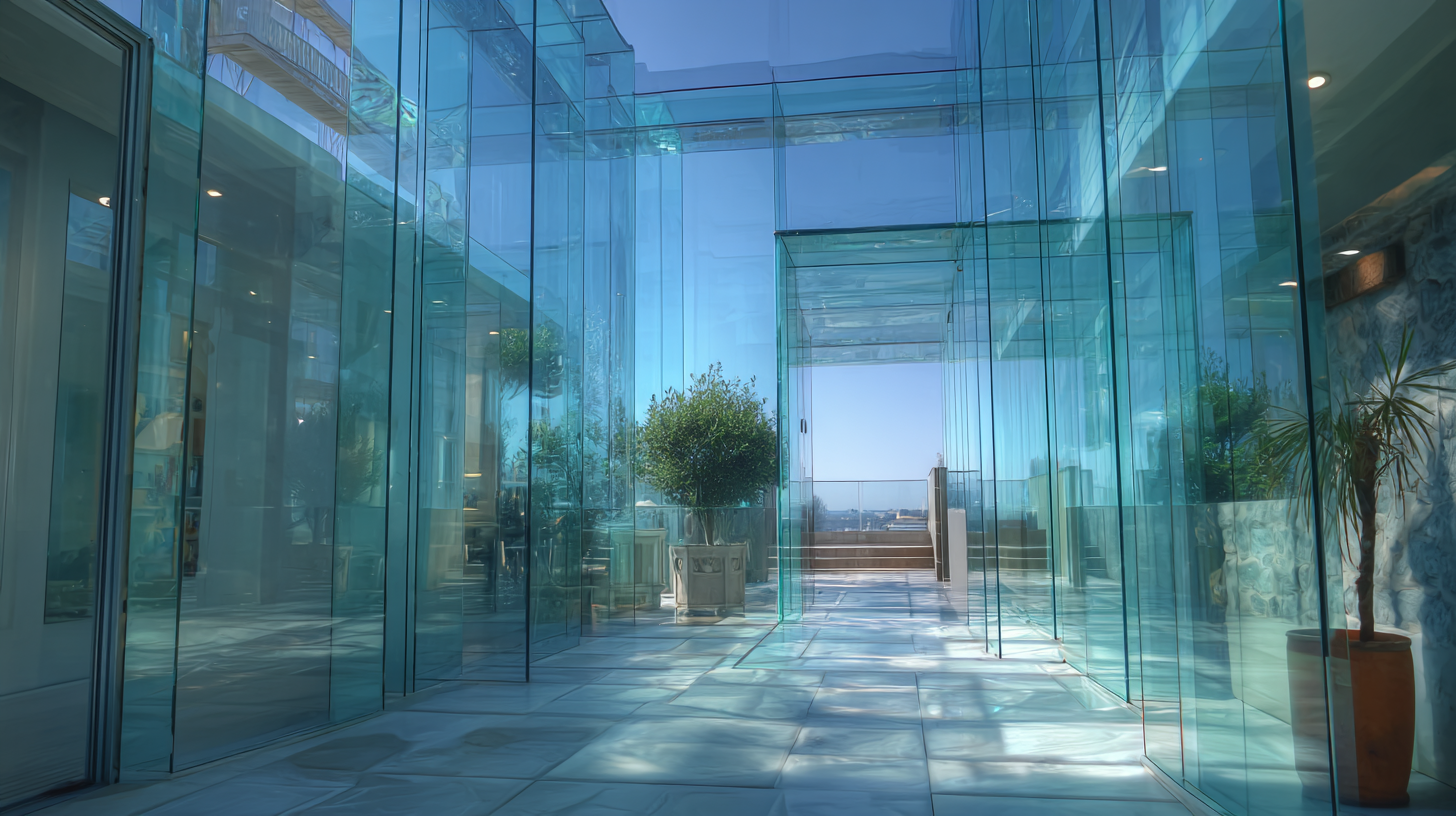
Lately, I’ve noticed more and more architects and designers are finding all sorts of creative ways to use it—think large, open glass walls or eco-friendly building projects. Honestly, it pretty much beats the traditional glass hands down, which is why it’s become the go-to option in the industry. Companies like Jiangxi QOCl Electric Co. Ltd. get this, too—they’re harnessing advanced manufacturing tech to develop all kinds of modern glass products, including insulators, helping meet today’s architectural needs better than ever before.