When you're looking to source top-notch glass Insulator 100b, having some know-how really matters. I mean, Paul Anderson, who’s pretty much an industry expert in electrical parts, once said, 'The right insulator can make all the difference.' That pretty much hits the nail on the head, right? It just goes to show how crucial it is to pick wisely in this field.
The Glass Insulator 100b is a pretty key player in a bunch of different applications. Getting your head around its specs and what’s out there on the market is a must. But, let’s be real — a lot of folks kind of overlook the nitty-gritty details. Some are so caught up in just hunting for the lowest price that they forget to think about quality or how well it actually performs.
Finding trustworthy suppliers can be a bit of a pain, but it’s super important. Tons of companies say they’re the best, but not all actually keep their quality in check. Do a little digging — look for trust marks, check out industry reviews, and see what experts are recommending. Cutting corners on quality just to save a few bucks? Definitely not worth it in the long run, trust me.

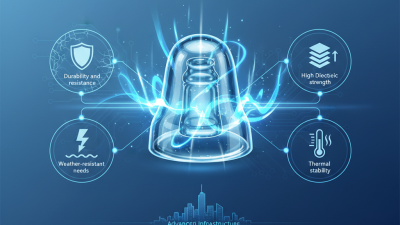
Glass insulators serve crucial roles in electrical and communication systems. Their transparent structure allows for both functionality and aesthetics. These insulators effectively resist moisture and dust, ensuring reliable performance. With a range of designs available, selecting the right insulator can enhance system efficiency.
A quality glass insulator features durability and resistance to environmental factors. These insulators can withstand high voltage and variable weather conditions. They are not only strong but also lightweight. However, sourcing high-quality options may require careful research. It’s essential to evaluate the manufacturing process and material quality to ensure long-lasting use.
Choosing glass insulators also involves understanding specific needs. For instance, think about load capacities and installation requirements. Some insulators may suit high-stress applications better than others. Matching an insulator's specs to your project can prevent future issues. It is worth noting that not every supplier guarantees the same level of quality. Keep this in mind when making your selection.
When sourcing quality glass insulators, understanding the indicators of quality is crucial. The clarity of glass is the first sign. High-quality insulators should be free from bubbles and imperfections. Inspect for consistent thickness throughout the insulator. Uneven edges may signal subpar materials or production processes.
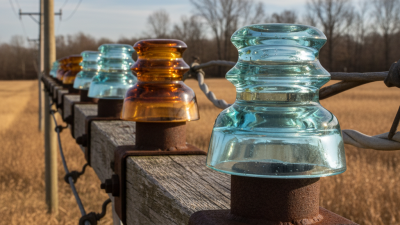
Another vital aspect is the color. Quality insulators often have a consistent hue. Look for deep, rich colors that do not appear faded or washed out. The base also reveals much about durability. An insulator with a well-formed base provides sturdiness and stability. Flaws in this area may lead to future complications.
Additionally, consider the insulator's weight. Heavier insulators tend to use denser glass, enhancing durability. While visual indicators are essential, don't forget to assess craftsmanship. Skillful production methods lead to quality outputs. However, even experienced manufacturers may occasionally produce imperfect items. A careful evaluation ensures you make informed decisions for your specific needs.
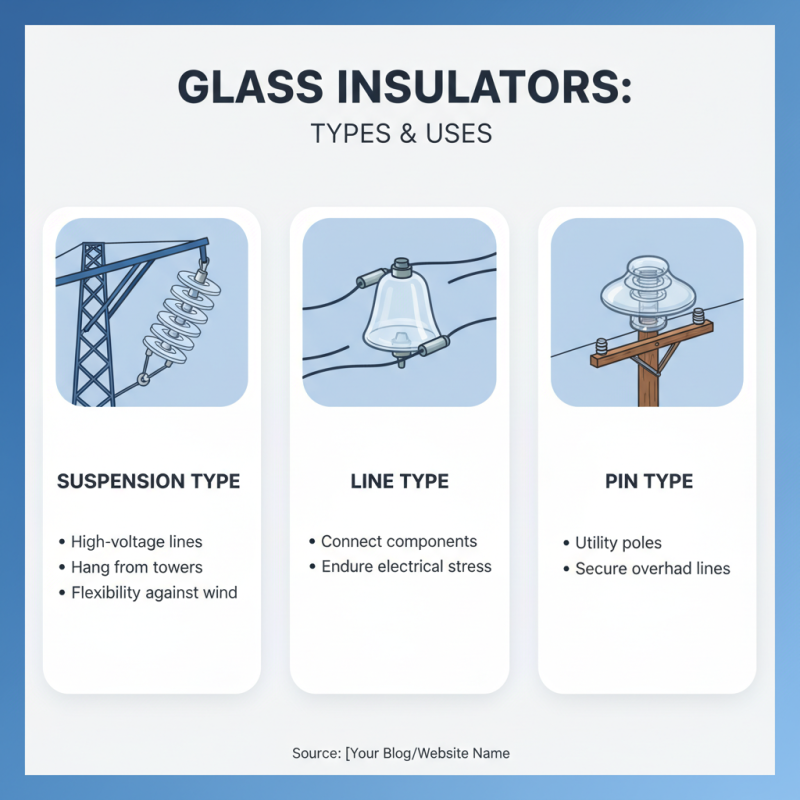
When choosing glass insulators, understanding the variety is crucial. Glass insulators come in multiple forms: suspension, line, and pin types. Suspension insulators are often used for high-voltage lines. They are designed to hang from towers, allowing for flexibility against wind loads. Line insulators connect various components and must endure significant electrical stress. PIN INSULATORs, primarily used in utility poles, secure overhead lines efficiently.
Data from industry reports indicates that the global glass insulator market is projected to grow by over 4% annually. This growth is driven by rising electricity demands and infrastructure upgrades. However, not all insulators are created equal. For instance, the quality of the glass and the manufacturing process significantly influence their longevity and performance. It’s vital to evaluate suppliers based on their production methods and material standards.
Consider environmental factors as well. Insulators must resist various weather conditions. For example, insulators in coastal regions may face corrosion. This necessitates selecting insulators made from durable glass. Engineers often face challenges with insulator selection. Balancing cost and quality can be difficult. It's essential to source insulators that not only meet technical specifications but also align with long-term reliability needs.
When sourcing Glass Insulator 100b, knowing key suppliers and markets is crucial. The global market for glass insulators has seen steady growth. According to a recent industry report by Market Research Future, the market is projected to reach USD 2.4 billion by 2027. This forecast highlights the increasing demand for insulators in energy transmission and distribution.
Key suppliers can be found in regions with strong manufacturing capabilities. Countries like China, Japan, and Germany are known for their high-quality production. These suppliers often adhere to strict international standards. In a survey conducted by Global Industry Analysts, 78% of industry professionals emphasized the importance of quality assurance. Suppliers offering certifications improve reliability in sourcing processes.
However, challenges exist when sourcing efficiently. Inconsistent quality remains a potential issue. Some suppliers might prioritize cost over quality. This can lead to failures in electrical applications. Investing time in researching suppliers is essential. Attend trade fairs or industry expos to establish direct contacts. Utilize online platforms that provide supplier reviews for better evaluations. Being vigilant during sourcing can mitigate risks and enhance outcomes.
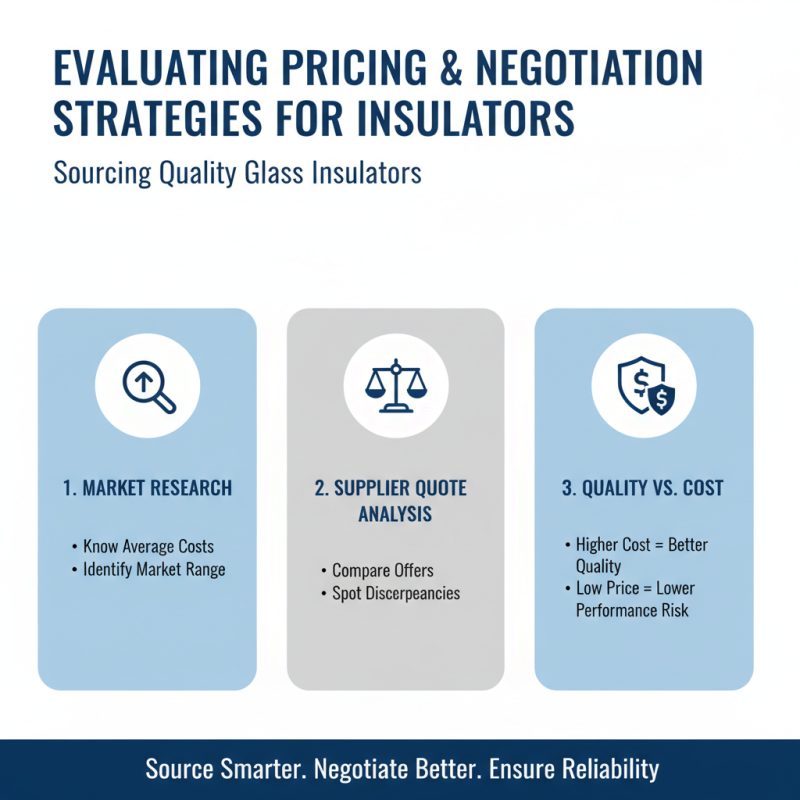
When sourcing quality glass insulators, understanding pricing is crucial. Research the market to know average costs. Analyze supplier quotes for potential discrepancies. Quality often correlates with cost, but low prices can indicate lower performance.
Negotiation plays a key role in securing a good deal. Opening up dialogue with suppliers can reveal their flexibility. Don't hesitate to ask about bulk discounts. Sometimes, sellers offer better pricing if you show commitment. Building rapport can be as valuable as negotiating terms.
Reflect on your priorities during the negotiation. Are you focused on price, quality, or delivery times? Each factor influences your final choice. Stay prepared for counteroffers and adjust your strategy accordingly. Consider the long-term implications of your agreement. A small compromise today might lead to significant savings tomorrow.
When sourcing glass insulators, inspecting and testing are critical steps. Quality assurance begins with a visual inspection. Look for cracks, chips, or discoloration. These imperfections can compromise insulation strength. The American National Standards Institute (ANSI) suggests that any visible defect may reduce the insulator’s performance by up to 20%. This emphasizes the importance of careful examination.
Testing is equally essential. Conducting dielectric strength tests can determine the insulator's capability under electrical stress. Recent industry studies indicate that glass insulators typically withstand voltage surges over 100 kV. However, untested or poorly inspected units can lead to failures. Additionally, maintaining proper environmental conditions during storage is vital. Moisture can lead to internal degradation, impacting the insulator's overall efficacy.
Documentation plays a crucial role in quality sourcing. Always request test reports from manufacturers. This ensures transparency and builds trust. The Electrical Insulation Research Center has noted that insulators lacking proper certification have a higher failure rate. Investing time and resources in inspection and testing can ultimately save significant costs and enhance safety in electrical installations.
Glass insulators serve as essential components in electrical applications. Proper care enhances their durability and functionality. One key aspect is cleaning. Dust and grime can accumulate, affecting performance. Use a soft cloth and a mild detergent for gentle cleaning. Avoid abrasive materials that may scratch the surface.
Temperature fluctuations impact glass insulators significantly. Extreme heat or cold can lead to cracking. Maintaining a stable environment is crucial. As noted in industry studies, insulators exposed to severe weather deteriorate faster than those in sheltered conditions. Regular inspections can help identify potential issues early.
Here are some tips for care:
Expert reports indicate that insulator life can extend significantly with proper maintenance. Investing time in care often pays off. Reflecting on practices may uncover areas for improvement, making routines more efficient.
: Glass insulators have durability, resistance to moisture and dust, and a transparent structure for aesthetics.
Consider load capacities and installation requirements to match an insulator’s specifications with your project.
Visual inspections can reveal defects that may reduce insulation strength significantly, affecting performance.
Check for cracks, chips, or discoloration. These issues can negatively impact the insulator’s effectiveness.
It determines how well an insulator can handle electrical stress, crucial for preventing failures in applications.
Inconsistent quality from suppliers can lead to issues; some may prioritize cost over quality.
Research suppliers thoroughly and request certifications to ensure quality assurance in your choices.
Test reports and certifications build trust and transparency, helping you avoid units with higher failure rates.
Yes, improper storage and moisture exposure may lead to internal degradation and reduced efficacy.
Establishing direct contacts at expos can enhance connections and improve supplier evaluations.
The article "How to Source Quality Glass Insulator 100b for Your Needs?" provides a comprehensive guide to understanding and sourcing glass insulators, specifically focusing on the Glass Insulator 100b model. It begins by outlining the features and benefits of glass insulators, emphasizing their durability and effectiveness in electrical insulations. The article then identifies key quality indicators to look for when assessing glass insulators, helping potential buyers recognize reliable options.
Moving forward, the article explores various types of glass insulators available in the market, guiding readers to trustworthy suppliers and key markets for the Glass Insulator 100b. Additionally, it discusses pricing strategies and negotiation tactics to ensure buyers get the best value. Best practices for inspecting and testing insulators are also presented, along with essential tips for maintaining and caring for glass insulators to extend their lifespan. This detailed resource equips readers with the necessary knowledge to make informed purchasing decisions for their insulator needs.