Leave Your Message
0%

These days, the industrial scene is really buzzing, and Chinese manufacturers are doing their best to tackle some pretty tricky tariff situations. Take the high-tension insulators market, for example—it's all about resilience and innovation these days. Recent reports show that worldwide demand for high-tension insulators is expected to grow around 6% annually until 2027, which is mainly thanks to new infrastructure projects and the push for renewable energy. Even with the back-and-forth tariffs between the US and China, companies like Jiangxi QOCl Electric Co. Ltd. are still thriving. They’re making the most of their cutting-edge production tech and strong research and development in functional glass and circuit insulators. QOCI, which was founded back in December 2002, is based in Jiangxi Province, and they’ve been pretty smart about adapting to market changes while keeping their production running strong. As the Ht Insulators sector keeps evolving, how quickly and creatively these Chinese manufacturers respond will surely shape the future of this industry.

Navigating Tariff Challenges How Chinese Manufacturers Thrive in Ht Insulators Market

Impact of US-China Tariffs on the HT Insulators Market

You know, the whole trade tension thing between the US and China has really shaken up the high-voltage (HT) Insulators market. It’s like a wake-up call for Chinese manufacturers, pushing them to get creative and make some serious changes. With those tariffs hitting Chinese exports, production costs have shot up, and staying competitive has become a real struggle. But here’s the twist: a lot of these manufacturers are flipping the script on these challenges. They’ve been streamlining their operations and pouring money into new technology. This means they can offer better prices without skimping on quality, which is helping them grab more market share—even with those pesky tariffs hanging around.

And it doesn’t stop there. They’re also mixing things up by looking into new export markets to dodge the worst of those US tariffs. Places like Southeast Asia and Africa are becoming key players for them. This smart move not only helps cushion the blow of the trade sanctions but also opens doors for some cool international partnerships. These collaborations can spark new innovations in the insulators market. So, while tariffs are definitely a big headache, they’ve also inspired a lot of resilience and creativity among Chinese manufacturers in this crucial industry.
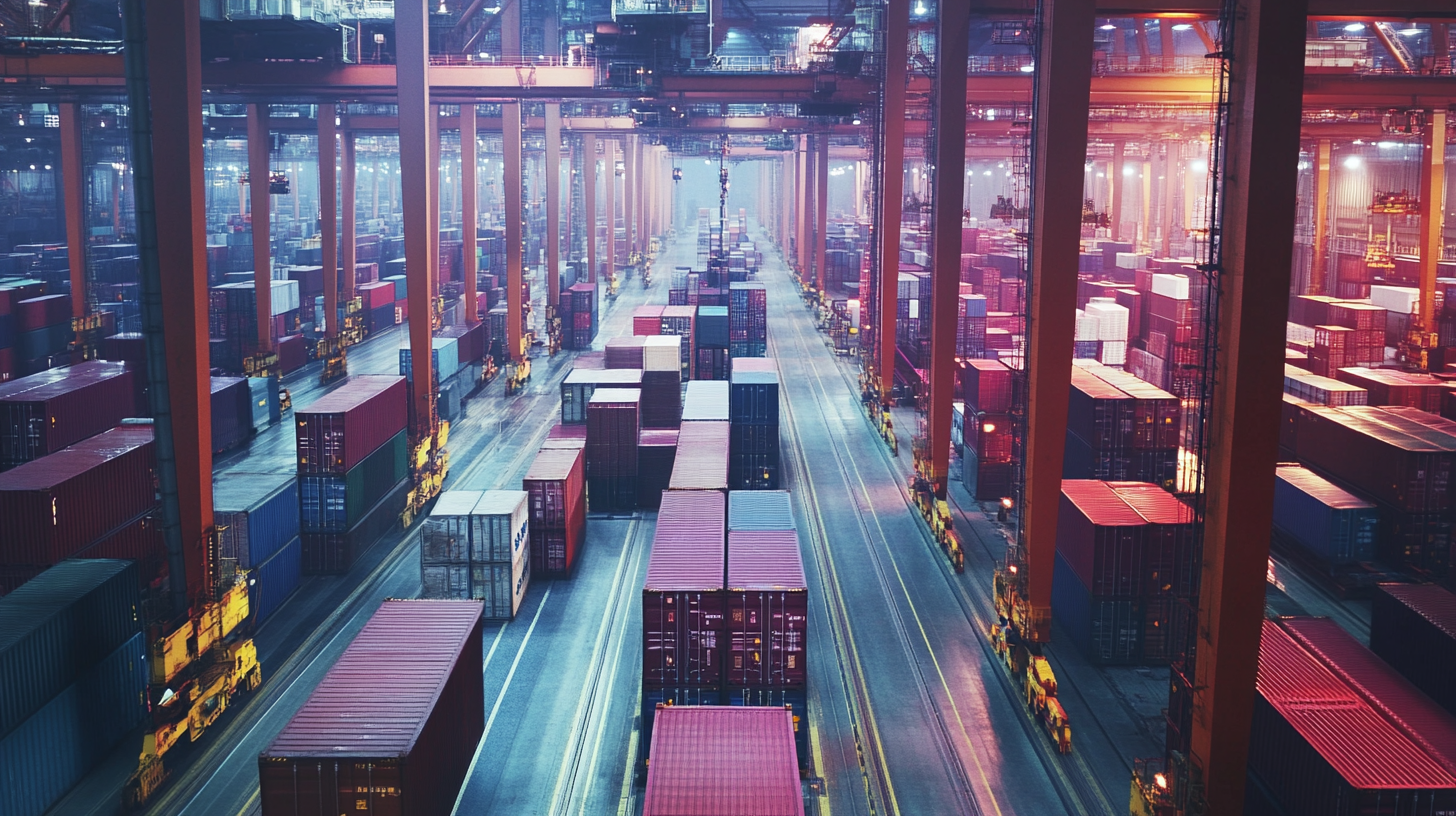
Navigating Tariff Challenges How Chinese Manufacturers Thrive in Ht Insulators Market

Strategies Employed by Chinese Manufacturers to Overcome Tariff Barriers

You know, Chinese manufacturers in the high-voltage insulator market are really stepping up their game when it comes to tackling the tricky world of tariffs. A great example of this is Jiangxi QOCl Electric Co. Ltd. This company, which kicked off its journey in December 2002, is based in Jiangxi Province and is all about pushing the envelope with advanced production technologies, especially for glass insulators. They've really put their money into research and development, and thanks to that, they’re able to roll out glass and circuit insulators that not only look good on paper but also meet international standards. This means they can still hold their ground even when those pesky tariffs come into play.

But it’s not just about technology—collaboration and spreading out into new markets are super important too. By teaming up with local distributors and looking for fresh opportunities, companies like QOCI are finding ways to lessen the sting of export tariffs. This localized game plan not only helps keep costs down but also lets these manufacturers pivot quickly to what the market needs. So, through these clever strategies, Chinese manufacturers are really managing to thrive, even with all the hurdles that international trade tariffs throw their way.

Technological Innovations Driving Growth in Chinese HT Insulator Production

You know, in the fast-changing world of high-voltage (HT) insulators, Chinese manufacturers are really leading the way with some impressive tech innovations. A recent report from MarketsandMarkets suggests that the global HT insulator market could hit around USD 16.3 billion by 2025. That's largely because of our growing need for electricity and some much-needed upgrades in infrastructure. What’s cool is that these manufacturers in China are tapping into new advancements in materials science and engineering to make their insulators more durable and effective. This focus has definitely given them a competitive edge over others from different regions.

To really succeed in this crowded market, companies are putting a lot of money into research and development. They’re all about smart manufacturing now, like using automation and data analytics to boost their game. According to some research from Frost & Sullivan, adopting these tech solutions could chop costs by as much as 30% and, at the same time, ramp up production efficiency. Manufacturers that embrace these innovations are not just meeting strict safety standards; they’re also responding to the increasing demand for greener options.

**Tip 1:** Think about jumping into advanced manufacturing technologies, like automation and AI-based analytics. It could really help you streamline operations and cut down on production costs.

**Tip 2:** Teaming up with research institutions is a smart move to keep ahead of the curve in insulator materials. This way, your products can keep up with changing market demands and meet those pesky environmental regulations.

Market Opportunities for Chinese Manufacturers Amidst Economic Tensions

You know, the whole situation with economic tensions and tariffs has really turned the global market upside down, especially for the electrical insulator sector. It's pretty impressive how Chinese manufacturers have shown such resilience. They're really good at spotting opportunities that might slip past others, thanks to their strategic advantages. I mean, they can whip up high-quality insulators at competitive prices, and they're definitely making the most of the rising demand for high tension (HT) insulators in different parts of the world—even with all the costs jumping up and the compliance stuff in international trade.

In the midst of all this chaos, there's actually some good news! The push for renewable energy and more infrastructure is paving the way for growth. These manufacturers aren’t just sticking to the usual markets—they’re out there forging partnerships and collaborations, really trying to expand their reach. They're also plowing money into research and tech to make their production processes smoother and their products even better. By being proactive like this, they can really tune in to what the market needs, which is crucial in a fast-changing industry. So, honestly, it seems like there’s a bright future ahead for these manufacturers as they tackle tariff challenges and explore new possibilities in the HT insulators market.

Case Studies: Successful Chinese Companies in the HT Insulators Sector

In the competitive landscape of high tension (HT) insulators, Chinese manufacturers have shown remarkable resilience despite tariff challenges. Companies like Jiangxi QOCl Electric Co. Ltd. exemplify how local firms can adapt and thrive in this sector. Founded in December 2002, Jiangxi QOCI has established itself with sophisticated production technology for glass insulators, leveraging its strong research and development capabilities. This focus enables the company to innovate and improve functional glass and circuit insulators, allowing it to cater to diverse market needs.

Case studies of successful Chinese companies in the HT insulators sector reveal a common theme: strategic innovation and market adaptability. For instance, Jiangxi QOCI has not only optimized its manufacturing processes but has also enhanced product quality to meet international standards. This commitment to excellence has positioned the company as a key player in the global insulators market, allowing it to navigate tariff challenges effectively. Through continuous improvement and an agile response to market demands, these manufacturers are setting a benchmark for success in the high tension insulators industry.

Future Trends for the HT Insulators Market in a Tariff-Challenged Environment

You know, even with all the tariff headaches going on, the high voltage (HT) insulators market is changing quite a bit. It’s really impressive how Chinese manufacturers are rising to the occasion. A report from the International Energy Agency even mentions that the global market for HT insulators is set to hit $9.5 billion by 2025, growing at a steady rate of about 5.1% from 2020. To tackle these challenges, Chinese companies are really doubling down on boosting their production capabilities and pouring money into innovative tech to keep prices competitive while still delivering quality.

Looking ahead, it seems like the manufacturers are all about going green. They’re shifting towards eco-friendly practices, which is totally in line with what the world is asking for these days. A study from Global Market Insights pointed out that nearly 40% of manufacturers are considering new materials that help cut down on environmental impact. It's a smart move, really; it helps them meet regulations and also attracts those consumers who care about the planet. Plus, with smart technology making its way into insulator designs, efficiency and reliability are on the rise. This definitely puts Chinese manufacturers in a solid spot, especially in a tough tariff environment, as they respond to a changing market landscape.

Navigating Tariff Challenges How Chinese Manufacturers Thrive in Ht Insulators Market

FAQS

: What strategies are Chinese manufacturers using to overcome tariff barriers in the high-voltage insulator market?

: Chinese manufacturers are enhancing technological capabilities, forming local partnerships, and expanding into new markets. This allows them to reduce costs and remain competitive despite tariffs.

How does Jiangxi QOCl Electric Co. Ltd. exemplify innovation in overcoming tariff challenges?

Jiangxi QOCl Electric Co. Ltd. has invested in research and development to create functional glass and circuit insulators that meet international standards, enabling effective competition against tariff barriers.

What role does collaboration play in the strategies of Chinese manufacturers?

Collaboration with local distributors and seeking new market opportunities helps Chinese manufacturers mitigate the impact of tariffs, respond quickly to market demands, and lower operational costs.

What market opportunities are available to Chinese manufacturers amidst economic tensions?

Opportunities arise from the growing demand for high-tension insulators, investments in renewable energy, and infrastructure development, allowing manufacturers to expand their global footprint.

How are Chinese manufacturers improving their production processes in response to tariff challenges?

They are investing in technology and optimizing production processes to enhance efficiency and product quality, ensuring they can meet specific market needs effectively.

What trends are expected in the high-voltage insulators market by 2025?

The market is projected to reach $9.5 billion, with a growth rate of 5.1% CAGR, as manufacturers focus on eco-friendly practices and smart technology integration.

How are Chinese manufacturers aligning with global demands for sustainability?

Almost 40% of manufacturers are expected to adopt new materials that reduce environmental impact, aligning their practices with regulatory requirements and consumer preferences for greener solutions.

What impact do tariffs have on the competitive pricing of Chinese manufacturers?

Chinese manufacturers are focusing on enhancing production capabilities and innovative technologies to maintain competitive prices even while navigating tariff challenges.

What advancements in technology are Chinese manufacturers exploring for high-voltage insulators?

Manufacturers are integrating smart technology into insulator design to improve efficiency and reliability while also aligning with trends towards sustainability.

How are Chinese manufacturers positioning themselves in a rapidly evolving market landscape?

By proactively exploring partnerships and investing in research and technology, they are ensuring their relevance and adaptability amidst ongoing economic challenges and tariffs.

Charlotte

Charlotte

Charlotte is a dedicated marketing professional at Jiangxi QOCI Electric Co. Ltd., a leading company founded in December 2002 and located in Jiangxi Province, China. With a profound expertise in glass insulators, Charlotte plays a pivotal role in showcasing the company’s innovative products and......
Previous Understanding Import Export Certifications for Isolateur Ctv 254 and How to Navigate the Process