Picking out the right 11kv Insulators for your project really matters—trust me, it's a big deal. Like John Smith from InsulatorTech often says, ‘Good insulators are basically the backbone of any electrical setup.’ If you don't choose wisely, you might run into failures down the line, and nobody wants that.
The market's pretty packed with all kinds of insulators made from different materials and designs, so it can get overwhelming. You’ve gotta think about things like weather conditions, how much load it needs to handle, and where you're installing it. Every project’s a little different, so understanding what your specific needs are is super important. Some insulators just don’t hold up well when the weather gets extreme or if they’re under heavy mechanical stress.
When you're picking insulators, don’t just glance over the details—check out the manufacturer’s reputation and whether they have proper certifications. Yeah, I get it; the cheapest option might seem tempting, but skimping on quality might end up costing you more in the long run. Good quality insulators protect your investment and give you peace of mind about reliability. So, take your time, weigh these factors, and make an informed choice—that way, you’re all set for a smooth and reliable setup.
Understanding the Importance of 11kV Insulators in Electrical Systems
Choosing the right 11kV insulators is critical for reliable electrical systems. Insulators play a vital role in ensuring safety and performance. They isolate conductive components from the ground, preventing unintentional current leakage. According to industry studies, around 25% of electrical failures occur due to inadequate insulator selection.
Material, voltage rating, and environmental conditions are essential factors in this choice. Porcelain or polymer materials are common, but each has distinct advantages. Environmental factors like pollution and humidity also affect performance. A report by the Institute of Electrical and Electronics Engineers highlighted that insulators in polluted areas need more robust designs. Insulators must withstand mechanical stress and thermal variations, which aren't always easy to predict.
It is crucial to reflect on industry standards and testing protocols when selecting insulators. Many choices may seem suitable but could lead to failures if not tested correctly. Studies indicate that up to 30% of installed insulators may not meet operational needs. It’s a reminder that careful evaluation is essential. Rigorous testing and reliable data can lead to better decision-making in insulator selection.
Types of 11kV Insulators: Porcelain, Polymer, and Glass
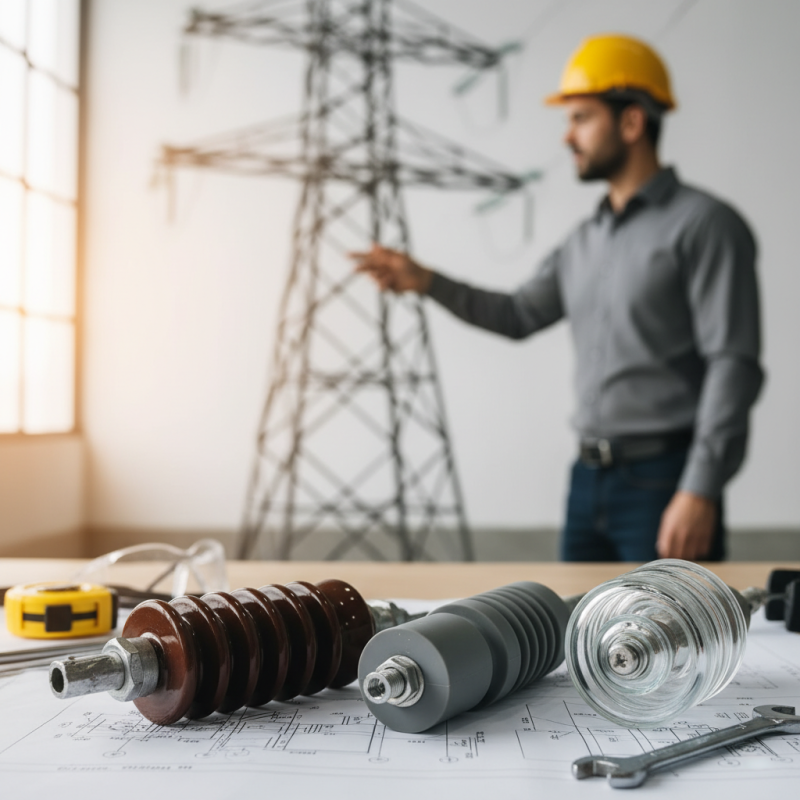
When selecting 11kV insulators, it’s crucial to understand the available types: porcelain, polymer, and glass. Each type has unique characteristics. Porcelain insulators are known for their durability and excellent insulation properties. They can withstand harsh weather conditions, but they can be heavy and brittle. Handling requires careful attention to avoid damages during installation.
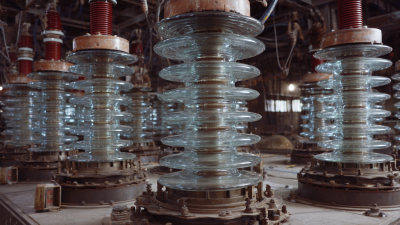
Polymer insulators, on the other hand, are lighter and offer flexibility. They are less prone to breakage under impact. However, they can experience degradation over time, especially in UV light. Maintenance is critical to ensure their longevity. Glass insulators have a transparent quality, allowing for easy visual inspection. Yet, their weight can complicate installation and transport.
Choosing the right insulator involves weighing these factors. Think about your project requirements. Will you face extreme weather? Or do you prioritize ease of installation? Reflecting on these questions helps in making an informed decision. Each option has pros and cons. Ultimately, understanding them aids in selecting the appropriate insulator for your specific needs.
Key Factors to Consider When Selecting 11kV Insulators
When selecting 11kV insulators, several key factors need careful consideration. The insulator's material is vital. Common options include glass, porcelain, and polymer. Each material has unique properties. For example, polymer insulators can be lighter and easier to install.
Environmental conditions also play a significant role. In coastal areas, salt deposits can affect performance. In regions with severe weather, choose insulators designed to handle those conditions. The pollution level in the area matters too. Insulators exposed to high pollution may need more frequent maintenance.
Mechanical strength is another critical factor. Insulators must withstand various forces, such as wind and ice. Don't overlook the electrical performance. Consider the insulator's dielectric strength and flashover voltage. These factors determine how well it can handle high voltages. Making the right choice is crucial, but sometimes, uncertainties arise. It’s essential to reevaluate your selection as project conditions evolve.
Essential Tips for Choosing 11kV Insulators for Your Project
| Factor | Description | Importance |
| Material | Common materials include porcelain, glass, and polymer. | High |
| Electrical Strength | The ability to withstand voltage loads without failure. | Very High |
| Mechanical Strength | Resistance to mechanical stresses and environmental conditions. | High |
| Pollution Performance | Ability to handle contaminated environments without failure. | Moderate |
| Thermal Rating | Maximum allowable temperature for safe operation. | High |
| Weight | Impact on handling and installation processes. | Moderate |
| Cost | Initial cost versus long-term performance and reliability. | High |
Evaluating Electrical and Mechanical Strength Requirements
When selecting 11kV insulators, evaluating electrical and mechanical strength is critical. Insulators must withstand specific voltage levels while ensuring safety and reliability. Many industry reports emphasize the significance of understanding the insulator's dielectric strength. For example, a report by the International Electrotechnical Commission states that proper dielectric strength enhances insulation performance.
Mechanical strength is equally important. Insulators face environmental challenges like wind, ice, and vibrations. According to a study by the Electric Power Research Institute, about 40% of insulator failures relate to mechanical stress. Choosing insulators with adequate mechanical ratings can mitigate this risk.
Tips: Always check the insulation material. Materials like porcelain and composite provide different benefits. Evaluate the environmental conditions your insulators will face. Regularly reviewing performance data can highlight areas for improvement. Ensure that any insulator you select meets or exceeds industry standards. This proactive approach avoids unintended vulnerabilities and costly failures in your project.
Environmental Impact on Insulator Performance and Longevity
When selecting 11kv insulators, consider environmental factors carefully. Humidity and temperature fluctuation can significantly affect insulator performance. High humidity can lead to the accumulation of contaminants, reducing insulation strength. Such conditions may require more frequent maintenance checks. Longevity can be compromised in extreme environments.
Pollution levels also play a critical role. In urban areas, pollution can create a conductive layer on insulators. This can cause electrical failures or flashovers. Regular cleaning may be necessary for optimal performance. Insulators in coastal regions face corrosion from salt. This requires materials that can withstand such harsh conditions. It's easy to overlook these factors, but they are vital for project success.
Evaluate the local climate and environmental conditions diligently. Not all insulators perform equally in varying settings. Testing prototypes in specific locations may reveal unique challenges. Decisions should not be made solely on cost or availability. Reflecting on your project's specific needs can lead to better outcomes.
Installation Guidelines for 11kV Insulators
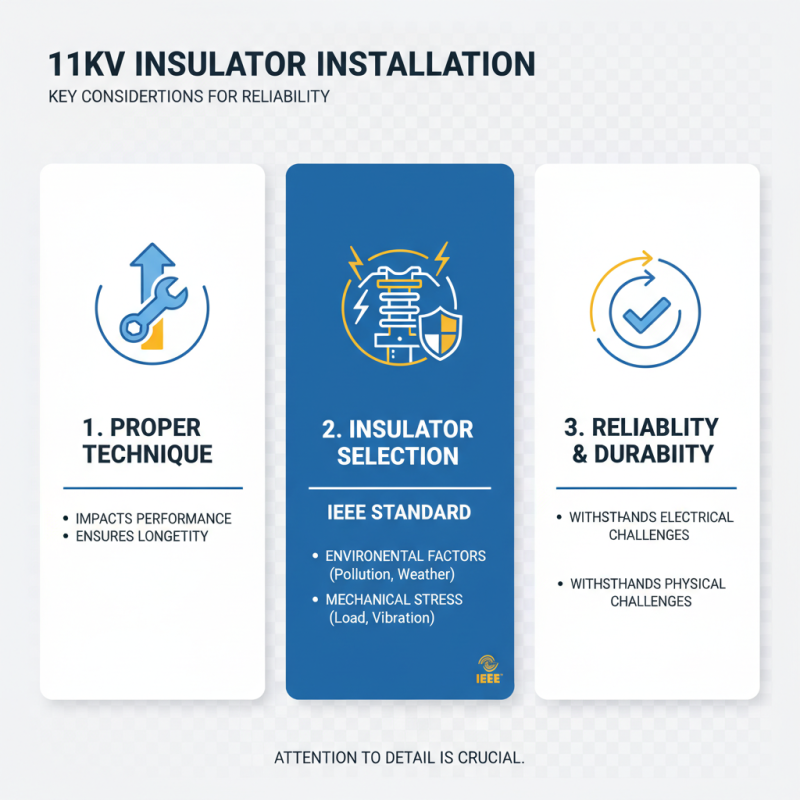
When installing 11kV insulators, attention to detail is crucial. Proper installation techniques can significantly impact performance and longevity. According to the IEEE Insulation Coordination standard, insulator selection should consider environmental factors and mechanical stress. These factors can influence how well insulators withstand electrical and physical challenges.
Ensure that the installation site is free from contaminants. Dust, moisture, and pollution can degrade insulator surfaces. A clean installation area helps maintain optimal performance. Observations show that insulators in polluted environments may fail up to 30% sooner than expected.
It's vital to align insulators correctly. Improper alignment can lead to increased mechanical strain. Misalignment may also result in flashover events, which are costly. Furthermore, follow manufacturer guidelines on torque settings. Over-tightening hardware can lead to stress fractures. Many teams tend to overlook these details, yielding costly maintenance issues down the line.
Maintenance Tips for Maximizing Insulator Efficiency
Maintaining 11kV insulators is crucial for optimal performance. Regular inspections help identify wear and tear. Look for cracks or signs of corrosion. Even tiny damages can lead to failures. Unchecked insulators may swell, causing outages.
Cleaning is an essential task. Dust and dirt accumulation can reduce functionality. Use a damp cloth or a soft brush. Be gentle; aggressive cleaning can create scratches. This simple step enhances the insulator's life.
Consider the environment where the insulators are installed. Harsh weather can affect efficiency. Corrosion is an enemy in coastal areas. Regular maintenance should adapt to the local climate. Document any changes observed during inspections. This habit helps in planning future maintenance effectively.
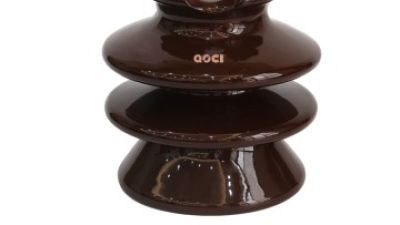
Strategies for Enhancing Power Transmission Reliability with 11kV Porcelain Insulator P-11-Y Pin Insulators: A Data-Driven Analysis
The reliability of power transmission systems is crucial for maintaining consistent electricity supply and minimizing outages. With the increasing demand for energy, enhancing the reliability of power transmission infrastructure has become a priority for utilities. One effective solution is the implementation of 11kV porcelain insulator P-11-Y pin insulators, which have demonstrated superior performance characteristics. According to industry studies, porcelain insulators can withstand harsh environmental conditions, ensuring long-term reliability in various climates and terrains.
Data-driven analyses reveal that porcelain insulators, like the P-11-Y, reduce maintenance costs and enhance system resilience. Recent reports from the Electric Power Research Institute emphasize that such insulators have a dielectric strength significantly higher than their composite counterparts, reducing the likelihood of failure caused by environmental factors or electrical stresses. In fact, the failure rate of porcelain insulators is estimated to be less than 0.1% when properly installed and maintained, showcasing their effectiveness in enhancing transmission reliability.
Furthermore, the thermal stability and mechanical strength of the P-11-Y insulators contribute to their performance under loading conditions. Research indicates that these insulators can sustain high mechanical loads while maintaining electrical integrity, making them suitable for both overhead and underground applications within the power sector. By leveraging data insights and focusing on reliable materials, utilities can significantly mitigate risks associated with power transmission, ultimately leading to improved service reliability and customer satisfaction.
FAQS
: The product is designed to enhance usability and convenience in everyday activities.
Follow the instructions carefully. Start with a small amount. Adjust based on your needs.
Some users may experience mild discomfort. It’s important to monitor your response and adjust use.
Most people can, but check for allergies or sensitivities before use.
Keep it in a cool, dry place. Avoid direct sunlight. Proper storage can extend its lifespan.
Results may vary. It’s key to consider consistency and individual differences. Reflect on usage patterns.
Caution is advised. Mixing might lead to unexpected reactions. Consult a professional if unsure.
Effects may take time to manifest. Patience and consistent use are often necessary.
Overusing or underusing are common errors. Not following guidelines can hinder effectiveness.
Reach out for support or guidance. It’s important to address any issues promptly.
Conclusion
In selecting 11kV insulators for electrical systems, it's essential to understand their crucial role in ensuring reliability and safety. The main types of 11kV insulators include porcelain, polymer, and glass, each offering unique advantages depending on the specific application. Key factors to consider when choosing these insulators include their electrical and mechanical strength, as well as their performance in different environmental conditions. Proper installation guidelines and maintenance practices are also vital for maximizing the efficiency and longevity of 11kV insulators, ultimately helping to maintain the integrity of electrical infrastructure. By carefully evaluating these aspects, project managers can make informed decisions that enhance operational safety and effectiveness.