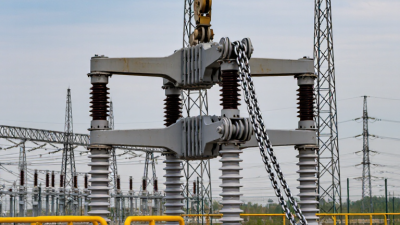
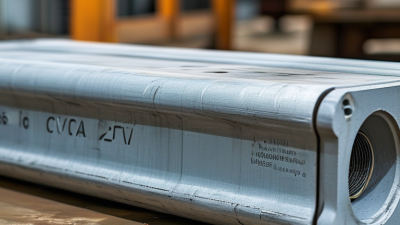
Picking a CTV Chain Isolator isn’t just a purchasing task—it’s a safety decision. The unit you choose has to hold up under mechanical tension, electrical stress, moisture, vibration, and yes, even the occasional maintenance mistake. A shiny catalogue page? That’s not nearly enough.
The International Energy Agency reported that global electricity demand grew strongly in 2024, which keeps adding pressure on transmission and distribution networks. Grand View Research also put the global electrical Insulator market at more than USD 13 billion in 2023. Those numbers show a growing market, sure—but they don’t guarantee product quality. In the end, site conditions still decide how well something performs.
High-voltage engineering professor Dr. George G. Karady offers a useful principle: 'Insulation coordination is a system problem, not a component problem.' That idea should guide every CTV Chain Isolator comparison. Start with rated voltage. Then look at creepage distance, tensile strength, corrosion resistance, installation geometry, and verified test records. Don’t get swayed by one impressive number.
A reliable selection process should also factor in IEC 61109, IEC 60168, and the relevant manufacturer testing procedures. Ask for traceable certificates, material specs, and evidence from comparable railway or utility environments. And take a close look at chain links, end fittings, locking hardware, and exposed surfaces. Small defects can turn into very expensive failures.
Some common assumptions can be wrong, too. A higher rating doesn’t always mean better field performance. Weather, contamination, and poor alignment can change the outcome. This guide shares seven practical tips for choosing a CTV Chain Isolator, but keep in mind that final approval still needs qualified engineering review and site-specific validation.
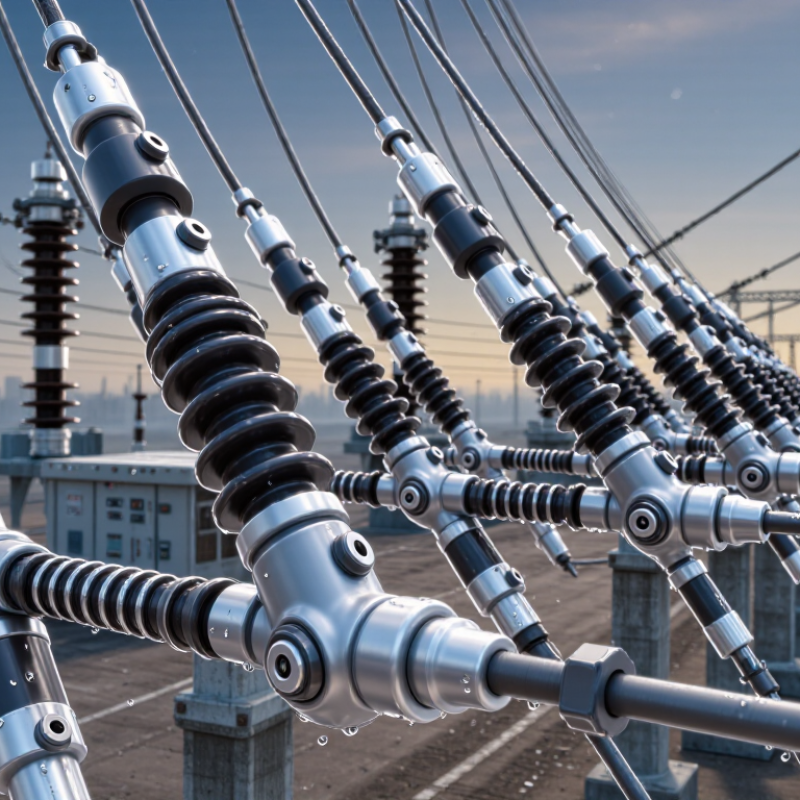
A CTV chain isolator separates the working chain from its supporting structure. Its role is more than simple connection. It helps reduce shock loads, vibration, metal-to-metal contact, and wear at the attachment point. During movement, the isolator can protect nearby fittings from sudden force changes. This matters when chains face repeated loading, saltwater, mud, or frequent repositioning.
When choosing one, check seven practical points. Match the isolator with the chain size and working load. Allow for dynamic loads, not only the stated static weight. Confirm that its movement range suits the equipment. Review material resistance against moisture, salt, chemicals, and temperature changes. Inspect the connection geometry carefully. A poor angle can create uneven loading. Also, choose a design that permits clear inspection and safe replacement.
Field experience shows that a higher rating does not always mean a better choice. Oversized components may add weight, restrict movement, or complicate installation. Ask for test data, dimensional drawings, and maintenance guidance from a qualified supplier. Check the isolator after abnormal loading, visible deformation, or unusual noise. Small cracks are easy to miss. I once overlooked access space during a selection review, and routine inspection became unnecessarily difficult. That mistake reinforced an important point: serviceability deserves the same attention as strength.
7 Tips for Choosing a CTV Chain Isolator
Matching voltage and current ratings should guide every CTV chain isolator decision. Tip 1: Check the system’s maximum operating voltage, not its normal reading. Temporary overvoltage can damage insulation. Tip 2: Match continuous current with the real load, including future expansion. Do not guess. Tip 3: Confirm the short-circuit withstand rating from the installation’s fault study. A neat spreadsheet can still hide a serious mismatch.
Tip 4: Review insulation levels, clearance, and creepage distances for the installation environment. Dust, moisture, salt, and heat can reduce performance. Tip 5: Check whether the isolator suits the system frequency, switching duty, and connection layout. Small details matter. Tip 6: Select a mechanical design that allows visible, secure isolation during maintenance. Operators should understand its position immediately. Experience shows that confusing indicators create avoidable risks, even when the electrical ratings appear correct.
Tip 7: Compare test certificates, installation instructions, and applicable electrical requirements before approval. Verify terminal sizes, enclosure protection, and temperature derating. Ask whether the selected unit remains reliable at the highest expected ambient temperature. This step is sometimes rushed. It should not be. If calculations are uncertain, have a qualified engineer review voltage, current, fault level, and coordination requirements before purchase.
Matching voltage, current, insulation level, and system requirements
7 Tips for Choosing a CTV Chain Isolator
Selecting Suitable Materials for the Operating Environment
A CTV chain isolator must match its environment, not only its voltage rating. Tip 1: Check operating temperature, salt spray, moisture, and ultraviolet exposure. Offshore air can attack exposed hardware quickly. Tip 2: Choose insulation with strong tracking and erosion resistance. Polymer materials can perform well, but their surface condition needs regular inspection. Ceramic may tolerate heat better, yet it can crack after impact.
Tip 3: Review the material’s chemical resistance before installation. Cleaning agents, hydraulic oils, and exhaust deposits may weaken unsuitable surfaces. Tip 4: Select corrosion-resistant fittings, such as properly protected stainless components. Do not judge corrosion protection by appearance alone. Tip 5: Confirm creepage distance for wet and polluted conditions. A laboratory result may not represent a windy deck covered with salt residue.
Tip 6: Consider vibration and repeated chain movement. Rigid materials can be durable but less forgiving under shock loading. Tip 7: Request test data, temperature limits, and maintenance guidance from qualified suppliers. Field experience shows that small gaps, loose fittings, and trapped water often cause avoidable failures. I have also seen specifications overlook cold starts. That was a mistake. Material selection should include installation tools, inspection access, and replacement conditions. A practical choice is one technicians can safely examine and service.
Choosing a CTV chain isolator starts with accurate chain measurements. Check the chain diameter, pitch, link shape, and inside width. A small mismatch can cause binding or uneven loading. Measure the installed chain, not only the catalog specification. Wear may have changed its dimensions. It happens.
Load capacity requires more than comparing one number. Confirm the isolator’s working load limit, not its breaking load. Include the chain weight, operating force, shock loads, and any side loading. A suitable safety margin should follow the equipment manual and site requirements. In field inspections, I have seen assemblies fail because a static load was treated as the whole story. That assumption needs questioning.
Mechanical fit affects reliability every day. Check pin diameter, mounting holes, clearance, articulation, and the available installation space. The isolator should move freely without twisting the chain. Verify that nearby guards or brackets cannot contact moving links. Inspect the finish for cracks, sharp edges, and corrosion before installation. A trial fit with the system unloaded can reveal problems early. Record the measurements and recheck them after tightening. Human error remains possible, especially when measurements are copied from old drawings. Fresh verification is safer.
7 Tips for Choosing a CTV Chain Isolator
Evaluating Insulation Performance and Safety Features
In field inspections, insulation performance deserves more attention than a polished datasheet. Check the rated voltage, impulse withstand level, and insulation resistance. These values show how the isolator may respond to daily voltage stress and sudden surges. Ask for type-test reports from an independent laboratory. Traceable test records are more useful than broad marketing claims. Also examine creepage and clearance distances. Moisture, dust, and salt can reduce surface insulation over time.
Tip 1: Match the isolator with the real site environment. A clean indoor panel needs different protection from a humid coastal substation. Look for suitable material, sealing, and pollution-level guidance. Thermal cycling matters too. Repeated heating and cooling can create small cracks around terminals. Small cracks become serious paths for leakage.
Safety features should be practical and visible. Confirm that the chain mechanism prevents accidental operation and provides a clear open-position indication. Interlocking provisions can reduce unsafe switching, but they must be checked against the complete installation. Review earthing points, mechanical strength, and fault-current capability. I once treated mechanical durability as secondary; that was a poor assumption. Electrical safety depends on hardware that remains stable under vibration and maintenance handling. Finally, inspect certificates, installation instructions, and routine-test procedures. If any requirement is unclear, pause the purchase. Guesswork has no place near high-voltage insulation.
Choosing a CTV chain isolator requires more than checking voltage and price. Confirm the exact duty, insulation level, mechanical load, pollution class, and installation environment. The relevant standard may vary by project and region, so request the manufacturer’s compliance statement and current test documentation. Do not rely on a certificate alone. Check its scope, laboratory identity, test date, and product reference.
Testing should resemble real service conditions. Ask whether samples were tested after humidity, thermal cycling, vibration, or contamination exposure. A clean laboratory result is useful, but field reliability depends on repeated stress. Tip 5: Confirm traceability from raw material to finished unit. Tip 6: Review the manufacturer’s quality system, calibration controls, corrective-action process, and inspection photographs. Tip 7: Check installation guidance and after-sales technical support.
Experience also matters. A capable manufacturer can explain failure modes without hiding inconvenient details. Ask for anonymized project evidence and clear acceptance criteria. Be cautious when answers sound perfect. One weakness in documentation may not prove poor quality, but it deserves investigation. I would also compare independent test evidence with factory claims, because paperwork can look stronger than the product.
Maintenance needs should lead the buying decision, not the catalog price. Check lubrication access, inspection points, sealing, alignment tolerance, and replacement time. A practical site review should record dust, moisture, load changes, operating hours, and temperature near the chain isolator. These details often explain early wear better than a laboratory rating.
Service life is rarely a fixed number. Ask for test conditions, fatigue data, and failure records from comparable applications. ISO 55000 asset-management principles support decisions based on risk, performance, and lifecycle value. The U.S. Department of Energy’s Operations & Maintenance Best Practices guide reports that predictive maintenance may reduce costs by 8–12% compared with preventive maintenance, and 25–30% compared with reactive maintenance. Sensors can help, but they also require calibration and staff attention.
Calculate total cost across the expected operating period. Include purchase, installation, lubrication, inspections, spare parts, energy losses, and production downtime. A cheaper isolator may need frequent shutdowns. That is expensive. A stronger unit may reduce interventions, but over-specification wastes capital. I would not trust a projected service life without site evidence. Compare at least three maintenance scenarios, then challenge every assumption with actual failure history. A spreadsheet can still lie.
Choose a rating above the system’s maximum operating voltage. Do not use the normal voltage reading alone. Temporary overvoltage can damage insulation.
Match the isolator with the real continuous load, including planned expansion. Do not guess from memory. A neat spreadsheet may still contain a serious mismatch.
It must match the installation’s confirmed fault level. Use the fault study, not an approximate value. If calculations seem uncertain, request qualified engineering review.
Check dust, moisture, salt, heat, clearance, and creepage distances. A clean enclosure today may face condensation tomorrow. Temperature derating also matters.
Confirm system frequency, switching duty, connection layout, terminal sizes, and enclosure protection. Small details matter. They can affect reliability.
Measure the installed chain’s diameter, pitch, link shape, and inside width. Wear may have changed its size. Measure twice.
Check the working load limit, not only the breaking load. Include chain weight, operating force, shock loads, and side loading. Static load is not the whole story.
Check pin diameter, mounting holes, clearance, articulation, and available space. A trial fit without load can expose binding early. Old drawings may mislead, so record fresh measurements.
Select a design with visible, secure isolation and clear position indication. Operators should understand its status immediately. Confusing indicators create avoidable risks.
Compare test certificates, installation instructions, and applicable electrical requirements. Recheck ratings at the highest expected ambient temperature. Rushed approval deserves another look.
Choosing the right Ctv Chain Isolator requires more than selecting a component that fits physically. Begin by understanding its role in separating electrical circuits while supporting reliable chain operation. Confirm that its voltage and current ratings match the system, including normal loads and possible operating variations. The insulating materials should also suit the environment, whether it involves heat, moisture, dust, chemicals, or outdoor exposure. At the same time, check chain dimensions, load capacity, connection points, and mechanical compatibility to prevent unnecessary stress or misalignment.
A dependable Ctv Chain Isolator should provide strong insulation, secure construction, and appropriate safety features. Review available testing records, applicable industry standards, production controls, and the manufacturer’s quality assurance process. It is also important to compare cleaning and inspection requirements, expected service life, replacement access, and total ownership cost rather than focusing only on the initial price. By evaluating electrical, mechanical, environmental, safety, and maintenance factors together, you can select an isolator that supports stable performance, reduces downtime, and delivers dependable long-term value.