Picking the right Ht Insulators isn't just a technical detail—it’s actually pretty crucial for any electrical project you’re working on. These little guys are really important when it comes to safety and making sure everything works smoothly. Honestly, go for a good quality insulator, and you’ll probably see better efficiency. Plus, they help shield your equipment from rough weather—that’s a big plus.
When you’re choosing your HT insulators, don’t forget to think about things like what material they’re made of, how much voltage they need to handle, and how environmentally friendly they are. Each of these factors can really make a difference. For example, ceramic insulators are super tough but can be pretty heavy; meanwhile, composite ones are lighter but might struggle a bit when the weather gets extreme. If you overlook these details, you might end up making costly mistakes—trust me, it's worth taking your time.
Investing in good quality insulators is definitely worth it in the long run. But, at the same time, it’s easy to get caught up in rushing the decision or skipping over key specs. Many folks just want to get things done and might ignore the potential pitfalls. Taking a moment to carefully consider your options can save you a lot of headaches later on—prevent failures, boost reliability, and keep things running smoothly out in the field.
Understanding High Voltage Insulators: An Overview
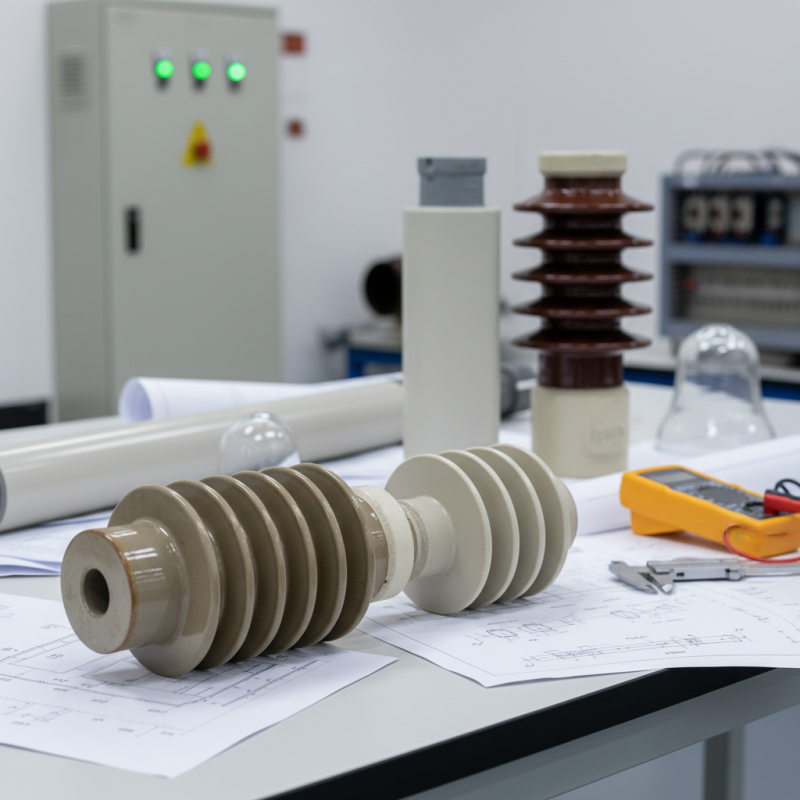
high voltage insulators play a critical role in electrical systems. They support and separate electrical conductors, helping to prevent short circuits and maintaining safety. This is crucial for any electrical infrastructure, from power plants to transmission lines. According to a report by the Electric Power Research Institute (EPRI), faulty insulators can lead to significant power outages, costing utilities millions annually.
Understanding the types of insulators available is vital. Porcelain and composite insulators are common, each with advantages and drawbacks. For instance, porcelain is robust and durable but heavier. Composite options are lighter and more resistant to pollution, but they can be less reliable in extreme conditions. As reported by IEEE, nearly 30% of insulator failures occur due to environmental factors, such as contamination and extreme weather. Choosing the right material can make all the difference.
Installation and maintenance are also key elements. Poor installation practices can lead to premature failures. Regular inspections can help identify issues before they become critical. In a recent case study, improper maintenance led to a 40% increase in failures within five years. Engineers must remain vigilant, as even minor oversights can have significant repercussions in high voltage systems.
High Voltage Insulators: Material Impact on Performance
This chart displays the dielectric strength of various insulator materials used in high voltage applications. Understanding these properties is essential for selecting the right insulators for ensuring safety and efficiency in electrical systems.
The Importance of HT Insulators in Electrical Systems
HT insulators play a crucial role in electrical systems. They ensure the safe transmission of high voltage electricity. These insulators prevent electrical leakage and protect equipment from voltage spikes. According to a report by the International Electrotechnical Commission, improper insulation can lead to energy losses of up to 30% in electrical systems.
Choosing the right HT insulator involves understanding materials and environmental conditions. Factors like temperature, humidity, and pollution levels must be considered. An unsuitable insulator can lead to malfunction or even catastrophic failures. For example, in coastal areas, salt contamination can significantly reduce an insulator's lifespan.
Furthermore, regular maintenance is often overlooked. Insulators require checks for wear and tear. Neglecting this can result in unexpected outages. According to the IEEE, 25% of power outages are linked to insulator failure. This indicates a pressing need for improved vigilance and better decision-making in the selection process.
Key Factors to Consider When Selecting HT Insulators
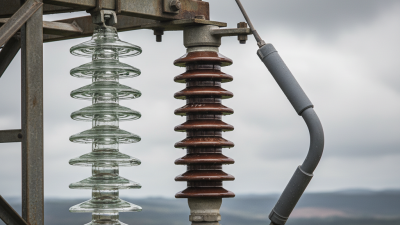
When selecting high-tension (HT) insulators, several key factors come into play. The material type is crucial. Common options include ceramic, glass, and polymer. Each material has unique strengths and weaknesses. Ceramic insulators are durable and resistant to harsh environments. However, they can be brittle and prone to cracking. On the other hand, polymer insulators are lightweight and flexible but may degrade under UV exposure. Balancing these attributes is essential.
The voltage rating is another significant factor. Ensure that the insulator meets or exceeds the operational voltage. Also, consider the environmental conditions. Areas with high pollution levels might require insulators with better leakage resistance. Ignoring these conditions can lead to premature failure. It’s important to evaluate the expected lifespan as well. Some insulators last longer than others, but maintenance will still be necessary.
Finally, installation and handling need attention. Improper installation can lead to issues that compromise safety and reliability. Training and proper tools are essential. Take time to reflect on these factors before making a decision. Choices made in haste can lead to expensive mistakes down the road. Being thorough in evaluating each option is always a wise approach.
Types of High Voltage Insulators and Their Applications
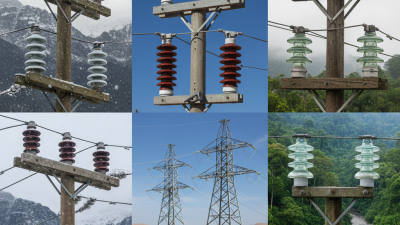
When selecting high voltage insulators, understanding the types and their applications is crucial. Insulators play a vital role in power transmission systems. They prevent current leakage and ensure the safety of both infrastructure and personnel. According to industry reports, ceramic and polymer insulators dominate the market due to their durability and resistance to environmental factors.
Ceramic insulators are often used in utility poles. They are robust and handle high voltage well. However, they can be heavy and brittle. On the other hand, polymer insulators are lightweight and offer excellent performance under harsh conditions. Their flexibility allows for easier installation. Yet, some studies highlight concerns regarding their long-term aging and hydrophobic properties.
Tips: Consider the environmental conditions where the insulators will be used. Factors like humidity and pollution significantly impact performance. Always review manufacturer data sheets. Look for test results that showcase long-term reliability. Evaluate the specific application and ensure compliance with local regulations. Identifying your needs will save time and resources in the long run.
Material Properties of Insulators: What to Look For
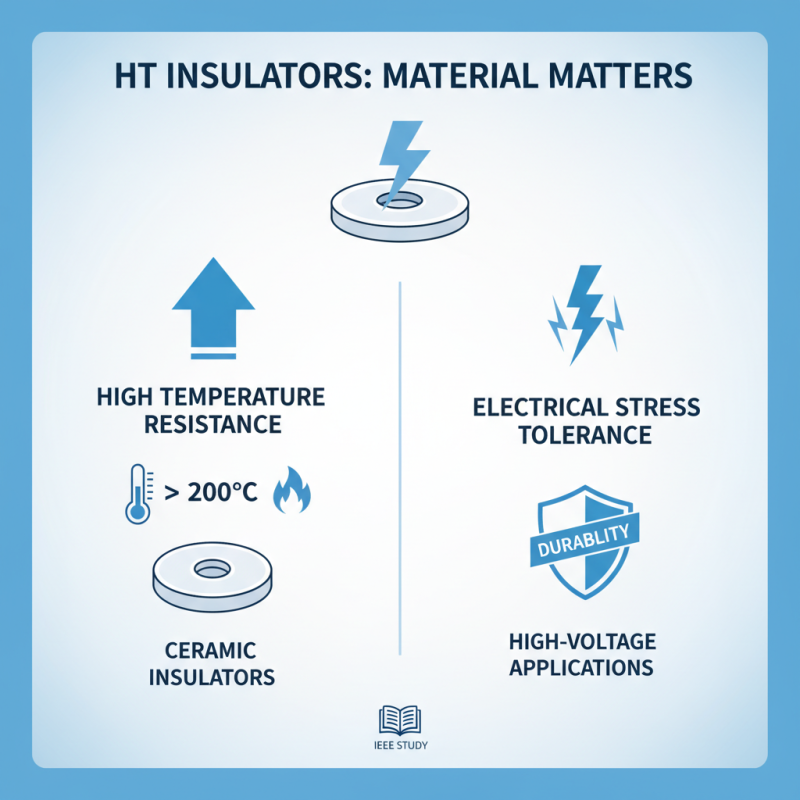
When selecting HT insulators, material properties play a crucial role. Insulators must withstand high temperatures and electrical stress. A study from the IEEE states that ceramic insulators can endure temperatures above 200°C while maintaining their integrity. This durability is vital in high-voltage applications.
Another critical property to consider is dielectric strength. Good insulators prevent electric discharges. According to materials science reports, the dielectric strength of polymer insulators can reach up to 20 kV/mm. This ensures safety, even in challenging conditions. Low dielectric losses are also important for energy efficiency.
However, not all materials perform uniformly. Some polymer insulators might degrade faster in harsh environments. Regular assessments are essential. This reflects the need for ongoing evaluation in insulator performance. Investing time in research can lead to better long-term decisions. Choosing the right insulator is more nuanced than it seems.
Evaluating Environmental Factors Affecting Insulator Performance
When selecting high-tension (HT) insulators, understanding the environmental factors is critical. Weather conditions, humidity, and pollution levels significantly influence insulator performance. For example, according to a recent industry report, pollution can decrease insulator effectiveness by up to 30%. Insulators in urban areas often need more maintenance than those in rural settings.
One essential tip is to evaluate local environmental conditions before purchasing insulators. Inspect the area for pollution and moisture levels. High pollution zones may require insulators with superior resistance to contamination. Similarly, areas with high humidity demand insulators designed for moisture resistance.
Additionally, consider the geographical aspects. In earthquake-prone regions, insulators should be flexible and resilient. Using insulators that lack these features can lead to frequent failures. The 2021 Electrical Insulation Report highlighted that up to 25% of insulator failures stem from environmental factors. These insights underscore the importance of thorough evaluation and informed decisions.
Essential Tips for Choosing Ht Insulators: Why They Matter? - Evaluating Environmental Factors Affecting Insulator Performance
| Insulator Type | Material | Max Voltage (kV) | Temperature Range (°C) | Environmental Concern |
| Porcelain Insulator | Ceramic | 100 | -40 to 90 | Moisture Absorption |
| Polymer Insulator | Silicone | 80 | -40 to 75 | UV Degradation |
| Glass Insulator | Glass | 120 | -30 to 90 | Fragility |
| Composite Insulator | Fiberglass | 150 | -40 to 60 | Chemical Resistance |
Maintenance Practices for Prolonging Insulator Lifespan
Maintaining high voltage insulators is crucial for power reliability. Regular inspections help identify potential issues early. This prevents costly failures. Look for cracks, dirt, or other defects. These can significantly affect performance.
Cleaning insulators often enhances their function. Dust and pollution build up can cause flashovers. A simple rinse with water can make a difference. Yet, some may overlook this step. It's easy to forget about insulator maintenance in busy schedules.
Environment plays a big role too. In coastal areas, salt can corrode insulators. Regular checks are vital in these regions. Sometimes, it's tough to find time for upkeep. Setting reminders can help. Consistent maintenance extends the life of your equipment. It's worth the effort to keep your systems running smoothly.
Exploring the Advantages and Applications of 100KN U100BL Suspension Glass Insulators in Power Transmission Systems
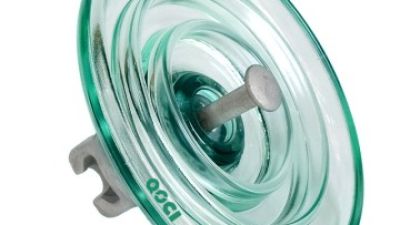
The U100BL suspension glass insulator has emerged as a vital component in modern power transmission systems, thanks to its remarkable electrical performance and mechanical strength. With its excellent insulation capabilities, it effectively prevents current leakage, ensuring the reliability of high-voltage transmission lines. Designed to withstand harsh environmental conditions, this glass insulator exhibits strong weather resistance and is largely unaffected by temperature fluctuations and ultraviolet rays. This resilience allows it to maintain stable insulation properties even after extended use, making it a dependable choice for utility companies.
Another notable advantage of the U100BL insulator is its smooth surface, which minimizes dirt accumulation and enhances its self-cleaning characteristics. This feature significantly reduces maintenance requirements, allowing for easier upkeep in remote or challenging locations. Additionally, the insulator's long service life and high anti-aging properties further demonstrate its suitability for the demanding environments associated with high-voltage applications. By integrating the U100BL glass insulator into power transmission systems, companies can ensure improved operational efficiency and enhanced safety, ultimately fostering a more stable and reliable energy infrastructure.
FAQS
: The activity aims to promote community engagement and personal growth through interactive learning.
Events typically last between two to three hours, depending on the program's schedule.
Yes, the activities are open to all ages and backgrounds. Everyone is welcome to join.
Most events are free, but some may have a small charge to cover materials.
Participants should bring a notebook, pen, and a willingness to engage.
If you cannot make it, please inform the organizers in advance. This helps with planning.
Light snacks and beverages are often available. However, check event details for specifics.
Attendees can fill out a feedback form at the end. Suggestions are always appreciated.
There are no strict age limits, but younger children should be accompanied by an adult.
Yes, volunteers are welcome. Reach out to organizers for more information on volunteering opportunities.
Conclusion
High Voltage Insulators, commonly referred to as HT Insulators, play a critical role in electrical systems by ensuring reliable performance and safety. When selecting HT Insulators, one must consider various factors, including the specific application requirements, environmental conditions, and material properties. Understanding the types of insulators available, such as porcelain, glass, and composite options, is essential for making informed decisions that impact system efficiency and longevity.
Moreover, evaluating environmental factors like temperature, humidity, and pollution levels is crucial for optimal insulator performance. Regular maintenance practices can significantly extend the lifespan of HT Insulators, reducing the risk of failures and ensuring the stability of electrical infrastructure. By considering these aspects, one can select the most suitable HT Insulators to meet both safety and operational needs in high voltage applications.