Leave Your Message
0%

Suspension String insulators might not be the flashiest part of power transmission, but honestly, they're super important. They hold up those conductors and stop electricity from leaking out, making sure everything runs smoothly and safely. Did you know that, according to the International Energy Agency, global electricity use is expected to jump by about 30% by 2040? Crazy, right? That just highlights why having top-notch insulators really matters now more than ever.

But hey, picking the right suspension string insulator isn’t always a walk in the park. There are so many materials and designs out there, it can get pretty overwhelming. And if you pick the wrong one? Well, that could mean costly outages down the line. A report by Market Research Future even points out that poor insulation could cause over $10 billion in losses every year in the electrical sector. That’s a big deal, and it’s why taking the time to choose wisely is so important.

In this industry, it’s often a balancing act — you want efficiency, sure, but durability matters just as much. Sometimes, people overlook small details, like how environmental factors might mess with insulator performance. Understanding these little nuances can really make a difference. Honestly, investing a bit of time in getting the right suspension string insulator could not only improve safety but also save you money in the long run. It’s worth it, trust me.
Top 5 Tips for Choosing Suspension String Insulators

Understanding Suspension String Insulators: Definition and Purpose

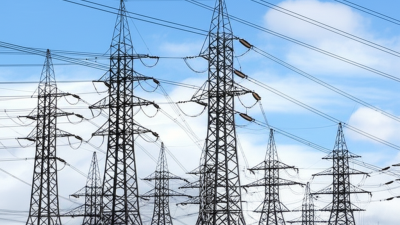
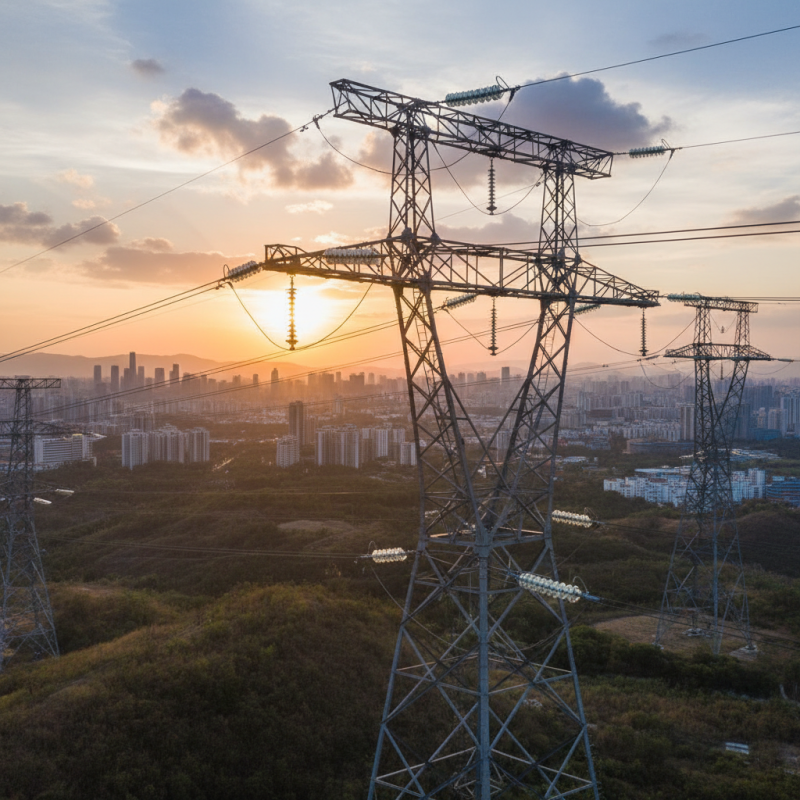
Suspension string insulators play a crucial role in overhead power lines. Their primary function is to support conductors while preventing electrical leakage. These insulators must withstand various environmental conditions. According to industry reports, failure rates of insulators account for up to 20% of all electrical outages. Understanding their utility is essential for reliable power delivery.

Insulators are generally made from materials like glass or porcelain. These materials ensure durability and performance against electrical discharge. Proper selection of suspension string insulators is essential for long-term reliability. A study showed that mismatched insulation types can reduce lifespan by 15-30%. This highlights the necessity of considering factors like voltage levels and environmental exposure.

Installation can be tricky, even for seasoned professionals. Improper handling may lead to cracks or defects. Many experts suggest conducting regular inspections for integrity and performance. It's not always easy to identify subtle signs of wear. Investing in quality insulators is crucial, but one must be aware of potential mishaps during installation and maintenance.

Key Characteristics of Suspension String Insulators to Consider

Top 5 Tips for Choosing Suspension String Insulators

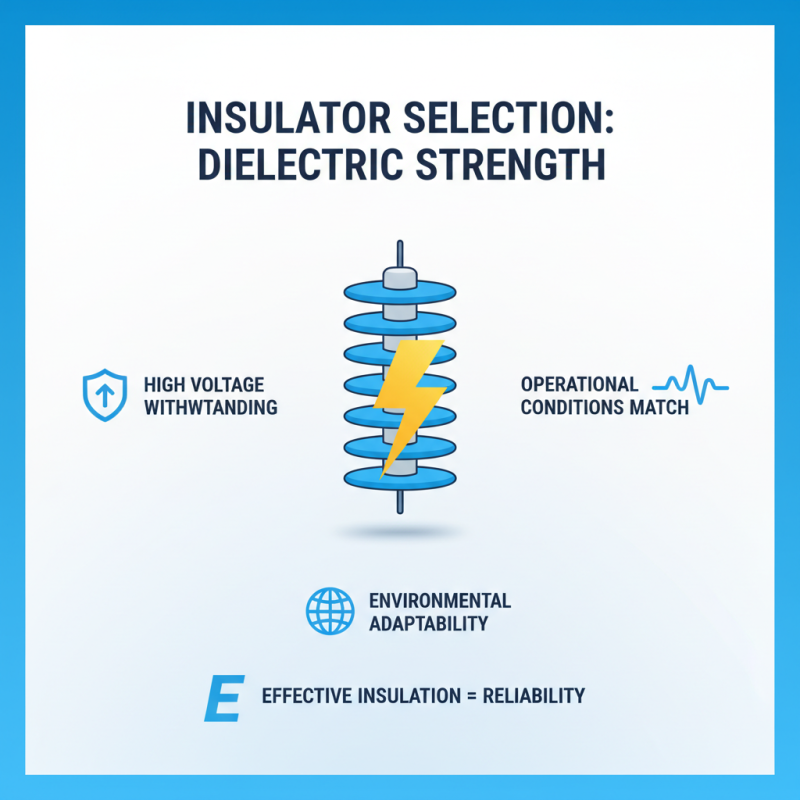
When selecting suspension string insulators, several key characteristics should be in focus. The dielectric strength plays a vital role in ensuring the insulator can withstand high voltages. It is essential to analyze how this strength matches the operational conditions. Not all environments are the same, so effective insulation is critical.

Material composition is another significant aspect. Different materials have unique properties. For instance, Ceramic Insulators generally withstand harsher weather but may be heavier. In contrast, polymer insulators are lighter and more resistant to mechanical stress. However, they can degrade faster under certain UV conditions.

The mechanical and thermal performance must also be assessed. Are the insulators designed to handle expansions and contractions? Effective thermal management helps maintain functionality despite temperature shifts. It would be wise to evaluate how previous insulator choices fared in similar applications. Understanding past failures can guide better decisions today.

Evaluating Electrical Performance: Voltage Ratings and Dielectric Strength

When evaluating suspension string insulators, understanding voltage ratings and dielectric strength is crucial. Voltage ratings tell you how much electrical pressure an insulator can withstand. If it’s too low, breakdown can occur. High voltage can lead to failures, so it's essential to choose insulators rated well above the expected system voltage.

Consider the dielectric strength of different materials. This property measures an insulator's ability to resist electrical breakdown. A higher dielectric strength indicates better performance. However, achieving this sometimes leads to trade-offs. Some materials may resist breakdown but are less durable. Inspecting the overall conditions and environment is important.

Tip 1: Look for materials that balance dielectric strength and mechanical properties. Strong insulators resist environmental stress.

Tip 2: Ensure you account for all operational conditions like humidity or pollution. They can affect the performance of insulators significantly.

Tip 3: Validate manufacturers' claims through independent testing. Sometimes, advertised ratings don’t match real-world performance.

These aspects can guide you in making well-informed choices for effective electrical insulation.

Top 5 Tips for Choosing Suspension String Insulators - Evaluating Electrical Performance: Voltage Ratings and Dielectric Strength

Insulator Type Voltage Rating (kV) Dielectric Strength (kV/mm) Material Type Weight (kg)
Porcelain 110 15 Porcelain 12
Glass 100 18 Glass 10
Composite 132 22 Polymer 8
Silicone 150 30 Silicone Rubber 6
Ceramic 80 20 Ceramic 15

Material Selection: Comparing Porcelain, Glass, and Composite Options

When selecting suspension string insulators, material choice significantly impacts overall performance. Porcelain is a traditional choice, offering high dielectric strength and durability. It can withstand extreme temperatures and resist environmental degradation. However, porcelain insulators are heavy and can be prone to breakage, especially during installation.

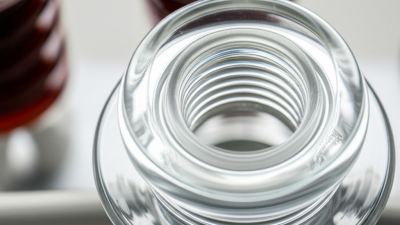
[图像] Glass insulators present another viable option. They are lightweight and can easily handle high voltage levels. Their smooth surface prevents dust accumulation, which is a considerable advantage. Yet, glass can also shatter if subjected to high mechanical stress or severe weather conditions. Users must carefully evaluate the location's potential hazards.

Composite insulators have gained popularity in recent years. They are made of polymer materials that are lighter and more flexible than glass or porcelain. This flexibility makes installation easier and reduces the risk of breakage. Nonetheless, composite materials can be more susceptible to UV degradation, requiring regular inspections and maintenance. Each material has its pros and cons, and careful consideration is necessary for optimal performance.

Impact of Environmental Conditions on Insulator Performance

Environmental conditions significantly impact the performance of suspension string insulators. Extreme weather can alter their functionality. For instance, rain, snow, and ice accumulation can lead to flashovers. According to industry reports, nearly 30% of power outages in some regions are caused by insulator failure during severe weather events.

Pollution also plays a critical role. Dust and chemical pollutants can accumulate on insulators, reducing their effectiveness. A study indicated that insulators exposed to high levels of pollution may experience a reduction in dielectric strength. In areas with heavy industrial activity, the risk of insulator failure increases substantially. Poor maintenance practices can compound these problems.

Temperature variations affect insulator materials too. Insulators must withstand a wide range of temperatures. In regions with extreme heat or cold, materials may degrade faster than expected. A failure to assess these conditions properly could lead to unexpected failures and service interruptions. Remember that proper selection aligns with local environmental challenges. It's crucial to consider these aspects when choosing insulators.

The Role of Mechanical Strength in Suspension String Insulators

Top 5 Tips for Choosing Suspension String Insulators

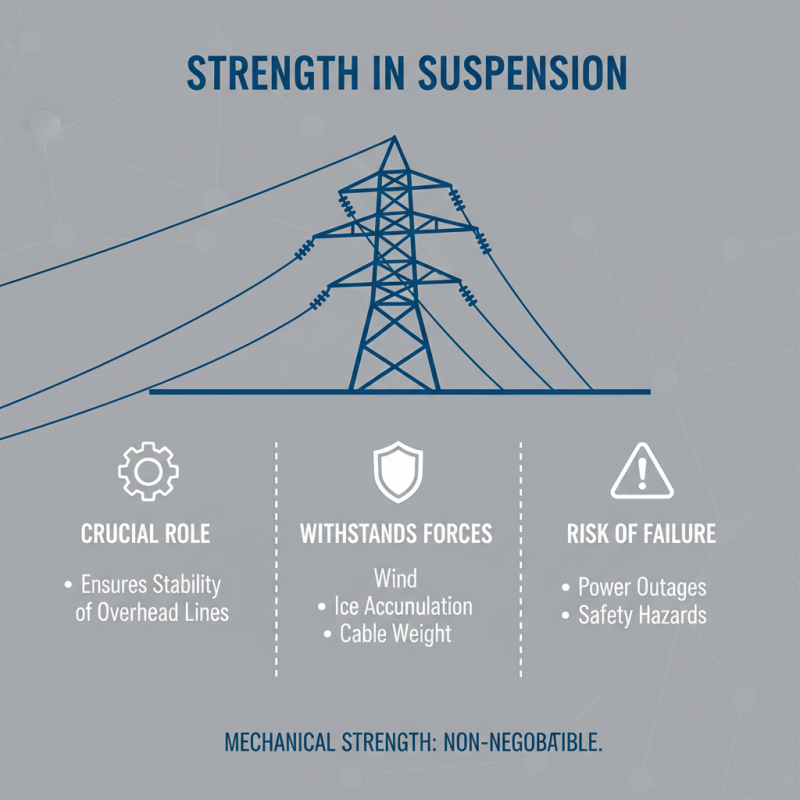
When selecting suspension string insulators, mechanical strength is crucial. It ensures the stability of overhead power lines. These insulators need to withstand various forces. Wind, ice, and the weight of the cables all put pressure on them. If they fail, the consequences can be severe. Power outages and safety hazards arise from inadequate strength.

Proper testing is essential in evaluating an insulator's mechanical strength. Manufacturers should follow rigorous standards. Despite this, some insulators might not always meet expectations. Poor quality control can lead to weaknesses. It’s critical to verify certification and testing reports. Make sure to look for detailed specifications that cover all potential stresses.

Consider the material used in construction. Glass, porcelain, and composite materials each have unique properties. While glass insulators are reliable, they can break under extreme stress. Composite materials are lightweight but may not endure as much strain. Understanding these differences is key to making a wise choice. Always think about the specific conditions your insulators will face. Balance reliability with environmental factors to ensure long-term performance.

Industry Standards and Testing Methods for Insulator Reliability

When selecting suspension string insulators, understanding industry standards and testing methods is essential. Insulators must meet specific criteria to ensure reliability. Each insulator undergoes rigorous testing. These tests often simulate real-life conditions. This helps to ensure they can withstand environmental factors.

Here are some tips for choosing the right insulator. Check for compliance with international standards. This ensures better performance and safety. Inspect the material quality. High-quality materials often lead to improved longevity. Don’t overlook the importance of design. A proper design minimizes the risk of failures over time.

Testing methods also play a significant role. There are various tests for different conditions, such as mechanical or electrical stress tests. Some insulators may pass initial tests but fail under real-world conditions. Therefore, continuous evaluation is crucial. It can be tempting to choose the cheapest option, but this may not reflect true reliability. Focus on long-term performance rather than just initial cost.

FAQS

: What is the main purpose of the product?

: The product aims to enhance daily living through efficiency and convenience. It helps simplify routines.

Who can benefit from its use?

A wide range of individuals can benefit. This includes busy professionals and homemakers alike.

How should the product be maintained?

Regular cleaning is essential. Check for wear and tear frequently to ensure longevity.

Are there any common mistakes users make?

Some users overlook the instructions. This can lead to misuse and reduce effectiveness.

Can the product be used in various environments?

Yes, it is designed for versatility. However, extreme conditions may impact its performance.

How does this product differ from similar options?

It focuses on user-friendliness and practicality. Others might prioritize style over functionality.

What should I do if something goes wrong?

Refer to the troubleshooting guide. If issues persist, reach out for support.

Is there a warranty or guarantee?

Yes, there is a warranty. Check the details to understand the coverage provided.

How long does it typically last?

The lifespan can vary. With proper care, it should serve well for several years.

What are potential safety concerns?

Always follow safety guidelines. Misuse can lead to minor accidents that could have been avoided.

Conclusion

Suspension String Insulators play a critical role in ensuring the reliability and performance of overhead power transmission lines. Understanding their definition and purpose is essential for making informed choices when selecting these components. Key characteristics to consider include voltage ratings and dielectric strength, which directly impact electrical performance and safety.

Material selection is another vital factor, as options such as porcelain, glass, and composite materials each offer distinct advantages and disadvantages based on environmental conditions and mechanical strength requirements. Evaluating these aspects, alongside industry standards and testing methods, can significantly affect the long-term reliability of Suspension String Insulators in various operational environments. Proper selection and understanding of these elements contribute to optimal insulator performance and enhanced infrastructure resilience.
Evelyn

Evelyn

Evelyn is a dedicated marketing professional at Jiangxi QOCl Electric Co. Ltd., a company established in December 2002 in Jiangxi Province, China. With a deep understanding of the industry, Evelyn excels in promoting the company's advanced glass insulators and innovative circuit insulators. Her......
Previous Understanding Import Export Certifications for Isolateur Ctv 254 and How to Navigate the Process