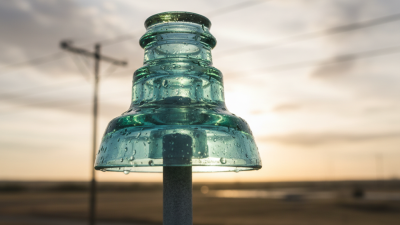
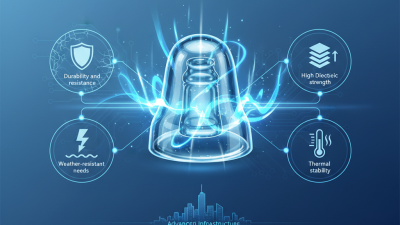
When you're trying to pick out the right glass Insulator, getting advice from someone who really knows their stuff can be a game-changer. Take James Anderson from GlassTech Solutions—he's a real expert, and he once pointed out, ‘Choosing the right insulator can make all the difference in how well it performs and how long it lasts.’ That really hits home, right? It highlights how important it is to make informed choices when you're dealing with these insulators.
Now, glass insulators play a pretty crucial role in electric transmission and distribution. They’re like the safeguard against bad weather and help keep everything running smoothly. But here’s the thing—not all insulators are built the same. Factors like the quality of the material, the design, and what you're actually going to use it for all matter. For example, a top-notch glass insulator can handle tough environments without breaking a sweat, while a cheaper one might fail way sooner than you'd hope.
It's pretty common for folks to overlook some of these technical details, even though they really should pay more attention. With so many options out there, it’s easy to get overwhelmed or confused. But honestly, understanding the little stuff can make a huge difference between getting reliable performance and having to deal with expensive replacements down the line. Putting in a bit of time to research what’s best for your needs totally pays off. Just keep in mind, the ‘best’ choice is pretty subjective—what works perfectly for someone else might not be ideal for you. So, finding the right fit for your situation is key in this constantly changing industry.
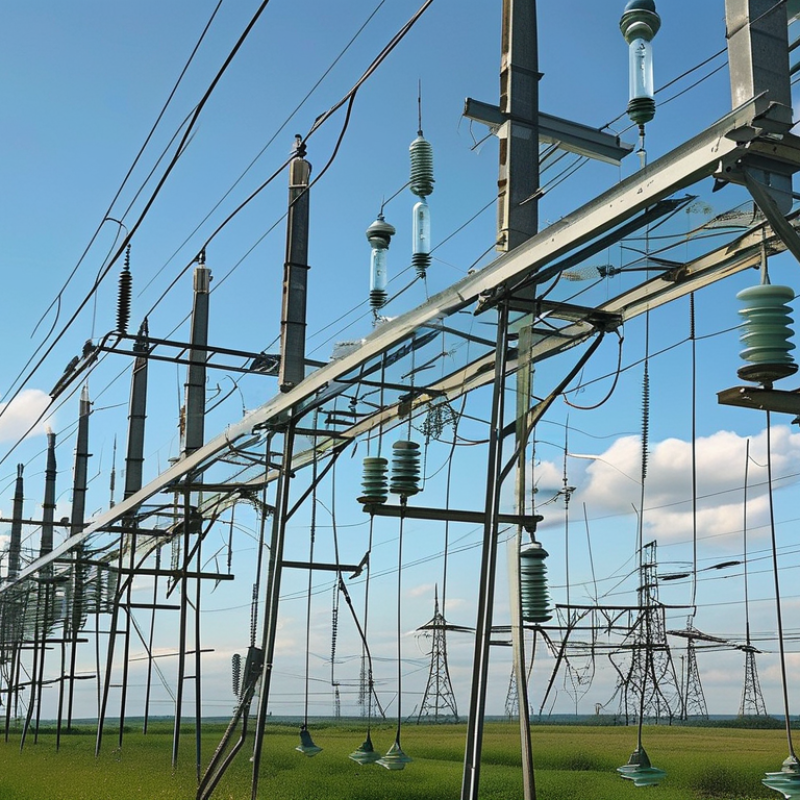
Understanding the Different Types of Glass Insulators Available
When selecting the right glass insulator, understanding the various types available is key. Glass insulators come in a variety of shapes, colors, and functionalities. Common types include suspension insulators, PIN INSULATORs, and strain insulators. Each type serves specific purposes, which can greatly influence your decision.
Choosing the best insulator requires careful consideration. Look for one made from high-quality glass. This ensures durability and effectiveness in insulation. Pay attention to the design, as certain shapes are more suited to particular settings. Some designs may not hold up well against harsh weather conditions. Weighing aesthetics and functionality is crucial.
Consider the application of the insulator as well. If it's for a decorative purpose, color and style may take precedence. For utility functions, prioritize longevity and reliability. Don't overlook the importance of installation requirements. Some insulators are easier to install than others, which can save you time and effort.
Assessing the Voltage Requirements for Your Applications
When selecting glass insulators, voltage requirements are crucial. Different applications demand different voltage levels. For instance, low-voltage applications might require less robust insulators than those designed for high-voltage environments. Ensure you understand your specific voltage needs before making a selection.
Voltage ratings are essential in preventing failure. A mismatch can lead to insulation breakdown or arcing. Always consider factors like operational environment and load factors. They can impact performance significantly.
Pay attention to the manufacturer’s specifications, which often detail the maximum voltage an insulator can safely handle.
Conducting thorough research can help avoid costly mistakes. An insulator rated too low can compromise equipment. Always cross-reference your application details with insulator specifications. If uncertain, seek expert advice.
This can guide you to make informed choices that align with safety standards. Remember, an informed choice can enhance reliability and longevity in your electrical systems.
Evaluating Environmental Conditions and Their Impact on Performance
When selecting glass insulators, environmental conditions play a crucial role in their performance. Factors such as temperature, humidity, and exposure to UV light can significantly affect longevity and functionality. High humidity levels can lead to moisture accumulation, compromising insulation effectiveness. Similarly, extreme temperatures can cause materials to expand or contract, leading to potential fractures.
In coastal areas, salt spray may degrade insulators over time. This environmental factor should not be overlooked, as high salinity can cause chemical reactions that weaken the glass. Heavy industrial areas may present their own challenges, like pollutants that can affect the surface. Consideration of local weather patterns is vital for optimal performance and durability.
Understanding these conditions requires careful analysis and expertise. Not every glass insulator will be suitable for every environment, and mismatches can lead to premature failures. Each decision should reflect a balance between durability and specific environmental threats. Collecting data and observing performance over time can provide insights for future selections. Trusting only established insights will guide you toward making better choices.
Examining the Aesthetic Aspects of Glass Insulators
When considering glass insulators, aesthetics play a crucial role. The beauty of these insulators can enhance any space, whether indoors or outdoors. Their vibrant colors and unique shapes provide visual interest. You can find colors from deep emerald green to clear, allowing customization for various settings.
Glass insulators often exhibit a vintage charm. Their historical context can be a conversation starter. These pieces are not only functional; they serve as art. However, not all insulators are perfect. Some may have surface imperfections or slight bubbles, reflecting their handmade nature. These quirks add character but can detract from uniformity.
Additionally, the display of glass insulators can influence their impact. Grouping multiple insulators adds depth to an arrangement. However, be mindful of the overall color scheme. Too many contrasting colors may clash. Instead, aim for a harmonious blend. This attention to detail can elevate the aesthetic while maintaining a cohesive look throughout your collection.
Reviewing Brand Reputation and Customer Feedback
When choosing glass insulators, brand reputation plays a crucial role. Well-established brands often have customer trust built over years. Their long-standing presence in the market indicates reliability and consistency. Many customers share their experiences online. Look for reviews that highlight both strengths and weaknesses. This can lead to valuable insights.
Customer feedback is essential for evaluating performance. Positive reviews often mention durability and aesthetic appeal. Some customers may have encountered issues with specific models. Pay attention to these details. They can guide your decision-making process. Look for patterns in feedback, such as repeated mentions of performance or particular flaws. It shows the insulator's consistency in real-world applications. Engaging in forums where enthusiasts discuss their experiences may reveal deeper insights, helping you avoid pitfalls.
Top 10 Tips for Choosing the Best Glass Insulator
Identifying Cost Considerations and Budget Constraints
When selecting a glass insulator, cost considerations play a crucial role. Prices vary based on material quality and design. It’s essential to assess your budget before making a choice. Higher-quality insulators often offer better durability and performance. However, they can stretch the budget if not planned carefully.
One must weigh the long-term benefits against immediate costs. Cheaper insulators might need frequent replacements, escalating overall expenses. Understanding how much you're willing to invest will guide your decision-making process. Look into local suppliers and online options. Each source may present different pricing and shipping costs, impacting your final selection.
Be mindful that the market can be unpredictable. Prices might change due to demand fluctuations. Keeping an eye on seasonal sales could offer savings. Balancing cost and quality remains challenging but necessary. Reflect on what features matter most for your project while staying within budget.
Exploring Installation and Maintenance Requirements for Glass Insulators
When it comes to glass insulators, installation and maintenance requirements play a crucial role in ensuring their long-term performance. Proper installation involves securing the insulators to poles without over-tightening. This prevents stress fractures and optimizes performance under load, which is vital as improperly installed glass insulators can cause serious failures. A study conducted by the American Electric Power Research Institute indicates that over 30% of insulator failures stem from improper installation techniques.
Maintenance procedures are equally important. Regular inspections are recommended to identify signs of wear or damage. An analysis from the Institute of Electrical and Electronics Engineers suggests that a routine check every two years can extend the lifespan of glass insulators significantly. Cleaning the surfaces to remove pollutants can further enhance performance. However, it is essential to use appropriate methods to avoid scratches. Many maintainers overlook this detail, leading to compromised insulator integrity.
Weather conditions also influence maintenance schedules. For instance, areas with heavy snowfall may require more frequent inspections. Adjusting maintenance practices according to local environmental factors is often a reflection of a deeper understanding of insulator behavior. Inadequate maintenance can often lead to unforeseen complications, highlighting the need for education in this field. Balancing routine checks with environmental conditions ensures optimal functioning without incurring additional costs.
FAQS
: Common types include suspension insulators, pin insulators, and strain insulators. Each serves a specific purpose.
Look for insulators made from high-quality glass. Durability and effectiveness depend on this aspect.
Consider the design and shape. Some may not withstand harsh weather conditions, affecting their functionality.
Different applications have different voltage needs. Mismatched voltage can lead to insulation breakdown or arcing.
Operational environment and load factors can significantly impact an insulator's performance. Always verify these details.
Customer reviews provide insights into durability and aesthetic appeal. Look for both strengths and weaknesses in feedback.
Conduct thorough research and seek expert advice. This ensures compliance with safety standards and reliable performance.
It depends on the application. For decorative purposes, aesthetics may matter more. For utility functions, focus on reliability.
Some insulators are easier to install. Choosing one that fits your skill level can save time and effort.
Engaging in forums can reveal common pitfalls and success stories. This helps make an informed choice.
Conclusion
When choosing the best glass insulator, it's essential to understand the different types available, as each serves unique functions and applications. Assessing voltage requirements is crucial, as this dictates the appropriate insulator selection for optimal performance. Environmental conditions, such as exposure to weather and pollutants, significantly impact durability and efficiency, making it necessary to evaluate these factors in your decision-making process.
Additionally, the aesthetic appeal of glass insulators can enhance the visual aspect of installations, while brand reputation and customer feedback provide insights into reliability and performance. Cost considerations and budget constraints are also critical, as they dictate choices within your available resources. Finally, understanding the installation and maintenance requirements ensures long-term functionality and effectiveness of your glass insulator. By considering these factors holistically, you can make an informed choice that meets your specific needs.