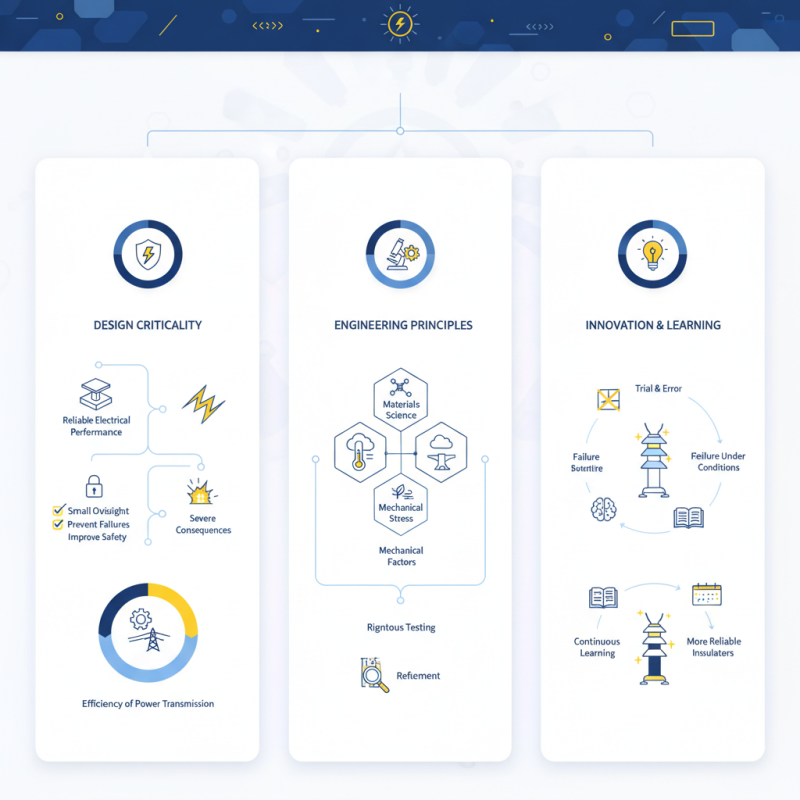
When it comes to high voltage insulators, their design really matters a lot for keeping things running smoothly and safely. A well-thought-out insulator can actually prevent a lot of problems down the line—failures, safety hazards, you name it. Companies like InsulTech are always pushing to make products that can handle tough environments, which isn’t always easy.
Designing these insulators isn’t just about putting some materials together; it involves a mix of science, engineering, and a good dash of practical know-how. Factors like how hot it gets, humidity levels, and mechanical stresses all play a role. Skip over even one tiny detail, and things could go south pretty quickly. Since insulators directly affect the efficiency of power transmission, getting them right really counts.
Innovation, of course, is a huge part of the game here. But let’s be honest—finding the perfect design is often a bit of trial and error. Some insulators might not perform well under certain conditions, which just proves how important thorough testing and continuous tweaks are. Learning from past mistakes and successes helps designers get better and better at making insulators that just work more reliably in the long run.
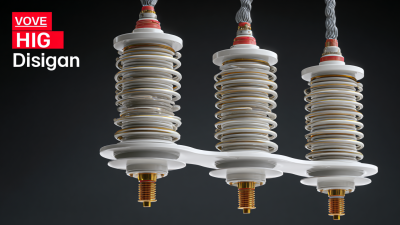
High voltage insulator design plays a crucial role in ensuring reliable electrical transmission. Various factors come into play, including material selection, environmental conditions, and mechanical strength. Insulators must resist electricity while enduring harsh weather elements. They are often exposed to pollution, moisture, and UV radiation. Failure to account for these factors can lead to premature insulation breakdown.
Material choice can heavily influence performance. Common materials include ceramic, glass, and polymer. Each has strengths and weaknesses. For instance, ceramic insulators can withstand extreme temperatures, but may be brittle. On the other hand, polymer insulators are lightweight and flexible, yet they may degrade faster under intense sunlight. Engineers need to weigh these attributes carefully.
Mechanical strength is equally important. Insulators must withstand tension and compression. Mounting designs should ensure stability under stress. Inadequate support can lead to failure under load. This highlights the importance of iterative testing and real-world assessments. It's essential to reflect on past designs and address any unexpected issues. Insulator design is an evolving field, requiring ongoing learning and adaptation.
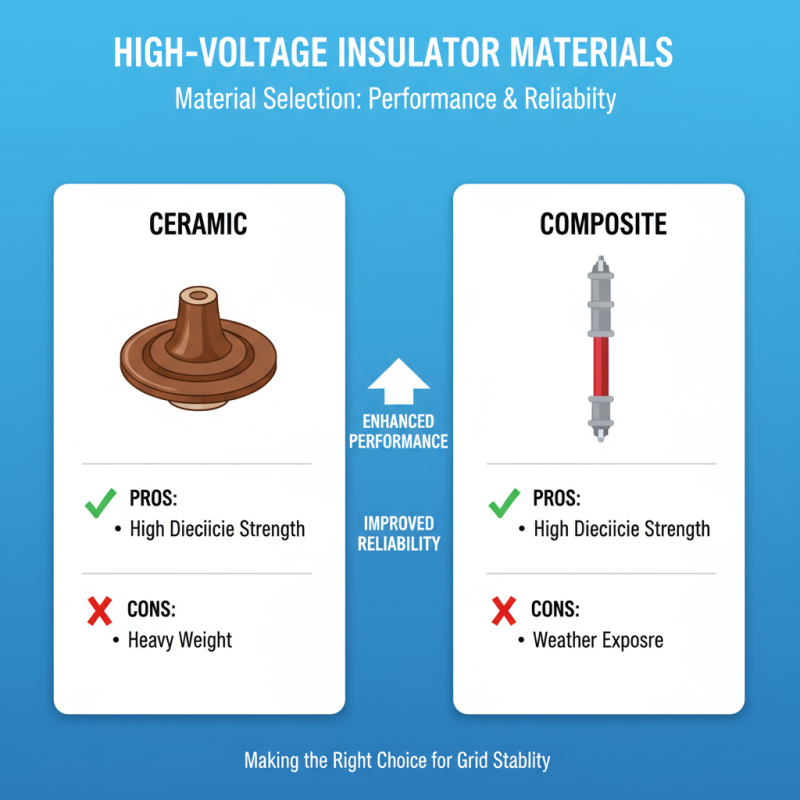
When designing high voltage insulators, material selection plays a critical role. The right materials enhance performance and reliability. For instance, ceramic and composite materials are often preferred due to their impressive dielectric strength. However, each material has its pros and cons. Ceramic insulators can be heavy, while composites may weather poorly in harsh conditions.
Consider these tips for optimal performance. Test materials for their resistance to environmental factors. Factors like UV exposure, temperature fluctuations, and pollution can degrade insulators over time. Conducting real-world tests is essential. It ensures that all materials can withstand stress from electrical and mechanical loads.
Think about the manufacturing process too. Some materials are easier to work with, leading to fewer defects in production. Complex shapes may be harder to achieve with certain materials. It’s crucial to balance design and usability. Even a well-chosen material can fail if not processed correctly. Hence, reflecting on the entire design approach is vital for success.
Insulators play a crucial role in high voltage applications. They must withstand electrical stress and mechanical forces. Understanding the electrical and mechanical requirements is vital for effective insulator design.
Firstly, electrical insulation strength must be prioritized. The required dielectric strength contributes to preventing breakdown under voltage stress. Research shows that insulators should have a minimum dielectric strength of 30 kV/cm for optimal performance in most environments. This strength ensures reliability in varying conditions. It's important to remember that ambient temperature and humidity can affect performance.
Tip: Always test insulators under real-life conditions rather than in a controlled environment. This can reveal hidden weaknesses.
Mechanical requirements are equally important. Insulators must endure significant mechanical loads, especially in windy conditions. Studies indicate that insulators need to support more than double their rated load during severe weather. Choosing the right materials and design is critical to handle such forces.
Tip: Consider using composite materials for increased strength and reduced weight. This can improve performance and longevity.
When evaluating designs, reflect on potential failures under stress. Incorrect assumptions about material behavior may lead to vulnerabilities. Prioritize a robust testing phase to identify any flaws before implementation.
Designing high voltage insulators requires attention to various environmental conditions. Temperature fluctuations can cause materials to expand or contract, which affects the insulator's integrity and reliability. Selecting materials with appropriate thermal properties is crucial. Consider using ceramics, polymers, or composite materials tailored for specific thermal ranges.
Moisture and pollutants are constant challenges. Insulators in humid areas need hydrophobic surfaces. These surfaces minimize water retention and reduce tracking. For polluted environments, consider additional shielding or coatings. These enhancements can protect against contamination, improving long-term performance.
Overall, always test insulators in real-world conditions. Laboratory settings may not mimic actual exposure. Manufacturers can overlook aging effects too. Regular reviews of design choices will help refine the approach. Embrace feedback from field performances to drive improvements. Each insulator design can always be a bit better.
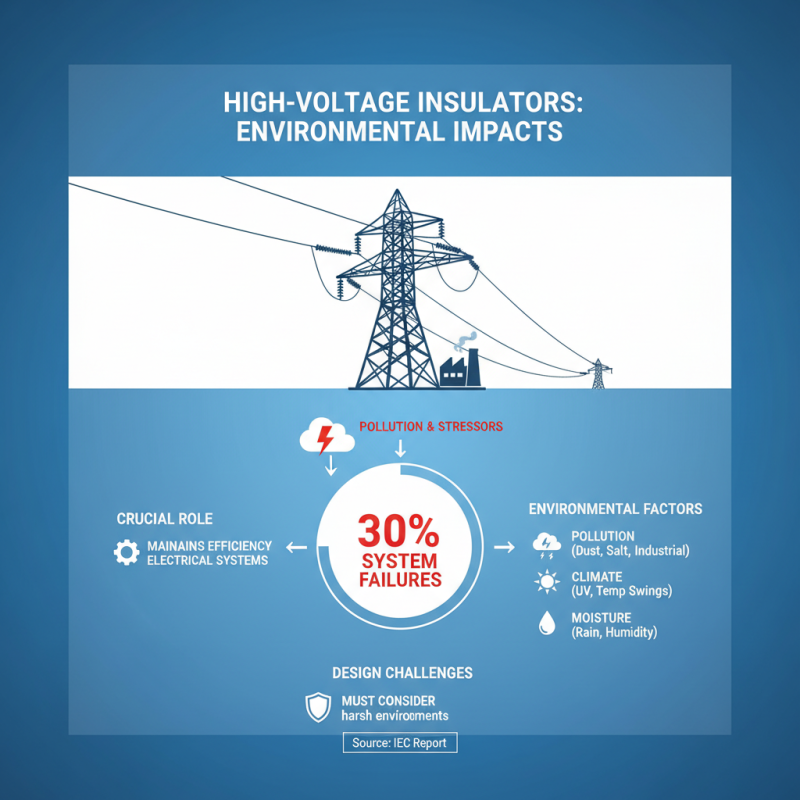
High voltage insulators play a crucial role in maintaining the efficiency of electrical systems. However, environmental factors can significantly impact their performance. A recent report from the International Electrotechnical Commission stated that pollution and environmental stressors contribute to up to 30% failure in insulator systems. The design approach must consider these challenges.
One essential strategy is selecting materials that resist environmental degradation. For instance, polymer insulators have shown improved performance in polluted areas. Research indicates that they provide better hydrophobicity and lower dryness breakdown rates. Regular monitoring is also vital. Studies show that insulators exposed to high pollution levels require inspection every six months. Ignoring this can lead to unexpected failures.
Combining design improvements with maintenance strategies can mitigate environmental impacts effectively. Enhanced surface treatments can help reduce dirt accumulation and moisture retention. However, achieving the right balance isn't always straightforward. Some treatments may not withstand extreme weather, leading to inadequate protection. Ultimately, addressing these complexities in insulator design is critical for sustaining optimal performance.
Testing high voltage insulators is crucial for ensuring reliability. Consistent testing procedures can prevent unexpected failures. Each insulator undergoes various tests to check for dielectric strength. This helps to confirm that they can withstand high voltages. The results should always be documented. Electronic testing devices can help streamline this process.
Quality control starts at the production stage. Materials used must meet specific criteria. Regular inspections are vital during the manufacturing process. Visual assessments can detect obvious defects. However, hidden flaws often go unnoticed. Relying solely on visual checks can lead to serious issues later on.
Many engineers overlook the importance of routine maintenance checks after installation. These checks can reveal wear and tear that develops over time. Addressing these issues promptly can greatly enhance an insulator's lifespan. Inspecting for cracks and contamination is essential. Yet, many firms do not allocate sufficient resources for this stage. This oversight can have serious consequences.
The future of high voltage insulator technology holds exciting possibilities. Innovations aim to improve performance and durability. Researchers are exploring advanced materials that enhance electrical insulation. Composite materials show promise due to their lightweight nature. They can withstand harsh environmental conditions effectively.
Additionally, smart technology integration is becoming crucial. Insulators equipped with sensors can monitor conditions in real time. This real-time data helps predict failures and ensures reliability. However, the integration process is complex and requires careful planning. Budget constraints often limit the implementation of these technologies.
Design approaches are shifting towards sustainability. Eco-friendly materials and efficient manufacturing processes are in focus. Yet, the challenge is balancing performance with environmental impact. As new ideas emerge, constant testing and reflection on product effectiveness remain essential. The race for optimal insulator design continues, with room for improvement and innovation.
| Design Parameter | Best Practices | Materials | Future Trends |
|---|---|---|---|
| Insulator Shape | Optimize contour for electric field distribution | Ceramic, Polymer | Smart insulators with embedded sensors |
| Creepage Distance | Increase distance in polluted environments | Composite materials | Use of nanotechnology for self-cleaning surfaces |
| Mechanical Strength | Ensure adequate load-bearing capacity | Glass Fiber Reinforced Polymer | High-strength composites |
| Thermal Stability | Select materials with high thermal resistance | Silicone rubber, EPDM | Temperature adaptive materials |
| Electrical Properties | Balance dielectric strength and insulation resistance | Polymeric blends | Development of high-K dielectrics |
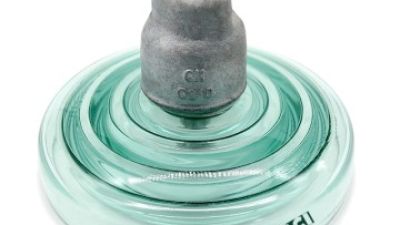
The 210 kN Anti Fog Toughened Suspension Tempered Glass Insulator represents a remarkable advancement in electrical insulator technology, specifically designed for high voltage lines. With a focus on durability and reliability, this insulator meets the stringent IEC standards, ensuring it can withstand harsh environmental conditions. Its toughened glass construction not only enhances strength but also provides exceptional resistance to pollution, making it ideal for installation in areas prone to contamination.
Engineered for performance, the 210 kN Anti Fog Insulator features superior thermal stability and resistance to breakage, which are critical for maintaining electrical performance over time. The anti-fog design minimizes the risk of moisture accumulation on the insulator’s surface, thus maintaining optimal insulator performance and ensuring safety in transmission lines. This innovative solution helps utility providers maintain reliable service, decreasing the need for frequent maintenance and replacements.
Incorporating such technologically advanced insulators ensures that power transmission networks remain resilient against weather extremes and environmental challenges. The combination of high voltage capability with anti-pollution features underscores a forward-thinking approach to electrical infrastructure, paving the way for more robust and sustainable energy solutions.
: Unclear goals can lead to confusion. Limited resources might hinder progress. Team dynamics can be difficult to manage.
Regular meetings help. Tools for collaboration are beneficial. Open dialogue fosters trust but needs to be intentional.
Realistic timelines matter. Account for possible delays and resource availability. Pressure can reduce quality and morale.
Address issues early. Encourage open discussions. Sometimes, mediation is needed, but it requires commitment from all parties.
Surveys can provide insights, but they must be designed well. Direct conversations can unveil hidden issues. Be open-minded.
Plans may need adjustments. Unexpected challenges often arise. Adapting quickly can prevent setbacks and keep motivation high.
High Voltage Insulator Design is crucial for ensuring the reliable operation of electrical transmission systems. This article outlines key considerations, starting with the importance of selecting the right materials that can withstand harsh environmental conditions while maintaining electrical integrity. It emphasizes the need to evaluate both electrical and mechanical requirements, ensuring that insulators can handle the stresses and operational demands they face.
Furthermore, practical design tips are provided to enhance insulator performance across various environments, alongside strategies for mitigating potential environmental impacts that could affect efficiency. The article also discusses essential testing and quality control procedures to ensure the durability and reliability of high voltage insulators. Finally, it highlights emerging trends in high voltage insulator technology, paving the way for innovative design approaches that will shape the future of electrical infrastructure.