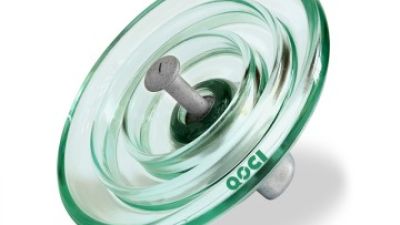
In today’s super competitive market, finding high-quality Toughened Glass isn’t just a nice-to-have—it’s actually essential for manufacturers and builders alike. I mean, the global market for toughened glass was worth around $70 billion in 2022, and it’s set to keep growing a lot more. That’s mainly because people are really putting more emphasis on safety AND looks when it comes to construction and cars.
Industry expert Dr. Michael Thompson puts it simply: “Picking the right supplier is key to making sure you get top-notch quality. Cutting corners on sourcing can actually be a safety nightmare.” So yeah, it’s not just about saving a few bucks—you really want partners you can trust to meet those international standards.
Now, jumping into the toughened glass game isn’t without its hurdles. One big challenge is dealing with different levels of quality from various suppliers. You really have to pay close attention to what the material’s properties are and how it performs. It’s a good idea to cherry-pick suppliers who have the right certifications—trust me, doing your homework here can save you a big headache down the line. In the fast-moving world of toughened glass, making smart, informed decisions is what sets successful companies apart in the long run.

Understanding Toughened Glass: Properties and Benefits
Toughened glass, also known as Tempered Glass, has become a popular choice for various applications due to its impressive properties. It withstands high temperatures and sudden impacts better than standard glass. This durability makes it a preferred option for structural projects, such as facades and skylights. The glass undergoes a heat treatment process, enhancing its strength and safety. When shattered, it breaks into small, blunt pieces, reducing the risk of injury.
To ensure you source quality toughened glass, consider the following tips. Evaluate suppliers based on their certifications and experience. A supplier's track record indicates their reliability in producing high-quality glass. Focus on understanding their manufacturing processes, as quality control measures play a vital role in the final product. Visit production facilities if possible; this provides insight into their operational standards.
It's also crucial to request sample products. Assess the finish, thickness, and overall quality. Not all suppliers maintain consistent production standards. Sometimes, even minor imperfections can significantly affect performance. Comparing samples from different suppliers can highlight variations. Be mindful of the dimensions required for your specific project. Sourcing toughened glass globally requires attention to detail. Prioritize safety and quality above all.
Key Global Markets for Sourcing Toughened Glass
When sourcing toughened glass, considering global markets is crucial. Each market offers unique advantages. For instance, Europe is known for its high-quality manufacturing standards. Asian markets, on the other hand, often provide cost-effective solutions.
Research is essential. Look for suppliers with a reputation for quality. Verify their certifications and manufacturing processes. Request samples before making decisions. This allows you to assess the glass's durability and clarity. Meet face-to-face if possible. Building trust will enhance your sourcing experience.
Don’t overlook emerging markets. They can be untapped sources of innovative products. But be cautious; quality control may vary. Be prepared to face challenges in logistics and communication. Adapting to different regulatory environments is also important. Each market has its nuances, and understanding them can lead to better sourcing choices.
Evaluating Manufacturers: What to Look For
When evaluating toughened glass manufacturers, focus on their certifications and quality assurance processes. Look for ISO certifications, especially ISO 9001, which demonstrates a commitment to quality management systems. Research reveals that 75% of manufacturers with such certifications maintain higher quality standards. This can significantly impact your sourcing decisions.
Investigate their production technology and equipment. Advanced manufacturing techniques often lead to better glass quality. Many leading manufacturers invest heavily in R&D to improve their product offerings. In a recent industry survey, 68% of companies reported that innovation gave them a competitive edge.
Additionally, assess their customer reviews and market reputation. Feedback from previous clients can provide insights into reliability and customer service. Industry reports highlight that 58% of sourcing issues stem from inadequate communication with suppliers. Establishing solid communication channels upfront can help mitigate these risks and ensure a smoother transaction process. Discrepancies in expectations and reality often arise when this step is overlooked.
Top Tips for Sourcing Quality Toughened Glass Globally
| Dimension | Detail | Importance | Recommended Action |
| Certifications | Check for ISO, ANSI, or local certifications. | Ensures product quality and compliance. | Request documents during evaluation. |
| Production Capacity | Assess the manufacturer’s output capabilities. | Indicates scalability for your needs. | Inquire about lead times and volume. |
| Quality Control Processes | Evaluate testing and inspection methods. | Critical for ensuring product reliability. | Ask for their quality assurance protocols. |
| Experience | Review years in business and projects. | Reflects expertise and reliability. | Check references from past clients. |
| Customer Reviews | Analyze feedback and ratings from previous customers. | Provides insight into customer satisfaction. | Look for trends in reviews. |
Quality Assurance: Standards for Toughened Glass
When sourcing quality toughened glass, it's essential to understand the standards that dictate its safety and performance. Different regions have varying requirements. Familiarizing yourself with local regulations and international standards is crucial. Always check if the product complies with ANSI Z97.1 or EN 12150-1 standards. This will ensure the glass meets essential safety requirements.
Tip 1: Request certification documents from your suppliers. These documents will verify the quality and safety of their toughened glass. A reputable supplier should have no problem providing this information.
Another pointer is to prioritize suppliers with a proven track record. Check their history and client testimonials. A supplier's experience can significantly affect the quality of their products. Visit production facilities whenever possible to inspect processes.
Tip 2: Quality control during manufacturing is vital. Investigate how manufacturers conduct tests for thermal stress and impact resistance. A transparent process ensures you receive toughened glass that won't fail under pressure. Poor manufacturing practices can lead to unexpected failures and liabilities.
Maintaining communication with suppliers is also critical. Discuss your specific requirements and ask questions about their quality assurance methods. This dialogue can unveil potential issues before they arise, ensuring that your sourcing decisions are informed and reliable.
Global Standards for Toughened Glass Quality Assurance
Sourcing Strategies: Direct Purchases vs. Distributors
When sourcing toughened glass globally, businesses face a crucial decision: direct purchases or working with distributors. Direct purchasing offers advantages, like lower costs and direct communication with manufacturers. Companies can negotiate better terms and ensure product quality firsthand. However, this method requires significant research and a clear understanding of logistical challenges. Understanding the local regulations in different countries can be overwhelming. Many companies struggle with this aspect, leading to costly mistakes.
On the other hand, utilizing distributors simplifies the process. Distributors often have established relationships and knowledge about regional markets. They handle shipping and can provide valuable insights into trends. It may seem easier, yet relying solely on third parties can create communication gaps. Businesses may find themselves disconnected from the production process. This can result in unforeseen quality issues and higher prices down the line.
Choosing the right strategy depends on specific needs and resources. Companies must weigh the benefits of direct engagement against the convenience of working with intermediaries. Ultimately, understanding both methods can empower businesses to make informed sourcing decisions. Exploring different avenues enhances the potential for finding quality toughened glass.
Cost Considerations: Budgeting for Toughened Glass Acquisition
When budgeting for toughened glass acquisition, consider various factors that can affect overall costs. According to industry reports, high-quality toughened glass can range from $25 to $75 per square meter. This wide range reflects differences in thickness, quality, and manufacturing techniques. For large-scale projects, these costs can accumulate significantly.
It's essential to prioritize quality when selecting suppliers. Tips for sourcing include evaluating the supplier's certifications and clientele. Ensure they adhere to strict industry standards. Reviews from previous clients can also offer valuable insights.
Shipping and handling won't be minor expenses. Industrial reports suggest that logistics can add an additional 20% to 30% to your total budget. Be mindful of potential tariffs and additional fees when importing from different countries. These costs can impact your bottom line more than expected.
Take into account installation and maintenance costs as well. Subpar installation can lead to higher future expenses. Therefore, invest in experienced installers familiar with toughened glass. Identifying hidden costs during initial budgeting can prevent overspending and project delays later on.
Logistics and Shipping: Ensuring Safe Delivery of Toughened Glass
Shipping toughened glass globally presents unique challenges. Fragility is a primary concern during transportation. Data suggests that around 30% of glass shipped can suffer damage if not properly packaged. Protective measures are essential. Reliable packaging must include cushioning materials and support structures to prevent any movement.
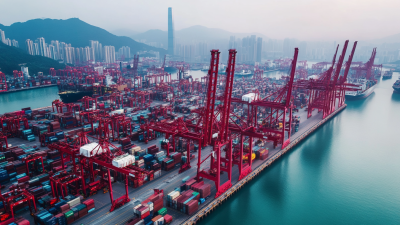
Up-to-date logistics solutions play a crucial role. Utilizing advanced tracking systems can enhance transparency. This ensures that stakeholders remain informed. Timely updates are important, as delays can cause significant losses. The logistics sector is known for its complexity. However, collaboration with experienced freight forwarders can mitigate risks. They offer insights into customs, regulations, and safe handling practices.
In the realm of global sourcing, understanding regional differences is vital. Some areas have strict regulations regarding packing materials. This can affect delivery options significantly. It’s essential to adapt to local practices. While planning shipments, always anticipate potential pitfalls. Every step in the logistics chain demands careful attention. This helps in reducing damage and maintaining product integrity. The road may not always be smooth, but informed decisions lead to better outcomes.
Exploring the Benefits and Applications of the 70kN High Voltage Glass Insulator CTV 254 for Electrical Safety
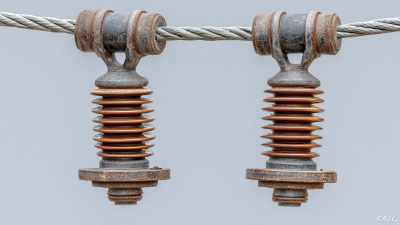
The 70kN High Voltage Glass Insulator CTV 254 is designed for high-voltage power transmission systems operating between 10 kV and 330 kV. With a diameter of 254 mm and a creepage distance of 320 mm, this insulator not only meets the stringent requirements of electrical safety but also provides exceptional durability in demanding environments. Its ability to withstand a minimum mechanical failing load of 70 kN makes it an ideal choice for ensuring the stability and reliability of electrical networks.
The CTV 254 has gained significant traction in the Algerian market due to its long-term reliability. Industry reports indicate that glass insulators can maintain excellent mechanical and electrical properties even after 30 years of operation. This longevity is crucial in high-voltage applications where insulators are subjected to various environmental stresses. The low maintenance requirements and superior performance characteristics of the CTV 254 contribute to reduced operational costs and increased efficiency in power transmission systems.
In an era where electrical safety and efficiency are paramount, the CTV 254 glass insulator emerges as a key component in modern power transmission infrastructure. Its design considerations, informed by industry best practices and engineering standards, ensure that it not only meets current demands but also anticipates future challenges in the ever-evolving energy landscape. As utilities continue to invest in robust infrastructure, the value of high-quality insulators like the CTV 254 cannot be overstated.
FAQS
: Consider market reputation, quality standards, and supplier certifications. Research thoroughly before making decisions.
Account for the price per square meter, shipping costs, and installation fees. Hidden costs can accumulate quickly.
High-quality toughened glass costs between $25 to $75 per square meter. Prices vary by thickness and quality.
Prioritizing quality helps prevent future expenses related to installation and product failure. Evaluate supplier reviews for insights.
Fragility during transport is a major concern. Proper packaging is necessary to prevent damage during delivery.
Use reliable packaging and tracking systems. Collaborating with experienced freight forwarders can mitigate risks.
Logistics can increase total costs by 20% to 30%. Be mindful of tariffs and unexpected fees.
Poor installation can lead to future repairs and higher costs. Invest in skilled installers for toughened glass.
They can offer innovative options, but quality control may vary. Understand local regulations before proceeding.
Different regions have strict rules that can affect packaging and logistics. Adapting to these regulations is crucial.
Conclusion
Sourcing quality toughened glass globally requires a comprehensive understanding of its properties and benefits, such as enhanced strength and safety features. Key global markets present various opportunities for procurement, and evaluating manufacturers is essential. Buyers should assess factors such as production capabilities and reputation to find reliable sources.
Quality assurance is paramount, with established standards ensuring the toughness and durability of products. When considering sourcing strategies, buyers need to decide between direct purchases and working with distributors, weighing the pros and cons of each method. Cost considerations play a significant role in budgeting for toughened glass acquisition, while logistics and shipping must be carefully planned to guarantee safe delivery. By following these guidelines, businesses can effectively navigate the global market for toughened glass.