When you're picking out 11kv Insulators, it’s really important to understand why they matter. These little devices might seem simple, but they actually play a huge role in your electrical systems. They help keep things safe and make sure power gets transmitted efficiently. You’ll find tons of companies offering all kinds of 11kv insulators, so honestly, choosing the right one can feel a bit overwhelming. It’s not just about grabbing the cheapest option either — you really need to know what you’re looking for and do some proper research.
A lot of buyers tend to overlook the specs on these insulators, which is a mistake. Sure, price is tempting, but quality can’t be ignored. Making the wrong choice could even lead to system failures, and nobody wants that! That’s why I put together this quick guide — to help you get a clear idea of the top ten 11kv insulators out there. We’ll look at the key features and highlight some of the most trusted brands.
Knowing what you actually need is super important, though. Different situations call for different types of insulators. Things like environmental conditions, electrical loads — all of these matter. Taking the time to understand what fits best for your setup can save you from costly mistakes down the line. If you spend a bit of time with this guide, your purchasing decisions will be way smarter, and you’ll end up with options that actually work for you.
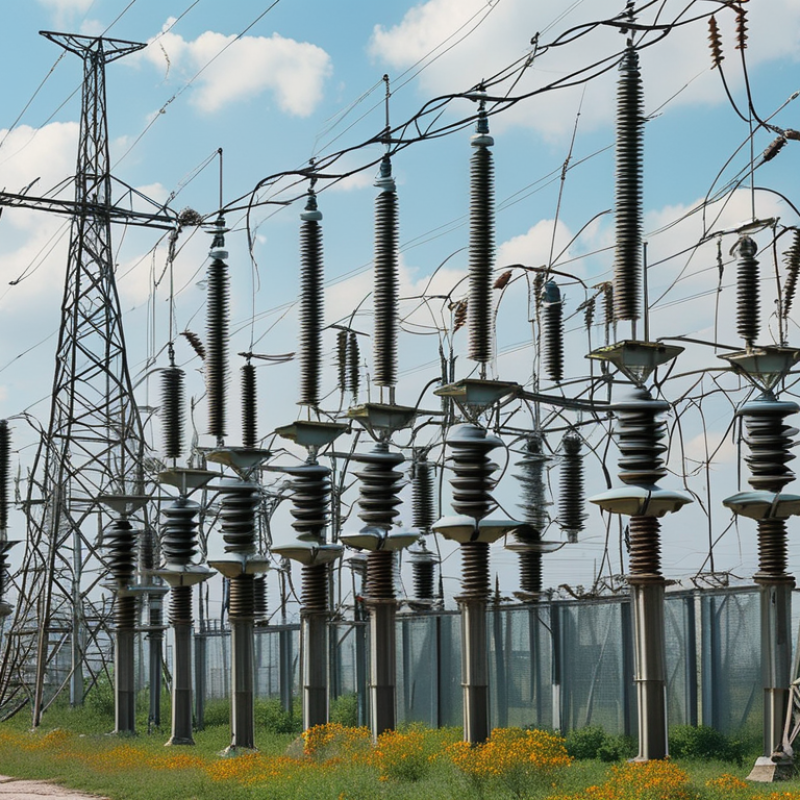
Factors to Consider When Purchasing 11kV Insulators
When selecting 11kV insulators, several factors come into play. It’s crucial to consider the environmental conditions where they will be used. For instance, pollution levels and humidity can severely impact insulator performance. According to a report from the International Electrotechnical Commission (IEC), insulator performance can degrade by up to 30% in highly polluted environments. Understanding these factors can help in choosing the right type of insulator.
Material type is another essential consideration. Ceramic and composite insulators offer different benefits. Ceramic insulators are known for their durability but are heavier. Composite materials, on the other hand, are lighter and more flexible. However, they can be susceptible to wear and tear. Always look for materials that provide the right balance of dielectric strength and mechanical durability.
Tips: Always check the manufacturer’s test reports for reliability. Performance ratings can vary widely. It’s advisable to seek insulators that meet the latest industry standards. Consult with a professional to direct you in the selection process. This will ensure optimal performance in your specific application. Make sure to consider the long-term maintenance and replacement costs too.
Types of 11kV Insulators Available in the Market
When exploring the types of 11kV insulators available in the market, it's important to consider various options. These insulators are critical for electrical systems. They help maintain the stability of power lines and protect against voltage surges. Most common types include porcelain, glass, and polymer insulators. Each type has unique benefits and challenges.
Porcelain insulators are known for their durability and resistance to environmental factors. They can withstand severe weather conditions. However, they are heavier and more prone to breakage compared to other types.
Glass insulators offer excellent insulating properties and are also less affected by UV exposure. Yet, their transparency can make them vulnerable to physical damage.
On the other hand, polymer insulators are lightweight and flexible. They have good performance in polluted environments. Still, their long-term durability under extreme conditions can be a concern.
When choosing an insulator, it's crucial to consider the specific application. The environmental setting also plays a significant role. Installation costs are often overlooked but can impact the overall project budget. Reliability is essential, yet many overlook the maintenance aspect of insulators in field conditions. Investing time in understanding these variables can lead to better choices in the long run.
Understanding the Importance of Insulator Ratings
Understanding insulator ratings is crucial for ensuring reliable electrical systems. Insulator ratings indicate their ability to withstand voltage levels, environmental factors, and wear over time. For example, an insulator rated for 11kV must safely manage that voltage under various conditions. According to industry research, insulator failures can cause significant operational interruptions and safety hazards, leading to costly downtime.
Choosing the right insulator involves assessing its electrical, thermal, and mechanical properties. Proper ratings help prevent breakdowns during peak loads and extreme weather. Reports show that failure rates decrease by 30% when the right insulators are selected based on their ratings and environmental compatibility.
**Tip:** Regular maintenance and inspection can extend insulator lifespans. Look for signs of wear or environmental damage. Even high-rated insulators can degrade over time, especially in harsh conditions.
In summary, understanding insulator ratings is vital for purchasing decisions. Insulator performance directly impacts system reliability. Be proactive in selecting and maintaining your equipment.
Top 10 11kV Insulators Buyers Guide You Need to Know
| Insulator Type | Material | Voltage Rating (kV) | Average Weight (kg) | Application |
| Disc Insulator | Porcelain | 11 | 3.5 | Transmission Lines |
| Pin Insulator | Glass | 11 | 2.0 | Distribution Lines |
| Suspension Insulator | Polymer | 11 | 5.0 | High Voltage Lines |
| Shackle Insulator | Porcelain | 11 | 1.5 | Cross Arms |
| Station Post Insulator | Polymer | 11 | 7.0 | Substations |
| Dead End Insulator | Glass | 11 | 6.0 | Termination Points |
| Long Rod Insulator | Porcelain | 11 | 4.0 | Transmission Lines |
| Composite Insulator | Polymer | 11 | 2.5 | Flexible Applications |
| Post Insulator | Porcelain | 11 | 3.0 | Utility Poles |
| Cross Arm Insulator | Glass | 11 | 2.0 | Support Structures |
Quality Assurance Standards for 11kV Insulators
When selecting 11kV insulators, understanding quality assurance standards is crucial. These standards ensure that insulators perform reliably in various environmental conditions. Testing parameters typically include mechanical strength, resistivity, and longevity. Each insulator should pass rigorous assessments to guarantee safety and efficiency.
Manufacturers must adhere to specific certification requirements. These often involve third-party inspections and routine testing. Regular evaluations help identify deviations from quality norms. A single failure in an insulator can lead to significant service interruptions. This aspect of quality assurance must not be overlooked.
Awareness of the materials used in insulator production is essential. Glass and porcelain are commonly utilized, each with distinct properties. Manufacturers may not always disclose the specifics of their processes. Transparency in production can directly impact the insulator's reliability and life span. Buyers should feel empowered to ask for detailed information during the selection process.
Cost Analysis: Budgeting for 11kV Insulator Procurement
When budgeting for 11kV insulator procurement, it's essential to consider various factors. The initial cost is only a part of the equation. Installation, maintenance, and lifespan quality significantly impact the overall spending. Research shows that durable insulators can reduce long-term costs by minimizing replacements and repairs. This approach demands a thorough analysis of different insulator types.
Tips: Always consult with experts before making decisions. Their insights can guide you towards the most cost-effective solutions. Consider operational conditions, as they affect insulator performance. Selecting the right materials can enhance longevity and reliability. Trustworthy suppliers often provide warranties. This reassurance can lead to future savings.
Track down hidden costs as well. Often, these may include shipping fees or installation challenges. Assessing all potential expenses is crucial for accurate budgeting. Seek multiple quotes for comparisons and avoid unexpected spikes in costs. Re-evaluating your choices periodically ensures your procurement stays aligned with budgetary goals.
Vendor Selection Criteria for 11kV Insulators
When selecting vendors for 11kV insulators, consider several essential criteria. First, assess the vendor's experience in producing high-voltage insulators. A company with over a decade in the market often shows better reliability. Reports indicate that companies with extensive experience reduce failure rates by approximately 30%.
Next, evaluate their manufacturing capabilities. Advanced technology and a solid quality assurance process are vital. Data suggests that insulators produced with automated systems have a lower defect ratio. Look for vendors using state-of-the-art materials, which ensure durability under various environmental conditions. Additionally, compliance with international standards is crucial for safety and effectiveness.
Another factor is customer support and service. Vendors offering robust after-sales support can significantly impact operational efficiency. Poor customer service can lead to delays in obtaining replacement parts or technical assistance. It’s essential to establish a relationship based on clear communication and trust.
Many industries report that issues often arise due to a lack of solid vendor relationships. Taking your time with vendor selection ultimately pays off in reliability and performance over time.
Common Mistakes to Avoid When Buying 11kV Insulators
When purchasing 11kV insulators, avoiding common mistakes is crucial. One significant oversight is neglecting to assess environmental conditions. Insulators must withstand humidity, temperature fluctuations, and pollution. According to a report by the International Electrotechnical Commission, environmental stress can reduce insulator lifespan by 30%. Failing to consider these factors can lead to costly replacements.
Another mistake arises from skipping material analysis. Many buyers overlook the importance of insulator materials. Porcelain, glass, and polymer options each have unique properties. For example, polymer insulators are lightweight and provide excellent performance in polluted environments. In contrast, porcelain insulators offer high mechanical strength but can be more prone to cracking under severe conditions. Understanding material advantages and drawbacks helps in making informed choices.
Lastly, buyers should not underestimate the importance of insulation rating. An incorrect rating can lead to insulation failure, resulting in power outages. Studies show that insulator performance drops significantly when used outside their rated voltage. Buyers must ensure that the selected insulator meets their system voltage requirements. Paying attention to these details can enhance reliability and performance in electrical systems.
11kV Insulators Purchase Insights
FAQS
: The common types include porcelain, glass, and polymer insulators. Each has unique benefits and drawbacks.
Environmental factors like humidity and temperature can reduce insulator lifespan by 30%. This influences your insulator choice significantly.
Installation costs can impact your overall budget. Hidden fees like shipping and installation challenges often arise.
Material properties vary; for instance, porcelain is strong but heavy, while polymer is lightweight and suited for pollution.
An incorrect insulation rating can lead to failures. Ensure the chosen insulator meets your system's voltage requirements for reliability.
Buyers often neglect environmental conditions, skip material analysis, and underestimate insulation ratings, leading to performance issues.
Analyze all costs, including maintenance and lifespan. Consult experts for insights and seek multiple quotes to avoid surprises.
Warranties from suppliers can provide reassurance and potential savings in future repairs or replacements.
Yes, while they are flexible and lightweight, their long-term durability under extreme conditions can be a concern.
Yes, periodically re-evaluating your choices helps ensure alignment with budget goals and improves decision-making.
Conclusion
When purchasing 11kV insulators, several critical factors must be considered to ensure proper selection and installation. Buyers should evaluate the different types of 11kV insulators available in the market, as well as understand their ratings which are essential for performance reliability. Quality assurance standards play a crucial role in guaranteeing the durability and efficiency of these components.
Performing a thorough cost analysis is necessary for budgeting, alongside establishing clear vendor selection criteria to find trustworthy suppliers. Additionally, buyers should be aware of common mistakes often made during the procurement process to avoid costly errors. By keeping these factors in mind, one can make informed decisions that lead to successful acquisitions of 11kV insulators.