Leave Your Message
0%

The China Top 10 Green Glass Electrical Insulator Manufacturers offer some useful insights into how China's glass-insulator industry is changing. These companies mainly supply transmission lines, substations, and railway electrification projects. Their products need to handle a lot—think pollution, lightning strikes, mechanical tension, and sudden temperature swings. And let’s be real — just having a bright green surface doesn’t automatically mean they’re environmentally friendly.

This guide compares these manufacturers based on several measurable factors. We look at things like the glass composition, how much energy is used during manufacturing, consistency in production, evidence from type tests, experience in exporting, and their support after sales. It also takes into account how much recycled material they use and efforts to reduce packaging. At the end of the day, reliability in the field matters way more than fancy brochures. Small flaws like a chipped skirt, uneven glaze, or flimsy metal fittings can lead to costly maintenance headaches down the line.

As glass scientist George W. Scherer once said, “Glass is a material that is out of equilibrium.” That kind of insight reminds us why proper thermal treatment and rigorous quality control are so crucial. Green glass Insulators need carefully controlled cooling, thorough inspections, and solid hardware assembly. Leading manufacturers should be able to provide traceable batch info, detailed dimensional reports, and trusted lab test results. Independent verification still adds an extra layer of assurance.

Now, a quick word of caution about the word “top.” Rankings can really change depending on the project size, regional approval standards, and how well the manufacturer performs in delivery. Some companies might shine in export markets, while others are more solid within domestic grid projects. That’s an important difference to keep in mind. So, think of the China Top 10 as a shortlist for your research, not a final, unquestionable ranking. Before jumping in, make sure to double-check current certifications, factory capacity, technical drawings, and actual project references. Even the most experienced teams can miss things like transport damage or tricky installation conditions—that’s why paying attention to details really matters.
China Top 10 Green Glass Electrical Insulator Manufacturers

What Green Glass Electrical Insulators Are and How They Work

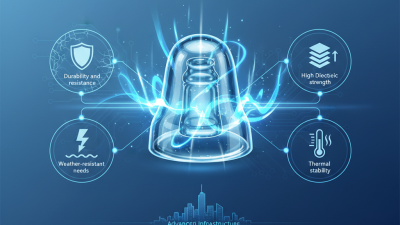
Green glass electrical insulators are usually toughened glass units with a green tint or surface treatment. The color may support visual identification, but it does not define electrical performance. Their main tasks are simple: carry mechanical loads and block current from reaching the tower.

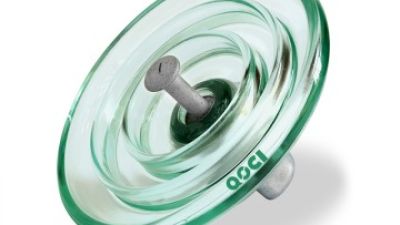
A typical suspension unit combines a glass disc, metal cap, and pin. Several units form a string between the conductor and grounded structure. Glass provides high dielectric strength, while the shaped underside lengthens the leakage path across wet or polluted surfaces. During field inspections, transparent glass can reveal cracks, punctures, or internal damage more clearly than opaque materials. That practical advantage matters.

The International Energy Agency reported that grid investment may need to exceed 600 billion US dollars annually by 2030. This expansion increases demand for dependable insulation systems, according to its 2023 Electricity Grids and Secure Energy Transitions report. IEC 60383-1 provides test requirements for overhead-line glass and ceramic insulators. Green color alone proves little. Factory testing still matters.

In service, rain, salt, dust, and sudden temperature changes can weaken surface performance. Toughened glass is designed to break into small granules after severe damage, reducing large falling fragments. Yet this is not perfect. Poor fittings or overlooked pollution can still cause flashover. Engineers should verify creepage distance, rated voltage, mechanical strength, and local climate before selection.

China Top 10 Green Glass Electrical Insulator Manufacturers - What Green Glass Electrical Insulators Are and How They Work

Green glass electrical insulators are commonly made from toughened soda-lime glass, with the green color typically associated with iron-oxide content in the glass. Their transparent, vitrified body provides electrical insulation, while the cap-and-pin structure transfers mechanical loads to overhead transmission lines.

Chart explanation: The chart shows the preferred nominal mechanical failing-load classes used for cap-and-pin suspension insulator units under IEC 60305. These standardized classes range from 40 kN to 300 kN. The values describe mechanical strength, not voltage rating; actual operating voltage depends on the insulator string design, dimensions, pollution conditions, and system requirements.

Key Standards for Evaluating Green Glass Insulator Manufacturers

Selecting a top-ten Chinese manufacturer requires more than comparing product photographs. Start with standards. Confirm compliance with IEC 60383, relevant ANSI requirements, and applicable grid specifications. Request type-test reports, routine-test records, and calibration certificates. Check dielectric strength, mechanical load, thermal shock, and pollution performance. Reports should identify test dates, laboratories, sample numbers, and acceptance criteria.

Tips: Visit the production line when possible. Inspect glass melting, forming, annealing, and visual inspection stages. Ask how defects are isolated and recorded. Review batch traceability from raw materials to final packaging. A polished catalogue is not proof. Verified data matters more.

Environmental performance also deserves careful review. Examine recycled glass content, furnace energy use, emissions controls, water management, and packaging materials. ISO 9001 and ISO 14001 certifications can support confidence, but certificates need current scope and verification. Ask for five-year quality trends, complaint handling records, and failure analysis procedures. Strong manufacturers explain corrective actions clearly. They do not hide weak results. No supplier is perfect. A small documentation gap may reveal a larger process problem, or simply poor recordkeeping. Evaluation should consider service life, transport damage, installation guidance, and end-of-life recyclability. Cost alone can mislead. Reliability is measured in the field.

How the Top 10 Manufacturers Compare by Products and Capabilities

China Top 10 Green Glass Electrical Insulator Manufacturers

The leading ten manufacturers differ mainly in product depth and engineering capacity. Most produce toughened glass suspension insulators for transmission and distribution lines. Stronger suppliers also offer pin, post, railway, and substation designs. Their product ranges reveal more than factory size.

A practical comparison should examine voltage classes, mechanical load ratings, creepage distances, and fitting options. Several manufacturers support custom hardware and export packaging. Others focus on high-volume standard models. Advanced factories use automated forming, controlled tempering, and optical inspection. They also test puncture resistance, thermal shock, and zinc sleeve adhesion. ISO 9001 systems help, but certificates alone prove little. Independent laboratory reports and traceable batch records provide stronger evidence. Glass is recyclable, yet transport weight and packaging still affect environmental performance. That detail is easy to overlook.

Tips: Request recent test reports, not only catalog sheets. Compare warranty terms, spare fittings, inspection access, and delivery consistency. Ask whether each unit carries a traceable production code. A factory visit can reveal cleanliness, calibration habits, and worker training. Do not judge capability from product photos. They can look impressive.

No ranking is absolute. A supplier with fewer models may engineer better high-voltage solutions. Another may deliver faster but offer limited customization. My own assessment would combine laboratory results, field feedback, and several completed orders. Even then, weather exposure and installation quality can change outcomes. That uncertainty deserves attention.

Manufacturing Processes and Technologies Used by Leading Companies

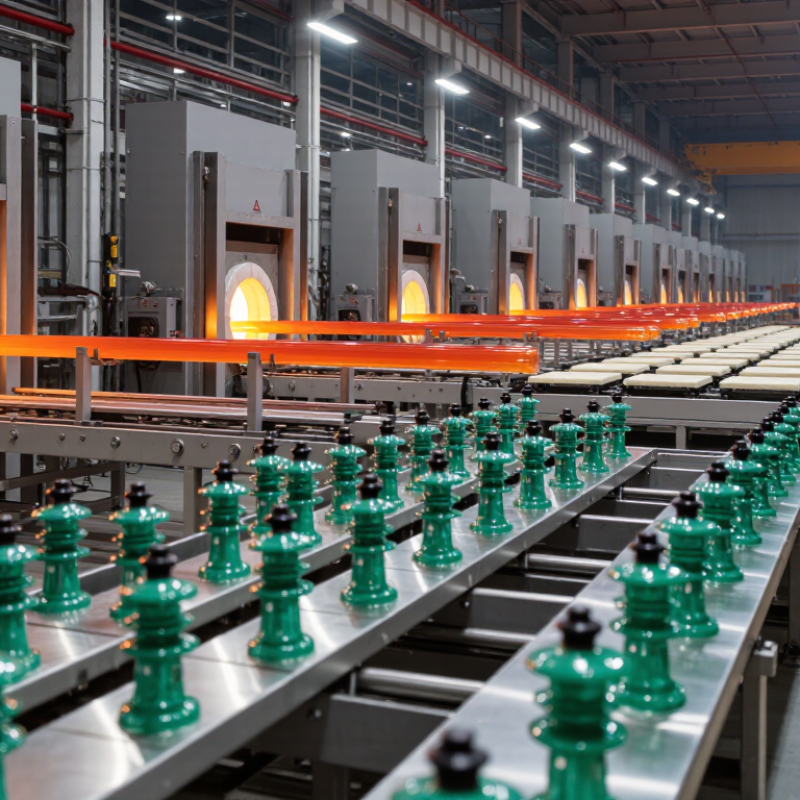
China’s leading green glass electrical insulator manufacturers combine traditional glassmaking with tightly controlled automation. Production begins with measured silica, soda ash, limestone, alumina, and recycled glass cullet. Computerized batching reduces material variation and limits furnace waste. The mixture enters a high-temperature furnace, where sensors monitor temperature, viscosity, and fuel use continuously.

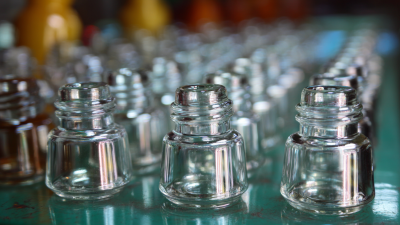
Molten glass is cut into precise gobs before entering steel molds. High-speed forming equipment creates the insulator profile, including sheds, grooves, and connection areas. The parts then pass through controlled annealing tunnels. This step removes internal stress and helps prevent sudden cracking during service. Some factories use electric or hybrid heating systems to reduce emissions, although energy savings are not always as large as expected. That result deserves closer measurement.

After annealing, automated cameras inspect surfaces for bubbles, stones, scratches, and dimensional errors. Robotic systems can also check cap alignment and cementing accuracy. Technicians still review unusual images because software may miss subtle defects. Manufacturers commonly perform mechanical load tests, thermal shock tests, and electrical withstand tests on sampled products. Digital records connect each batch with furnace conditions, inspection results, and raw material data. This traceability supports engineering reviews and more reliable quality decisions. Surface cleanliness remains critical. Even a small contaminant can weaken performance under wet, polluted conditions.

China Top 10 Green Glass Electrical Insulator Manufacturers - Manufacturing Processes and Technologies Used by Leading Companies

No. Anonymous Profile Primary Product Range Glass and Material System Forming and Machining Process Surface Treatment Thermal Process Key Electrical and Mechanical Tests Green Manufacturing Technologies Applicable Standards and Quality Controls
1 Profile 01 Suspension disc insulators; railway and transmission-line glass units Tempered soda-lime-silica glass with controlled alumina, calcium oxide and magnesium oxide content Press forming from molten glass; automated edge trimming, dimensional grinding and visual inspection Conductive or semiconductive glaze applied to selected fittings; no heavy-metal glaze preferred for green production Glass melting generally above 1,400°C; tempering by controlled air quenching after forming Power-frequency withstand, impulse withstand, mechanical tensile load, thermal shock, leakage and fracture inspection High cullet return to the furnace, regenerative or oxy-fuel melting, waste-heat recovery, closed-loop cooling water and dust filtration IEC 60383-1; GB/T 1001.1; batch traceability; automatic dimensional and surface-defect control
2 Profile 02 High-voltage suspension insulators for overhead power networks Toughened electrical-grade glass selected for high dielectric strength and controlled thermal expansion High-speed gob feeding, precision pressing, automatic annealing and CNC finishing of contact areas Localized protective coating or marking glaze; metal fittings assembled after glass inspection Continuous furnace melting followed by annealing and rapid tempering to create residual compressive stress Routine visual examination, proof load, puncture resistance, electrical type tests and temperature-cycle testing Variable-speed drives, furnace oxygen optimization, recycled process water, low-NOx burners and separated glass cullet streams IEC 60383 series; GB/T 1001.1; ISO 9001-based process control; calibrated test equipment
3 Profile 03 Line-post and station-post glass insulator assemblies Electrical glass with low alkali variation and controlled inclusions; galvanized steel or aluminum fittings Press-and-blow or precision pressing, followed by annealing, grinding and automated fitting alignment Water-repellent or pollution-resistant surface treatment used where specified by the installation environment Furnace temperature profile controlled by thermocouples; separate tempering stage for mechanical strength Cantilever or bending load, dry and wet power-frequency tests, impulse tests and dimensional verification Batch preheating, furnace insulation upgrades, regenerative burners, LED plant lighting and recyclable packaging IEC 60168 for post insulators; relevant GB/T requirements; incoming-material inspection and batch records
4 Profile 04 Medium-voltage distribution glass insulators and cutout components Toughened soda-lime electrical glass with optimized alkali content for outdoor service Automated pressing, controlled annealing, edge finishing and mechanical assembly using torque-controlled tools Colored identification glaze or weather-resistant coating applied only to designated surfaces Continuous melting and annealing; controlled air tempering to improve impact and thermal-shock resistance Dry and wet withstand, leakage-current checks, mechanical load, temperature cycling and visual defect grading Use of recycled glass, water recirculation, compressed-air leakage reduction and furnace exhaust heat utilization IEC 60383-1; IEC 61109 where applicable; GB/T 1001.1; statistical process control for critical dimensions
5 Profile 05 Railway catenary and traction-power glass insulators Tempered glass formulated for frequent thermal cycling, vibration and outdoor contamination Precision pressing with automated profile measurement, annealing, tempering and fitting installation Anti-pollution coating or hydrophobic treatment available for coastal, industrial and railway corridors Controlled melting and annealing with strict thermal uniformity; post-forming tempering by air blast Mechanical proof load, dielectric withstand, impulse, thermal shock, vibration and salt-fog or pollution tests Low-emission burners, cullet sorting, closed-loop cooling, powder-coating recovery and solvent-free coating options IEC 60383-1 and railway project specifications; GB/T product requirements; full lot traceability
6 Profile 06 Extra-high-voltage suspension glass insulator strings High-purity toughened glass with controlled internal stress and low inclusion level Large-format pressing, robotic handling, automated tempering and precision fitting assembly High-performance pollution-resistant coating applied when required for severe contamination zones High-capacity continuous furnace with automated temperature logging and rapid quench control Impulse withstand, power-frequency withstand, mechanical tensile strength, puncture and thermal-mechanical tests Regenerative furnace technology, high-cullet batch formulation, heat recovery, energy monitoring and low-waste robotic handling IEC 60383-1; IEC 62217 for polymeric accessories where used; GB/T 1001.1; type, sample and routine testing
7 Profile 07 Glass insulators for substations and switchgear support Electrical-grade glass with high dielectric uniformity and compatible metallic end fittings Precision press forming, automated annealing, grinding of interfaces and controlled torque assembly Protective identification glaze and optional hydrophobic surface treatment Stable furnace atmosphere and controlled annealing schedule; tempering selected according to component geometry Power-frequency, lightning impulse, mechanical bending, dimensional, thermal shock and surface-defect tests Furnace insulation improvement, automatic combustion control, cullet recycling, wastewater separation and recyclable steel fixtures IEC 60168; IEC 60273 where applicable; GB/T standards; first-piece approval and in-process inspection
8 Profile 08 Compact distribution-line and urban-grid glass insulators Toughened soda-lime-silica glass with formulation adjusted for compact profiles and outdoor exposure Automated gob loading, pressing, annealing, tempering and robotic packing Minimal localized glaze or weather-resistant coating to reduce material consumption Continuous furnace operation with automatic control of melting, annealing and quench stages Routine dielectric test, mechanical proof load, visual inspection, dimensional checks and thermal cycling Lightweight design, recycled cullet, automatic furnace control, water reuse and reduced packaging material IEC 60383-1; GB/T 1001.1; supplier qualification, lot sampling and calibration management
9 Profile 09 Pollution-resistant glass insulators for coastal and industrial environments Toughened electrical glass with surface chemistry selected for stable performance under contamination and humidity Precision pressing, automated tempering, profile measurement and controlled coating preparation Hydrophobic or RTV-based pollution-resistant coating; coating thickness and adhesion monitored Standard continuous glass melting and tempering; coating curing performed below the glass softening range Salt-fog, artificial pollution, wet withstand, impulse, mechanical load, coating adhesion and aging tests Water-based coating systems, overspray recovery, low-temperature curing, cullet recycling and wastewater treatment IEC 60507 for artificial pollution testing; IEC 60383-1; GB/T 1001.1; coating batch traceability
10 Profile 10 Special-purpose glass insulators and replacement components Custom electrical glass compositions selected for mechanical, dielectric and thermal requirements Small-batch precision pressing, controlled annealing, CNC finishing and manual or robotic assembly Application-specific identification, sealing or pollution-resistant treatment Recipe-based melting with documented annealing and tempering curves for each component family Design verification, dimensional inspection, dielectric withstand, mechanical load, thermal shock and visual examination Batch-size optimization, recycled cullet where composition permits, furnace heat recovery, digital production records and waste segregation Applicable IEC and GB/T product standards; customer drawings; inspection plans and certificate-of-conformance control
Data shown are anonymous industry manufacturing profiles based on commonly used glass-insulator processes, technologies and applicable international or Chinese standards. Exact formulations, production capacities and factory energy data vary by product design and plant configuration.

Quality Control, Testing, and Certification Requirements

China Top 10 Green Glass Electrical Insulator Manufacturers

Quality control begins with raw materials, not the final inspection. Manufacturers should verify silica purity, alumina content, moisture, and batch consistency before melting. Small chemistry changes can affect dielectric strength, transparency, and thermal-shock resistance.

IEC 60383-1 requires defined electrical, mechanical, and dimensional tests for glass insulators. Routine checks should include visual defects, leakage, hardware alignment, and mechanical load. Type testing should examine power-frequency withstand, impulse withstand, puncture resistance, and temperature cycling. The IEA reported in Electricity Grids and Secure Energy Transitions (2023) that global grid investment must nearly double by 2030. This increases pressure for stable, traceable insulator production. Testing cannot remain a paperwork exercise.

Certification should connect laboratory results with factory records. ISO Survey 2022 recorded more than 1.2 million ISO 9001 certificates worldwide, showing quality systems are widely adopted. Yet certification alone proves little without calibrated equipment and independent witness testing. A practical audit should follow one insulator from furnace batch to packing label. Salt-fog testing may also be necessary for coastal projects. The weak point is often traceability. A missing batch record can undermine otherwise excellent test results. Manufacturers should retain calibration certificates, test curves, nonconformance reports, and corrective-action evidence for each production lot.

Shortcuts may look efficient. They create expensive uncertainty.

Applications of Green Glass Insulators in Modern Power Systems

Green glass insulators support reliable electricity transmission and distribution in modern power systems. Their toughened glass bodies provide strong mechanical performance on overhead lines. The green tint can also improve visual recognition during inspections. Technicians can spot missing, damaged, or contaminated units more quickly from the ground.

In coastal and industrial areas, surface pollution may reduce insulation performance. Regular washing, infrared checks, and leakage-current monitoring help control this risk. Glass insulators also reveal damage clearly. A shattered unit usually becomes visible immediately, unlike some hidden internal failures in other materials. This supports safer maintenance planning and reduces unnecessary line shutdowns.

Substations use green glass insulators around busbars, disconnectors, and transformer connections. Their stable dimensions help maintain designed electrical clearances during changing weather. They tolerate sunlight, rain, and repeated temperature cycles when correctly selected. Still, color alone proves nothing. Engineers must verify creepage distance, voltage class, pollution level, and hardware strength. Field conditions are often messier than design tables suggest. Dust accumulates unevenly, and installation errors can weaken an otherwise dependable system. A careful inspection remains essential.

How to Select the Right Green Glass Insulator Manufacturer

How to Select the Right Green Glass Insulator Manufacturer

Selecting a green glass electrical insulator manufacturer requires more than comparing quotations. The IEA’s 2023 grid report estimates that over 80 million kilometres of power networks must be added or refurbished by 2040. This expansion increases demand for durable, traceable insulation products. Check whether the manufacturer follows IEC 60383-1 and maintains documented control over glass composition, tempering, and mechanical testing.

Ask for recent test reports, not attractive brochures. A reliable factory should provide puncture strength, thermal shock, porosity, and aging results from accredited laboratories. The manufacturer should also explain how it manages batch consistency. One uneven green glass disc can create installation delays. Small details matter, especially around cement joints, metal fittings, and surface defects.

Look closely at production evidence. Request factory audit records, calibration schedules, and sample traceability from furnace to shipment. Fortune Business Insights’ 2024 assessment places the global insulator market at approximately USD 13.52 billion in 2023, showing strong purchasing activity, but market growth does not guarantee quality. A lower price may reflect thinner inspection, weaker packaging, or limited technical support. That assumption can be wrong. Compare rejection rates, warranty terms, delivery history, and field references from similar voltage projects. Use independent verification before approving a large order.

70kN High-Voltage Glass Insulator CTV 254: Market Insights from MarketsandMarkets and IEC Reports

The 70 kN High-Voltage Glass Insulator CTV 254 reflects the growing emphasis on dependable transmission infrastructure identified in recent MarketsandMarkets analyses and IEC technical publications. As utilities expand, reinforce, and modernize high-voltage networks, insulators must combine strong mechanical performance with stable electrical characteristics under changing weather and pollution conditions. Designed for systems from 10 kV to 330 kV, the CTV 254 has a 254 mm diameter and a 320 mm creepage distance, supporting reliable insulation performance across demanding transmission environments.

Its minimum mechanical failing load of 70 kN provides an important safety margin for overhead line applications exposed to conductor tension, wind, vibration, and ice loading. IEC guidance on high-voltage insulators places particular importance on mechanical strength, insulation coordination, creepage distance, and long-term resistance to environmental stress. In this context, the CTV 254’s glass construction offers visual inspection advantages, since damage and deterioration can often be identified more readily during maintenance checks than with opaque materials.

The product is especially popular in Algeria, where high-voltage infrastructure must support reliable power delivery across diverse climatic regions. Field experience indicates that, even after approximately 30 years of service, the CTV 254 can retain excellent mechanical and electrical properties when correctly selected, installed, and maintained. Its combination of standardized dimensions, 70 kN strength, and durable glass performance makes it a practical option for network upgrades, replacement programs, and long-life transmission projects.

FAQS

What are green glass electrical insulators?

They are toughened glass units with a green tint or surface treatment. They support mechanical loads and block current from reaching grounded structures. A typical unit includes a glass disc, metal cap, and pin.

Does green color improve electrical performance?

Not necessarily. The color mainly supports visual identification. Performance depends on dielectric strength, design, testing, creepage distance, and fittings. Color alone proves little.

How do these insulators work on overhead lines?

Several units form a string between a conductor and a grounded tower. Glass resists electrical flow. The shaped underside lengthens the leakage path across wet or polluted surfaces. That path matters.

Why is glass useful during inspections?

Transparent glass can reveal cracks, punctures, and internal damage clearly. Toughened glass may break into small granules after severe damage. This can reduce large falling fragments. It is useful, but not perfect.

What conditions can weaken an insulator?

Rain, salt, dust, pollution, and sudden temperature changes can reduce surface performance. Poor fittings can create trouble. Overlooked pollution may cause flashover. Local climate must guide selection.

Which tests should buyers request?

Request visual, dimensional, mechanical, and electrical test results. Important checks include power-frequency withstand, impulse withstand, puncture resistance, and temperature cycling. Salt-fog testing may suit coastal projects. Request recent reports.

How can a buyer check manufacturing quality?

Review raw-material controls, glass composition records, tempering data, and batch consistency. Follow one unit from furnace batch to packing label. Request calibration certificates, test curves, nonconformance reports, and corrective-action evidence. Traceability is often the weak point.

How should manufacturers be compared?

Compare more than quotations. Check rejection rates, warranty terms, delivery history, packaging, and technical support. Ask for independent laboratory results and factory audit records. A lower price may hide thinner inspection. That assumption can be wrong.

Conclusion

This article presents a practical overview of Green Glass Electrical Insulators, explaining their structure, operating principles, and role in supporting reliable power transmission and distribution. It outlines the main standards used to evaluate manufacturers, including electrical performance, mechanical strength, weather resistance, dimensional accuracy, and environmental durability. The comparison of the top 10 manufacturers focuses on product ranges, production capacity, engineering expertise, customization options, and service capabilities without emphasizing specific brand names.

The article also examines modern manufacturing processes, such as glass forming, controlled heating, surface finishing, and automated inspection. It highlights the importance of quality control, routine testing, type testing, traceability, and recognized certification requirements. In addition, it describes applications in substations, overhead lines, renewable energy connections, and other modern power systems. Finally, it provides guidance on selecting a suitable manufacturer by considering technical specifications, operating conditions, delivery reliability, testing support, lifecycle value, and after-sales service.
Charlotte

Charlotte

Charlotte is a dedicated marketing professional at Jiangxi QOCI Electric Co. Ltd., a leading company founded in December 2002 and located in Jiangxi Province, China. With a profound expertise in glass insulators, Charlotte plays a pivotal role in showcasing the company’s innovative products and......
Previous How to Source Green Glass Electrical Insulators?