Leave Your Message
0%

Today’s world of electrical engineering wouldn’t be complete without talking about Ht Insulators—they’re really the unsung heroes when it comes to safety and keeping things running smoothly. Especially in high voltage setups, these insulators are absolutely essential; they protect both the equipment and the people working around them from dangerous electrical shocks or surges. Big names like Siemens, General Electric, and Prysmian are leading the way when it comes to developing the latest in Ht Insulator tech.

Honestly, getting your head around all the different types of Ht Insulators can be kinda overwhelming at first. There’s a whole mix of designs and materials out there, and each one sort of impacts how well they perform. Plus, not every insulator is perfect for every job—using the wrong one can lead to system hiccups or even failures. Because of that, choosing the right insulator isn’t just a side note; it’s a must.

As we look into what makes the top ten Ht Insulators stand out, it really shows how important they are in all sorts of applications. Some might work like a champ in one environment but struggle in another. It’s actually pretty exciting because it opens up opportunities for innovation—improving safety features, boosting durability, and just making the whole system more reliable down the line. A closer look really reveals that there’s always room for making things better—that’s what keeps the industry moving forward.
Top 10 Ht Insulators You Should Know About?

Overview of High-Temperature Insulators and Their Importance

Top 10 Ht Insulators You Should Know About?

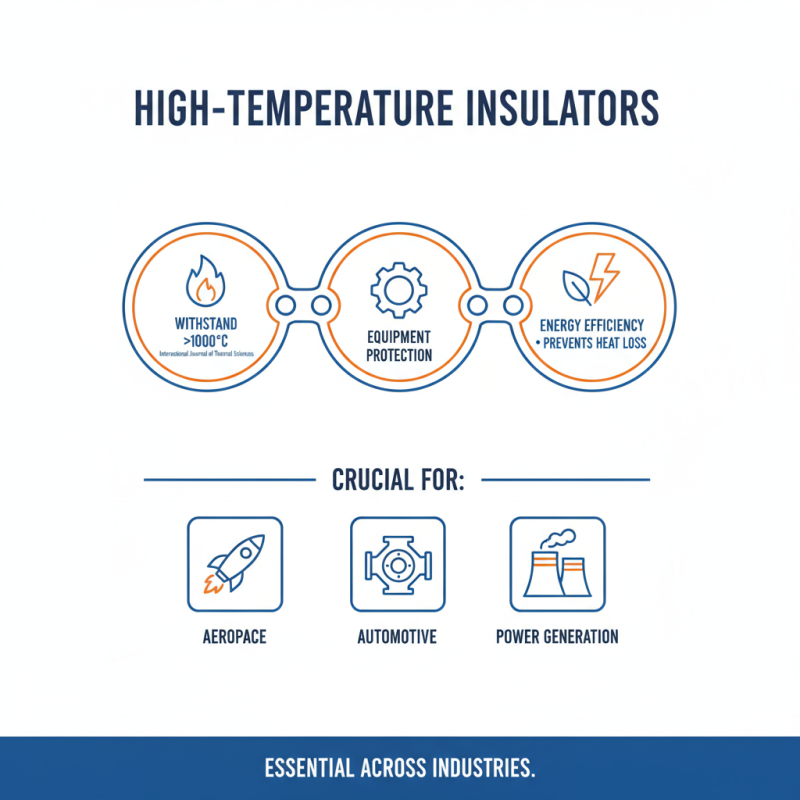
High-temperature insulators are essential in various industries. They help protect equipment and maintain energy efficiency. According to the International Journal of Thermal Sciences, materials can withstand temperatures exceeding 1,000°C. This capability is crucial for applications in aerospace, automotive, and power generation sectors. Proper insulation can prevent heat loss, thus saving significant energy.

The demand for high-temperature insulators continues to rise. A report by MarketsandMarkets highlights a projected growth rate of 7.5% from 2021 to 2026. Increased industrial activity drives this need. Yet, choosing the right materials can be challenging. Manufacturers face issues like environmental impact and material degradation over time. Tensile strength and thermal stability are often overlooked in the selection process.

Understanding the different types of high-temperature insulators is vital. Materials include ceramic, mineral wool, and fiberglass. Each has unique properties based on composition and construction. For instance, Ceramic Insulators provide excellent thermal resistance but can be brittle. The right choice impacts not just performance but long-term sustainability. This aspect requires deeper consideration as industries evolve.

Types of High-Temperature Insulators Used in Various Applications

High-temperature insulators are essential in various industries. They help manage heat in applications like aerospace, metallurgy, and power generation. A report from the International Journal of Thermal Sciences reveals that the demand for advanced insulating materials is growing by over 8% annually.

Ceramic-based insulators are popular for their thermal stability. They can withstand temperatures exceeding 1,600°C. In manufacturing, these insulators prevent heat loss. This enhances energy efficiency. However, they can be brittle, requiring careful handling and installation.

Another option is mineral wool insulation. It's widely used for industrial kilns and furnaces. Mineral wool can endure high temperatures up to 1,200°C. It offers excellent soundproofing as well. The drawback? It can absorb moisture, reducing effectiveness. Additionally, the environmental impact of production raises concerns. Many industries are now exploring sustainable alternatives, reflecting a need for innovation and improvement.

Top 10 High-Temperature Insulators

This bar chart illustrates the maximum operating temperatures of the top 10 high-temperature insulators used across various industries. Proper selection of insulators based on their temperature limits is crucial for efficiency and safety in high-temperature applications.

Key Materials Employed in Manufacturing High-Temperature Insulators

High-temperature insulators play a critical role in various industries, particularly in aerospace, automotive, and energy sectors. The materials used in their manufacturing demand careful selection to withstand extreme conditions. Common materials include ceramic fiber, microporous insulation, and aerogels. These substances are known for their thermal stability and low thermal conductivity.

For instance, ceramic fibers can endure temperatures exceeding 1,500°C. They are lightweight yet robust, perfect for applications requiring high-temperature resistance. Microporous insulation, with a typical thermal conductivity of less than 0.020 W/m·K, effectively limits heat transfer. Aerogels, often referred to as "frozen smoke," offer exceptional insulation properties with a silica content that delivers structural integrity.

Tip: When selecting high-temperature insulators, consider the specific temperature range and environment. Each material has unique strengths and weaknesses that might not suit every application.

Data from industry reports indicate that the market for high-temperature insulators is projected to reach $5 billion by 2025. Despite the advancements, many manufacturers still overlook the environmental impact of these materials during production. Addressing this issue could lead to more sustainable choices.

Tip: Always check for certifications related to sustainability when sourcing materials. This ensures compliance with evolving industry standards.

Performance Characteristics of Leading High-Temperature Insulators

High-temperature insulators play a crucial role in various industries such as aerospace, automotive, and energy production. Their unique properties make them indispensable for protecting sensitive components from extreme heat. Materials like ceramic fibers, aerogels, and certain composites are notable for their efficiency. Each type has distinct performance characteristics suited for specific applications.

Ceramic fibers, for instance, excel at handling temperatures above 1,000 degrees Celsius. They are lightweight and resistant to thermal shock. However, they can be brittle and may require careful handling. Aerogels are another excellent choice. They are not only lightweight but also offer low thermal conductivity. Nonetheless, their fragility can pose challenges in manufacturing processes.

Tip: When selecting an insulator, consider the operating temperature and mechanical stress it will face. It's essential to balance performance with durability. Choosing a high-temp insulator isn't just about heat resistance but also about its overall functionality in your environment.

Some insulators, despite their high-performance ratings, may struggle under specific conditions. Thermal stability can diminish over time with exposure to certain chemicals or moisture. Regularly assess the conditions in which the materials are used to ensure optimal performance.

Tip: Regular maintenance checks can identify issues before they lead to failure. Understanding the limitations of each material is just as important as knowing their strengths. This awareness helps in selecting the right insulator for your specific needs.

Innovations and Recent Developments in Insulator Technology

Innovations in high-temperature (Ht) insulator technology are transforming the industry. Recent developments focus on enhanced materials that withstand extreme conditions. Newer ceramics and polymers are being used more effectively. These materials not only resist high temperatures but also prevent electrical breakdown.

Some research emphasizes the use of nanotechnology. This expansion could allow for thinner, lighter insulators without compromising performance. However, challenges exist in production costs. The need for affordable solutions is crucial for widespread adoption.

Field tests reveal mixed results. Some insulators perform well under stress; others fail prematurely. Engineers must analyze these inconsistencies. A thorough understanding of the materials is vital. The progress in Ht insulation technology is promising but requires continuous refinement.

Applications of High-Temperature Insulators in Industry

Top 10 Ht Insulators You Should Know About?

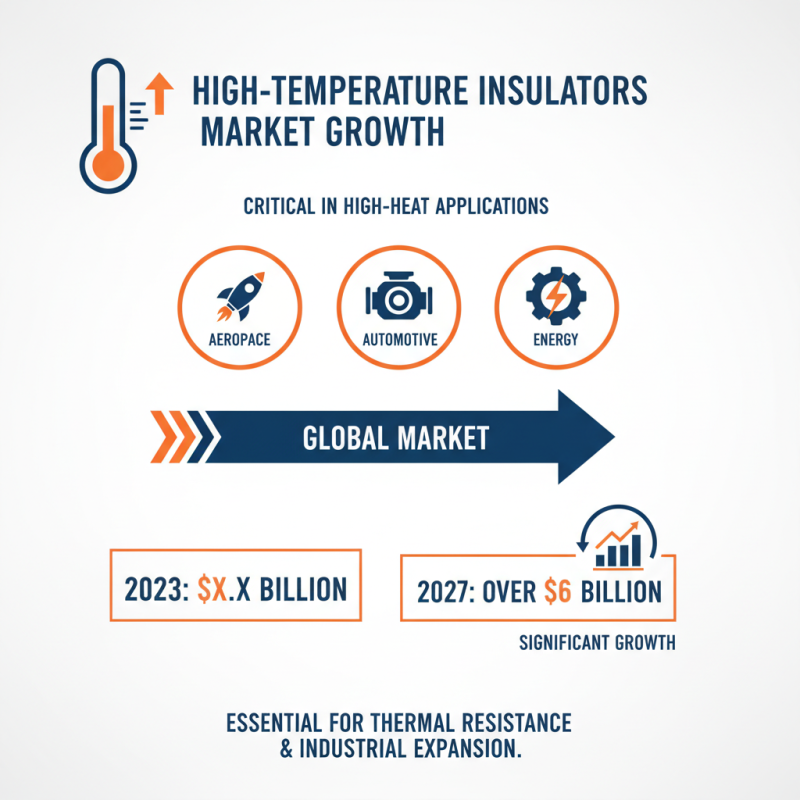
High-temperature insulators play a critical role in various industries. They are essential in applications where thermal resistance is crucial. Industries like aerospace, automotive, and energy often rely on these materials. According to the latest industry reports, the global market for high-temperature insulators is expected to grow significantly. It is projected to reach over $6 billion by 2027.

In aerospace, these insulators are vital for protecting components from extreme conditions. They help maintain safety margins in engine performance. However, designing insulators that balance weight and thermal resistance can be challenging. Engineers must consider various factors, such as material fatigue and heat transfer efficiency. In the automotive sector, electric vehicles heavily depend on high-temperature insulators. They enhance performance and reliability but can add complexity to manufacturing processes.

The energy sector also benefits from these materials. High-temperature insulators are used in power generation systems. Their ability to withstand harsh conditions improves efficiency. However, some insulators may degrade faster than anticipated in extreme environments. This can lead to unexpected maintenance costs. As industries evolve, the demand for innovative solutions in high-temperature insulation continues to rise.

Challenges and Considerations for Choosing High-Temperature Insulators

When selecting high-temperature insulators, there are important challenges to consider. First, temperature tolerance is key. Not all materials withstand extreme heat. Some break down or lose insulating properties. Durability against wear and tear is essential, especially in industrial settings.

Material costs can vary widely. Expensive options might provide higher performance, but are they necessary? Evaluate the specific requirements of your application. Sometimes, cost-effective alternatives can perform adequately.

**Tip:** Always test materials under real-world conditions. Lab results may not reflect actual performance.

Another factor is moisture resistance. High heat and humidity can weaken insulation. Look for options that can handle moisture without degrading. Compatibility with other materials is crucial too. Mixing certain insulators can create chemical reactions.

**Tip:** Conduct regular maintenance checks to spot issues early. Prevention saves future costs.

Also, consider the ease of installation. Some insulators are complex to fit; this can lead to errors. Inaccurate installation can negate benefits. Always train installation teams properly.

Ultimately, choosing the right high-temperature insulator requires careful consideration of these factors. Balancing performance, cost, and practicality is essential.

FAQS

: What is the purpose of the product?

: The product aims to enhance daily routines simply and effectively. It focuses on ease of use and convenience.

How do I use it?

Follow the user guide for basic instructions. Some users may find it a bit confusing at first.

Is there any maintenance required?

Yes, regular cleaning is recommended. Neglecting this may lead to reduced performance over time.

Can I use it outdoors?

It’s designed for indoor use primarily. Outdoor conditions might affect its efficiency and durability.

Are there safety precautions?

Always keep it away from water sources. Misuse can lead to accidents and potential harm.

What should I do if it malfunctions?

Check the troubleshooting section in the guide. If issues persist, contacting support may be necessary.

Conclusion

High-temperature insulators, or Ht insulators, play a crucial role in various industrial applications by providing thermal protection in environments subject to extreme heat. These insulators come in various types, each tailored to specific applications, and are made from advanced materials that ensure durability and reliability. Understanding the performance characteristics of leading Ht insulators is essential for engineers and manufacturers to select the appropriate type for their needs.

Recent innovations in insulator technology continue to enhance the efficiency and effectiveness of Ht insulators, addressing common challenges faced in their selection and application. Industries ranging from aerospace to electronics benefit from the application of high-temperature insulators, underlining their significance in advancing operational capabilities. As technologies evolve, selecting the right Ht insulators will remain critical for optimizing performance and safety in high-temperature environments.

Charlotte

Charlotte

Charlotte is a dedicated marketing professional at Jiangxi QOCI Electric Co. Ltd., a leading company founded in December 2002 and located in Jiangxi Province, China. With a profound expertise in glass insulators, Charlotte plays a pivotal role in showcasing the company’s innovative products and......
Previous Understanding Import Export Certifications for Isolateur Ctv 254 and How to Navigate the Process