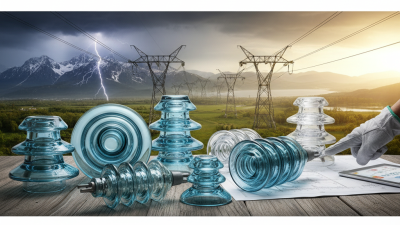
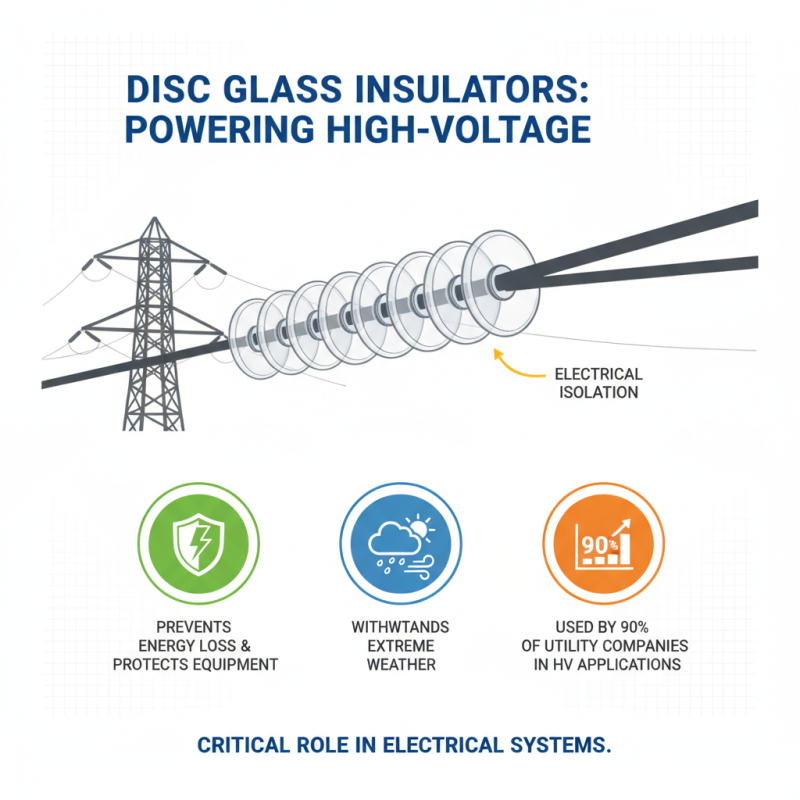
Disc glass Insulators might not get a lot of attention, but they’re actually super important in electrical systems. Without them, the stability of power lines could be at risk, and honestly, most folks don’t realize just how crucial they are until one of them fails. Basically, these insulators act like shields for the wires, protecting them from weather and other environmental stuff. Thanks to them, our power stays on, even in harsh weather.
What’s really cool about these insulators is their design. The clear glass they’re made of isn’t just for looks — it’s tough enough to handle high voltage, making them pretty dependable no matter where you are. And yeah, I know some people might not think about how they look, but honestly, a well-kept, clean insulator can actually be pretty eye-catching. It’s not all service and no style — form does actually matter.
That being said, not all disc glass insulators are created equal. The quality can really vary depending on who makes them. It’s a good idea to stick with trusted brands because some manufacturers cut corners, and that’s when problems happen — like power outages. Understanding a bit about how these insulators work can give us a new appreciation for the engineering behind our everyday electrical stuff. At the end of the day, knowing they’re reliable means we can rely on the power they help deliver — pretty darn important, right?
History and Evolution of Disc Glass Insulators
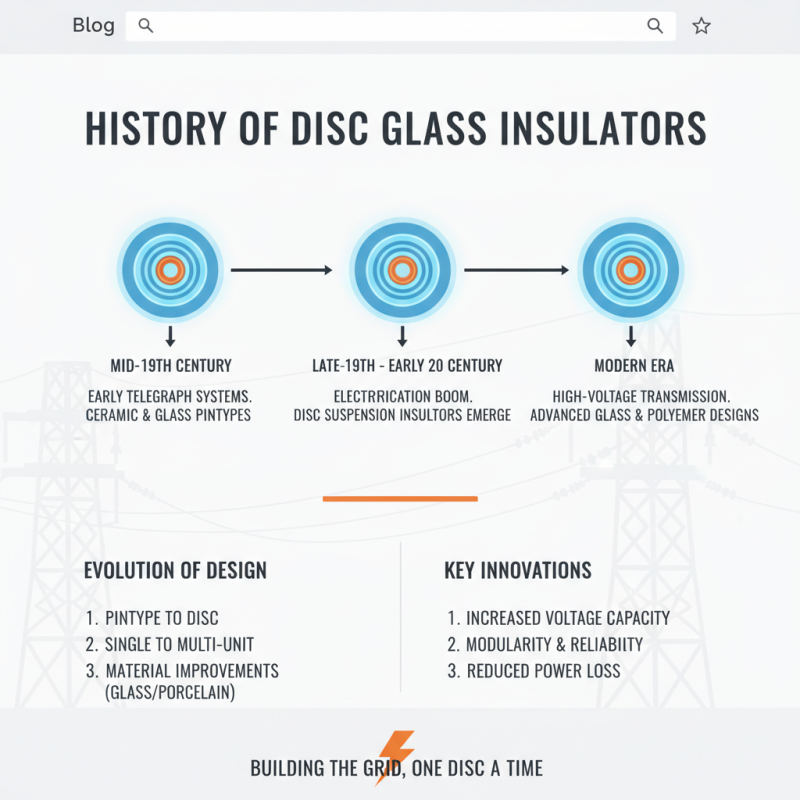
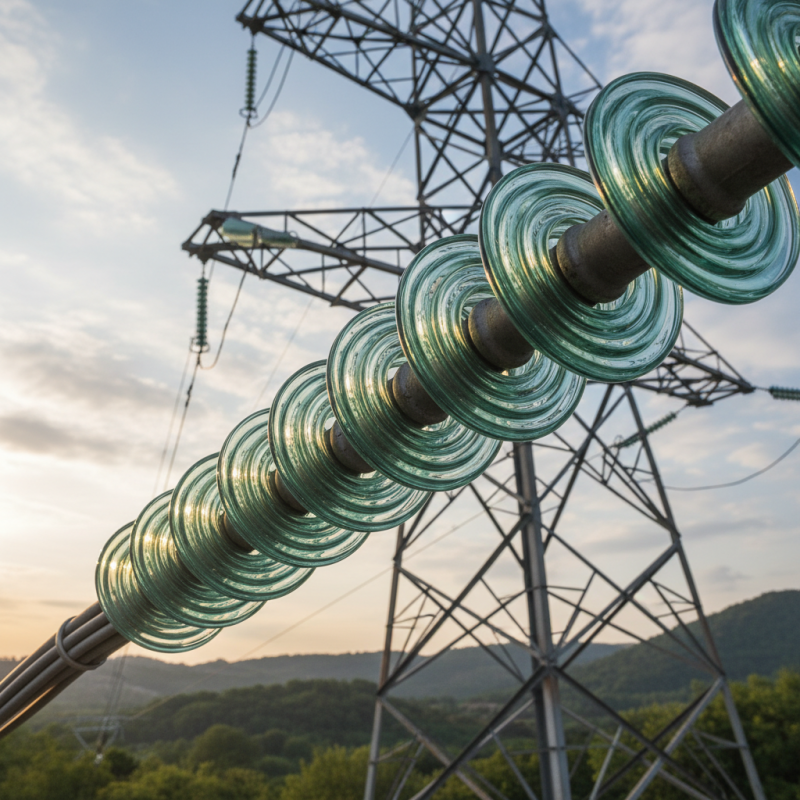
Disc glass insulators have a fascinating history rooted in the development of electrical infrastructure. Initially used in telegraph systems, these insulators emerged in the mid-19th century. Their design evolved rapidly, responding to the increasing demand for reliable electrical transmission.
The first models lacked aesthetic appeal. They were primarily utilitarian and bulky. Over time, manufacturers refined the design to make them more efficient and visually appealing. Vibrant color choices became common, showcasing elegance alongside functionality. However, not all designs were successful. Some shattered under harsh weather, prompting further innovation.
As technology advanced, the materials used in insulators improved. Today’s disc glass insulators often feature intricate designs. Yet, even modern versions sometimes face challenges. Poor installation can lead to failures, demonstrating the need for ongoing attention to detail. Each insulator serves as a reminder of our journey in electrical engineering and the lessons learned along the way.
Materials Used in the Manufacture of Disc Glass Insulators
Disc glass insulators play a crucial role in electrical applications. The materials used for their manufacture are key to their performance. A primary component is high-quality glass. This glass can withstand extreme weather. It also has excellent insulating properties.
Besides glass, metal fittings are essential. These fittings provide structural support. They must endure tension and environmental factors. Common materials include aluminum and steel. They are resistant to corrosion and fatigue.
The manufacturing process requires precision. Impurities in materials can weaken the insulators. Poor quality glass may break under pressure. Each step, from melting to molding, needs careful monitoring. Even minor flaws can lead to failures later on. This highlights the importance of quality control. Understanding these materials enhances our appreciation for disc glass insulators.
Types and Variations of Disc Glass Insulators
When we talk about disc glass insulators, it’s crucial to explore their types and variations. These insulators come in various designs, primarily based on their voltage capacity and usage. The most common types include standard Disc Insulators, long rod insulators, and post insulators. Each type has its unique features and applications. Standard disc insulators are often used in power transmission, while long rod insulators might be seen in higher voltage scenarios.
Another aspect worth noting is the color of glass used. Insulators can be clear, amber, or green. The color affects not only aesthetics but also function. For instance, amber insulators may block UV light, which can prolong their lifespan. However, the production process of colored glass can lead to inconsistencies. This often leaves room for reflection on quality control measures in manufacturing.
Insulator shapes also vary significantly. Some have a more rounded form, while others are flatter. Designs impact their efficiency and installation ease. Yet, balancing design and functionality remains a challenge for some manufacturers. Sometimes, variations may not perform as expected, leading to unexpected failures. This brings to light the importance of continuous improvement in this field.
Functional Role of Disc Glass Insulators in Electrical Systems
Disc glass insulators play a critical role in electrical systems. Their primary function is to isolate electrical conductors from supporting structures. This prevents energy loss and protects equipment. High-voltage transmission lines rely heavily on these insulators. They are designed to withstand extreme weather conditions. According to a recent industry report, up to 90% of utility companies use disc glass insulators in high-voltage applications.
One notable feature of these insulators is their durability. Disc glass insulators can resist tracking and eroding due to environmental factors. In fact, tests have shown that these insulators have a service life of over 30 years when properly maintained. However, improper installation can lead to failures. Instances of cracks and chips can compromise effectiveness, emphasizing the need for regular inspections.
Moreover, their performance is influenced by design and manufacturing quality. Variations in thickness and color may impact functionality. Research indicates that insulators with thicker walls have better electrical resistance. It's crucial to keep in mind that not all disc glass insulators are created equal. Understanding the factors that affect their performance is vital for utility companies.
Key Advantages of Using Disc Glass Insulators
Disc glass insulators are essential in the electrical industry. They provide several key advantages that enhance system reliability. For example, they offer excellent electrical insulating properties. Their high dielectric strength can reach up to 50 kV per millimeter. This is crucial in high-voltage applications.
One important advantage of disc glass insulators is their resistance to environmental factors. They perform well in extreme weather conditions. According to industry reports, they resist UV radiation, heat, and moisture better than ceramic insulators. This durability can lead to lower maintenance costs over time.
Tips: Regular inspections can prevent potential failures. Check for signs of wear or damage. Invest in quality materials, even if they are more expensive at first. The long-term savings are worth it.
Additionally, disc glass insulators are lighter than traditional ceramic options. They are easier to transport and install in remote areas. However, improper handling during installation can lead to breakage. Awareness of their fragility is necessary. It’s important to train installation teams properly.
In summary, the benefits of disc glass insulators are clear. Their long lifespan and superior performance make them a preferred choice in many applications.
Common Applications and Industries Utilizing Disc Glass Insulators
Disc glass insulators play a crucial role in various industries, especially in the electrical sector. They are primarily used for overhead power lines, providing insulation and mechanical strength. A 2022 industry report highlighted that over 60% of utility companies rely on disc glass insulators for transmission lines. Their durability helps maintain operational efficiency even under harsh environmental conditions.
In renewable energy, disc glass insulators are increasingly pivotal. Wind farms utilize these insulators to ensure reliable connections and longevity. Reports suggest that around 45% of new wind energy installations employ this type of insulation. This trend reflects a growing commitment to sustainable energy solutions. Yet, issues arise when manufacturers overlook quality. Variations in production can lead to failures, which significantly impact operations.
Telecommunications also benefit from disc glass insulators. They support high-voltage lines, reducing signal interruptions. However, the industry must address potential performance inconsistencies. Studies indicate that poor installation can result in premature insulation breakdown. This underscores the necessity for thorough quality checks and improved installation practices.
Top 10 Facts About Disc Glass Insulators
| Fact Number | Key Fact | Common Applications | Industries Utilizing |
| 1 | Highly durable and resistant to extreme weather conditions. | Electric power transmission and distribution. | Utilities and energy companies. |
| 2 | Glass insulators have a low coefficient of thermal expansion. | Telecommunications network lines. | Telecom companies. |
| 3 | Available in a variety of sizes and shapes for different applications. | Distribution systems for overhead lines. | Construction and engineering sectors. |
| 4 | Disc glass insulators are non-conductive and prevent electrical leakage. | Isolation of electrical circuits. | Electrical utilities and manufacturers. |
| 5 | Excellent resistance to UV light degradation. | Urban and rural power distribution. | Renewable energy industries. |
| 6 | Glass insulators can withstand high electrical stress. | Heavy industry electrical applications. | Manufacturing and automotive sectors. |
| 7 | Recyclable and environmentally friendly material. | Power grid modernization. | Sustainability-focused entities. |
| 8 | Long service life requires minimal maintenance. | Rural electrification efforts. | Public works departments. |
| 9 | Cost-effective solution compared to porcelain insulators. | Renewable energy infrastructure. | Energy companies. |
| 10 | Diverse range of colors aids in aesthetic integration. | Architectural and decorative applications. | Construction and design industries. |
Maintenance and Lifespan Considerations for Disc Glass Insulators
Maintenance is crucial for the longevity of disc glass insulators. Regular inspections help identify wear and damage. Dirt and pollution can accumulate on the surface, impacting performance. Cleaning insulators periodically keeps them functional. Many overlook this simple task, which can lead to greater issues later.
Lifespan is another consideration. Disc glass insulators can last decades with proper care. However, exposure to extreme weather conditions may shorten their life. Cracks and chips are more significant in harsh environments. It’s essential to monitor them closely after storms. Replacing damaged insulators promptly is vital for safety.
Keep in mind, even the best materials may fail under certain conditions. Insulators are not impervious to age. Regular maintenance and replacement are key. Being proactive prevents service interruptions. This approach keeps networks resilient and reliable. Consider your local conditions when planning maintenance schedules.
Enhancing Fence Safety: Insights from Industry Reports on P-70 (6 Sheds) Post Insulators' Performance and Longevity
In the pursuit of enhancing fence safety, the performance and longevity of post insulators play a crucial role. The P-70 post insulators, designed with six sheds, stand out for their robust structure and reliability. These outdoor porcelain insulators are specifically created for switch gear applications, providing superior insulation properties that help maintain operational integrity in demanding environments. Their solid-core design ensures that they can withstand harsh weather conditions while minimizing the risk of electrical faults.
Furthermore, the P-70 insulators are not solely limited to switch gear; they are also ideal for use in disconnect switches, where reliable performance is paramount. Their effective design allows for optimal electrical insulation, which contributes to the overall safety of electrical installations. The longevity of these insulators is a key consideration, as they are engineered to endure prolonged exposure to the elements without significant degradation. With their proven track record, P-70 post insulators represent a compelling choice for those looking to enhance the safety and reliability of their fencing systems.
FAQS
: The product is designed to enhance daily living. It often improves comfort and efficiency.
Follow the user guide for setup. Use it as instructed for the best results.
Yes, consider basic safety measures. Avoid using near water and keep it out of reach of children.
Check the troubleshooting section in the manual. If it persists, contact customer service.
Regular cleaning is important. Use a soft cloth and mild cleaner to maintain its appearance.
Compatibility varies. Refer to the specifications to see if it connects with your other devices.
Manuals can be complex. Feel free to reach out for assistance or search for online tutorials.
It may not be for everyone. Some features could be challenging for younger or older users.
Users sometimes experience connectivity trouble. Often, resetting the device helps resolve these problems.
Warranties can differ. Check the policy specifics for details on coverage and duration.
Conclusion
Disc glass insulators are crucial components in electrical systems, designed to isolate conductors from supporting structures while preventing electrical leakage. Their history dates back to the early days of electricity, evolving in design and material usage over time. Typically made from high-strength glass, these insulators are known for their durability and resistance to environmental factors.
Various types of disc glass insulators exist, each tailored to specific applications across industries such as telecommunications and power transmission. They play a vital role in maintaining system integrity, offering key advantages like superior insulation properties and low maintenance needs. Understanding maintenance practices and lifespan considerations is essential for ensuring their longevity and reliable performance in electrical applications. Overall, disc glass insulators serve as an indispensable asset for efficient electrical infrastructure.