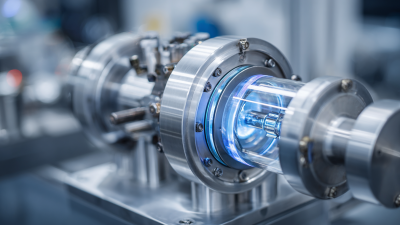
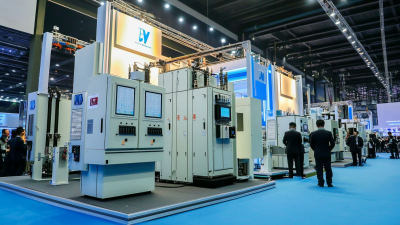
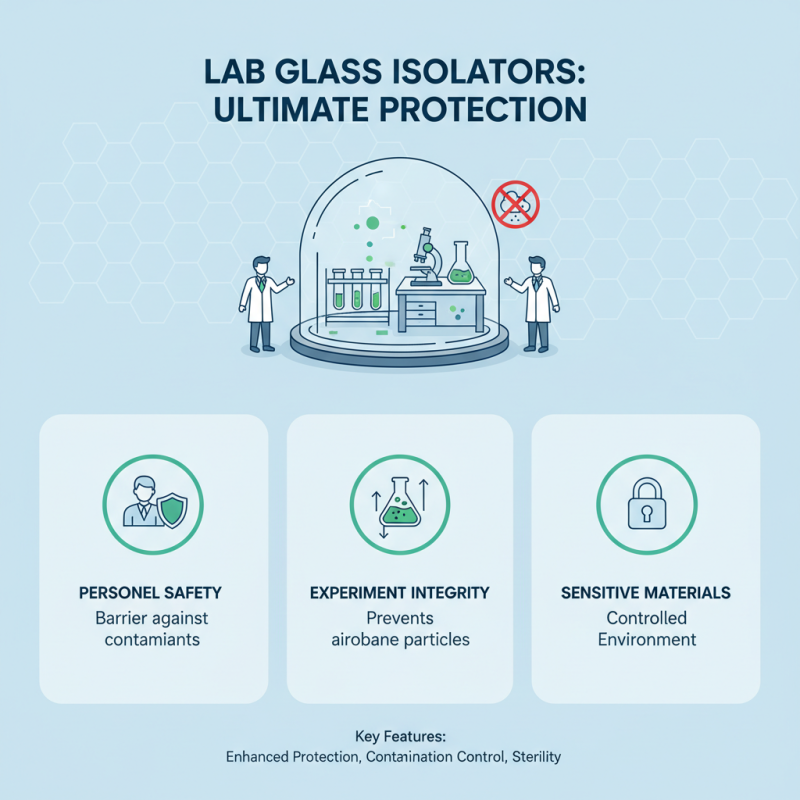
When it comes to laboratory safety and keeping things running smoothly, having a top-notch glass isolator really can't be stressed enough. I mean, Dr. Emily Carter—a respected researcher over at the Advanced Materials Institute—once said, *“Using a Glass Isolator not only keeps lab folks safe but also helps keep sensitive experiments on point.”* That really shows just how crucial these devices are for creating a controlled environment. They're especially important in fields like pharma, biotech, and chemical research, where precision really matters.
As labs keep evolving, there's been a real push for better protection against things like environmental contaminants and cross-contamination. That’s led to some pretty cool innovations in Glass Isolator tech. When we talk about how well these isolators work, it’s not just about being barriers — their design and how easy they are to handle matter too.
In this article, I’m diving into the top ten Glass Isolators out there today. I’ll cover their features, benefits, and what users are saying about them. This info aims to help researchers pick the best options to stay safe and work efficiently. By understanding what makes these products stand out, lab managers can make smarter choices that boost safety and productivity overall.
Understanding Glass Isolators and Their Importance in Laboratories
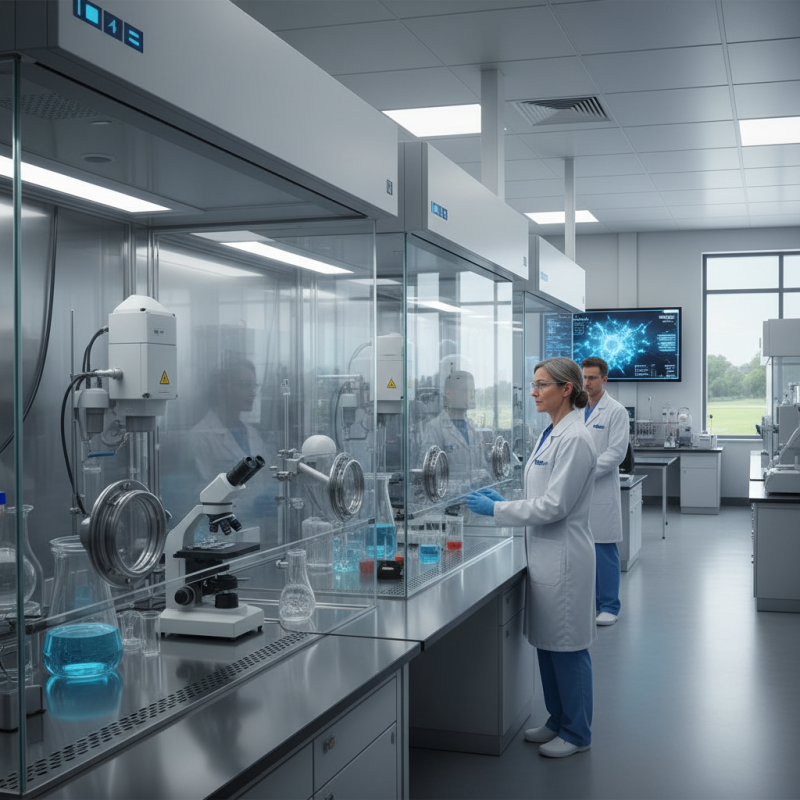
Glass isolators play a crucial role in enhancing safety and maintaining the integrity of laboratory environments. These devices provide a controlled space, ensuring that various experiments can be conducted without contamination from external elements. According to the American Industrial Hygiene Association, utilizing glass isolators can reduce the risk of exposure to hazardous materials by over 90%, making them an essential addition to any laboratory focusing on biochemistry, pharmaceuticals, or any field dealing with sensitive compounds.
One of the primary functions of glass isolators is to minimize cross-contamination between samples, which is vital in research where the purity of substances can significantly affect outcomes. A study published in the Journal of Laboratory Automation noted that effective barrier containment during experiments leads to more accurate results, thus enhancing the reproducibility of scientific findings. Furthermore, glass isolators allow for real-time observation and manipulation of samples without direct contact, thereby protecting both the user and the sample.
**Tips:** When selecting a glass isolator, consider its ease of use regarding maintenance and access points. Laboratory staff should receive proper training on utilizing these isolators to maximize safety and efficiency. Additionally, regular assessments of the isolators' seals and structural integrity can prevent any potential contamination incidents, ensuring that the lab environment remains optimal for research activities.
Criteria for Selecting the Best Glass Isolators
When selecting the best glass isolators for optimal lab protection, several critical criteria should be taken into account. First and foremost is the durability of the glass material. High-quality borosilicate glass is often recommended due to its superior resistance to thermal shock, which can be crucial in environments where temperature fluctuations are common. According to industry reports, equipment made from borosilicate glass can withstand temperatures ranging from -70°C to +500°C, making it an ideal choice for laboratories that conduct a variety of experiments.
Another important criterion is the design and functionality of the isolator. Consideration should be given to the size and shape of the unit to ensure it fits well within the available lab space while providing sufficient workspace for handling materials. Additionally, features such as built-in airflow systems, HEPA filters, and easy access points can greatly enhance both safety and efficiency during lab procedures. A recent survey indicated that laboratories equipped with advanced isolator designs see a 30% reduction in contamination rates compared to those using older models, underlining the importance of selecting an isolator that combines functionality with user-friendliness.
Lastly, examining the isolator's compliance with safety standards is essential. Lab environments must adhere to stringent regulations, and products that meet or exceed these standards contribute significantly to maintaining a safe working atmosphere. According to the American National Standards Institute (ANSI), glass isolators should meet specific structural integrity and safety guidelines, minimizing risks related to glass breakage and contamination. Prioritizing these criteria ensures that laboratories can safeguard their personnel and experiments effectively.
Top Features to Look for in High-Quality Glass Isolators
When selecting a glass isolator for laboratory use, several key features can significantly enhance both safety and efficacy. First and foremost, the material quality of the glass is crucial. High-grade borosilicate glass is often preferred for its excellent thermal shock resistance and superior clarity, which is vital for visibility during experiments. According to industry reports, the incorporation of tempered glass in isolators can increase resistance to breakage and improve overall durability.
Another important feature to consider is the filtration system integrated within the isolator. HEPA filters, which can trap 99.97% of particles that are 0.3 microns or larger, are essential for maintaining sterile environments. Data from the American National Standards Institute indicates that well-maintained filtration systems contribute to reduced contamination risks, making them invaluable in high-stakes laboratories.
Tips: When evaluating glass isolators, always ensure that the design includes seamless joints and easy access ports, as these features enhance cleanliness and facilitate smooth operation. Moreover, consider models with adjustable airflow systems, which allow for tailored airflow adjustments to suit different experimental needs. Regular maintenance of the isolator, including filter changes and glass inspections, can extend its lifespan and effectiveness.
Review of the Top 10 Glass Isolators for Lab Protection
When working in a laboratory, ensuring safety and maintaining a controlled environment is crucial. Glass isolators provide an exceptional solution for protecting both the personnel and the contents of the lab. These isolators serve as a barrier against airborne contaminants, preserving the integrity of experiments and sensitive materials. In this review, we will explore the top glass isolators available, highlighting their features that enhance lab protection.
Tip: When selecting a glass isolator, consider the specific needs of your laboratory environment. Assess factors such as the size of the isolator, the type of experiments conducted, and the level of protection required. A well-chosen glass isolator can significantly improve the efficiency and safety of your lab operations.
It's also important to evaluate the maintenance requirements of the isolators. Regular cleaning and monitoring will ensure that your equipment remains in optimal condition, providing consistent performance. Look for isolators with easy-to-clean surfaces and accessible components that facilitate routine care. This diligence will extend the lifespan of the glass isolators and maintain a safe working environment.
Comparative Analysis of Pricing and Specifications
When selecting glass isolators for laboratory environments, a detailed comparative analysis of pricing and specifications can significantly impact decision-making. Recent industry reports indicate that the market for glass isolators is projected to grow at a compound annual growth rate (CAGR) of around 6% through 2025, reflecting the increasing demand for enhanced safety and contamination control in laboratory settings. A typical glass isolator can range in price from $5,000 to $20,000, depending on features such as size, material quality, and additional protective systems.
Specifications that should be considered include the thickness of the glass used, which can vary from 6mm to 12mm, depending on the intended application. Additionally, the efficiency of the HEPA filters, often a critical component, may vary, with some units offering up to 99.97% filtration efficiency at 0.3 microns. An analysis of insulation factors, such as temperature control and air exchange rates, also reveals significant variation among models. Some advanced isolators provide real-time monitoring and reporting capabilities, which can justify a higher price point due to the added safety benefits. Overall, understanding the relationship between cost and these technical specifications is essential for laboratories aiming to ensure optimal protection without compromising on budgetary constraints.
User Feedback and Recommendations for Each Isolator
When evaluating glass isolators for lab protection, user feedback plays a crucial role in identifying the best options on the market. Isolation technology has become increasingly important, with a report from Laboratory Equipment indicating that the demand for such systems has grown by nearly 15% annually due to heightened concerns over safety and contamination. Users often highlight the need for durability and reliability; isolators made with tempered glass and robust seal designs are frequently recommended. Many users emphasize the effectiveness of vacuum-sealed environments in preventing external contamination, which aligns with findings from the American Society for Microbiology indicating that such measures significantly reduce the risk of microbial invasion in laboratory settings.
Moreover, feedback often points to the importance of ease of maintenance and operational efficiency. Users appreciate designs that offer straightforward access for cleaning and monitoring. A study conducted by the International Laboratory Animal Research Association noted that isolators with user-friendly interfaces resulted in a 20% increase in compliance with safety protocols among their users. It’s clear that user experiences underscore the significance of both functionality and robust construction in selecting the right glass isolator, which ultimately contributes to optimal lab protection and operational success.
Maintenance Tips for Optimal Use of Glass Isolators
When it comes to ensuring safety and optimal performance in laboratory settings, maintaining glass isolators is crucial. Glass isolators provide a controlled environment that minimizes contamination risks, essential for sensitive experiments and processes in fields such as pharmaceuticals, biotechnology, and materials science. According to a recent report by the International Laboratory Safety Association, nearly 30% of laboratory-related incidents can be traced back to inadequate maintenance of equipment, underscoring the importance of proper care for glass isolators.
To achieve optimal use of glass isolators, regular inspections and routine maintenance are imperative. This includes checking seals and gaskets for wear, which can compromise the isolator's integrity. Researchers should also clean the surfaces with appropriate solvents to avoid residue buildup that could affect experimental outcomes. Additionally, maintaining a stable temperature and humidity within the isolator not only protects samples but also prolongs the lifespan of the equipment. A study published in the Journal of Laboratory Safety found that maintaining environmental parameters within recommended ranges can reduce the likelihood of equipment failure by up to 40%.
Furthermore, training personnel on the proper use and maintenance of glass isolators is essential. The same report indicated that labs with comprehensive training programs experienced a 50% reduction in maintenance-related incidents. By fostering a culture of safety and awareness, laboratories can ensure that their glass isolators function optimally, safeguarding both samples and experiments from potential risks.
FAQS
: Glass isolators are devices that provide a controlled space in laboratory environments to prevent contamination from external elements. They enhance safety and ensure that experiments can be conducted with minimal risk of exposure to hazardous materials.
They minimize cross-contamination between samples, which is essential in research where the purity of substances affects results. This containment leads to more accurate outcomes and enhances reproducibility in scientific findings.
High-quality borosilicate glass is recommended due to its superior resistance to thermal shock, allowing it to withstand a wide range of temperatures essential for various laboratory experiments.
Important features include the design and size of the isolator to fit lab space, built-in airflow systems, HEPA filters, and easy access points to improve safety and efficiency during procedures.
Regular maintenance helps ensure the seals and structural integrity of the isolators, preventing potential contamination incidents and maintaining an optimal lab environment for research.
Advanced designs that prioritize functionality and user-friendliness can lead to a significant reduction in contamination rates, thereby enhancing overall laboratory safety.
Glass isolators should comply with safety standards that ensure structural integrity and minimize risks related to glass breakage and contamination, thus contributing to a safe working atmosphere.
Proper training should be provided to laboratory staff on the use of glass isolators, ensuring they are equipped to operate them safely and efficiently.
Improper use of glass isolators can lead to increased risks of contamination, which can negatively impact experiment outcomes and laboratory safety.
Effective barrier containment leads to more accurate results and enhances the reproducibility of scientific findings, making it crucial for successful laboratory research.
Conclusion
Glass isolators play a crucial role in laboratory environments by providing a barrier that protects both sensitive experiments and personnel from contamination and external hazards. Understanding the importance of glass isolators aids in selecting the right model, which is vital for ensuring optimal lab protection. Key criteria for choosing the best glass isolators include durability, ease of use, and safety features.
In reviewing the top 10 glass isolators, it is essential to assess their specifications, pricing, and the overall user feedback to guide prospective buyers in their decision-making process. Highlighted features like ergonomic design and advanced filtration systems enhance functionality and usability. Additionally, proper maintenance tips can prolong the life of glass isolators and maintain their effectiveness, ensuring laboratories can operate safely and efficiently.