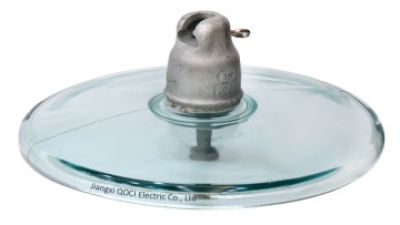
When it comes to electrical engineering, you really can't underestimate how important a reliable Suspension Disc Insulator is. These little guys are essential for keeping power transmission smooth and safe. As our energy needs keep growing, picking the right insulator isn’t just a good idea—it’s absolutely vital for utility companies trying to keep up.
Big names like GE Grid Solutions and Siemens are leading the charge in this space. Their suspension disc insulators are built tough, ready to face all kinds of tough weather conditions. They’re known for their solid dielectric strength and stability, which is a big plus. But, honestly, not all insulators are cut from the same cloth. The market is pretty crowded, so figuring out which one is the best can be a bit overwhelming.
Some insulators perform like champs, while others might have some weaknesses—perhaps they don’t handle extreme weather as well or come with a higher price tag. That’s why it’s so important to weigh factors like durability and cost carefully. Some models might fail when the weather gets nasty, which could lead to bigger issues down the line. So, making a smart, informed choice is key if you want things to keep running smoothly in the long run. Knowing the strengths and limits of each product really helps in making sure you pick the best Suspension Disc Insulator for the job.
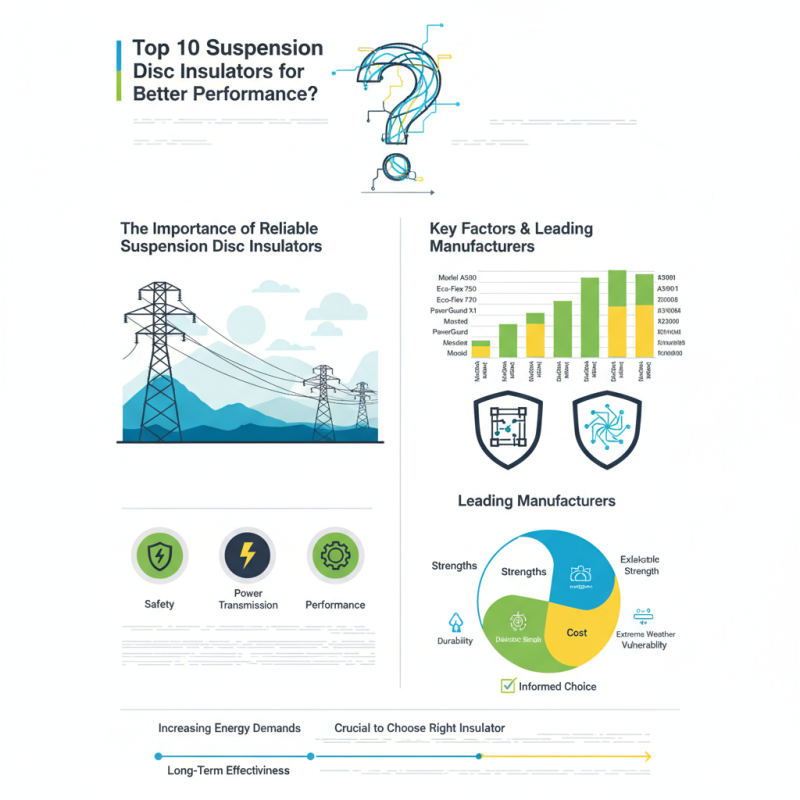
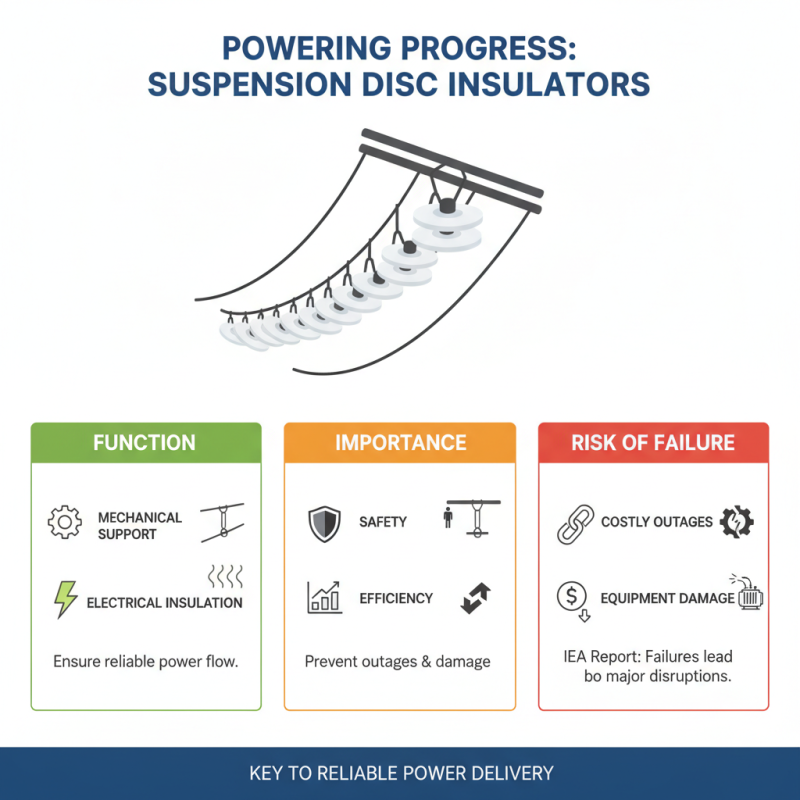
Suspension disc insulators play a crucial role in electrical transmission systems. They provide mechanical support and electrical insulation for overhead lines. Proper functioning ensures safety and efficiency in power delivery. According to a report by the International Energy Agency, failures in insulators can lead to costly outages and equipment damage. This underlines the importance of selecting high-performance insulators.
The design of these insulators significantly impacts their performance. High-quality materials can withstand environmental stressors like wind, temperature variations, and pollution. For instance, insulators are subjected to rigorous testing for tensile strength and dielectric strength. A study highlighted that insulators resisting contamination can maintain performance better under adverse conditions. Yet, some manufacturers still overlook these critical factors, resulting in more frequent replacements.
Innovations in insulator technology aim to improve longevity and reduce maintenance needs. However, not all new designs prove effective in real-world conditions. Aged infrastructure often complicates the deployment of advanced solutions. Many utilities struggle with integrating newer types of insulators into existing systems. This gap highlights the ongoing need for research and real-world testing. It also emphasizes the challenge of balancing cost with performance benefits, often leading to difficult decisions.
When choosing suspension disc insulators, you need to consider several key features. The dielectric strength is crucial. It determines how well the insulator can withstand electrical stress. A high dielectric strength leads to better performance and longevity. Material type also plays a significant role. Ceramic insulators are common, but composites offer unique advantages. They can be lighter and more resistant to environmental factors.
The mechanical strength is another important consideration. This influences how much weight the insulator can support. A strong insulator will withstand harsher weather conditions. Look for factors like temperature resistance and UV stability. Some insulators may crack when exposed to extreme temperatures. Testing durability in real conditions can reveal a lot.
Finally, the design and size should not be overlooked. Proper fitting is essential for effectiveness. A poorly designed insulator can lead to failure and increased maintenance costs. It's important to consider installation ease as well. Complex designs could make installation problematic. Keep these factors in mind as you explore your options.
| Model | Voltage Rating (kV) | Material | Mechanical Strength (kN) | Insulation Type | Weight (kg) |
|---|---|---|---|---|---|
| Model A | 33 | Glass | 70 | Composite | 12 |
| Model B | 15 | Porcelain | 60 | Ceramic | 10 |
| Model C | 45 | Polymer | 80 | Composite | 14 |
| Model D | 66 | Glass | 100 | Porcelain | 16 |
| Model E | 11 | Ceramic | 55 | Polymer | 9 |
| Model F | 21 | Porcelain | 65 | Glass | 11 |
| Model G | 36 | Composite | 90 | Ceramic | 15 |
| Model H | 77 | Glass | 120 | Composite | 18 |
| Model I | 55 | Polymer | 75 | Porcelain | 13 |
| Model J | 99 | Glass | 130 | Ceramic | 20 |
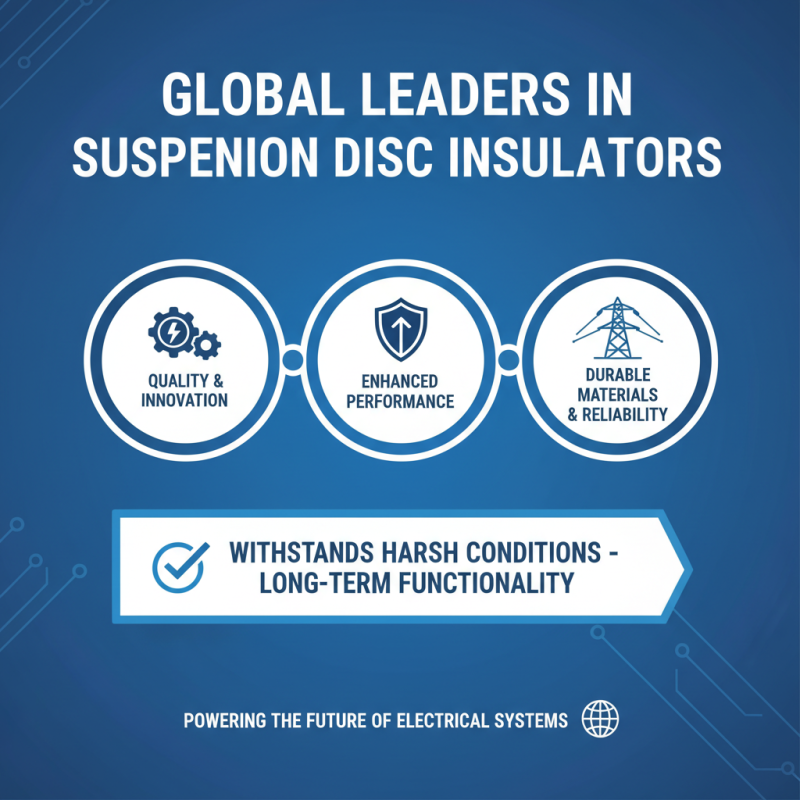
When discussing suspension disc insulators, several manufacturers stand out in the industry. These companies focus on quality and innovation. They intend to enhance electrical performance and reliability. Their products are crafted using durable materials that withstand harsh conditions. The goal is to ensure long-term functionality for power systems.
In the industry, it’s essential to consider the manufacturing process. Not all manufacturers adhere to the same standards. Some may compromise on quality to reduce costs. It's crucial to assess their production techniques and materials used. Customers must engage with trusted sources to avoid potential pitfalls.
Many manufacturers have established a reputation for excellence. They invest in research and development. However, not every product guarantees optimal performance under all circumstances. Users may encounter challenges with specific installations. This highlights the importance of thorough testing and feedback. Engaging with a range of manufacturers allows for better decision-making.
When comparing suspension disc insulators, performance can vary significantly. Different models have unique designs aimed at specific environments. It’s essential to look at factors like electrical strength and weather resistance. Some insulators handle humidity better than others. Others may struggle in extreme temperatures.
One crucial aspect to consider is the mechanical strength of the insulators. A few models have been reported to break under high stress. This can lead to failures in the power grid. In addition, small variations in materials can affect long-term durability. High-quality materials typically show superior performance over time.
Testing methods also play a significant role in determining effectiveness. Some models excel in laboratory settings but fail in real-world conditions. Real-life application challenges differ from controlled tests. These inconsistencies highlight the need for ongoing evaluation and adjustments. This is key to ensuring reliability in various environmental conditions.
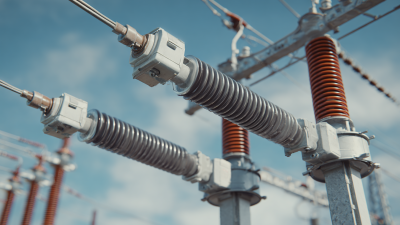
Suspension disc insulators play a crucial role in power transmission systems. They ensure that conductors remain insulated from supporting structures. These insulators are vital in high-voltage applications. They help prevent electrical leakage and protect against short circuits. A well-designed insulator can withstand harsh environmental conditions. This durability is important in areas with extreme weather.
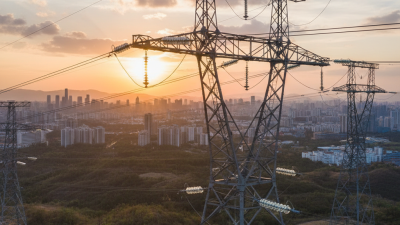
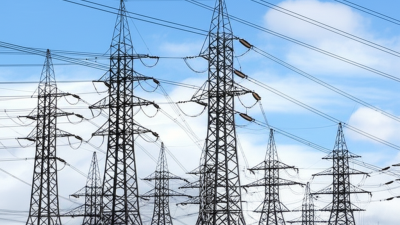
One common use is in overhead power lines. Insulators hold wires securely, maintaining distance from the towers. This setup minimizes risks associated with high voltage. Another application is in substations, where they isolate different components from each other. Their role is to ensure safety and efficiency. Yet, these insulators may sometimes be overlooked during maintenance.
Innovative materials and designs are emerging. Some insulators offer enhanced performance in severe conditions. These advancements can lead to better reliability. However, manufacturers face challenges in balancing cost and effectiveness. Materials that work well in deserts may fail in humid areas. This inconsistency can be a concern, urging further research. Addressing these issues can improve the overall reliability of power transmission systems.
Maintenance of suspension disc insulators is crucial for their longevity and performance. Regular inspections help identify any wear or damage. Look for visible cracks or dirt accumulation. Cleaning is essential. Use a soft brush and water to remove debris. Avoid using harsh chemicals as they may harm the insulator.
Over time, environmental factors can affect insulator performance. UV exposure and extreme temperatures can weaken materials. It’s wise to shield insulators from direct sunlight if possible. Regularly check connections and fittings. Loose components can lead to failures. Tightening these parts can prevent costly repairs.
Monitoring is key. Track performance metrics and inspect regularly. If insulators show signs of aging, reconsider their placement. Sometimes, the best adjustment is relocating them. This can enhance their effectiveness and reduce the risk of failure. Remember to document your maintenance activities for future reference. Each small effort contributes to better overall performance.
The suspension disc insulator technology is rapidly evolving. Recent industry reports indicate a 15% annual growth in demand for high-performance insulators. Innovations focus on materials that enhance durability and performance. Composite materials are gaining traction. They offer improved resistance to environmental stressors. This shift addresses the challenges of traditional porcelain insulators.
Future designs increasingly integrate smart technology. These insulators can monitor their own health, reducing maintenance costs. Studies suggest that intelligent insulators could decrease failures by up to 30%. There’s also exploration into eco-friendly materials. Sustainable options are essential as the industry seeks to reduce its carbon footprint. However, the challenge remains in balancing performance with environmental impact.
While advancements are promising, some issues need reflection. Increased complexity in design can lead to higher manufacturing costs. The market must ensure that innovations remain cost-effective. Additionally, compatibility with existing infrastructure poses a challenge. Ensuring seamless integration requires careful planning and investment. The industry must navigate these hurdles to truly harness the potential of new technologies.
The evolution of high voltage systems is crucial for modern power transmission, especially in the context of increasing energy demands and the need for reliable infrastructure. Among the innovations in this field, the U100bla 70kN 220kV open-air aerodynamic disc glass insulators play a pivotal role. These insulators are designed to enhance the performance and reliability of high voltage lines, effectively managing electrical stresses while withstanding harsh environmental conditions.
The aerodynamic nature of the U100bla insulator contributes to its exceptional performance, ensuring minimal wind resistance and improved mechanical strength. Its design is a significant advancement compared to traditional insulators, offering better insulation properties and longevity. Additionally, products like the 100kN U100A aerodynamic type glass insulator and the U100bsa toughened glass insulator follow international IEC standards, reinforcing the commitment to safety and efficiency in high voltage transmission systems. These insulators not only support the demands of modern energy networks but also help mitigate the risks associated with environmental factors, ensuring continuous and safe electricity supply.
: They provide mechanical support and electrical insulation for overhead lines in electrical transmission systems.
High-quality materials withstand environmental stressors like wind, temperature, and pollution, ensuring safety and efficiency.
Failures can lead to costly outages and damage to equipment, highlighting the need for high-performance insulators.
Insulators subjected to contamination may not perform well, emphasizing the importance of rigorous testing.
Innovations focus on improved durability, smart technology, and the use of eco-friendly materials to enhance performance.
Not all new designs perform well; some manufacturers overlook essential factors that can lead to frequent replacements.
Integrating new technologies into aged infrastructure can be complicated, requiring careful planning and investment.
Thorough testing and feedback are crucial for ensuring products perform optimally in specific installations.
The demand is growing at 15% annually, focusing on materials that resist environmental stressors.
Increased design complexity can raise manufacturing costs, making cost-effective innovations a significant challenge.
Suspension disc insulators play a crucial role in electrical engineering by providing electrical insulation and mechanical support for overhead power lines. Understanding their key features, such as dielectric strength, mechanical load-bearing capacity, and environmental resistance, is essential when selecting the right suspension disc insulator for specific applications. Additionally, performance comparisons among leading models can guide users in choosing options that meet their operational needs.
Proper maintenance is vital for prolonging the life of suspension disc insulators, ensuring that they function effectively under various environmental conditions. As technology and design continue to evolve, future trends may introduce innovative materials and advanced features that enhance the performance and reliability of suspension disc insulators, making them integral to the efficiency of electrical infrastructure.