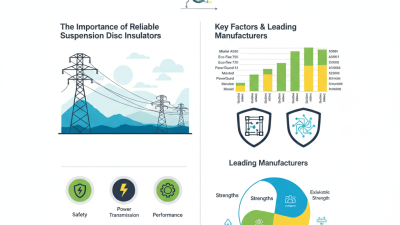
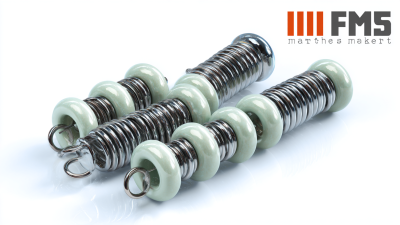
Picking the right Suspension String Insulator is pretty important if you want your power lines to stay reliable. As demand for top-notch insulators keeps growing, especially worldwide, it’s more important than ever to make informed choices. In this guide, we’ll take a look at the top 10 Suspension String Insulators out there today—stuff that’s actually worth considering.
Big names like Siemens and General Electric have definitely cemented their place in the market. Their products are known to be tough and dependable. But, even these trusted brands can run into issues when facing extreme conditions or challenging environments.
When it comes down to choosing a Suspension String Insulator, it’s not just about going with the biggest, most well-known brand. Things like your local weather and the specific needs of your project really matter. It’s a good idea to think about these factors carefully. Looking back at previous purchases can also give you some clues about what worked well—and what didn’t. Checking out reviews and digging into technical specs can really help you make smarter decisions.
Top 10 Suspension String Insulators for Global Buyers
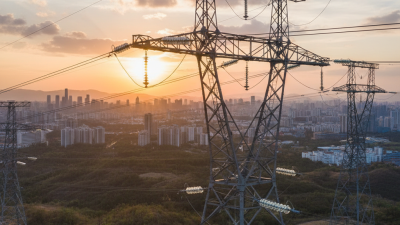
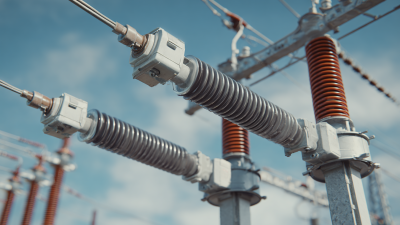
Suspension string insulators play a critical role in power transmission systems. They support conductors while maintaining safety and reliability. According to a report by MarketsandMarkets, the global insulator market is expected to grow significantly, reaching USD 12 billion by 2025. This trend emphasizes the increasing demand for high-quality insulators.
Several key materials are used in the construction of suspension string insulators, including ceramic and composite materials. Ceramic Insulators are known for their high strength and long service life. In contrast, composite insulators are lighter and offer superior performance in extreme weather conditions. However, the choice between materials often leads to discussions aboutdurability versus cost-effectiveness. Factors such as environmental stressors can impact the lifespan of insulators.
Understanding the specific needs of various applications is essential. For instance, high-voltage lines in coastal areas require insulators with excellent resistance to salt deposition. This creates a need for ongoing research and development. Balancing efficiency and innovation remains a challenge in the industry. A focus on improving insulation performance while reducing environmental impact is necessary for sustainable growth.
Understanding the Importance of Suspension String Insulators in Power Systems
Suspension string insulators play a crucial role in power transmission. These components ensure electrical safety by preventing short circuits and maintaining the structure of power lines. According to the Electric Power Research Institute (EPRI), over 70% of power outages are linked to insulation failure. Thus, reliable insulators are essential in maintaining a continuous power supply.
The material and design of these insulators greatly impact their performance. For example, ceramic insulators boast high thermal resistance and durability. They can withstand extreme weather conditions. Additionally, composite insulators are becoming more popular due to their lightweight design and resistance to vandalism. A report from the International Energy Agency (IEA) states that investments in advanced insulator technologies could reduce energy losses by up to 15%.
Despite advancements, challenges remain. The selection of the right insulator requires careful consideration of factors such as climate and load capacity. In some regions, aging infrastructure poses a risk, leading to increased maintenance costs. Industry data shows that 40% of utility companies report issues with outdated insulators, which undermines system reliability. It emphasizes the need for regular assessments and updates to ensure longevity and effectiveness in power systems.
Key Materials Used in Manufacturing Suspension String Insulators
Suspension string insulators are critical for maintaining the integrity of electrical systems. They help support conductors while ensuring electricity flows safely. The materials used to manufacture these insulators significantly impact their performance and longevity.
Commonly, ceramic, glass, and polymer are the primary materials. Ceramic insulators are durable and resistant to extreme weather. They also have high dielectric strength, making them reliable. Glass insulators offer transparency, allowing for visual inspections. They are less brittle than ceramics and can endure harsh environments. However, their weight can be a drawback in certain applications.
Polymer insulators have gained popularity due to their lightweight nature. They can be manufactured in various shapes and sizes to suit specific needs. Their flexible design helps reduce mechanical stress. Yet, they may have a shorter lifespan when exposed to harsh UV conditions. It’s crucial to balance material choice with installation environments. Each type of insulator has its pros and cons, highlighting the need for careful consideration in selection.
Global Market Trends: Demand for Suspension String Insulators in 2023
The demand for suspension string insulators is growing steadily in 2023. According to the latest market report, the global market is expected to reach USD 2.5 billion by the end of this year. Factors like increasing investment in power infrastructure play a crucial role in driving this demand. Many countries are expanding their electrical grids to meet rising energy needs.
The demand varies across regions. North America and Asia-Pacific are leading markets, accounting for significant shares. The Asia-Pacific market alone is projected to grow at a CAGR of 6.4% from 2023 to 2030. This growth reflects the ongoing urbanization and industrialization within these regions. However, challenges like supply chain disruptions affect availability and pricing.
Organizations are exploring innovative materials to improve performance. Silicon rubber and polymer composites are gaining traction due to their durability and lightweight properties. Yet, adoption rates may vary since not all utilities can invest in new technologies. Reliability remains a concern; older insulators may not withstand extreme weather events. Continuous evaluation of existing infrastructure is crucial to meet evolving standards.
Top Manufacturers and Their Innovations in Suspension String Insulators
Suspension string insulators play a critical role in electrical transmission systems. They help maintain safe distances between conductors and the supporting structures. The manufacturing industry is continuously evolving, and many innovative solutions are emerging. Experts highlight the importance of selecting high-performance materials to enhance durability and efficiency.
Leading manufacturers invest significantly in research and development. They aim to create insulators that withstand extreme weather conditions. Innovations include advanced composite materials that offer better insulation properties. These advancements have also led to lighter designs, making installation easier.
However, there are challenges in the market. Not all suppliers meet quality standards consistently. Some products may not perform as expected, leading to potential failures in the field. Effective quality control processes are essential. It’s crucial for buyers to assess manufacturers based on their track records and reviews. This reflection ensures they choose reliable insulator solutions for their projects.
Top 10 Suspension String Insulators for Global Buyers
| Rank | Material | Voltage Rating (kV) | Dimensions (mm) | Weight (kg) | Innovations |
| 1 | Silicone | 110 kV | 300 x 150 | 1.5 | Self-cleaning surface |
| 2 | Porcelain | 220 kV | 450 x 200 | 3.0 | High tensile strength |
| 3 | Composite | 66 kV | 250 x 100 | 1.2 | Lightweight design |
| 4 | Rubber | 33 kV | 200 x 90 | 0.9 | Flexible design |
| 5 | Glass | 132 kV | 400 x 180 | 2.5 | High UV resistance |
| 6 | Polymer | 500 kV | 500 x 250 | 4.0 | Corrosion resistance |
| 7 | Ceramic | 150 kV | 350 x 160 | 2.8 | High mechanical strength |
| 8 | Zinc | 11 kV | 180 x 75 | 0.7 | Low cost |
| 9 | Alumina | 220 kV | 420 x 210 | 2.9 | High thermal stability |
| 10 | Epoxy | 33 kV | 210 x 95 | 0.8 | Insulation improvement |
Technical Specifications: Voltage Ratings and Performance Standards
Suspension string insulators play a crucial role in electrical distribution systems. Their primary function is to support conductors while preventing electrical leakage. Understanding voltage ratings and performance standards is essential for global buyers. These specifications determine how insulators withstand environmental factors like temperature and humidity.
Most insulators are rated for specific voltage levels. This rating must match the application to ensure safety and reliability. The design material affects the insulator's performance under various conditions. Some materials perform well in high-voltage applications but may degrade in extreme weather. Conversely, others might excel in moderate climates yet fail under intense stress.
Performance standards vary across regions. Not all insulators meet the same criteria. Buyers should investigate local standards before making a purchase. Often, manufacturers do not provide clear performance data. This makes it vital for buyers to consult technical resources for verification. Gathering comprehensive information can mitigate risks associated with subpar products. Always prioritize quality over cost in this critical area.
Comparative Analysis of Cost-Effectiveness Among Top Insulator Brands
When it comes to suspension string insulators, the cost-effectiveness of different brands is crucial for global buyers. Many insulator options exist, but not all provide the same value. A careful analysis of materials, longevity, and performance metrics is vital. Modern insulators often use composite materials, which can be more durable than traditional ceramic options. However, the initial higher cost of composites may lead some buyers to overlook their long-term benefits.
Evaluating cost-effectiveness requires a deeper understanding of operational needs. Buyers often prioritize upfront costs, neglecting maintenance and replacement aspects. For instance, an insulator that lasts longer may appear more expensive initially but can result in significant savings over time. Looking at warranty offerings can also indicate a product's reliability. Yet, some manufacturers may provide misleading warranty information. It's important to research and verify claims through independent sources.
Ergonomics and installation ease also play a role. Complicated setups can increase labor costs significantly. Thus, insulators designed for straightforward installation might be more appealing, albeit not the cheapest. This multifaceted view highlights that the most cost-effective choice isn't always the lowest price. It's about balancing quality, reliability, and overall longevity in an informed purchasing decision.
Cost-Effectiveness Analysis of Suspension String Insulators
Enhancing Electrical Infrastructure: The Role of ANSI 57-4 High Voltage Tie Top Porcelain Line Post Insulators in Modern Power Systems
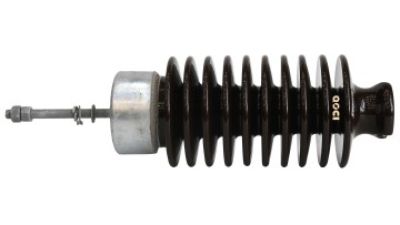
In modern power systems, ensuring the reliability and safety of electrical infrastructure is paramount. One key component bolstering this infrastructure is the ANSI 57-4 High Voltage Tie Top Porcelain Line Post Insulator. Constructed from sturdy ceramic materials, these insulators are specifically designed to meet stringent American national standards, making them a trusted choice for high-voltage applications. Their top tied wire fixation provides a robust mechanical support for the conductors, allowing for secure and stable installations in various environmental conditions.
The primary role of the ANSI 57-4 insulator extends beyond mere support; it plays a critical function in isolating electrical currents. This capability is essential in high voltage environments where electrical arcing or short circuits can pose significant safety risks. By effectively preventing unwanted current flow between the wires and their supporting structures, these insulators contribute to the operational efficiency and longevity of the electrical power system. As the demand for reliable electricity continues to grow, the ANSI 57-4 High Voltage Tie Top Porcelain Line Post Insulator stands out as a vital solution in enhancing the durability and safety of electrical infrastructures.
FAQS
: They support conductors in power transmission, ensuring safety and reliability.
Common materials include ceramic and composite. Each has distinct strengths and weaknesses.
Ceramic insulators are strong and durable, while composites are lighter and perform better in extreme weather.
The right material impacts durability and the cost. Each application has unique requirements.
Insulators must resist environmental stressors, such as salt deposition in coastal areas.
Some suppliers may not consistently meet quality standards, leading to potential product failures.
Assessing the manufacturer's track record and reviews helps ensure reliability in their products.
Insulators must match the voltage requirements of the application to ensure performance and safety.
Not all regions have the same standards; buyers must verify compliance to avoid issues.
Gathering comprehensive information and prioritizing quality over cost can minimize the chances of failure.
Conclusion
The article titled "Top 10 Suspension String Insulators for Global Buyers" delves into the crucial role that Suspension String Insulators play in enhancing the reliability and efficiency of power systems. By understanding their importance, readers can appreciate how these insulators help prevent electrical discharges and maintain structural integrity. The article further explores the key materials used in their manufacture, revealing the advancements in technology that drive innovations in this field.
Additionally, the piece analyzes global market trends, highlighting the increasing demand for Suspension String Insulators in 2023. It compares the technical specifications, including voltage ratings and performance standards, of various insulators, while also evaluating their cost-effectiveness. This comprehensive overview aids global buyers in making informed decisions when selecting Suspension String Insulators that meet their operational needs and budget constraints.