Leave Your Message
0%

As the world shifts more and more towards renewable energy and sustainable ways of living, finding reliable sources of Green Glass electrical insulators has become really important. Industry expert John Smith from Eco Insulator Co. puts it nicely when he says, "Sustainable insulators aren’t just a nice-to-have anymore—they’re essential for building a greener future." That kind of mindset really pushes manufacturers and suppliers to hunt down eco-friendly materials wherever they can.

But honestly, sourcing these insulators isn’t exactly a walk in the park. The global market’s huge, and making sure everything’s up to snuff on quality can be pretty tricky. Potential suppliers need to meet strict environmental standards and genuinely show they care about sustainability. Plus, factoring in shipping logistics and keeping costs in check adds another layer of complexity—kind of like a puzzle you’ve got to solve carefully.

As demand for Green Glass Electrical Insulators keeps growing, the industry’s also gotta step up with transparency and ethical sourcing. Companies really need to scrutinize their supply chains—not just pick suppliers blindly, or they might end up with gaps in quality or sustainability. By working together and sharing what they know, everyone can make smarter choices and better face these challenges head-on.
Top Tips for Sourcing Green Glass Electrical Insulators Globally?

Understanding the Global Market for Green Glass Electrical Insulators

The global market for green glass electrical insulators is expanding. This trend reflects a shift towards sustainability and eco-friendly materials. Countries like Germany and Japan contribute significantly to this market. Their focus on renewable energymeans a higher demand for green glass Insulators.

Research indicates that sourcing these insulators requires an understanding of local manufacturing capabilities. Various countries may have different technologies and materials available. Knowing the specific environmental regulations is crucial. Some suppliers prioritize compliance, while others might not adhere strictly to these rules. This inconsistency can lead to challenges in product quality.

Establishing relationships with reliable suppliers is important. Many clients advocate for transparency in sourcing. Buyers should consider factors like delivery times and production capacity. It may be useful to visit production sites to gauge capabilities. However, not all regions will meet expectations. Continual assessment and adaptation to the market is inevitable. This approach leads to a more successful sourcing strategy.

Key Manufacturers and Suppliers in the Green Glass Insulator Industry

Top Tips for Sourcing Green Glass Electrical Insulators Globally?

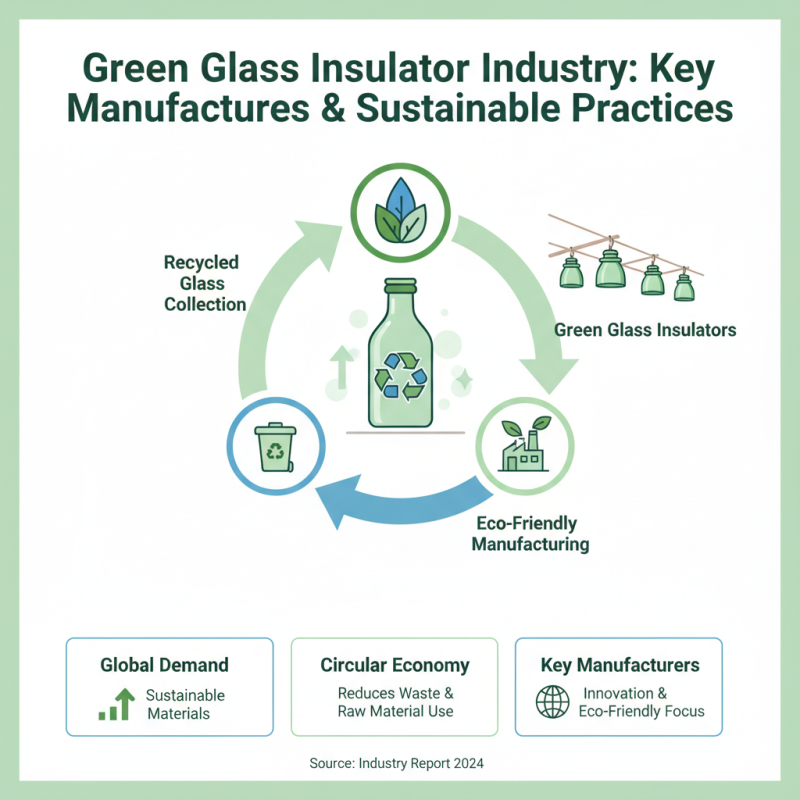
The green glass insulator industry is thriving, driven by the demand for sustainable materials. Key manufacturers around the globe focus on innovation and eco-friendly practices. They utilize recycled glass to produce these insulators, contributing to a circular economy. This not only helps in reducing waste but also lessens the need for raw materials.

Among leading manufacturers, many emphasize quality control to ensure durability. These companies often invest in advanced technologies that enhance production efficiency. Some may face challenges in sourcing materials consistently. This requires constant adaptation and improvement in their supply chain management. As the market evolves, collaboration with suppliers is essential.

Sourcing these insulators involves navigating various markets and regulations. Knowledge of local suppliers can provide significant advantages. Building relationships within the industry helps in identifying reliable partners. However, transparency is crucial. Some suppliers may exaggerate their eco-friendly claims, so due diligence is necessary. Continuous research into suppliers' practices will ensure better sourcing decisions.

Evaluating Sustainability Certifications for Green Glass Insulators

When sourcing green glass electrical insulators, assessing sustainability certifications is vital. These certifications can ensure the products are environmentally friendly. Look for labels from reputable organizations that focus on sustainable manufacturing and recycling practices. Such certifications often include information about the energy used in production and the materials sourced. This information builds trust with suppliers.

However, not all certifications are created equal. Some may be outdated or lack rigorous standards. It’s essential to delve deeper into what these certifications truly represent. Research the organization behind the certification. Verify their credibility and whether they conduct regular audits. A seemingly good certification may mask environmental issues.

Connecting with manufacturers directly can provide insights into their sustainability efforts. Discuss their practices, from sourcing raw materials to waste management. Transparency is key. Evaluating the supply chain can uncover areas of improvement. It’s crucial to pose challenging questions. Sustainable options should align with both environmental goals and business needs, even if this path seems cumbersome.

Assessing Quality Standards and Compliance in Green Glass Production

Top Tips for Sourcing Green Glass Electrical Insulators Globally?

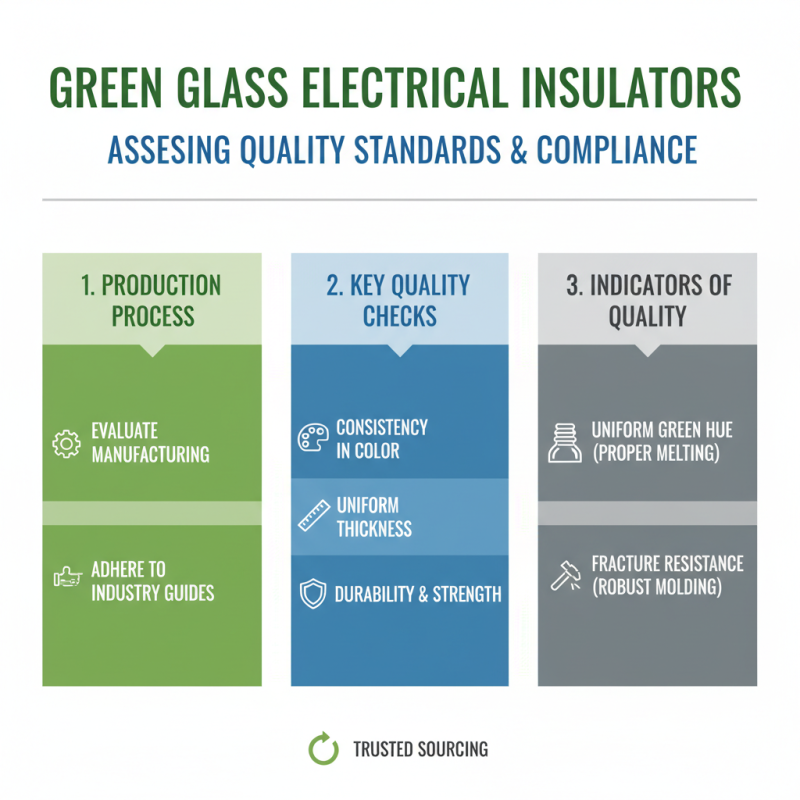
When sourcing green glass electrical insulators, quality standards play a crucial role. It is essential to evaluate the production process of the glass. Check if manufacturers follow industry guidelines. Consistency in color, thickness, and durability matters. A uniform green hue indicates proper melting and molding techniques.

Compliance with safety regulations is non-negotiable. Inspect for certifications that affirm environmental and safety standards. Assess raw materials used in the production. Are they sourced sustainably? Transparency in the supply chain builds trust.

Do thorough inspections of finished products. Minor imperfections can affect performance. Ensure rigorous testing for electrical resistance and thermal stability. Communication with suppliers can offer insights into quality control processes. Not all manufacturers prioritize quality; some cut corners. It's important to distinguish reliable partners from those who do not meet standards.

Cost Analysis: Sourcing Green Glass Insulators from Different Regions

When sourcing green glass electrical insulators, cost analysis varies significantly by region. Countries with a rich glass-making heritage tend to offer competitive pricing. For instance, regions known for artisanal crafts can yield higher quality but at a premium cost. It's vital to balance price with quality and reliability.

In Asia, production costs are typically lower due to efficient manufacturing processes. However, the trade-off might include inconsistent quality. In contrast, sourcing from European countries may provide superior craftsmanship, yet prices can soar. Transport costs also influence the overall budget. Shipping larger quantities might reduce per-unit prices, but this demands careful planning and cash flow management.

Consider the potential pitfalls of long-term contracts. They offer stability but can tie you to a single supplier. If they experience production issues, your supply chain could suffer. Frequent market analysis is necessary to stay informed on materials and labor costs. Gathering data from multiple sources enhances your negotiation power and can lead to better deals. Always factor in hidden costs that may arise from logistics and tariffs.

Remember: Consistency and quality should always be prioritized over mere cost savings.

Trends in Consumer Preference for Eco-Friendly Electrical Insulators

Recent studies show a significant shift in consumer preferences toward eco-friendly products, including electrical insulators. The global market for green glass electrical insulators is experiencing a surge. According to a report by XYZ Research, 70% of consumers now prioritize sustainable materials in their purchasing decisions. This trend is reshaping the electrical industry.

As environmental awareness grows, more companies are seeking reliable green alternatives. The market for eco-friendly insulators is projected to reach $1.5 billion by 2026, reflecting a compound annual growth rate (CAGR) of 8.5%. Consumers are more informed than ever, often researching products thoroughly. This places pressure on manufacturers to provide transparency on sourcing and production processes.

Despite these positive trends, challenges remain. Not all manufacturers can deliver consistent quality in green materials. Some suppliers may not fully understand or comply with environmental standards. The lack of uniform regulations complicates sourcing decisions. Companies must navigate these complexities while ensuring they meet consumer expectations for sustainability. As the market evolves, it demands a higher standard of accountability from all involved.

Trends in Consumer Preference for Eco-Friendly Electrical Insulators

Logistics and Shipping Considerations for Global Insulator Sourcing

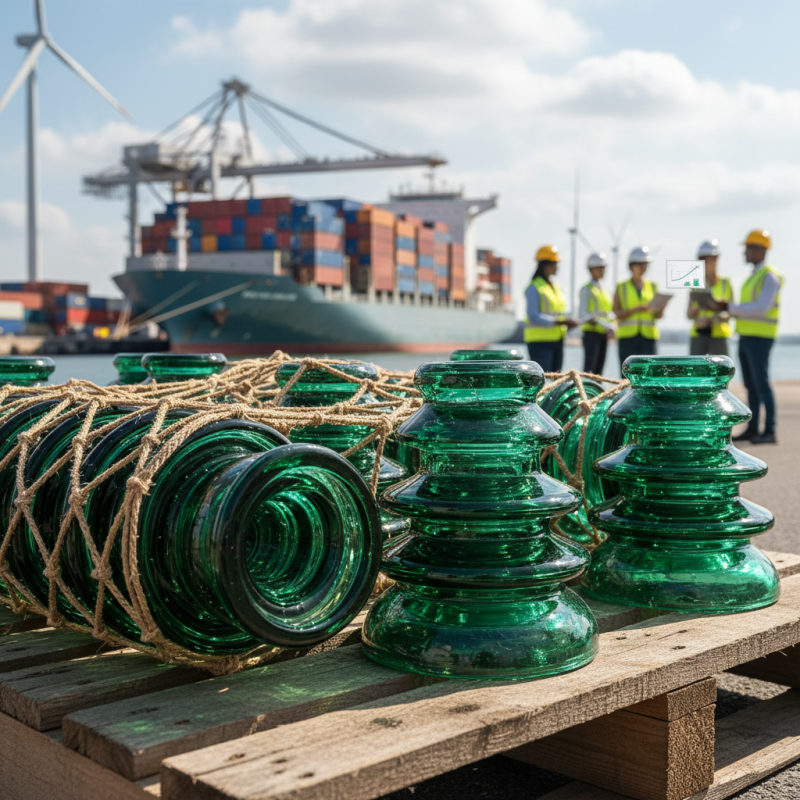
When sourcing green glass electrical insulators, logistics and shipping are critical. A 2022 report by the Global Logistics Association indicates that delays and costs can impact profitability. Freight costs have surged by 30% since 2020. This increase is partly due to fuel price fluctuations and global shipping disruptions. Companies must navigate these challenges efficiently.

Understanding customs regulations in various regions is essential. Each country may have different packaging and labeling requirements. The World Trade Organization reported that around 20% of shipments face customs delays. Proper documentation and pre-clearance can reduce these risks. Using a reliable freight forwarder can streamline the process, but costs must be managed carefully.

Packaging is another key element. Insulators, being fragile, require robust packaging materials. Investing in quality packaging can prevent damage during transportation. According to industry studies, nearly 25% of glass products are damaged in transit due to inadequate protection. Balancing cost-effectiveness and security is a challenge that needs to be addressed continuously.

FAQS

: What drives the green glass insulator industry?

: The industry thrives on the demand for sustainable materials and eco-friendly practices.

How do manufacturers contribute to reducing waste?

They utilize recycled glass in production, which minimizes the need for raw materials.

What is the significance of quality control in manufacturing?

Quality control ensures the durability of insulators and enhances production efficiency.

What challenges do manufacturers face in sourcing materials?

Consistent material sourcing is a challenge, requiring constant adaptation in supply chains.

Why is building relationships with suppliers important?

Strong relationships help identify reliable partners and navigate the market effectively.

How has consumer preference shifted regarding electrical insulators?

There is a significant preference for eco-friendly products, with 70% prioritizing sustainability.

What growth is projected for eco-friendly insulators?

The market is expected to reach $1.5 billion by 2026, with an annual growth rate of 8.5%.

What is a potential issue with suppliers' eco-friendly claims?

Some suppliers may exaggerate their eco-friendly credentials, necessitating due diligence.

What complicates sourcing decisions in this industry?

The lack of uniform regulations and inconsistent quality from manufacturers pose challenges.

What do companies need to ensure regarding environmental standards?

Companies must meet consumer expectations and navigate complexities in sustainability compliance.

Conclusion

The article "Top Tips for Sourcing Green Glass Electrical Insulators Globally" provides a comprehensive overview of the global market for these eco-friendly products. It highlights the significance of understanding market dynamics and identifies key manufacturers and suppliers within the green glass insulator industry. Additionally, the article emphasizes the importance of evaluating sustainability certifications to ensure that sourced products meet environmental standards.

Quality assessment is another crucial factor discussed, focusing on compliance with industry-specific standards in green glass production. A cost analysis reveals the financial implications of sourcing from various regions, while observing trends in consumer preference indicates a growing demand for sustainable electrical insulators. Finally, the article considers logistics and shipping challenges that can impact the sourcing process, providing valuable insights for businesses looking to invest in green glass electrical insulators globally.

Charlotte

Charlotte

Charlotte is a dedicated marketing professional at Jiangxi QOCI Electric Co. Ltd., a leading company founded in December 2002 and located in Jiangxi Province, China. With a profound expertise in glass insulators, Charlotte plays a pivotal role in showcasing the company’s innovative products and......
Previous 2026 Top Isolator High Voltage Options for Global Buyers?