In the fast-changing world of glass, really understanding the difference between Toughened Glass and Laminated Glass is super important for buyers around the globe who are after quality and durability. I mean, according to the Glass Association, the worldwide market for toughened glass is expected to grow quite a bit, mainly thanks to more building projects and the increasing need for energy-efficient materials. By the way, Jiangxi QOCl Electric Co. LTD., which’s been around since December 2002, is right there in Jiangxi Province, China. They’ve got some pretty advanced tech for making glass insulators and can even develop specialized glass products. Since Toughened Glass offers better safety and thermal resistance, it’s really worth considering especially for projects where strength and safety are key. This guide is here to help decision-makers get a clear picture so they can make smart choices in this pretty competitive industry. Trust me, it’s all about finding what works best for your needs without getting lost in the details.
Understanding Toughened Glass: Features and Benefits for Global Buyers
You know, toughened glass—sometimes folks just call it tempered glass—is made through this intense heating process followed by quick cooling. That’s what makes it way stronger than regular glass. Honestly, this unique manufacturing method helps it stand up to impact and thermal stress like a champ. Because of that, it’s a popular choice for all sorts of stuff—think building features, car windows, you name it. And here’s the good part: if it ever breaks, it doesn’t turn into dangerous shards. Instead, it breaks into small, dull pieces that are less likely to cause serious injuries. So, for buyers around the world after reliable, tough materials, toughened glass really hits the sweet spot—combining looks with top-notch safety features.
Plus, it’s not just about strength. Toughened glass comes in different finishes and custom styles, so architects and designers can really get creative without sacrificing safety. And it’s resistant to UV rays too, which helps prevent furniture and interiors from fading over time. That mix of practicality and style makes it a favorite in modern design trends everywhere. As technology advances, we’re probably going to see even more ways to use toughened glass—that’s pretty exciting for anyone in the global market looking for versatile, durable materials.
Ultimate Guide to Toughened Glass Versus Laminated Glass for Global Buyers
| Feature | Toughened Glass | Laminated Glass |
| Safety | Breaks into small, blunt pieces | Stays intact when shattered |
| Strength | Higher resistance to impact | Good resistance, but less than toughened |
| Sound Insulation | Standard sound reduction | Excellent sound insulation properties |
| Thermal Resistance | Highly resistant to thermal stress | Moderate thermal protection |
| Applications | Windows, facades, shower enclosures | Skylights, glass doors, security applications |
| Cost | Generally lower cost | Typically higher cost due to lamination process |
Exploring Laminated Glass: Advantages and Applications
Laminated glass? Oh, it’s pretty amazing stuff, honestly. It’s got a ton of benefits, which is why a lot of folks prefer to use it in all sorts of settings. Basically, it’s made up of two or more pieces of glass glued together with a special inner layer—like PVB or EVA, if you wanna get technical. One of the coolest things about laminated glass is how safe it is. If it ever breaks, that inner layer keeps all the shards stuck together, so it doesn’t turn into a dangerous mess or fly everywhere. That’s why you’ll see it used a lot in buildings, cars, and anywhere safety really matters.
But safety isn’t all it’s good for. It also does a great job blocking out noise and pesky UV rays. The inner layer can cut down sound quite a bit, making it perfect for city apartments or places near busy streets. Plus, it protects furniture and interiors from fading since it blocks harmful sunlight. All these things make laminated glass super versatile—whether it’s for windows at home, skylights, or giant building facades. When you think about it, with its combo of safety, noise reduction, and UV protection, it’s honestly a smart choice for anyone looking to boost both the looks and functionality of their project.
Comparative Analysis: Toughened Glass vs. Laminated Glass
When you're comparing toughened glass and laminated glass, it's really important to get a good grasp of what makes each type special and where they’re usually used. Toughened glass, which some folks just call tempered glass, is made by heating it up to really high temperatures and then cooling it down super fast. That process makes it up to five times stronger than regular glass. According to a report from the Glass and Glazing Federation, toughened glass makes up about 60% of the market in building projects — mainly because it’s tough, impact-resistant, and can handle thermal stress pretty well.
On the flip side, laminated glass is a bit different. It’s basically layers of glass glued together with special interlayers, which boost safety and help with noise insulation. The World Glass Federation says it’s especially popular in places where safety matters a lot — like skyscrapers and public buildings — holding roughly 30% of the market. The cool thing about laminated glass is that it stays in one piece even if it shatters, making it a go-to choice when durability and security are priorities. Ultimately, deciding between toughened and laminated glass really depends on what your project needs — safety, strength, or maybe noise reduction. So, it’s all about picking what fits best for what you’re trying to do.
Key Factors to Consider When Choosing Glass Types
When you're trying to pick the right type of glass for your project, it’s really important to think about a few key factors—mainly, whether toughened or laminated glass makes more sense for what you're doing. Toughened glass is pretty much the go-to when you need something strong and impact-resistant. You'll see it often used in things like glass doors or shower enclosures. Fun fact: industry reports suggest that the global market for toughened glass is actually set to grow quite a bit, thanks to rising demand in construction and automotive sectors.
On the flip side, laminated glass has some pretty cool safety perks. It’s excellent at insulating sound, offering UV protection, and, most importantly, it’s way better at holding it together if it ever shatters. It’s made of two or more layers of glass bonded with a special interlayer, which adds that extra layer of security. Also, the interest in laminated glass is climbing within the building industry, with the market expected to grow at around 3.7% annually in the U.S. by 2030.
**A couple of tips:** When you’re deciding between toughened and laminated glass, think about what your project specifically needs—safety first, right? If safety or security is your main concern, laminated glass is probably the best pick. And don’t forget about sustainability—more and more industries are pushing for eco-friendly materials, so keep that in mind when making your choice, especially if you want to keep things green.
Cost Considerations: Toughened versus Laminated Glass
When you're weighing the costs between toughened glass and laminated glass, it’s really worth looking beyond just the sticker price and thinking about what you get in the long run. Toughened glass is known for being super strong and safe, but it usually costs about 10 to 20% more than your typical float glass. Plus, according to the Glass Association of North America, the installation can bump up the overall expense because this type of glass needs special handling. That said, it can be totally worth it in the end — especially in busy areas where security and durability matter the most.
On the flip side, laminated glass has its own perks. It’s particularly great for cutting down noise and blocking UV rays. It tends to cost about 15 to 30% more than standard glass, but sometimes it can be a more economical choice compared to toughened glass if you’re after certain features. A study by the International Glass Association points out that even though laminated glass might hit your wallet a bit harder upfront, it can save you money over time thanks to better energy efficiency and less frequent replacements. So, basically, folks should think about what they really need — balancing those initial costs with the long-term benefits is the key here.
Global Market Trends: Demand for Alternatives in Glass Solutions
Lately, you’ve probably noticed that the global market is really heating up when it comes to looking for alternatives to traditional glass solutions. A big part of that is because people are more aware of sustainability these days. One resource that’s come under the spotlight is kaolin — you know, that clay-like stuff used in everything from ceramics and paper to agriculture and even environmental science. It’s kind of a tricky balance, though. On the one hand, extracting kaolin boosts our economies and keeps industries running; on the other, it can cause real environmental headaches like soil erosion and pollution. So, it’s clear that adopting more sustainable mining practices isn’t just a good idea — it’s essential if we want to grow without wrecking the planet.
At the same time, as the push for eco-friendly materials gets stronger, industries are starting to get creative in finding new options. You can see this shift in markets like fibreglass-reinforced products and automotive composites, which are expected to see pretty impressive growth rates. It’s pretty clear that companies and consumers alike are leaning toward solutions that are greener and more sustainable. Putting sustainability front and center in manufacturing doesn’t just help business grow — it also answers what more and more people are looking for: products that match our environmental values. All in all, it feels like we’re heading toward a future where industry and nature can actually work together, rather than be at odds.
Harnessing High Voltage Safety: Exploring the 420kN Anti-Fog Toughened Glass Suspension Insulator U420BP
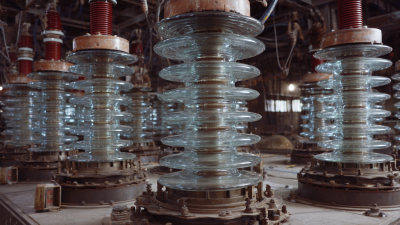
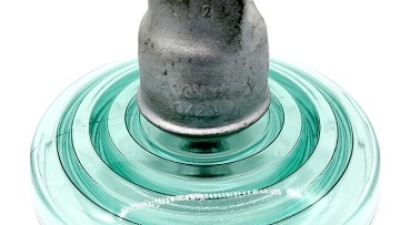
The demand for reliable high voltage solutions has never been greater, especially as power grids continue to expand and evolve. The U420BP, a high voltage suspension insulator, stands out in this field with its impressive 420kN load rating and robust anti-fog design. This toughened glass insulator is engineered to withstand harsh environmental conditions, ensuring consistent performance and reliability even in the most challenging scenarios. Its anti-pollution properties, compliant with IEC standards, make it an excellent choice for installations in areas prone to contamination from industrial activities or natural elements.
The U420BP insulator’s toughened glass disc is not only designed for durability but also engineered for enhanced electrical insulation. This key feature significantly reduces the risks associated with electrical discharge, promoting safer high voltage operations. The superior design elements—such as its resistance to mechanical stress and chemical damage—ensure it can effectively support overhead transmission lines while maintaining optimal safety standards. As we move forward into a future that demands greater energy resilience, investing in high voltage equipment like the U420BP is essential for infrastructure development and environmental protection.
FAQS
: Toughened glass, also known as tempered glass, is manufactured through extreme heating and rapid cooling, which significantly increases its strength compared to standard glass.
Toughened glass shatters into small, blunt pieces when broken, which reduces the risk of serious injury, enhancing its safety features over regular glass.
Toughened glass is ideal for various applications, including architectural elements and automotive windows, due to its ability to withstand high impact and thermal stress.
Yes, toughened glass is available in various finishes and customization options, allowing architects and designers to create stunning visual effects without compromising safety.
Toughened glass is resistant to UV radiation, which helps prevent the fading of interior furnishings, making it a practical choice for various settings.
There is a growing demand for sustainable alternatives in glass solutions, driven by increasing awareness of sustainability and consumer preferences for environmentally friendly products.
The extraction of kaolin can lead to significant environmental challenges, including soil degradation and pollution, necessitating sustainable mining practices.
As industries prioritize sustainability, there is expected growth in markets for fibreglass reinforced materials and automotive composites, responding to consumer demand for eco-friendly solutions.
Emphasizing sustainability in production processes not only supports market growth but also aligns with increasing consumer demand for products that adhere to green initiatives.
Toughened glass offers a blend of practicality, aesthetic appeal, and unparalleled safety performance, making it a preferred material among designers and architects in contemporary design trends.
Conclusion
Hey there! In our 'Ultimate Guide to Toughened Glass vs. Laminated Glass for Global Buyers,' we dive into what makes each of these glass types special. Toughened glass is well-loved for its incredible strength and safety features, making it perfect for a bunch of different uses. Meanwhile, laminated glass brings some pretty cool benefits like noise reduction and blocking out UV rays, so it really hits different market needs. We compare the two side by side, pointing out the key things buyers should think about — like cost and what exactly they’ll be using the glass for.
At Jiangxi QOCI Electric Co., Ltd., we’re all about pushing the boundaries with innovative glass solutions. To stay ahead, it’s super important to understand what's happening in the global market for toughened and laminated glass. As demand shifts and new trends pop up, companies need to stay flexible and adapt so they can truly meet what customers are after. This guide’s a handy resource for folks around the world who want to make smarter, more informed choices when buying glass materials — it’s all about making their lives easier!