You know, in the fast-changing world of electrical utilities, having reliable and efficient Insulators is super important. Take the 120 kN Disc Insulator, for example—it’s a key player in overhead transmission lines. From what I’ve read in industry reports, the global insulator market is on track for some pretty significant growth. Why? Well, there’s a growing demand for infrastructure development and electrification in developing economies that’s really driving things forward.
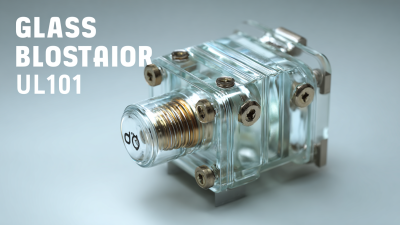
Now, let me tell you a bit about Jiangxi QOCI Electric Co. LTD. They kicked things off back in December 2002 over in Jiangxi Province, China, and they're all about using cutting-edge production technologies along with strong research and development to keep up with these demands. Our focus on high-quality glass insulators means we’re set to meet the global needs of our customers, all while sticking to international standards.
So, in this ultimate guide, we’ll dive into the best strategies for picking the right 120 kN disc insulator. This way, businesses can make smart choices when it comes to procurement in today’s competitive market.
Understanding the Role of 120 Kn Disc Insulators in Global Procurement
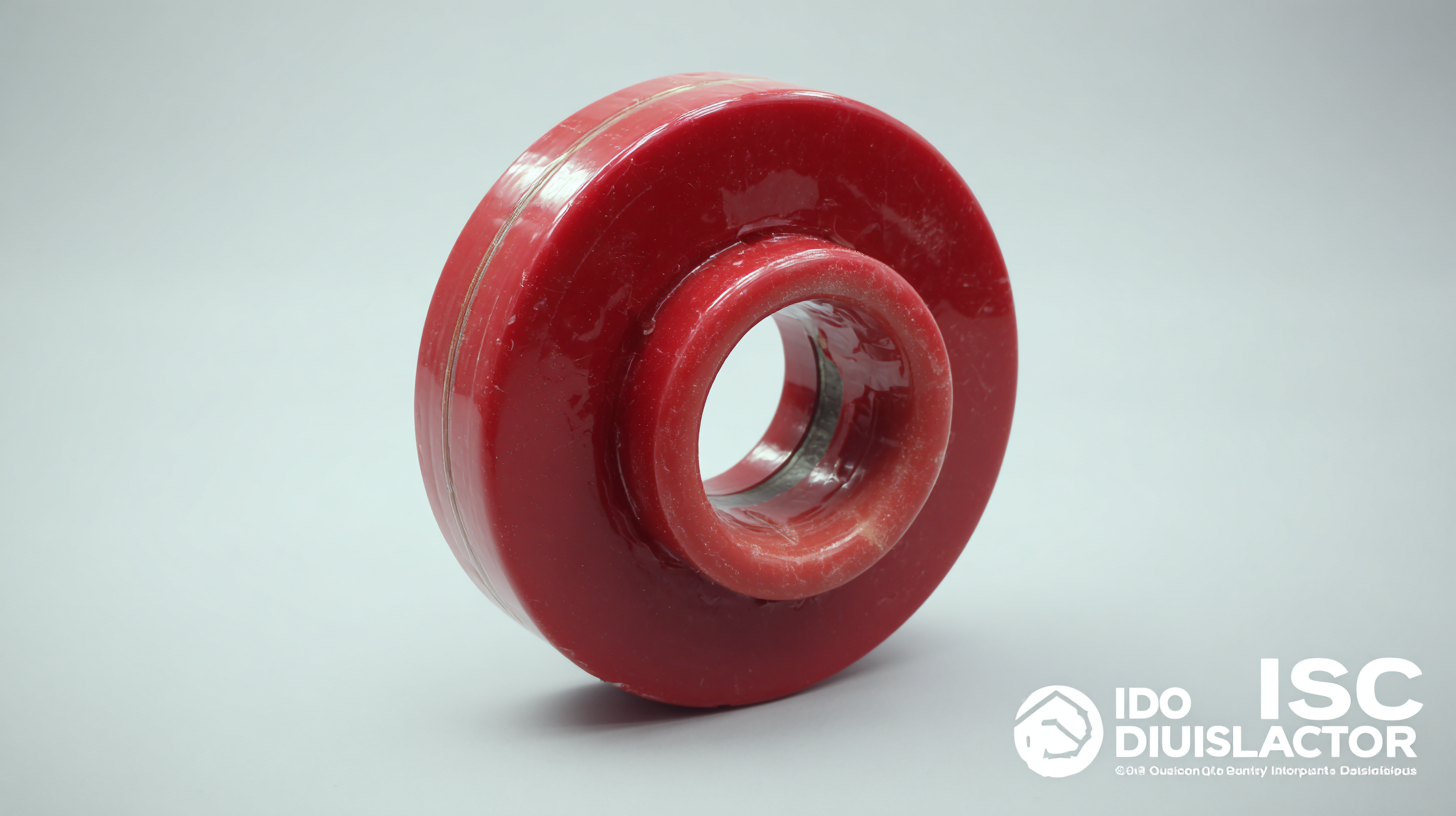
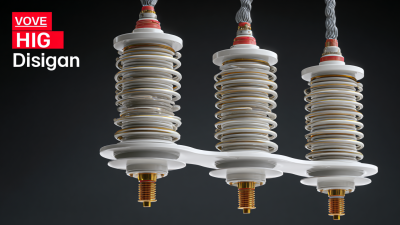
So, let's talk about those 120 kN disc insulators and why they really matter in global procurement. You see, these insulators are crucial for keeping our electrical transmission and distribution systems reliable and efficient. They're the ones that hold up the overhead lines and provide that all-important electrical insulation between the wires and the structures that support them. Lately, there's been a big spike in the demand for glass insulators, especially the 120 kN disc type. Why? Well, they perform really well under high mechanical and electrical stress, which is why so many modern infrastructure projects around the globe are turning to them.
When you're on the hunt for the right 120 kN disc insulator, there are a few things to keep in mind. Think about the environmental conditions where it'll be used and what your operational needs are. For example, those insulators made with advanced glass formulations tend to hold up better against all kinds of wear and tear from the environment and mechanical failures, which means you're looking at something that lasts longer and keeps everything safe. Plus, when these products are tested and certified by reputable institutes, it just adds that extra layer of trust. Doing your homework on this stuff during procurement is super important.
A few tips for your procurement journey: Check out the manufacturer's production capabilities and tech, and see if they’re bringing any new innovations in insulator technology to the table. Picking suppliers who are all about research and development can really give you peace of mind that their products meet strict quality standards. And hey, it never hurts to brush up on industry standards to ensure you’re sticking to best practices in electrical engineering!
Key Factors to Consider When Choosing a 120 Kn Disc Insulator
When you're picking a 120 kN disc insulator, there are a bunch of key factors to keep in mind. These can really make or break the efficiency and reliability of power transmission systems, you know? First off, let’s talk about the material. The choice between ceramic and polymer insulators is huge—they both have their pros and cons. For example, ceramic insulators tend to perform better in rough weather, which is super important in some areas. On the flip side, polymer insulators are lighter and a lot easier to install, which is a big plus for many applications.
Then there's the whole mechanical strength and electrical resistance angle. A recent study pointed out that fine-tuning design parameters for Extra High Voltage (EHV) transmission lines can really boost the reliability of our power grids. Basically, if you're dealing with high-stress situations, you want insulators that can handle it—higher ratings are definitely the way to go for keeping things running smoothly over the long haul. And don’t forget about compatibility with the current infrastructure; doing this right can save you a ton in retrofit costs and just make the whole system more efficient. As our hunger for reliable electricity keeps growing, getting a grip on these factors is crucial for any procurement strategy.
Comparing Different Types of 120 Kn Disc Insulators: A Comprehensive Overview
So, if you're on the hunt for the best 120 kN disc insulator for your global procurement needs, you really need to check out the different types out there. You’ve got three main options: porcelain, glass, and polymer insulators. A report from MarketsandMarkets says that the global insulator market is set to jump from about USD 12.6 billion in 2021 to USD 16.0 billion by 2026. This growth is mainly fueled by our increasing appetite for renewable energy and the pressing need for reliable transmission systems, which is pretty exciting stuff!
Now, porcelain insulators are pretty tough and resistant to the elements, which makes them a go-to choice in traditional settings. According to the International Energy Agency (IEA), these porcelain beauties snag about 60% of the market share in high-voltage applications. On the flip side, polymer insulators are becoming more popular because they’re lightweight and have great hydrophobic properties. This means they perform really well in rough environments. Oh, and a recent study mentioned that polymer insulators can cut maintenance costs by up to 30% compared to their porcelain counterparts. That’s definitely something to think about if you’re keeping an eye on budget!
Ultimately, picking the right type of insulator isn’t just about their physical traits. You’ve also gotta consider what your specific project needs are and what the climate's like where you’re working. Things like pollution levels, where you're installing them, and the latest advancements in material science all play a part in ensuring you choose the best 120 kN disc insulator for your situation.
The Impact of Material Selection on 120 Kn Disc Insulator Performance
Choosing a 120 kN disc insulator? Well, picking the right materials is super important if you want it to last and perform its best. Different materials come with their own strengths—things like dielectric strength, how well they handle heat, and how durable they are in tough conditions. Now, you've got your porcelain and composite materials as the go-to options, and each has its perks. Porcelain is tough as nails and can really stand up to the elements, making it a solid choice for more traditional setups. On the flip side, composite materials shine when it comes to dealing with pollution and are lighter, which definitely makes installation a breeze in a bunch of different situations.
Quick tip: When you're checking out materials, think about the environmental conditions where your insulators are going to be used. If you're working in coastal or industrial areas, composite insulators might be the way to go since they’re less likely to get messed up by corrosion. And, oh, don’t forget to double-check that the material meets industry standards—this helps you steer clear of any nasty surprises with electrical failures later on.
Another thing to keep in mind is the quality of the manufacturing. Insulators that are made with precision usually perform way better—they've got higher mechanical strength and can handle more stress without breaking a sweat. Regularly reviewing your suppliers is a smart move to make sure you're sticking with brands that consistently deliver high quality.
Another tip: Make it a habit to ask manufacturers for performance data sheets. Comparing the mechanical and electrical properties of various insulator materials can really help you make choices that fit your specific project needs.
Global Standards and Regulations for 120 Kn Disc Insulators
So, when you're out there looking to buy a 120 kN disc insulator for global needs, it’s really important to get a grip on the standards and regulations that come into play. You've got a bunch of international guidelines, like those from the IEC (International Electrotechnical Commission) and ANSI (American National Standards Institute). These folks have set some pretty tough safety and performance benchmarks for insulators. They pretty much cover everything from mechanical strength to electrical properties and even how durable the insulators are in different environments. Basically, they want to make sure these insulators can handle whatever comes their way in real-world situations. So, double-checking that any insulator you consider meets these standards is key for ensuring reliability and safety, especially when it comes to those high-voltage transmission lines.
On top of that, keep in mind that different regions might have their own specific regulations you need to think about. Sometimes, what’s required locally can be quite different, and skipping over these could mean delays or, yikes, expensive fines. Suppliers should really back up their claims with proper documentation showing they’re compliant with both the international rules and the local ones. By taking the time to dive deep into these global standards, procurement pros can make their selection process a lot smoother and ensure they pick the right 120 kN disc insulator that ticks all the boxes for their operational needs and regulatory demands.
Ultimate Guide to Selecting the Best 120 Kn Disc Insulator for Global Procurement Needs - Global Standards and Regulations for 120 Kn Disc Insulators
| Parameter | Value | Standard Compliance | Country of Origin | Material |
| Electrical Strength | 120 kN | IEC 60383-1 | China | Porcelain |
| Diameter | 250 mm | BS EN 60168 | Germany | Glass |
| Creepage Distance | 600 mm | ANSI C29.1 | USA | Composite |
| Weight | 15 kg | IEC 60556 | India | Porcelain |
| Color | Grey | ASTM D792 | Japan | Glass |
Best Practices for Sourcing and Testing 120 Kn Disc Insulators in Procurement
So, when you're on the hunt for 120 kN disc insulators for global procurement—which is a pretty big deal—following some solid best practices for testing and evaluation really matters. One of the key methods to keep in mind is performing static pile load tests. These help us figure out the ultimate bearing capacity of foundation piles, which is super important. I mean, nobody wants to deal with the headaches that come from foundation failures, right? Especially in the world of geotechnical engineering, where those failures can create some serious structural problems.
Now, by using reliable testing methods, we can be pretty confident that the insulators we choose hit all the necessary safety and operation marks for different applications. During the procurement process, it’s not just about checking off the specs for the 120 kN disc insulators—you also have to dive into their performance with systematic testing. When we really get to grips with how the insulator materials interact with dynamic loads, procurement folks can make smarter choices. This way, they’re picking out the best insulator for whatever project they’re tackling. This approach, which is driven by data, can really ramp up project success rates and keep things running smoothly.
FAQS
: The commonly used materials for 120 kN disc insulators are ceramic and polymer. Ceramic insulators excel in withstand voltage and environmental durability, while polymer insulators are lighter and easier to install.
Ceramic insulators provide superior performance in adverse weather conditions compared to polymer insulators, making them more reliable for harsh environments.
Mechanical strength is crucial as it prevents failures in high-stress scenarios, ensuring the long-term operational integrity of power transmission systems.
High electrical resistance helps prevent electrical failures and enhances the overall reliability of power grids, especially in Extra High Voltage (EHV) transmission lines.
Compatibility with existing infrastructure should be assessed to minimize retrofit costs and improve overall system efficiency.
Conducting static pile load tests is recommended to determine the ultimate bearing capacity of foundation piles and evaluate the performance of selected materials under load.
By incorporating reliable testing methods and analyzing performance data, procurement professionals can make informed decisions about the best insulators for specific project needs.
A data-driven approach enhances project success rates and operational reliability by ensuring that chosen insulators meet safety and operational requirements.
Optimizing design parameters enhances the reliability of power transmission systems, thus preventing failures and improving operational integrity.
The increasing demand highlights the importance of understanding key factors related to insulator selection, ensuring that procurement strategies align with the need for reliable electricity supply.