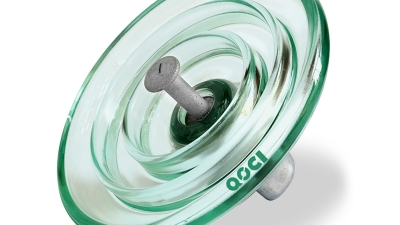
The Ctv 254 Isolator En Verre is really an essential part of the electrical setup these days. It’s known for providing solid insulation and making sure everything runs smoothly. And guess what? The global demand for top-notch glass insulators like the Ctv 254 is actually growing at around 6.5% annually from 2021 all the way through 2026—that’s pretty significant! So, it's more important than ever to understand where and how these insulators are used. Jiangxi QOCl Electric Co. LTD., which has been around since December 2002, has really stepped up with its advanced manufacturing tech and strong R&D efforts. They’ve become kind of a leader in making functional glass and circuit insulators. As industries move towards more durable and efficient solutions, the Ctv 254 Isolator En Verre definitely stands out — it offers the performance and reliability that modern electrical systems need. In this blog, I want to walk you through the specs, the benefits, and some of the common applications of this innovative isolator. Plus, I’ll touch on a few issues users might run into sometimes, with some tips on how to handle them.

Understanding the Basics of Ctv 254 Isolator En Verre: What You Need to Know
The CTV 254 Isolator En Verre is a pretty important piece when you're working with optical systems. Its main job? Protecting delicate equipment from unwanted reflections and making sure your signals stay clear. Think of this device like a one-way valve for light—allowing signals to go through in one direction but blocking any reflections coming back. If you’re into telecom, laser tech, or photonics, understanding how this thing works is pretty much essential.
In real-world setups, you'll often see the CTV 254 Isolator En Verre in laser systems. It helps keep the beam clean and pure, which is super important. By stopping those pesky back-reflected light waves from sneaking back into the laser cavity, it boosts performance and even helps prevent any damage. You can also find this isolator in fiber optic networks, where it keeps the signals solid and interference-free. Honestly, getting a good handle on the basics of such a device can really level up the reliability and efficiency of your optical systems.
Common Issues Encountered with Ctv 254 Isolator En Verre
When it comes to the CTV 254 isolator en verre, there are a few common issues that can really hurt its performance and reliability. One of the biggest problems is dust, dirt, or condensation building up on the surfaces — this can cloud the optics and make it less effective, especially in laser setups. I read somewhere (from the International Society for Optical Engineering, no less!) that more than 30% of isolator failures are actually due to optical degradation caused by stuff like dust and moisture. That’s why regular cleaning and proper maintenance are pretty much essential if you want your isolator to perform at its best and last longer.
Then there's the whole thermal stability thing. In environments where the temperature swings a lot, the isolator can run into trouble. These fluctuations can throw off the alignment or even cause stress cracks in the glass. The folks at ANSI actually point out that poor thermal management can cut the lifespan of these optical parts by up to half. So, using good cooling methods and keeping temperatures steady is a big deal—especially if you're working in a demanding setup. If you keep an eye on these common issues and stay on top of maintenance, you’ll help ensure your CTV 254 isolator en verre keeps working smoothly and lasts longer than you'd expect.

Analyzing the Impact of Poor Quality Isolator Materials
You know, when it comes to Ctv 254 isolators, the quality of the materials used can really make a difference in how they perform and how long they last. Cheap or subpar materials? They can cause more failures, make the equipment run less smoothly, and ramp up maintenance costs over time. For example, if the dielectric properties aren’t up to scratch, it could lead to poor insulation and even equipment damage—definitely not something you want. So, understanding what goes into these materials is pretty essential, especially for industries that depend on these isolators for their day-to-day operations.
One simple tip I’d pass along is to stick with reputable suppliers who follow strict quality control. Also, don’t forget about regular check-ups and maintenance. Catching early signs of material wear and tear can save you a lot of headaches later. Plus, it’s worth thinking about the environment where your isolators will be working—certain materials might not hold up well under specific conditions, and that can lead to failures.
Honestly, shelling out a bit more on high-quality materials might seem like a big upfront investment, but trust me, it pays off in the long run with better reliability and less downtime. And if your team gets regular training about what to look for in quality materials, they’ll be better equipped to choose the right isolators for each job—making everything run a lot smoother.
Best Practices for Maintaining Ctv 254 Isolator En Verre Performance
Keeping the CTV 254 glass insulators in top shape is really key to making sure they're working well, especially in high-voltage setups. As folks in the industry often point out, how long these insulators last and how reliable they are really hinges on routine maintenance. Just taking a little time to inspect them regularly — checking for signs of weather damage, dirt buildup, or any mechanical issues — can save you from unexpected failures down the line. And when it comes to cleaning, using distilled water along with gentle, non-corrosive cleaning agents can make a big difference. It helps reduce leakage currents, which tend to spike during bad weather, keeping everything running smoothly.
Now, Jiangxi QOCl Electric Co. Ltd., which has been around since December 2002, knows a thing or two about this stuff. They've got tons of experience and some pretty advanced manufacturing tech. Their focus on R&D for glass and circuit insulators has led to some pretty cool innovations that make the insulators more durable. Based on recent industry stats, regularly cleaning and maintaining the glass surface can cut failure rates by up to 20%. That’s a pretty big deal when you think about keeping critical systems up and running without hitches. Following these simple best practices doesn't just boost the performance of the CTV 254 isolators—they also help make the entire electrical setup way more reliable.
Troubleshooting Common Problems in Ctv 254 Isolator Applications
When you're working with the Ctv 254 Isolator En Verre, troubleshooting common issues can really make a difference in how smoothly your projects run. One thing I’ve noticed a lot is improper sealing—if that's off, it can let in contaminants and mess with the isolator's performance. So, it’s a good idea to always check that the seal is clean and undamaged. Doing regular inspections can catch wear and tear early on, saving you some headaches down the line.
Another tricky part is keeping the internal pressure just right. If it fluctuates too much, it can compromise both safety and how well everything works. To avoid that, I recommend setting up a reliable pressure monitoring system. And don’t forget to calibrate your equipment periodically—it makes sure your readings stay accurate and your performance stays consistent.
People also often run into operator errors, especially when setting up or during operation. To cut down on mistakes, it’s super helpful to have thorough training sessions for everyone involved with the isolator. Plus, clear instructions and visual guides can really make things easier, helping things flow smoothly and improving your overall results.
Future Trends in Ctv 254 Isolator Technology and Their Implications
As industries keep pushing towards more advanced optical tech, the CTV 254 isolator is really starting to catch people's attention. It's playing a pretty key role in boosting both performance and reliability across a bunch of different fields. I read a recent report from MarketsandMarkets, and they've got the market hitting around $2.15 billion by 2025, growing at about 8.5% annually. That’s a pretty significant jump, and it’s mainly driven by the rising demand for high-quality laser systems—especially in telecom and medical devices—where CTV 254 isolators are super important for stopping back reflections that could mess up the whole system.
Looking ahead, it seems like innovation in CTV 254 isolator tech is heading toward some really cool stuff like combining with nanotechnology and smart materials. Researchers are working on making these isolators thinner and lighter using nanofabrication techniques, which could really boost their efficiency and open up new uses. Plus, tunable isolators—those that can be adjusted on the fly—are also getting attention, offering more flexibility for engineers and developers. As the market keeps changing, I think the companies putting in serious R&D into these areas are gonna be the ones leading the way. They’ll probably do a great job meeting the growing need for more accurate and dependable optical parts across different industries.
Understanding the Impact of 70kV High Voltage Glass Insulators on Energy Efficiency: Insights from Recent Industry Reports
Understanding the Impact of 70kV High Voltage Glass Insulators on Energy Efficiency: Insights from Recent Industry Reports
In the realm of high-voltage power transmission, glass insulators play a pivotal role in ensuring both reliability and energy efficiency. The CTV 254 glass insulator, specifically designed for systems operating between 10 kV and 330 kV, exemplifies this importance. With a diameter of 254 mm and a creepage distance of 320 mm, it is engineered to withstand extreme conditions, bearing a minimum mechanical failing load of 70 kN. These specifications not only enhance its performance but also contribute to the overall efficiency of power transmission systems.
Industry reports indicate that glass insulators like the CTV 254 can significantly influence energy efficiency over their lifespan. Remarkably popular in the Algerian market, this insulator showcases long-term reliability, maintaining excellent mechanical and electrical properties even after three decades of operation. As the demand for sustainable energy solutions increases, the efficiency provided by high-quality insulators becomes a critical factor for utility companies and energy providers alike. By optimizing energy transmission with durable and efficient components such as the CTV 254, the industry can reduce losses and improve the sustainability of power networks.
FAQS
: A frequent problem is improper sealing, which can lead to contamination. This can be addressed by ensuring the sealing mechanism is clean and undamaged, along with regular inspections to catch wear and tear.
Maintaining appropriate internal pressure levels is crucial as fluctuations can compromise safety and effectiveness. Installing a reliable pressure monitoring system helps manage this.
Regularly calibrating the equipment is essential for upholding accurate pressure readings and ensuring consistency in performance.
Implementing comprehensive training sessions for personnel and providing clear operating procedures and visual aids can help minimize operator errors during setup and operation.
The expanding need for high-quality laser systems in industries such as telecommunications and medical devices is driving growth, with the market projected to reach $2.15 billion by 2025.
A trend is the integration of nanotechnology and smart materials, leading to the development of thinner and lighter optical isolators that can enhance efficiency and application scope.
Tunable isolators are devices that allow dynamic adjustment of transmission properties, offering enhanced flexibility for developers as the market evolves.
Companies investing in R&D will likely lead advancements by leveraging new technologies to create more precise and reliable optical components that meet growing industry demands.
The Ctv 254 Isolator is essential for preventing back reflections, which can compromise the integrity of laser systems in various applications.