When it comes to modern electrical systems, getting a solid grasp on Ht Insulators is pretty important if you want things to run smoothly and reliably. These high-voltage insulators are actually pretty crucial—they help protect the whole infrastructure from environmental stuff like rain, wind, or dirt, while also making sure that those high voltages can travel long distances without a hitch. As demand for more powerful and efficient electrical setups keeps growing, staying on top of new insulator tech gets more and more essential.
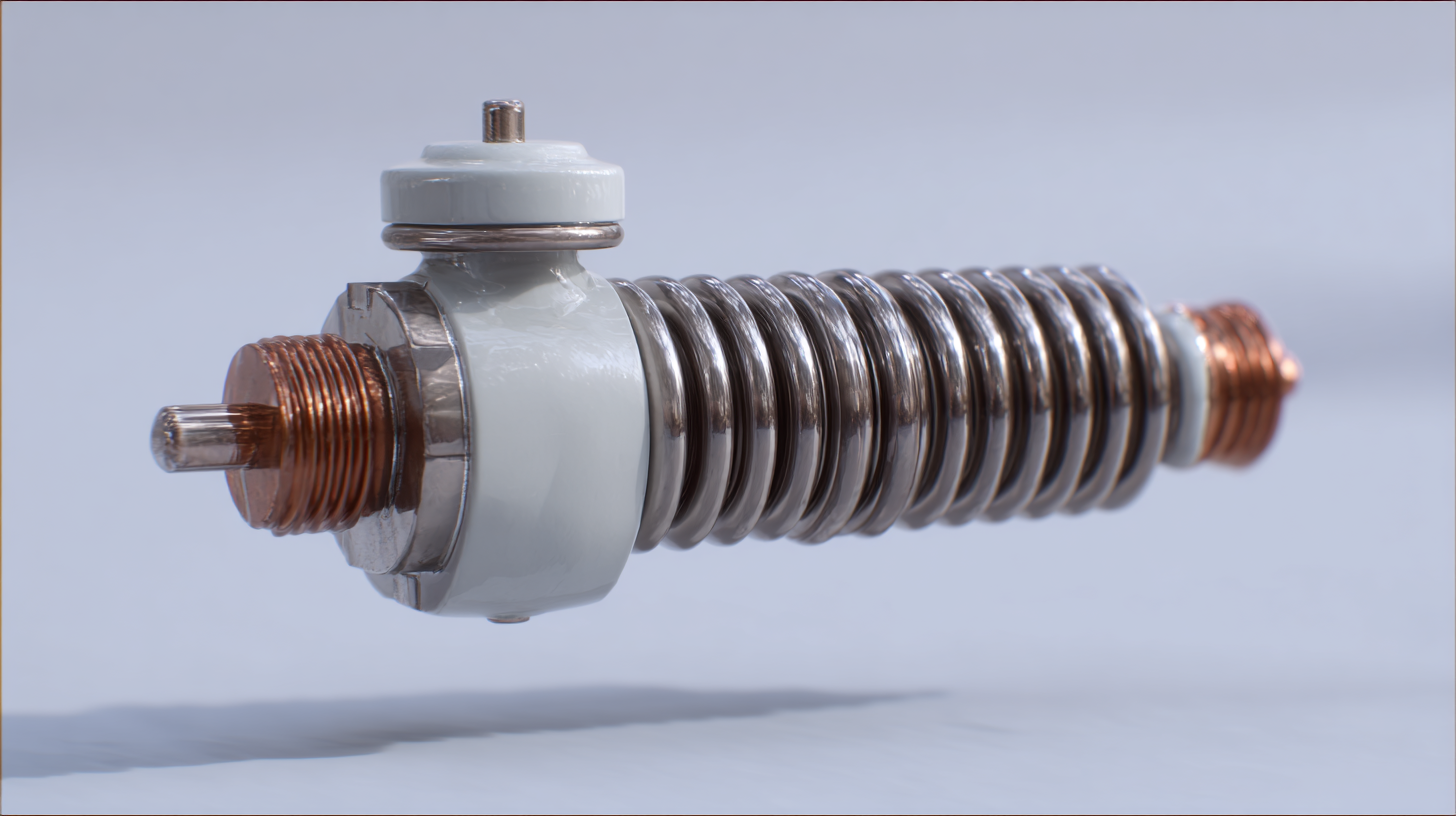
A company like Jiangxi QOCl Electric Co. LTD., which has been around since December 2002 and is based in Jiangxi Province, China, really shows how insulator manufacturing has evolved. They use cutting-edge production methods and put a big focus on R&D, especially when it comes to glass insulators—like specialized functional glass and circuit insulators. QOCI is definitely leading the way in offering solutions that handle the challenges of today’s electrical grids.
Knowing why Ht insulators matter can really help everyone involved make smarter decisions—leading to better performance and longer-lasting electrical systems.
Understanding the Role of HT Insulators in Electrical Infrastructure
High Voltage (HT) insulators are pretty much the unsung heroes when it comes to keeping our electrical systems running smoothly and safely. Think of them as the backbone of modern power setups—they’re built to handle really high voltages and stop electrical sparks or discharges from causing big problems, like system failures. You’ll find them everywhere—on transmission lines, in substations, and all over the electrical grid—doing the crucial job of keeping everything safe and intact.
Now, their importance really shows up in tough environments where electrical hiccups happen more often. These insulators basically act as barriers between conductive parts, making sure electricity flows the right way without any unwanted hiccups. They’re pretty good at dealing with stress from high voltages, weather changes, pollution, and even mechanical stress. Because of them, electrical systems tend to last longer and perform better. Plus, by keeping things stable and reliable, they help cut down on maintenance costs, which makes them pretty much essential in modern electrical engineering—no kidding!
Importance of HT Insulators in Modern Electrical Systems
This chart illustrates the importance of various factors that contribute to the effectiveness of HT insulators in electrical systems, rated from 1 to 10. Each factor plays a critical role in ensuring the reliability and efficiency of electrical infrastructure.
Key Characteristics of High-Voltage Insulators Explained
High-voltage insulators are pretty much the backbone of today’s electrical systems, especially when we talk about ultra-high voltage (UHV) transmission. These insulators are key players in making sure that electricity stays put — no leaks, no system failures — even under intense conditions. According to some reports from the International Energy Agency, as countries shift more toward cleaner energy sources, the need for tough, reliable insulation tech is only going to grow. The materials used in these insulators, like porcelain and composites, really matter when it comes to how well they perform, how long they last, and how they stand up against the elements.
Lately, there have been some pretty exciting advancements in insulator tech, which makes sense given our skyrocketing energy needs. Industry leaders note that new materials are helping cut down on energy losses during transmission — a big deal when everyone’s after more efficiency. You can really see this happening in places like China, where they’re going all in on UHV transmission lines. It’s a move that not only makes their power grids more stable and capable but also pushes global efforts to build interconnected energy systems. The end goal? Less energy wasted during transmission, and a more reliable, efficient power supply overall.
Types of HT Insulators and Their Specific Applications
High Tension (HT) insulators are pretty much the backbone of today's electrical systems. They play a key role in keeping everything safe and running smoothly when it comes to power transmission. Basically, these insulators are built to handle crazy high voltages and tough environmental conditions—no small feat. You’ll find them pretty much everywhere: overhead power lines, substations, industrial plants—you name it. And getting to know the different types out there—like porcelain, glass, and composite insulators—really helps when you’re trying to pick the right one for specific needs and conditions.
On another note, the market for Cross-Linked Polyethylene (XLPE) cables is growing pretty fast. From an estimated $35.84 billion in 2024, it’s expected to jump to around $58.66 billion by 2032, with a compound annual growth rate of about 6.35%. That just shows how much more people are craving those reliable insulating materials. XLPE cables are super popular because they offer excellent insulation and last a long time, especially for high-voltage setups. As industries keep upgrading their electrical infrastructure to keep up with the world’s energy needs, the importance of high-quality HT insulators really becomes clear. They help make sure our electrical systems stay resilient, efficient, and safe—that’s kind of a big deal, don’t you think?
Best Practices for Installing HT Insulators in Electrical Systems
When you're installing high tension (HT) insulators in electrical systems, paying close attention to every little detail really matters if you want them to perform well and stay safe over the long run. The first thing, of course, is choosing the right insulator material. Depending on where you’re installing—like if the area is really humid, polluted, or has big temperature swings—you might go with porcelain, glass, or composite materials. Each of these options has its own set of traits that affect how long they last and how well they work in high voltage situations.
Then there's the installation itself. It’s super important to get it just right. The mounting structure needs to be solid enough to handle whatever Mother Nature throws at it—think wind, earthquakes, you name it. Making sure the insulator is properly aligned and facing the right way is a must because it helps prevent mechanical stress and keeps everything running smoothly. Also, don’t forget to follow the manufacturer’s instructions — especially regarding clearance distances and hardware fittings — so the insulation stays in top shape. After installing, it’s a good idea to keep an eye on things with regular inspections and maintenance. That way, you catch any wear or damage early and keep the system reliable as time goes on.
Understanding HT Insulators: Their Importance in Modern Electrical Systems - Best Practices for Installing HT Insulators in Electrical Systems
| Aspect | Description | Best Practices |
| Material | High voltage insulators are typically made from materials like porcelain, glass, and composite polymers. | Select insulators based on environmental conditions and voltage requirements. |
| Voltage Rating | Insulators are rated for specific voltage levels to ensure safety and performance. | Always use insulators that meet or exceed the required voltage specifications. |
| Installation | Proper installation is crucial to prevent failures and ensure longevity. | Follow manufacturer guidelines and use appropriate tools during installation. |
| Maintenance | Regular inspections and cleaning can prevent issues such as contamination and wear. | Implement a routine maintenance schedule to check for cracks and dirt accumulation. |
| Safety | High tension insulators are critical for safety in electrical distribution networks. | Train personnel on safety protocols when working with high voltage systems. |
Common Challenges and Solutions in Maintaining HT Insulators
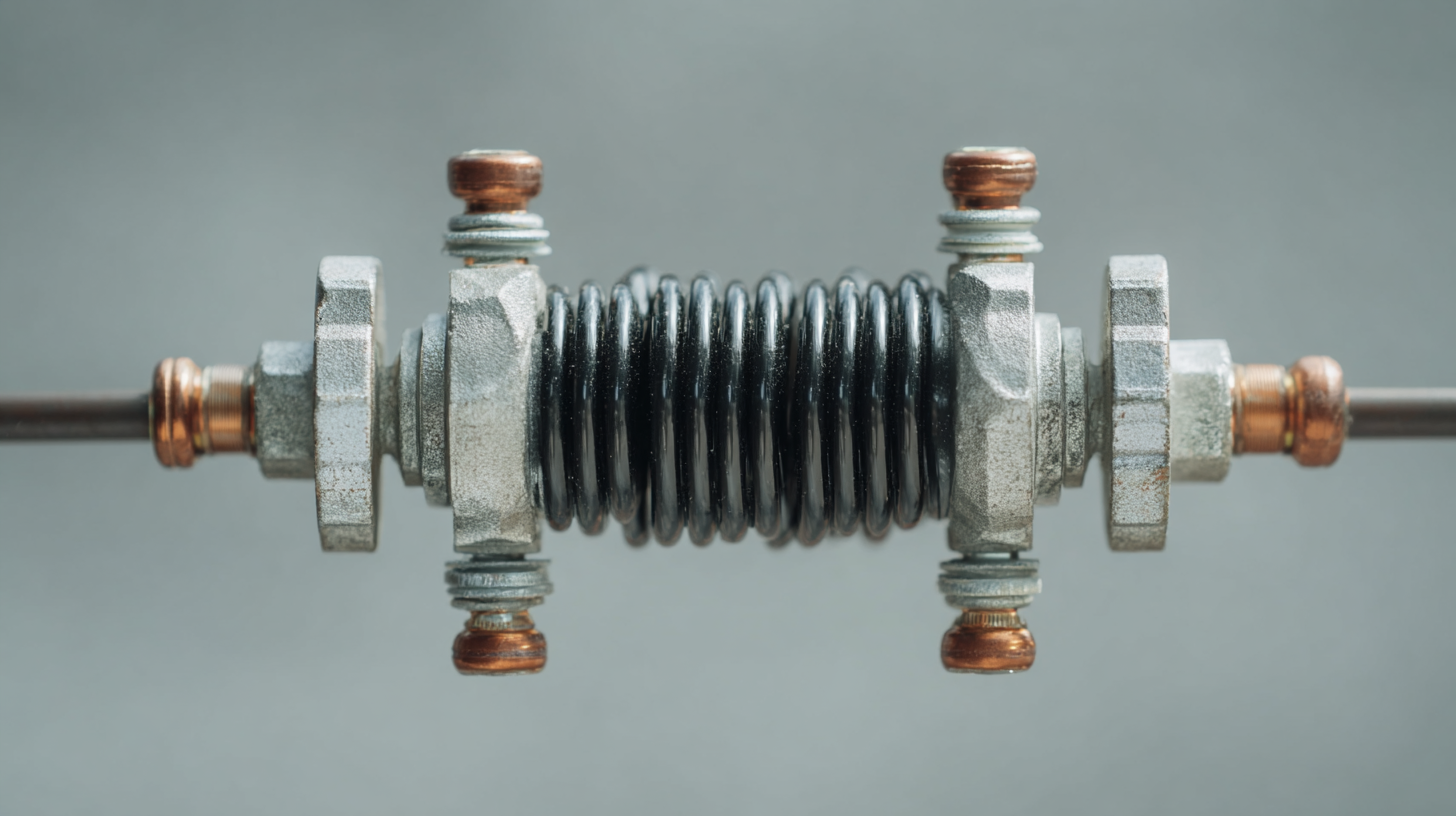
High tension (HT) insulators play such a crucial role in modern electrical setups. They’re basically the gatekeepers, making sure electricity gets from point A to B safely and smoothly. But, honestly, keeping these insulators in good shape isn’t always a walk in the park. Environmental stuff like pollution, humidity, or extreme heat can really take a toll on them. For example, when dirt and other contaminants settle on their surfaces, it can create tiny paths that accidentally conduct electricity, which isn’t good news — it can lead to leaks or even failures. That’s why regular cleaning and inspections are so important, though surprisingly, often get pushed aside until something goes wrong. On top of that, mechanical stresses—like vibrations from nearby equipment or sudden temperature swings—can cause physical damage over time. To fight that, using tougher materials and smarter designs can really help things last longer. Plus, staying ahead with a good maintenance routine—checking for any obvious wear or weak spots—can catch problems early, saving a ton of trouble and money down the line. When we tackle these challenges head-on, it keeps the whole electrical system running smoothly and safely, making sure our power stays reliable no matter what’s going on outside.
Future Trends in HT Insulator Technology for Enhanced Efficiency
High-voltage (HV) insulators are pretty essential when it comes to modern electrical systems. They basically keep things safe, reliable, and efficient when transmitting power. As our electricity needs keep climbing, the way we develop and improve high-tension (HT) insulators is becoming more and more important. I was reading recently that the International Energy Agency says global electricity demand might jump nearly 70% by 2040—that's a huge increase! It really underscores how crucial it is to innovate with insulator materials and designs so they can handle higher voltages and loads without breaking a sweat.
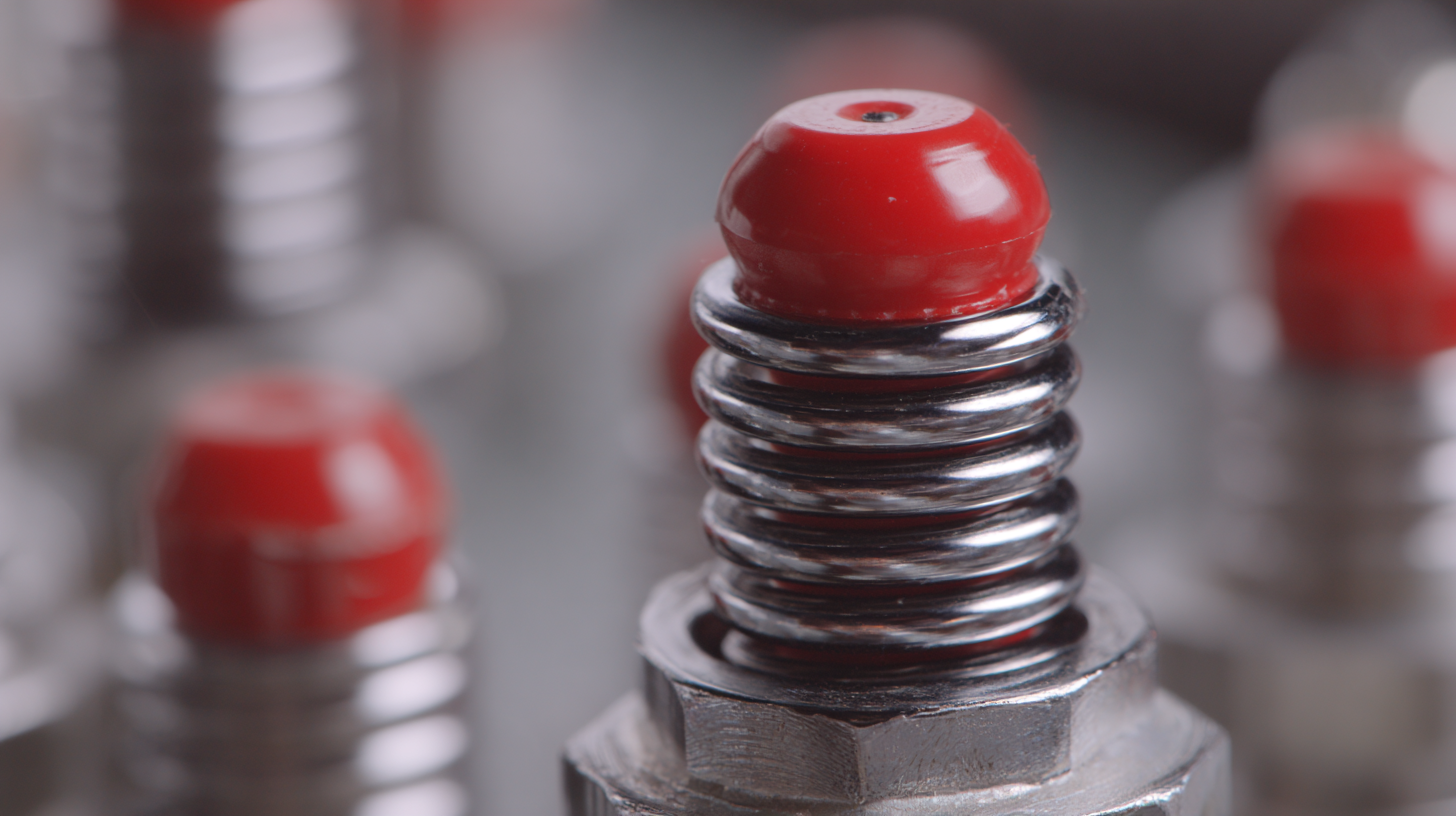
Nowadays, a lot of the buzz around HT insulator tech is about these composite insulators. They’re a mix—like fiberglass and silicone—that work together to make the insulators tougher and better-performing. Plus, according to a report from Global Market Insights, the market for these composite insulators is expected to hit over $4 billion by 2026. That growth is thanks to their lightweight build and how well they stand up against the elements. And let’s not forget the advances in nanotechnology—these tiny coatings are opening the door to insulators that last longer, work more efficiently, and cut down on maintenance costs. All of this is pretty crucial if we’re serious about modernizing our electrical grids and making the switch to renewable energy sources. It’s an exciting time for the tech coming next!
FAQS
: High-voltage insulators prevent electrical leaks and maintain system integrity under high stress, which is crucial for the operation of ultra-high voltage (UHV) transmission systems.
The design and materials, such as porcelain and composite materials, significantly influence the performance, durability, and environmental resistance of high-voltage insulators.
Recent advancements include the implementation of advanced materials that lower energy losses during transmission, enhancing efficiency in power systems.
The global shift towards UHV transmission systems, especially in countries like China, enhances the stability and capacity of national grids, supporting international efforts for interconnected energy systems.
Emerging trends focus on composite insulators made from materials like fiberglass and silicone, which improve durability and performance, as well as advancements in nanotechnology for innovative coatings.
The composite insulator market is expected to surpass $4 billion by 2026, driven by their increasing adoption due to lightweight properties and resistance to environmental factors.
It is essential to enhance system performance under higher voltage and load conditions as global electricity demand is projected to increase by nearly 70% by 2040.
Advancements in nanotechnology lead to innovative coatings that can enhance the efficiency and longevity of insulators, thereby reducing maintenance costs and improving grid reliability.
High-voltage insulators are crucial in modern electrical transmission networks, ensuring safe and efficient power distribution, which is necessary for the transition towards renewable energy sources.
They must meet increasing demands for efficiency and reliability under higher loading conditions as global energy requirements grow due to expanding electricity consumption.
Conclusion
High-voltage (HT) insulators might not be the flashiest part of our electrical systems, but honestly, they’re super important. They keep everything running smoothly and safely when transmitting electricity. Their main features, like really high dielectric strength and tough mechanical build, are what make them reliable for long-term use. There are actually quite a few types of HT insulators out there, each designed for specific voltages and environmental conditions—kind of like how you pick the right gear for a hike. Getting the installation right is a big deal too; doing it properly helps prevent problems down the line and helps them last longer. And let’s not forget, routine maintenance can really boost their performance and keep things running without issues.
Here at Jiangxi QOCI Electric Co. Ltd., we’ve been passionate about pushing the limits of HT insulator tech since 2002. We’ve built solid expertise in glass insulators, backed by strong research and development efforts. Our goal is definitely to stay ahead of the curve—keeping an eye on new trends and innovations—so we can help make electrical systems worldwide safer, more efficient, and more reliable.